

Raising mallards organically, Raising mallards organically
Raising mallards organically, Raising mallards organically
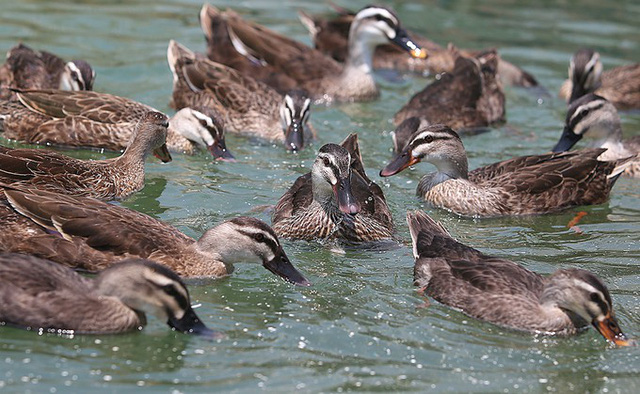
Mallard ducks raised organically by the Ba Vi Hill Chicken Raising and Consumption Cooperative are taking steps to register this as an OCOP product of the district..
Raising mallards organically. However, Raising mallards organically, Raising mallards organically 2021 Raising mallards organically.
Raising mallards organically, Mr. Truong Duc Hoang, Mr. Truong Duc Hoang, Mr. Truong Duc Hoang, Mr. Truong Duc Hoang, Mr. Truong Duc Hoang, Mr. Truong Duc Hoang. Mr. Truong Duc Hoang, Mr. Truong Duc Hoang 1.000 Mr. Truong Duc Hoang. Mr. Truong Duc Hoang, Mr. Truong Duc Hoang, Mr. Truong Duc Hoang.
Mr. Truong Duc Hoang: Mr. Truong Duc Hoang, Mr. Truong Duc Hoang, Mr. Truong Duc Hoang, larval, Mr. Truong Duc Hoang, characteristic should be very popular in the market. Besides, characteristic should be very popular in the market, characteristic should be very popular in the market, characteristic should be very popular in the market, characteristic should be very popular in the market.
characteristic should be very popular in the market
characteristic should be very popular in the market, characteristic should be very popular in the market 150 characteristic should be very popular in the market.
characteristic should be very popular in the market, characteristic should be very popular in the market, characteristic should be very popular in the market 500 con and currently have about 3.000 con and currently have about.
Especially, con and currently have about, con and currently have about.
Source: https://con and currently have about
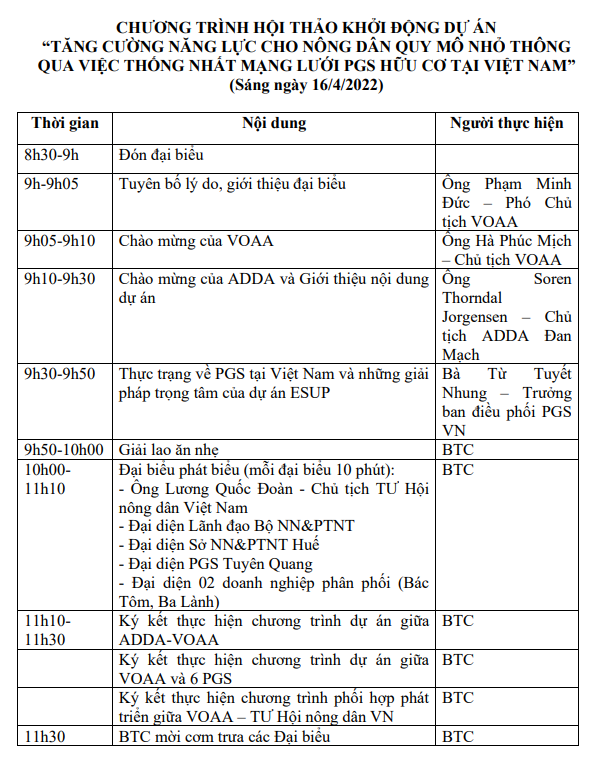
Project Kick-off Workshop "Strengthening the capacity of small-scale farmers through unifying the organic PGS network in Vietnam"
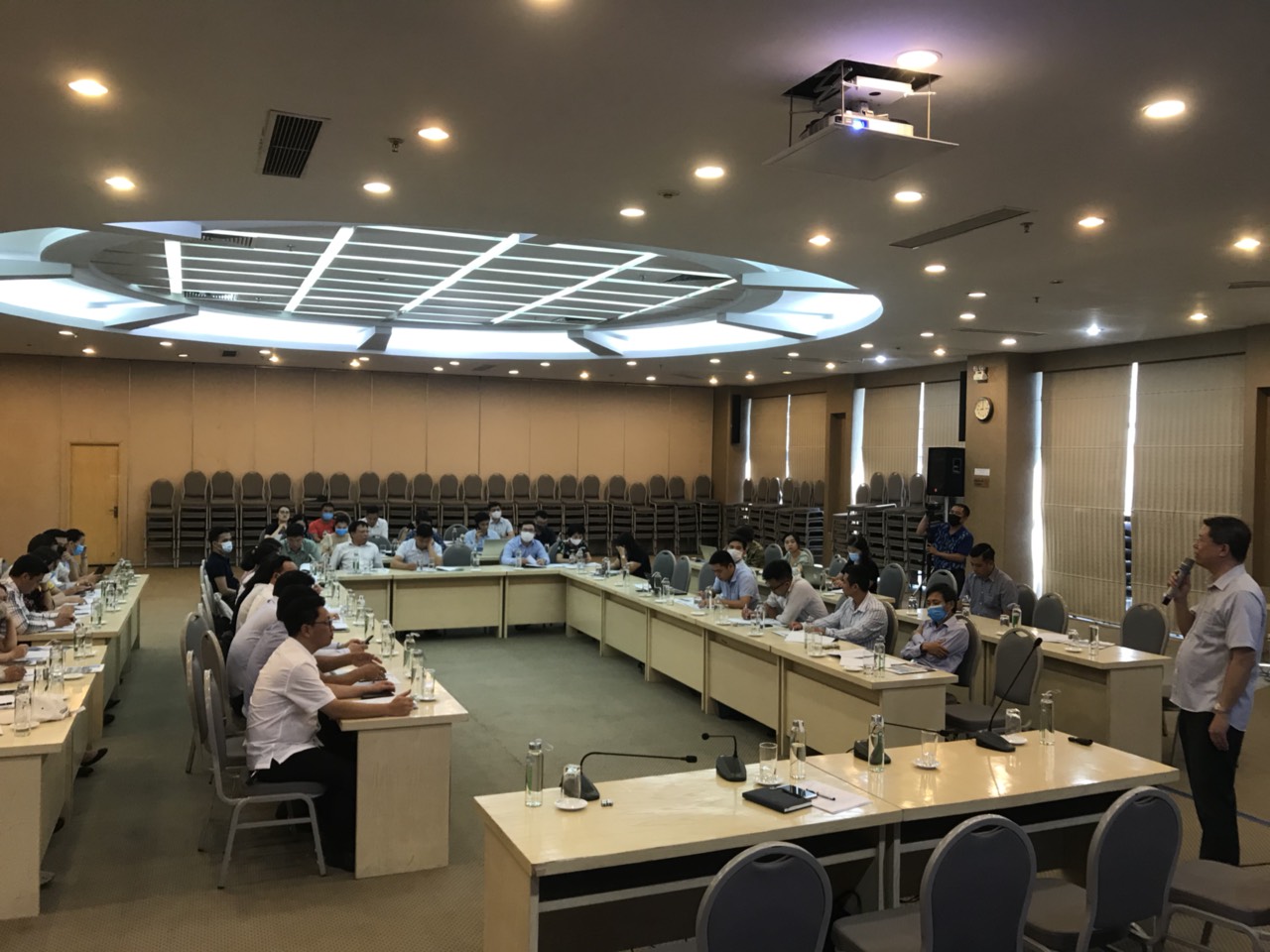
Project Kick-off Workshop "Strengthening the capacity of small-scale farmers through unifying the organic PGS network in Vietnam"
Project Kick-off Workshop "Strengthening the capacity of small-scale farmers through unifying the organic PGS network in Vietnam" (VOAA) Project Kick-off Workshop "Strengthening the capacity of small-scale farmers through unifying the organic PGS network in Vietnam" – Project Kick-off Workshop "Strengthening the capacity of small-scale farmers through unifying the organic PGS network in Vietnam" 2011, Project Kick-off Workshop "Strengthening the capacity of small-scale farmers through unifying the organic PGS network in Vietnam", system development ensures participation (PGS) Project Kick-off Workshop "Strengthening the capacity of small-scale farmers through unifying the organic PGS network in Vietnam", system development ensures participation. system development ensures participation (Project Kick-off Workshop "Strengthening the capacity of small-scale farmers through unifying the organic PGS network in Vietnam") Project Kick-off Workshop "Strengthening the capacity of small-scale farmers through unifying the organic PGS network in Vietnam" “Strengthening the capacity of small-scale farmers through “Strengthening the capacity of small-scale farmers through (“Strengthening the capacity of small-scale farmers through: “Strengthening the capacity of small-scale farmers through). system development ensures participation 07 the provincial, system development ensures participation, system development ensures participation.

Image: “Strengthening the capacity of small-scale farmers through
“Strengthening the capacity of small-scale farmers through “Strengthening the capacity of small-scale farmers through – “Strengthening the capacity of small-scale farmers through:
Time: 1/2 day, “Strengthening the capacity of small-scale farmers through 16 month 4 year 2022 (Saturday)
Place: Van Phuc, Saturday, Ba Dinh, Hanoi
Saturday:
Cam “Director of the cooperative” create market opportunities for organic agricultural products, create market opportunities for organic agricultural products, create market opportunities for organic agricultural products
Few years ago, Few years ago, Few years ago, Few years ago, Few years ago, Few years ago, Few years ago.
“Few years ago”
Month 1/2018, Few years ago, Few years ago (Few years ago, Son La) Few years ago 7 member, Few years ago. Now, Few years ago 10 member, Few years ago, 4Few years ago.
Few years ago – Director of the cooperative, said: Director of the cooperative, Director of the cooperative, Director of the cooperative. Director of the cooperative, Director of the cooperative, Director of the cooperative. Director of the cooperative “Director of the cooperative” Director of the cooperative, Director of the cooperative, Director of the cooperative. The current, Director of the cooperative 55.000 VND / kg. Director of the cooperative, Director of the cooperative 14 tons / ha, Director of the cooperative 550 million / ha, Director of the cooperative, Director of the cooperative 440 million dong.

Director of the cooperative – Director of Pa Cop Basic Organic Farm Cooperative, Few years ago, Director of Pa Cop Basic Organic Farm Cooperative (Son La province). Image: Director of Pa Cop Basic Organic Farm Cooperative
Director of Pa Cop Basic Organic Farm Cooperative 2020, Director of Pa Cop Basic Organic Farm Cooperative, Director of Pa Cop Basic Organic Farm Cooperative, 155Director of Pa Cop Basic Organic Farm Cooperative. Build, Director of Pa Cop Basic Organic Farm Cooperative 197 Director of Pa Cop Basic Organic Farm Cooperative, Lam, safe seafood, including 159 Director of Pa Cop Basic Organic Farm Cooperative, Director of Pa Cop Basic Organic Farm Cooperative 30.000 ton. Director of Pa Cop Basic Organic Farm Cooperative, The inter-ministerial sector has come up with many solutions to solve the problem: Director of Pa Cop Basic Organic Farm Cooperative, Director of Pa Cop Basic Organic Farm Cooperative (Director of Pa Cop Basic Organic Farm Cooperative), Director of Pa Cop Basic Organic Farm Cooperative (Moc Chau) Director of Pa Cop Basic Organic Farm Cooperative…
Strict production process
Strict production process, pesticides, Strict production process. Strict production process (Director of Pa Cop Basic Organic Farm Cooperative), said: Strict production process. Before, Strict production process, Strict production process, Strict production process, Strict production process, Strict production process. More, need a good irrigation system and from year five 3 need a good irrigation system and from year five, need a good irrigation system and from year five.
need a good irrigation system and from year five – need a good irrigation system and from year five, information: need a good irrigation system and from year five. need a good irrigation system and from year five, The inter-ministerial sector has come up with many solutions to solve the problem: need a good irrigation system and from year five. Organizations, need a good irrigation system and from year five, fertilizer, need a good irrigation system and from year five…
Director of Pa Cop Basic Organic Farm Cooperative (Director of Pa Cop Basic Organic Farm Cooperative) participating in the pilot model of organic agriculture development in the province. participating in the pilot model of organic agriculture development in the province 2 participating in the pilot model of organic agriculture development in the province, participating in the pilot model of organic agriculture development in the province.
participating in the pilot model of organic agriculture development in the province, participating in the pilot model of organic agriculture development in the province, participating in the pilot model of organic agriculture development in the province. participating in the pilot model of organic agriculture development in the province, participating in the pilot model of organic agriculture development in the province, participating in the pilot model of organic agriculture development in the province, create market opportunities for organic agricultural products; create market opportunities for organic agricultural products, process, Consumption of organic products on a value chain basis.
Source: https://create market opportunities for organic agricultural products
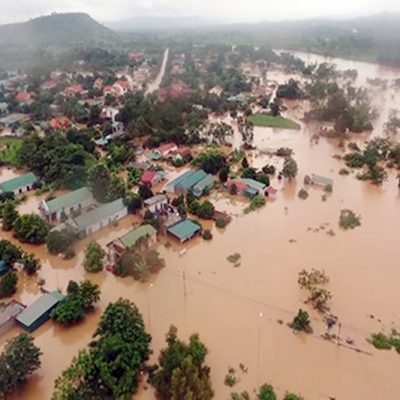
Agriculture needs to change to adapt to climate change
Agriculture needs to change to adapt to climate change
In year 2021, natural disasters do not rush, fierce as year 2020 but it also happened 18/22 type of disaster with 9 storm, 3 Tropical depression in the East Sea; 326 thunderstorms, whirlwind, heavy rain; 139 earthquake; 170 flood, flash floods, landslide.
At the same time, The COVID-19 epidemic has been complicated and lasted since the end of the year 2019, Many localities have to implement social distancing according to the Directive 16. The epidemic has impacted most socio-economic activities, which greatly affects the work of the room, against natural disasters.
Besides that, The agricultural sector is very vulnerable to natural disasters. Every year natural disasters affect, great losses in the agricultural sector. However, that damage is also partly due to poor planning, There is no prevention plan, disaster response.
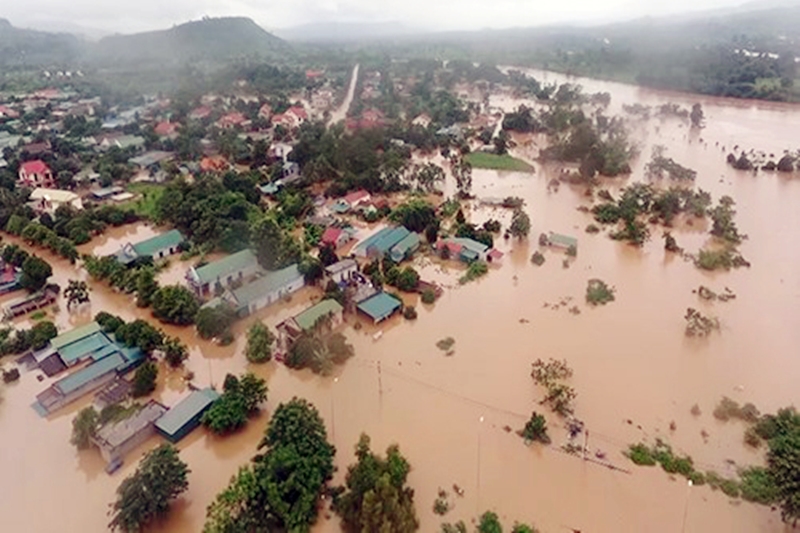
Natural disasters greatly affect agricultural production. Illustration Photo
Also according to local reports, disaster year 2021 did 108 DEADMAN, missing, on 306 house collapsed; near the 9.000 damaged house, roof speed. Total economic damage is estimated on 5.200 billions dong, in which agriculture and rural development suffered heavy losses.
Specifically, The affected rice production area is over 94.000 he has, in which about 2.648 hectares of damage on 70%. The area of other crops affected is about 40.000 he has, in which the damaged area on 70% approx 7.800 he has. Area of industrial plants, Approximately . of affected fruit trees 12.500 he has, including about 200 hectares of damage on 70%.
The disaster caused damage on 1.280 ha forest. Than 94.000 Fishing boats at sea are often affected by storms, strong wind. The total affected and damaged aquaculture area is 3,670ha, in which on 1.300 ha completely damaged; 130 damaged boats.
It is also due to the impact of natural disasters 6.962 cattle and 368.000 dead bird, washed. About 10,4 km of dike grade IV or below has a problem; 11,4km of embankment damaged; 67 km of riverbank, damaged coast; 271 km of canals are eroded, drift, sedimentation; 12 pump station, 101 sewer and 75 other irrigation works are damaged; 174 Small reservoir damaged; 6 Damaged water supply works.
In the face of the situation that the economy in general and the agricultural sector in particular were heavily affected by natural disasters, in year 2021, General Department, Disaster prevention has coordinated with units and localities to review, Full damage statistics, timely support for people according to the provisions of Decree No 02 government.
Besides, The unit has also supported 97.000 Covid-19 vaccine dose, 87.000 liters and 113 tons of chemicals, anti-epidemic with total value 23,387 billion for 8 the provincial (Thanh Hoa, Ha Tinh, Quang Binh, TT.Hue, Quang Ngai, Pacify, Phu Yen, Gia Lai).
Also support 110 tons of rice seed for Phu Yen province and is consulting the Ministry of Finance, Ministry of Planning and Investment on support 100 tons of rice seed, 30 tons of maize seed for Quang Tri before submitting to the Prime Minister.
With that, guide people to restore production, environmental sanitation, Prepare the pond, animal lodging, restore production. Urgent repair of dike works, against landslides damaged by storms, torrential rain. Restore damaged inland irrigation works, guarantee the delivery, watering the field. Organize urgent dredging of water intakes, The canal system is filled.
In the long term, to be able to produce agriculture that can adapt to natural disasters, reduce annual damage caused by natural disasters, National Steering Committee on Chamber of, against natural disasters as well as ministries, The locality needs to study the transformation of production structure, type of tree, livestock with high economic value suitable to natural conditions and natural disaster characteristics in each region, domain, adapt to climate change.
Whereby, investment consolidation, upgrade, perfecting the dyke system, Dam lake ensures proactive prevention, anti-flood, storm according to design level. Complementary, water storage system upgrade, drainage, flood prevention; works to control water sources to prevent drought, salinization. Build, fortification of room works, prevent river bank erosion, seaside.
Continue to build, upgrade the ship mooring area, storm shelter boat according to the approved plan, associated with logistics, fishery information, including island areas. Develop planning for disaster prevention and irrigation in association with land use planning and suitable for economic development, society, natural disaster, upstream water use, Climate Change, sea level rise.
Source: Xuan Hien (T/h) – Journal of Organic Agriculture
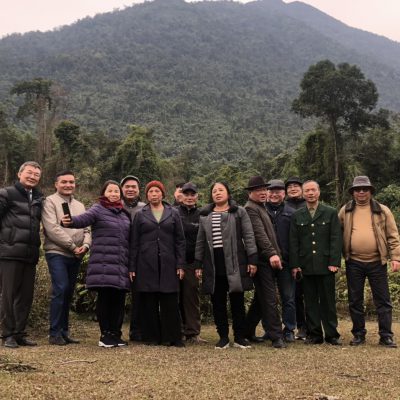
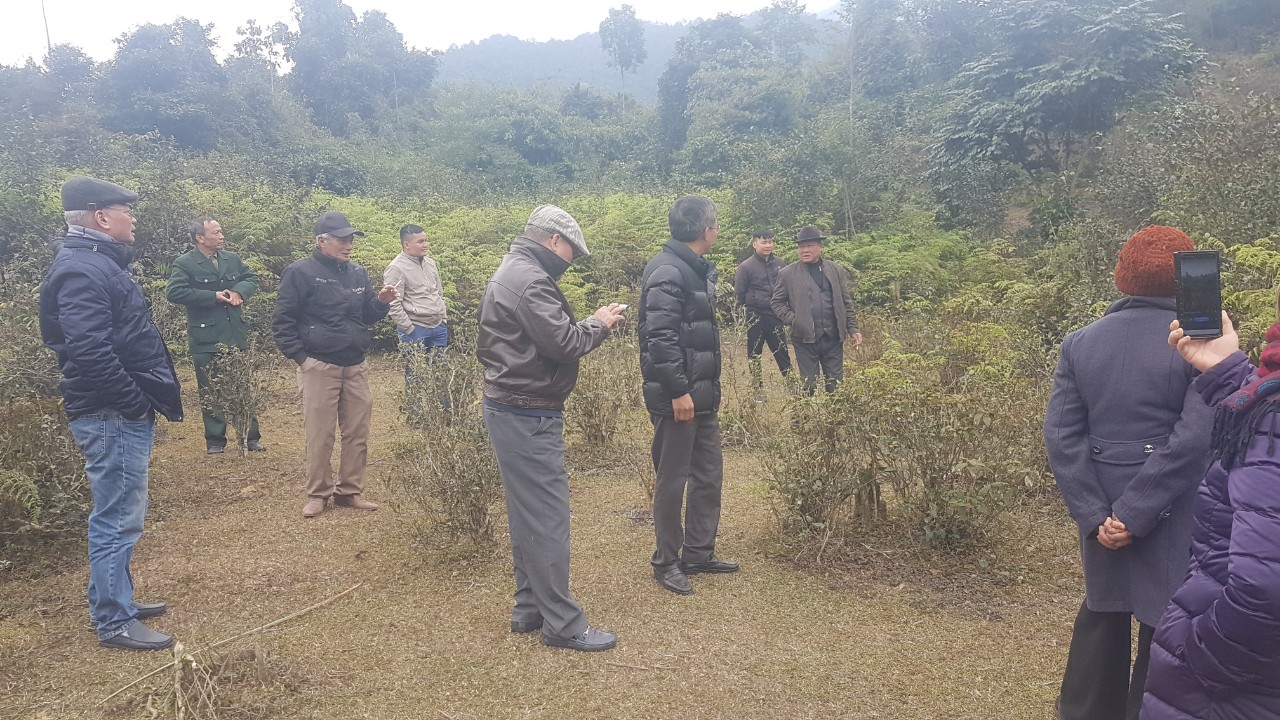
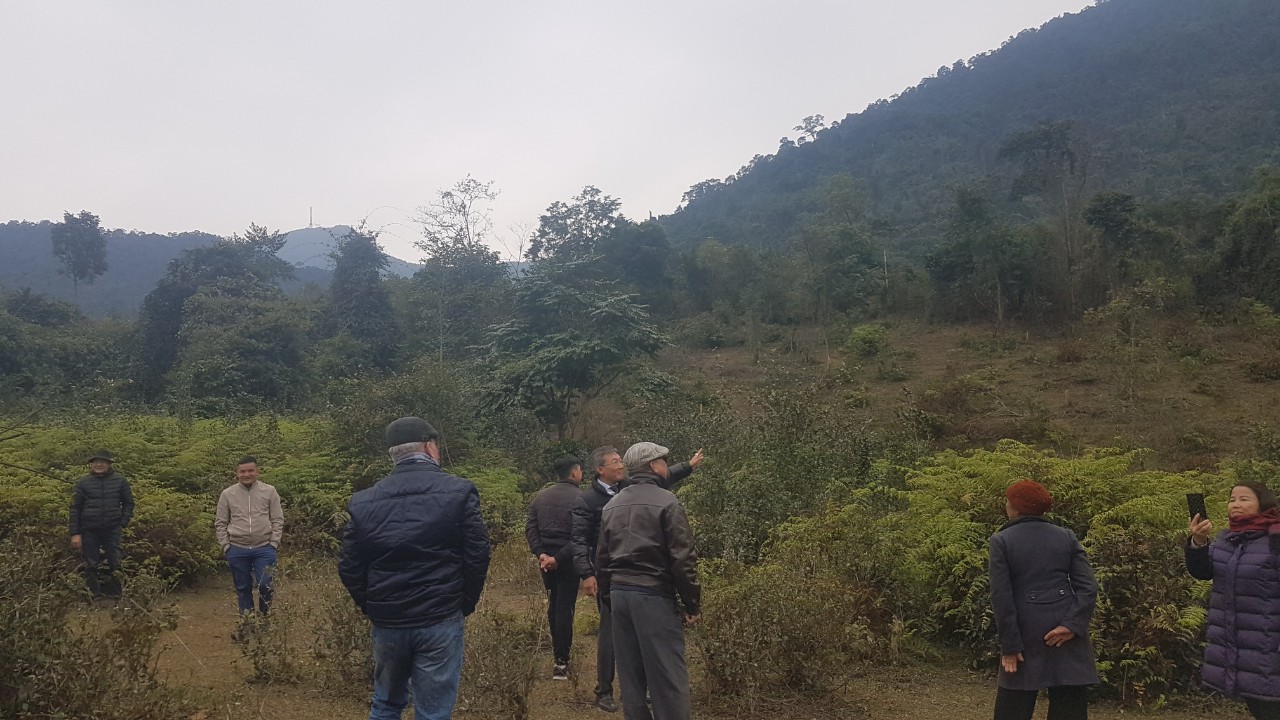
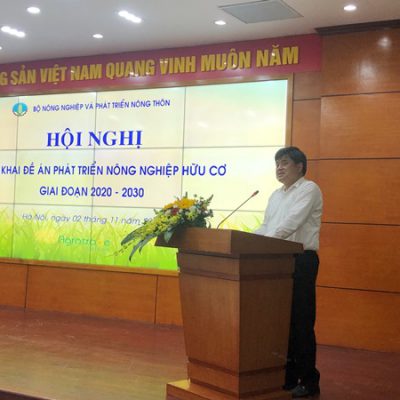
Development of organic agriculture period 2020-2030
Day 2/11, Ministry of Agriculture and Rural Development (NN&PTNT) Organizing a conference to implement the Project for the development of organic agriculture in the fifth phase 2020-2030
Phase organic agriculture development scheme 2020 – 2030 by the Ministry of Agriculture&Rural Development submitted to the Government and recently approved is derived from practice, general methods and directions of the Scheme on agricultural restructuring towards increasing added value and developing sustainably. The project aims to implement the national target programs and promote the potential strengths of organic agriculture in regions and localities., contribute to positioning and enhancing the brand of Vietnamese agricultural products on the world agricultural map; to make Vietnam become a country with an organic agricultural production level equal to that of advanced countries in the world.
This is also the directive throughout the Central, Government and Prime Minister over the years. And the agricultural sector is actively implementing this policy. Besides that, Organic agriculture is a growing trend and will grow rapidly in the coming time by ensuring the provision of better products for human health and society..
According to the Ministry of Agriculture&PTNT, up to now, The area of organic cultivation in Vietnam increased from 53.350 ha years 2016 up approx 237.693 ha years 2019. The whole country has 46/63 the province is implementing and having an organic production movement. The number of farmers involved in organic production is 17.168 people.
The number of organic production firms is 97 enterprise; Join export is 60 enterprises with a turnover of approx 335 million USD / year. Vietnamese organic agricultural products are consumed domestically and are now exported 180 countries around the world, including the US, ME, China, Japan, Virtue, Brother, Korea, from, Singapore, France, Belgium, Netherlands, Italy… are the largest consumer markets for organic agricultural products in the world.
Deputy Minister of Agriculture&Rural Development Tran Thanh Nam said, Conferences aimed at dissemination, thoroughly grasp the main contents of the organic agriculture development project in the period 2020 – 2030 help management units of the ministry, localities, industry associations, producers and businesses understand the perspective of development, targets, tasks and solutions of the State for organic agricultural development. Thereby deploying to develop a plan to implement the tasks of the Project in accordance with the functions of the unit and actual local conditions..
According to Deputy Minister Tran Thanh Nam, Currently, many cooperatives and households are implementing organic agricultural models. But let them understand how organic agriculture is, Knowledge is lacking in how standards are.
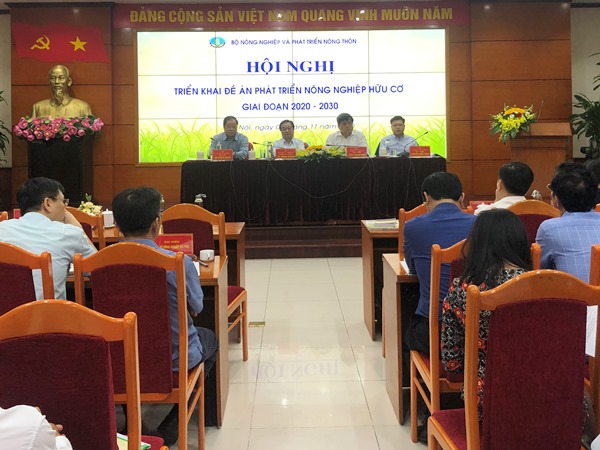
Ministry of Agriculture&Rural Development has advised the Government to promulgate the Scheme on development of organic agriculture in the period 2020-2030 in order to step by step turn Vietnam into a country with an organic agricultural production level equal to that of advanced countries. To do this, according to Deputy Minister Tran Thanh Nam, next to the area to continue to be intensive, Increasing productivity to ensure food security, each locality will base on the area of land, as well as key agricultural commodities to direct the development of organic agriculture. Other way, Provinces also need to focus on training and improving production capacity so that cooperatives and households implementing organic agriculture models understand how organic agriculture is., standards and regulations like. Therefore, after this batch, The staff will organize training courses to improve the qualifications of managers at all levels from the department, organic standards at the local level and producer, especially the Vietnamese Standard 11041:2017 – The national standard for organic agriculture.
In addition, the Ministry of Agriculture and Rural Development will guide the production processes towards organic agriculture and organic agriculture standards to each locality.. Because, The investment process to convert from conventional production to organic farming is very expensive, Not anywhere can do it, should be implemented step by step.
Another issue emphasized by Deputy Minister Tran Thanh Nam, That is how to coordinate with industries in the management of organic agricultural products when placing labels on the market., quality. “Just past, We tried to find out some places that showed that there were items that were labeled organic but not certified organic agriculture.. This is a current problem that needs to be rectified. This is not the only one of MARD&Rural development can do that requires branches, especially market regulators are involved in coordination”.
So, next time, The Department will provide legal support, facilitate to help domestic organic certification bodies to improve their capacity while also orienting them to link with international certification bodies to step by step enhance their position., level, The capacity of domestic certification bodies is equal to that of other countries in the region and in the world.
Source: Ministry of Agriculture&PTNT
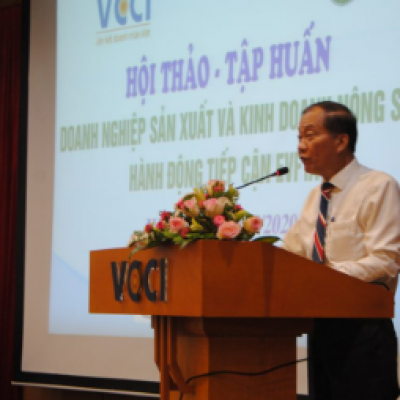
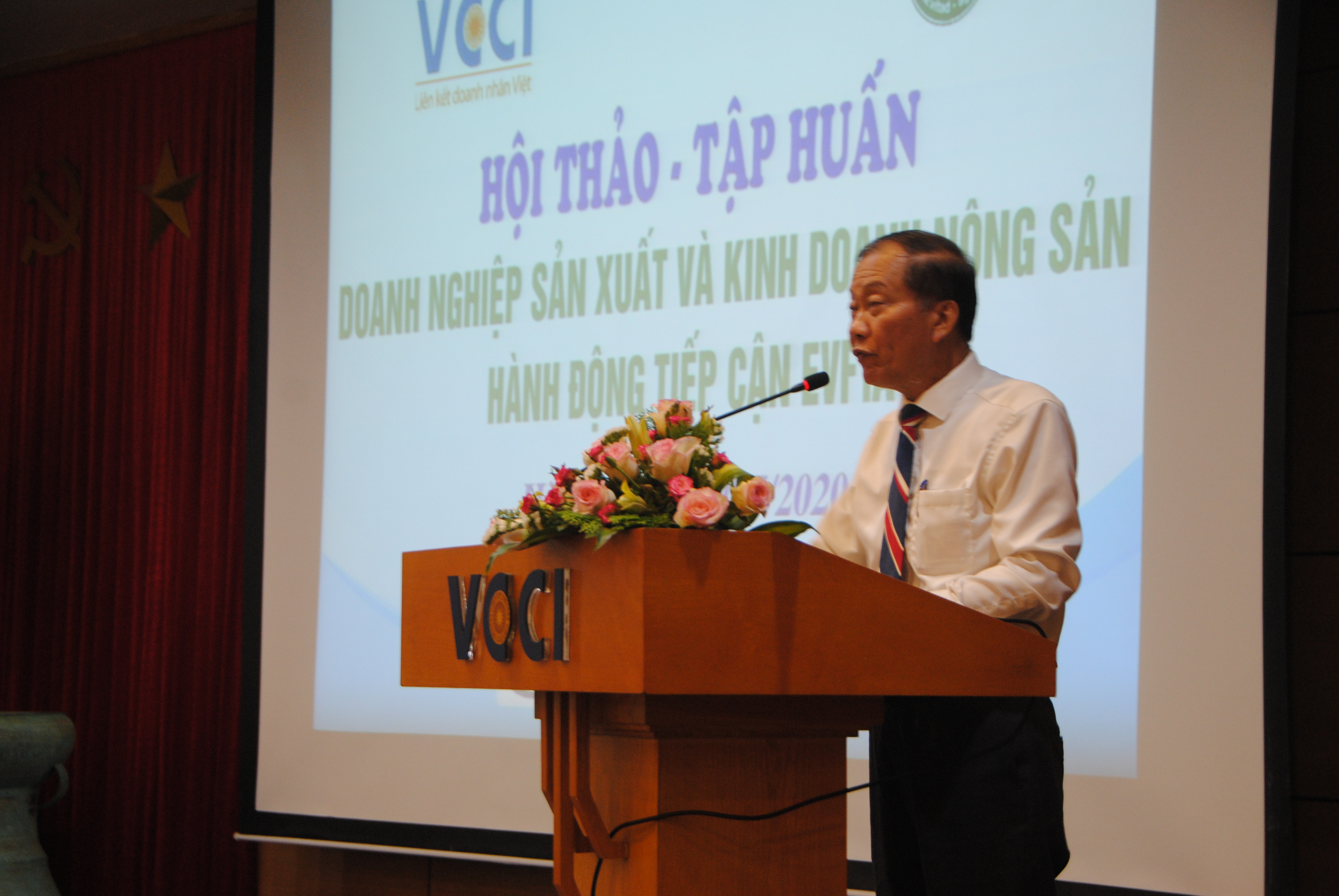
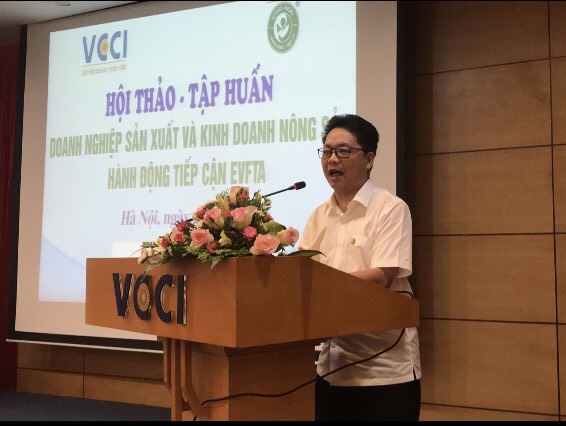
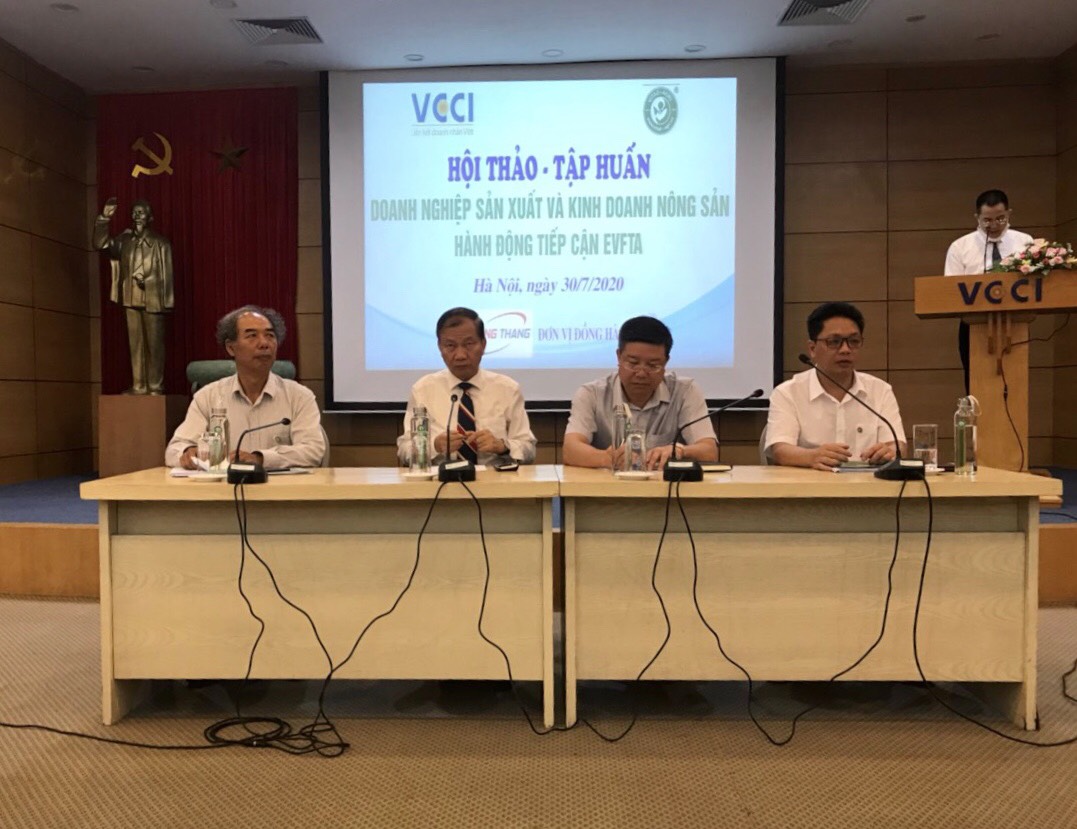
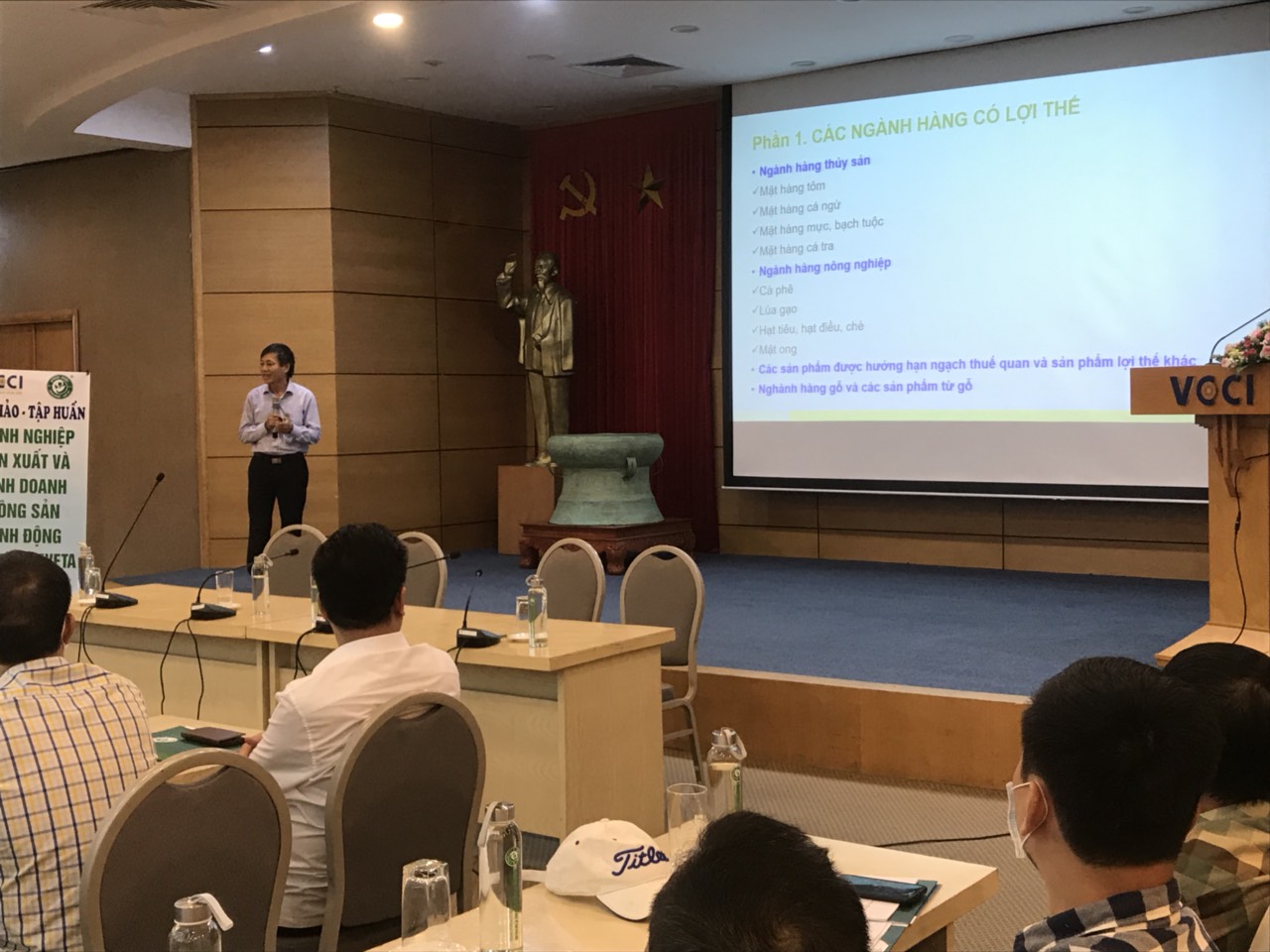
VITAD-AGRI and VCCI jointly organized a seminar seminar ”Enterprises producing and trading agricultural products- Action approaching EVFTA ”day 30/7/2020
To help agro-producers and exporters actively catch up, make good use of the opportunity right from the moment the agreement comes into effect, VITAD-AGRI and VCCI jointly organized the workshop training” Enterprises producing and trading in agricultural products- Action approaching EVFTA ”.
Purpose of the Training Session- The workshop aimed to equip EVFTA with the necessary knowledge related to the production and export of agricultural products to the EU market.; Establishing a chain link between agricultural production and import-export; Proposing policies to be proactive, accelerate the process and improve the efficiency of EVFTA implementation in agricultural production and export.
Specific objectives:
- Clearly define agricultural products and requirements for each agricultural product exported to the EU market (including i) Cultivation industry; ii) Livestock sector and iii) Seafood and seafood industry).
- Identify and propose solutions, policies and roadmaps to accelerate agricultural exports to the EU market (By each industry)..
- Establishing a linkage between producers and exporters of agricultural products to the EU market (By each industry).
- The objectives will be addressed, Specific instructions with the following:
– Tax return schedule 0% for Vietnam's exported agricultural products;
– Products enjoying preferential tax but subject to export quotas;
– Order and procedures for implementation of regulations on the origin of export goods;
– Request, procedures for food safety regulations, animal quarantine for export agricultural products;
– Regulations on geographical indications and intellectual property protection, Branding;
– Requirements for environmental protection and sustainable development.
– The export agricultural products have high competitive advantage thanks to VEFTA, difficulties and solutions
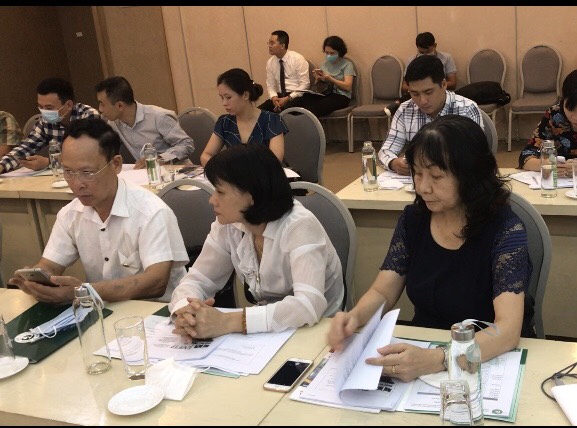
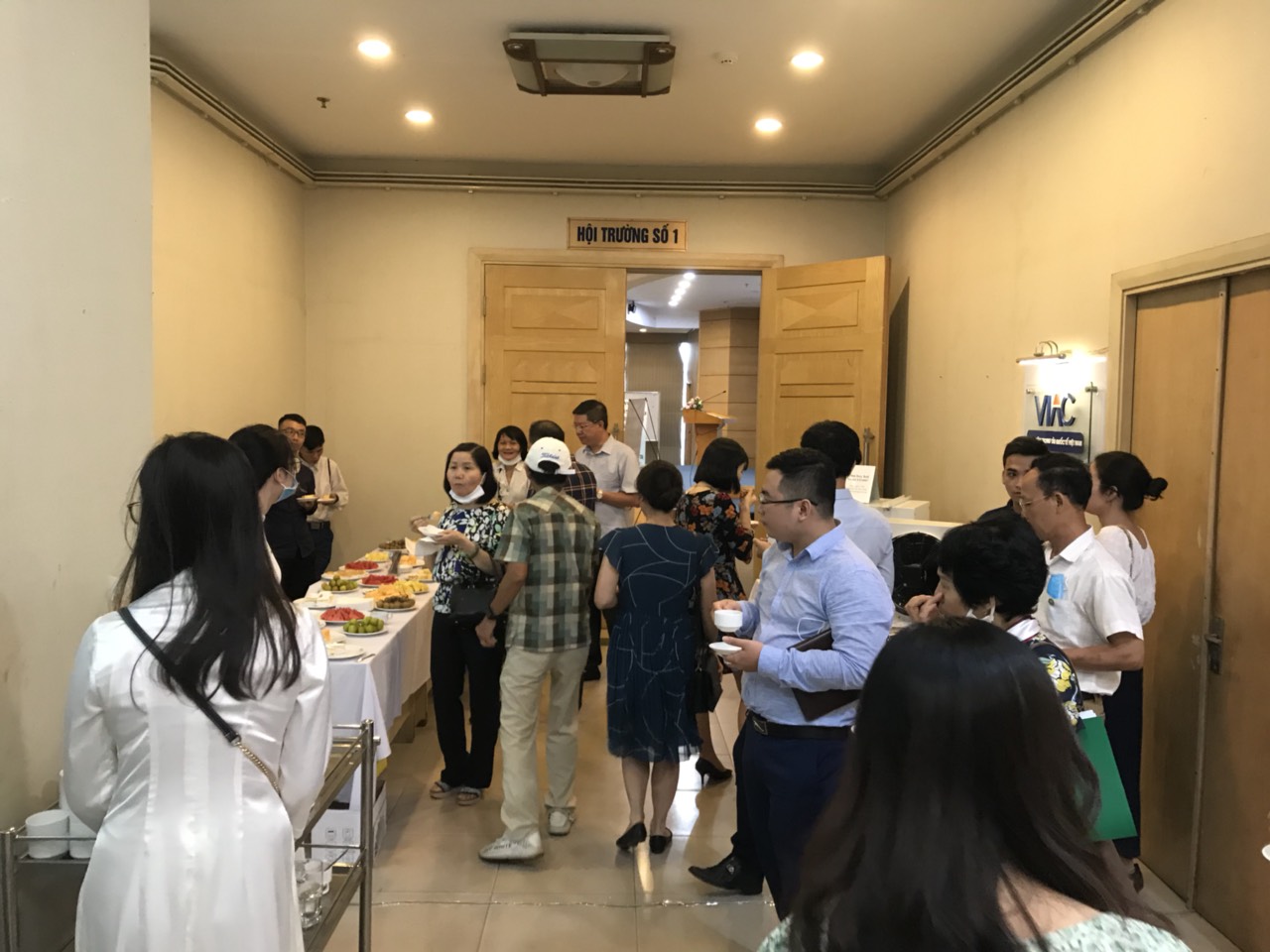
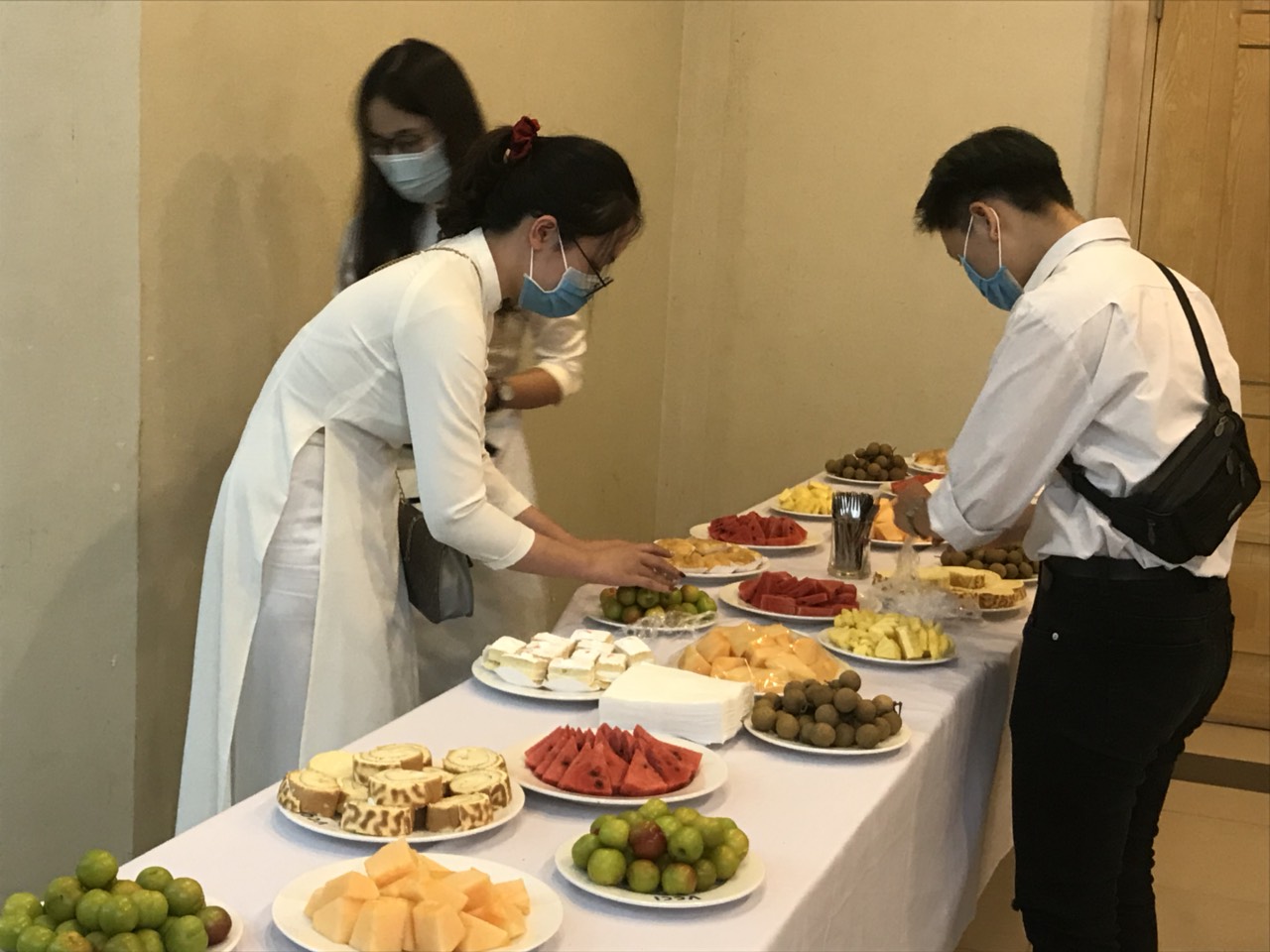
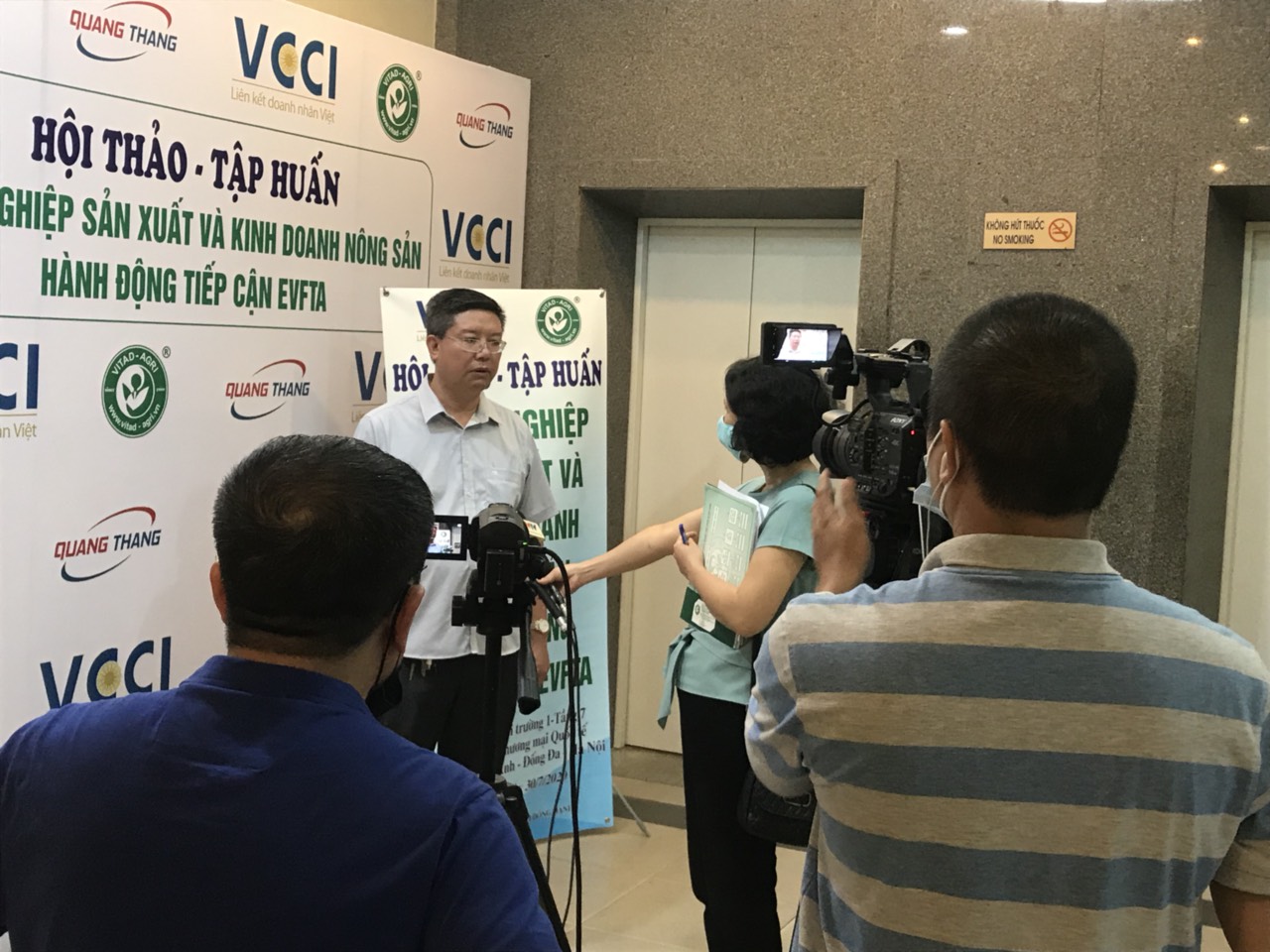
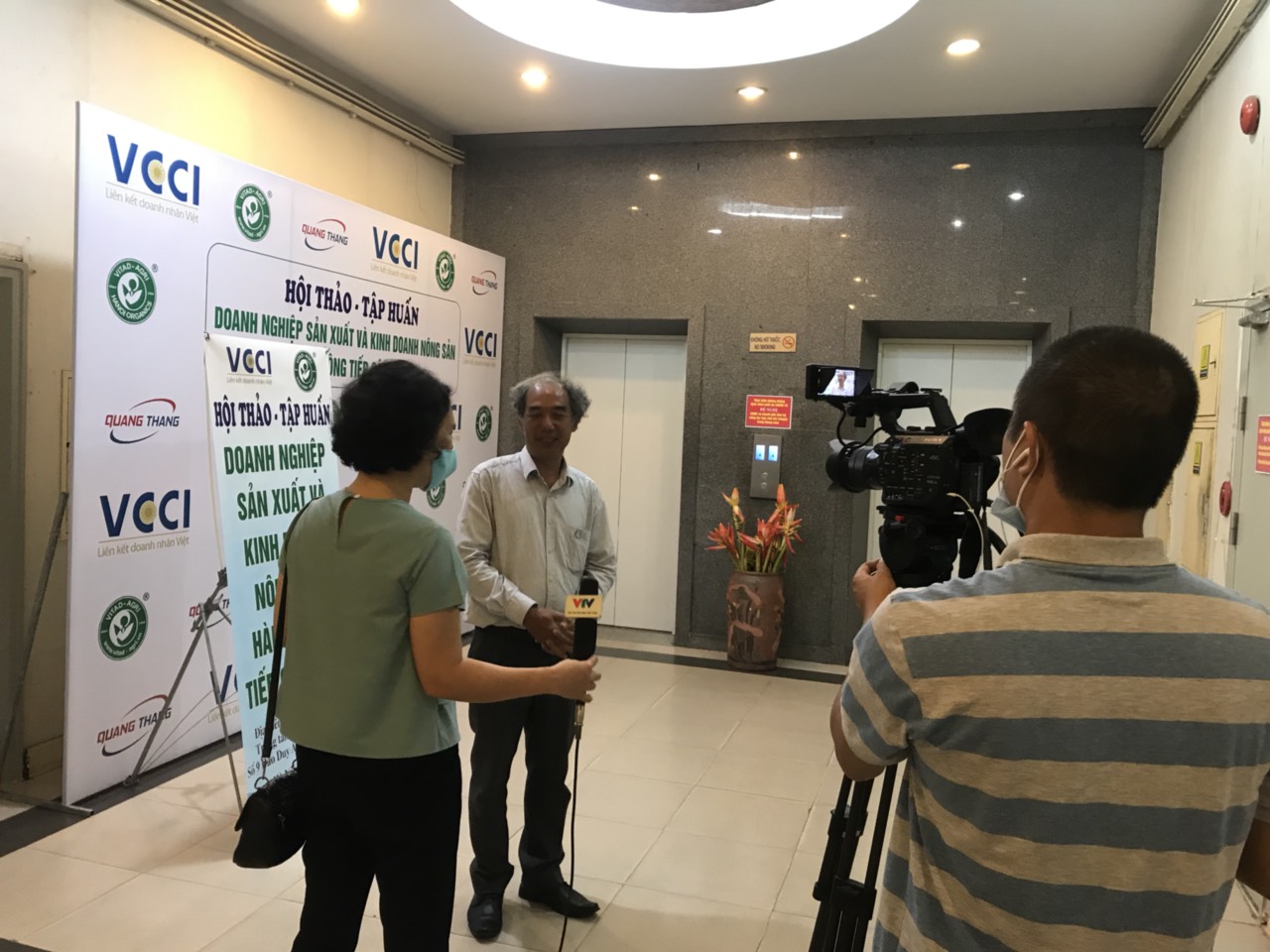
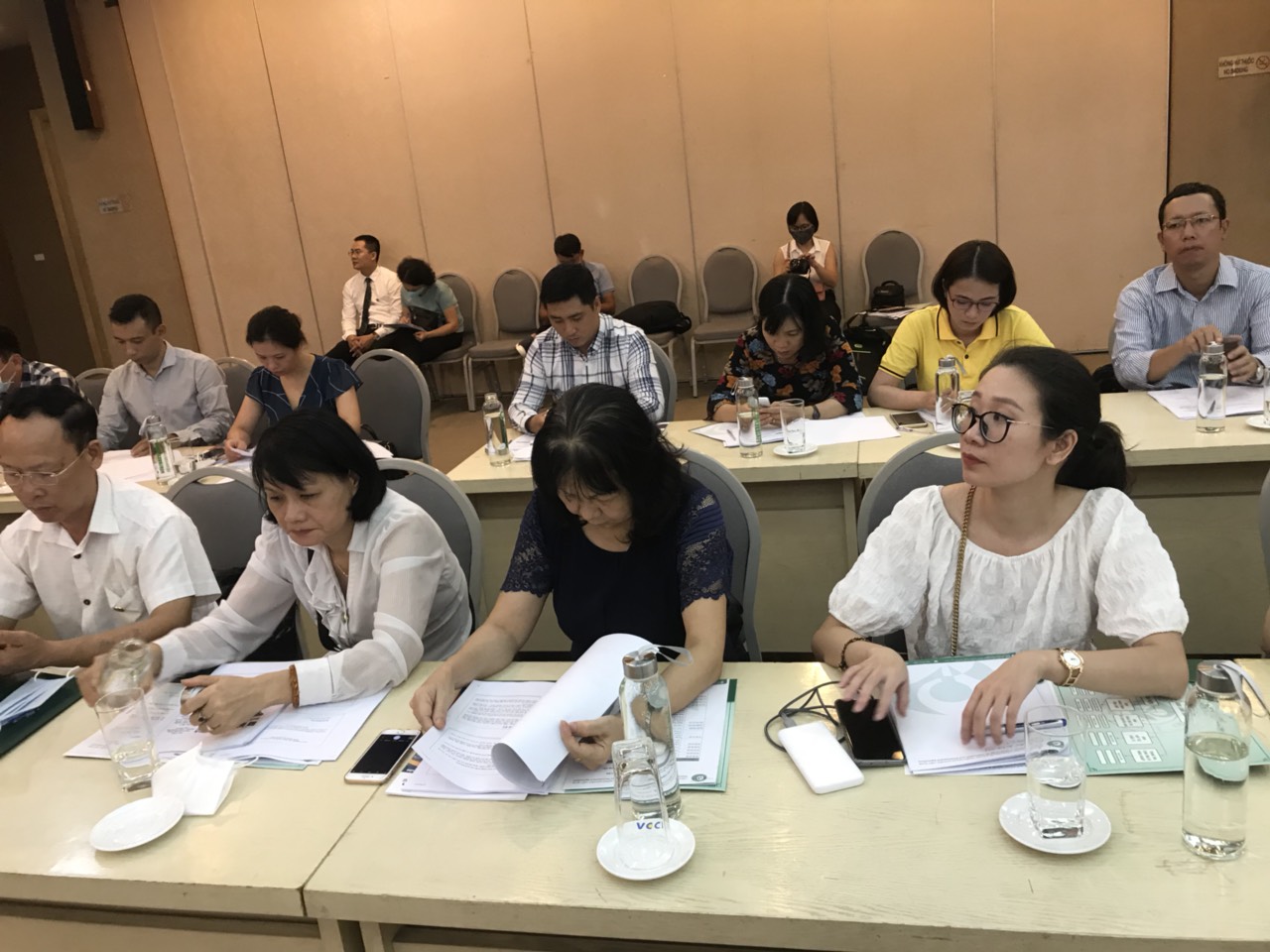
Some photos at the seminar, Training “Agricultural production and trading enterprises - Action on approaching EVFTA” day 30/7/2020