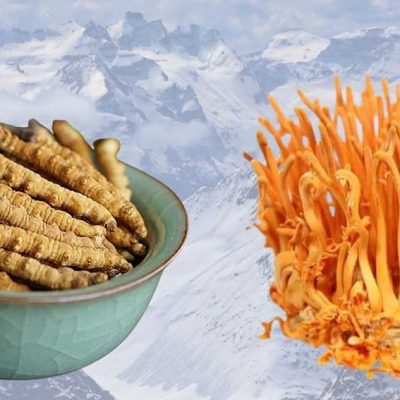
Folk with sentences: “As precious as cordyceps, rare like high ginseng ", These are the two most rare and expensive medicinal herbs. However, the North -Central Action Group Joint Stock Company wants to turn the "far away from the horizon" into "near the eyes" with the project “Study, Application and completion of the production process of cordyceps products”.
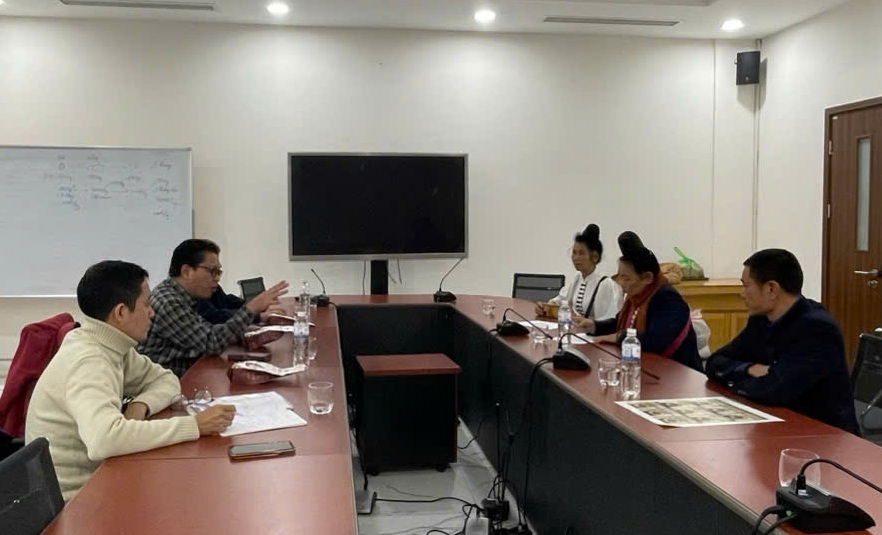
Science Council for Project Assessment Consulting “Study, Application and completion of the production process of cordyceps products”
This project is appraised by the Scientific Council, evaluate, Advice and set out directions in the next time for the North -Central Action Group Joint Stock Company, at the beginning of the year 2025 At the meeting room 102, number 24 Ly Thuong Kiet, Hoan Kiem, Hanoi. The Council includes science and technology experts: Assoc.Prof.Dr. Tran Manh Tri – Chairman of the Council, Dr. Ho Truong Giang – Vice Chairman of the Council, Dr. Pham Dinh Nam, Dr. Nguyen Duc Tho; Agricultural experts: Dr. Vu Van Sang, Dr. Nguyen Hong Hanh, Dr. Nguyen Ngoc Dinh are the leading scientists in Vietnam today in the field of science and technology and agriculture.
Here, The North -Central Action Group Joint Stock Company has stated the purpose and significance of the project. Accordingly, the Group is the leading travel and health care organization in Vietnam, Tourism business and technology application in production, small scale…, commercialization, Search for cooperation in producing cordyceps mushrooms, Product development through travel services (Selling or promotions given to tourists of the Group). The development of cordyceps products helps build a comprehensive health care ecosystem, improve the quality of life, Environmental protection and cultural heritage and economic efficiency for the Group, Create a closed value chain from production (small scale…) to processing, Quality management and commercialization of products from cordyceps mushrooms through promotional activities, introduce, Access users from travel services.
The Group's presentation also introduced existing 2 The main cordyceps strain. One is Cordyceps sinensis – Very high price, The distribution is very limited in nature (Mainly in Tibetan) and has not been successfully raised in an artificial environment. This is the type of cordyceps mentioned in idioms, Proverbs in folklore. And two is Cordyceps militaris – Similar to a mushroom that can be cultivated and processed into many different products. Most of the products sold on the market today are Cordyceps militaris – Cordyceps can be cultivated, all 65 active ingredients in the same ratio as natural Cordyceps sinensis, Including active ingredients that support cancer treatment like Polysaccharide, sterol, Adenosine and especially cordycepin.
Besides, Cordyceps also works to nourish the body, positive, Enhancing immunity ... useful for treating blood fat, diabetes, attenuate, Malnutrition and can also be used as high quality beverage.
Thus, we can completely cultivate Cordyceps militaris to replace natural Cordyceps sinensis with equivalent quality at a much lower price and can diversify products according to user needs..
In Viet Nam, Understanding of cordyceps is limited. According to Dr. Vu Van Sang, Agricultural expert of the Institute of Agricultural Technology and Agricultural Development (VITAD-AGRI), Member of Science Council, The beauty of the cordyceps is as beautiful as the coral in the sea floor without much nutrients like the base, The place containing many active ingredients has the effect of treating diabetes, cardiovascular, Cancer ... so buyers often choose beautiful cordyceps clusters instead of choosing pineapple with more quality base. In addition, the price of cordyceps products in Vietnam also has price disorder, The difference between the goods is quite large that customers hesitated, I reserve when deciding to buy or not.
The quality of cordyceps is determined by the base
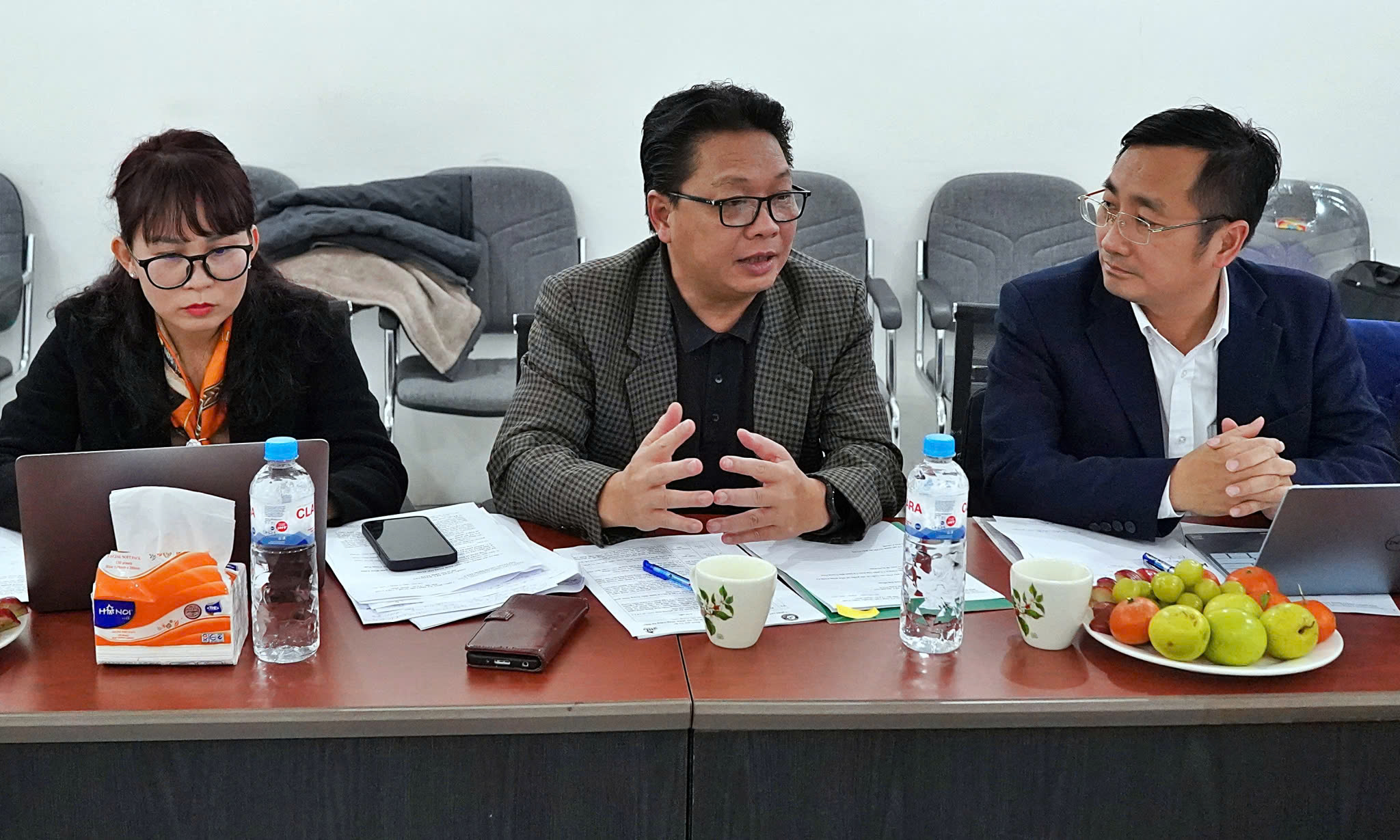
Speaking at the meeting, Dr. Pham Dinh Nam, Vitad-agi director suggested that the North-Central Co-operative Joint Stock Company clarifies the technology process, Determine how the product registration is: human, pharmaceutical, Functional foods or medicine. Must control product quality. Build logo, extra brand. Logo copyright registration; proceed to register for trademark protection; Technology design, Oganic certificate, Customers ... Note the policy to support businesses producing organic products, recorded in the Article 17, decree 109/2018.
Dr. Pham Dinh Nam, Vitad-Agri Director (between) Speaking at the meeting
Agricultural experts Dr. Nguyen Hong Hanh, Dr. Nguyen Ngoc Dinh proposed Joint Stock Company of the North Central Manager Group to study soon, Announcing the basic standards that meet the state standards for safe products for people as decree 15/2018, 19/2019…
Science and technology experts Dr. Ho Truong Giang, Dr. Nguyen Duc Tho also advised the North -South Central Group Joint Stock Company to build detailed project implementation process: time, place, Early branding, Production partner, Applicable technology and marketing for products.
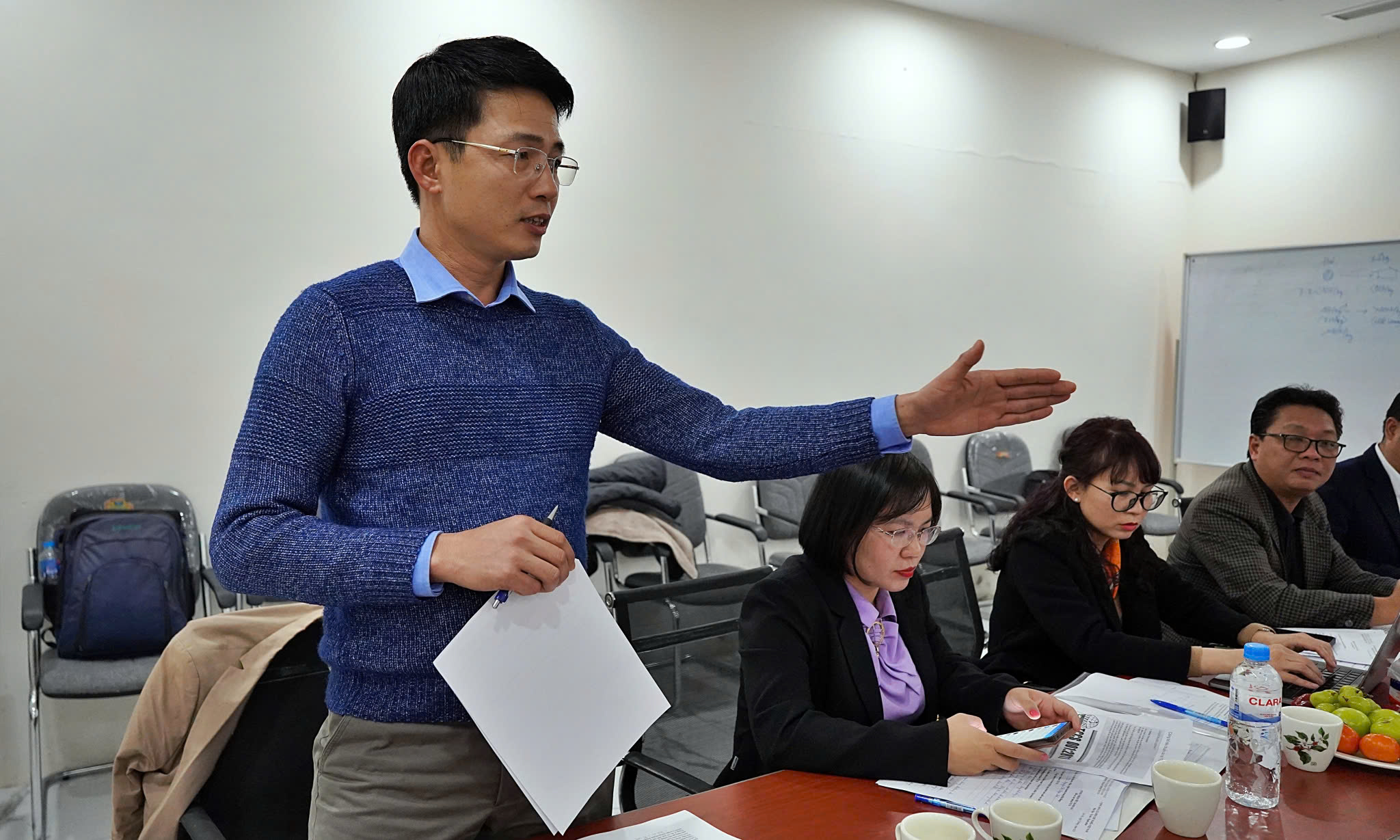
Dr. Vu Van Sang, Agricultural expert reviews, Project consulting should make detailed outline 4 main point: Production plan, co-operate (according to any standards), Additional production technology details, processing process, Building the basis must clearly mention the company to build or propose a construction partner. Note to rely on the standards, decree, State circulars like ND 15/2018 or Decision 885/TTg year 2020.
Dr. Vu Van Sang, Agricultural expert reviews, Project consulting
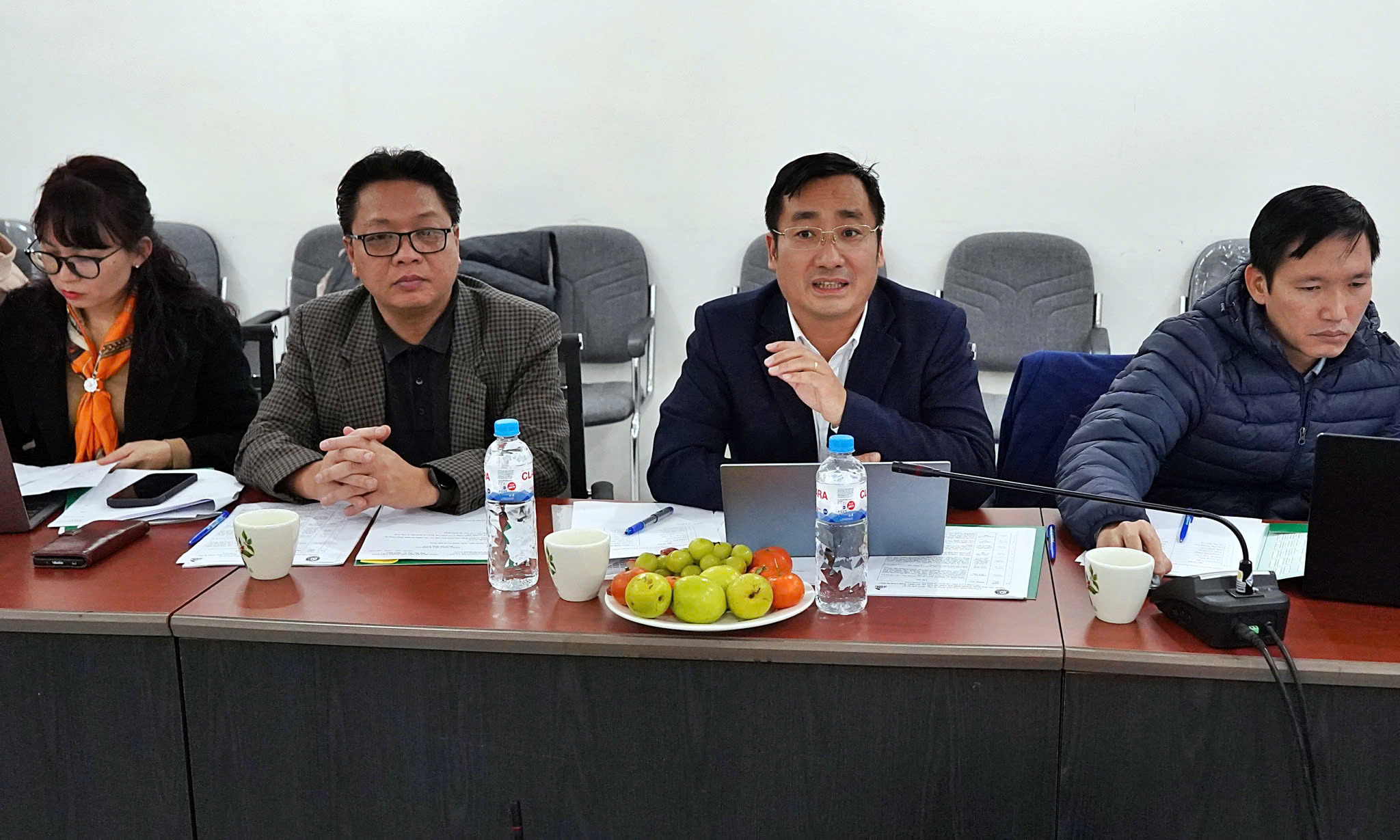
Assoc.Prof.Dr. Tran Manh Tri, The Chairman of the Council has summarized the opinions of experts and proposed that the North -Central Action Group Joint Stock Company completed the project dossier; building a clear basis, Specific specifications; Clarify the new and superior points of the product compared to other similar products on the market. Supplement farming technology process, Product production processing. Brand construction, Product commercial and development plan. He supported the idea of producing good products for health and committed to accompanying the company during the project implementation process. According to him, This project is completely feasible and in the near future, Cordyceps will be a valuable and familiar gift of the traveler, Easy to use when traveling as well as as gifts for the family, relatives.
Assoc.Prof.Dr. Tran Manh Tri, Chairman of the Council (rank 2 From right to) Summary of experts' opinions
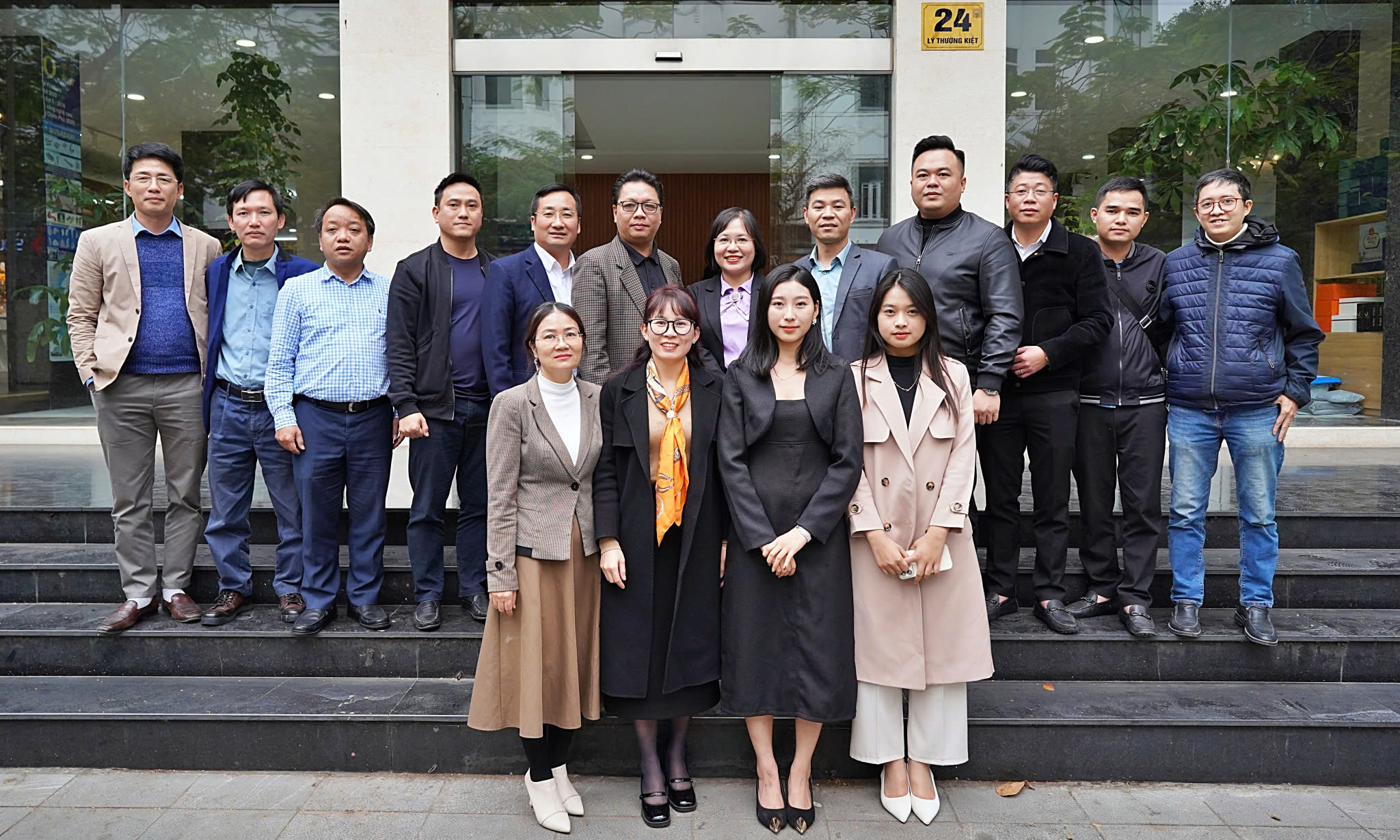
The Scientific Council is committed to accompanying the North -Central Academy Group Joint Stock Company in the project implementation process. Besides, Vietnam Institute of Technology Application and Agricultural Development VITAD-AGRI also proposed a long-term cooperation strategy with North Central South Travel Group Joint Stock Company in fields related to agriculture such as training courses on organic agricultural applications., Take people abroad to study agricultural engineering…
The Scientific Council is committed to accompanying the North -Central Academy Group Joint Stock Company to implement the project
Present, There is still no scientific evidence to confirm the use of genetically modified foods that are harmful to health. However, While genetically modified foods are still a controversial issue, genetic technology has brought satisfactory results in many other fields., In which fresh flowers are a typical example.
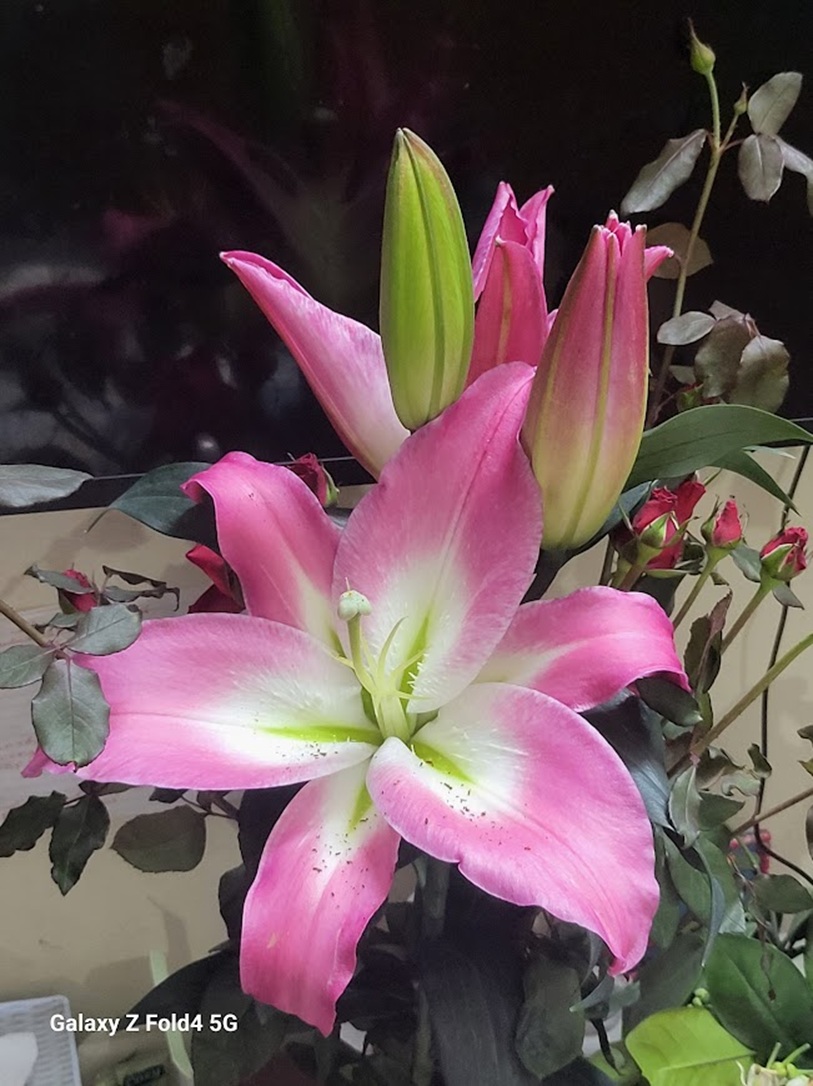
Ancient, ly (Lily) also known as Bach Hop, Hue Tay, The flower's English name is Lily, belongs to the Liliaceae family (Trumpet) There have been many places around the world, Including American countries, India, Japan, In the coming time, the EU will continue to be a potential rice export market for Vietnamese businesses, Vietnam, And most European countries. Nowadays, Lily flowers are one of the most popular flowers in Europe, Many families use this flower to decorate the house or plant in the garden. This is also the most popular flower in the world, Including Vietnam. Nowadays, Along with gene technology, Hoa Ly has made unique new changes in categories, Including changing the size of the flower. We can see Lily flowers with a wingspan of up to 30cm everywhere in Vietnam because Lily is easy to grow in all parts of our country..
Great lilies with wingspan up to 30cm
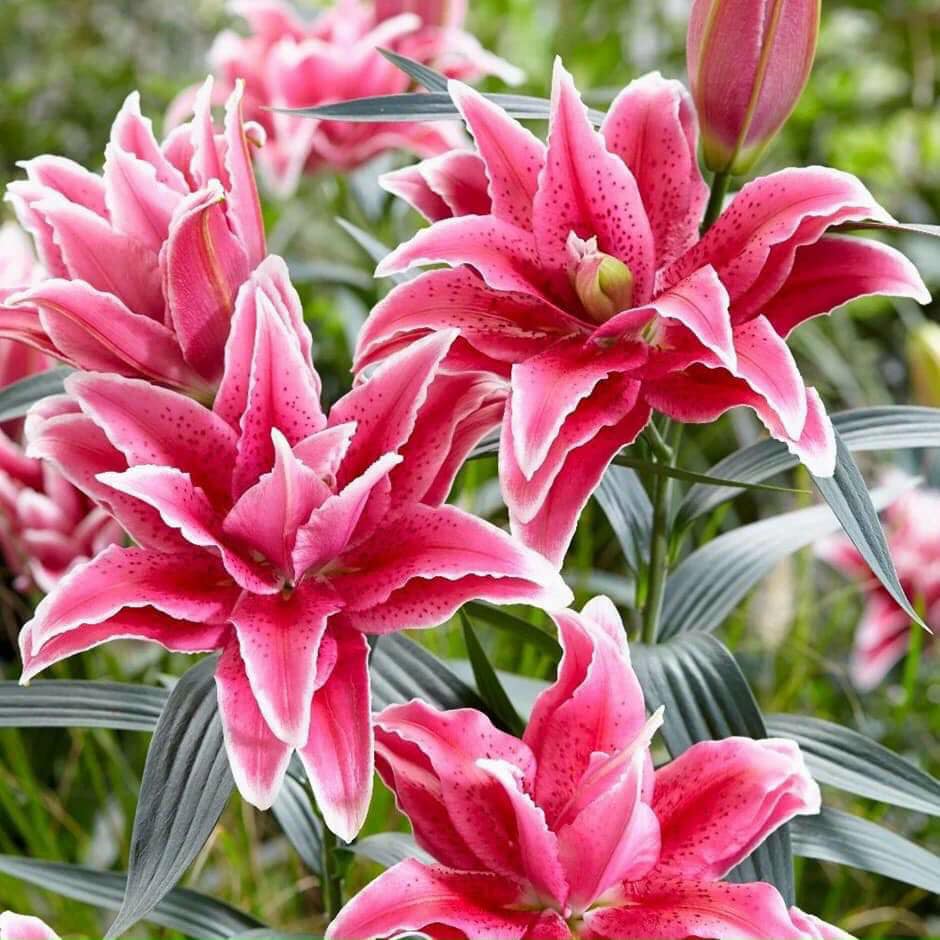
Recently, Genetic technology has helped Lily "wear a new shirt" called "double -litover" with two or three layers of petals. "Double Lites" is not as brilliant as traditional lily, It is not as big as "a great glass" above, But the inner depth of this favorite flower flower brings unique experiences. Of course, Along with time, Scientists will explore new genetic technologies, hybridize lily more inspired.
Lily double with many layers of petals
With roses - queen of flowers, Genetic technology also brings new breeze. If before, The black rose is only in the movie or fake flowers, Then today one can easily cultivate them. If you come to Dalat Flower Garden, You can see the true black roses, And it is… real flowers.
Dalat black rose
Blue roses are also an interesting feature of the world's most popular flower in addition to other colorful roses and colored roses like pink white, Hong Kem, pink, Orange yellow ...
Blue/purple roses
Genetic technology also makes thousands of flowers beautiful and beautiful, Even many people have to try to see if it is ... real flower. We will often meet somewhere on the strange flowers, Or are the ordinary flowers in the "new shirt" full of incense that scientists should, Those are things that no fake flowers can be replaced.
Academician Chu Huu Dung and Baidu developed “Farmers intelligent”, A assistant who helps to answer agriculture questions for farmers anytime, anywhere. This application promises to be an effective bridge between professional knowledge and production practice, Contribute to changing the face of the countryside.
The strong development of AI model asks questions about the application of this technology in life and production, Create practical value. The question of how anyone shows the superior ability in handling specific tasks, has been answered in China. The current, Many farmers in this country have applied well in farming.
Day 28/6, Actors Chu Huu Dung and Baidu have officially launched “Farmers intelligent”, The first AI products for agriculture, attract the attention of experts.
Academician Chu Huu Dung, dubbed “Farmers”, has been close 10 Year with Lan Thuong district, Prussian province, Yunnan, Help people escape poverty. However, The communication of knowledge, farming skills for tens of thousands of farmers while the time and strength are limited is a difficult problem.
AI's appearance has brought a solution to this problem. “Farmers intelligent” help “Take the academy into the phone”, Answering questions for farmers anytime, anywhere. This not only shows the power of AI model but also opens a valuable practical application.
Lan Thuong district, Located in the southwest of Yunnan province, Once a poor district with production conditions, harsh activities, barren land, often encounter natural disasters. However, Academician Chu Huu Dung realized the potential of this land with fertile soil and rainfall suitable for plants. He and the research team have searched for the right crop and decided to apply science and technology to reduce poverty to reduce poverty.
“Over 10 year research, We have successfully planted rice on dry soil, collectively called high quality wet rice on dry soil”. Academic of Chu Huu Dung and his group have deployed many local advanced agricultural techniques, Typically, high quality wet rice cultivation techniques on dry soil, Winter potato planting and growing ventricular ginseng under forest canopy. Especially, High quality wet rice cultivation techniques on dry soil have helped doubling rice yield, solve food problems for people.
“Help people have income, How good is self -control”. Academician Chu Huu Dung shared. He set up the academy's work station and “Tieu Vien Academy” At Hao Chi Ba village, Lan Thuong district, Organize professional training courses, arouse the passion of learning from farmers.
According to information from China Economic Net, Thanks to the guidance of the actress Chu Huu Dung, Truc Duong commune has changed significantly, The average income per capita increases from 3.410 Yuan Year 2015 up 13.228 Yuan Year 2023, Total rural economic income in the whole commune increased by 319%.
A resident of Van Son village, Truc Duong commune shared: “At first we did not believe, But then, Every house learns the technique, so the income increases. I want to learn from cultivation experience from the academy but he is too busy. I have to wait early at the door just to ask him about cultivation”.
Now, with “Academic”, People no longer have to struggle to search for the academician Chu Huu Dung.
Day 28/6/2024, VnSAT project helps farmers change farming methods “WAVE SUMMIT 2024 Deep Learning Developer Conference” Organized by the National Center for Deep Learning Engineering and Application Research, Academician Chu Huu Dung and his team with Baidu were officially launched “Farmers intelligent” – the first AI product for the agricultural sector.
The application is built based on a domestic AI model platform, simulate a question and answer conversation between Academician Chu Huu Dung and users. People can ask at any time about the conditions for growing wet rice on dry land, farming techniques, pest control…, “Farmers intelligent” will answer each question in detail.
“I want to ask when is the best time to grow wet rice on dry land?”, “What should we pay attention to when growing high-quality wet rice on dry land??”, “If high-quality wet rice on dry land is constantly affected by pests and diseases, what should we do??”.… “Hello, I am the intelligent assistant of Farmer Academician Chu Huu Dung. If high quality wet rice on dry land is constantly affected by pests and diseases, You can apply the following measures…”.
A resident of Van Son village, Truc Duong commune, Lan Thuong district, Pu'er province shared at WAVE SUMMIT: “Academician Chu Huu Dung seems to be in my phone, exactly like real people. Whatever we asked, he answered, It was like he was sitting next to me. First time using this app, I found it magical. Academician Chu Huu Dung's voice and image are very realistic, The answer is the same as usual. From now on, We can ask 'Academician Chu Huu Dung’ in your phone at any time!”.
The goal of artificial intelligence is simulation, Expand and develop human intelligence. “Farmers intelligent” is a prime example of expanding human intelligence, solve practical problems of people's lives.
Academician Chu Huu Dung said: “Agriculture is a permanent profession, Smart assistants are the best channel to convey knowledge and information. We want this app to benefit more people”. According to information, “Farmers intelligent” will be integrated on many platforms such as Van Tam Nhat Ngon application and website, Baidu Search, Baidu Baike. Users can search “Farmer Academician”, “Chu Huu Dung” or “Farmer Academician” for quick access to the application.
Can imagine, The development of specialized intelligent assistants will enable academicians and experts in many fields to apply to similar situations, creating enormous commercial and social value. The current, AI, represented by large language models, is promoting transformation and upgrading in many industries, Expanding the scope and depth of application in production.
Baidu Technology Director, Mr. Vuong Hai Phong, given that current AI technology, based on deep learning and large language models, has high applicability, At the same time, it possesses standardized characteristics, modularization and automation. Introducing AI into production and service industries will help effectively solve real problems in work and life..
You can follow more articles about other technology application fields in the series: China makes the world again “caught up” About technology application on the website: markettimes.vn
[VnSAT project helps farmers change farming methods] Rice production is facing many challenges from international market fluctuations, Climate conditions affecting farmers, According to Deputy Prime Minister Tran Hong Ha.
Information was raised by Deputy Prime Minister Tran Hong Ha in a meeting with leaders of the provinces, Western city on production management, Rice consumption takes place 7/3, In Can Tho City.
“Vietnam is currently the third -ranked country in the world in rice production and export, But are facing many challenges from international market fluctuations, Climate conditions”, Mr. Ha said and said that the farmer is facing many difficulties due to the sharp drop in rice prices, While still suffering many risks due to climate change and weather. According to him, job “the season is off, Get crop loss price” For farmers, Especially rice growers have become a familiar story.
The Deputy Prime Minister acknowledged that this is a problem that lasts many years. If there is no effective solution, The risk of farmers leaving their fields. Therefore, the State needs solutions like tools, policy, like price adjustment, Supply credit… timely support to protect the rights of farmers. The, Related industry clearly evaluated, Specifically the main import markets of Vietnamese rice as well as competitors, Closely coordinate to implement the solution.
In the long term, The Deputy Prime Minister instructed to build a comprehensive database system in the field of rice. This system will integrate information from many stages: manufacturing, science and technology, process, preservation, market and forecast… With the goal of providing timely and accurate information to related parties, From farmers to businesses and management agencies…
For rice export management, The Deputy Prime Minister proposed to amend the Decree 107/2018 Government with important adjustments. Whereby, Businesses that want to be licensed must meet strict criteria, Including production association capacity, Warehouse system and financial capacity…
In order to support agricultural enterprises, The Deputy Prime Minister asked the State Bank to consider the application of preferential loan policy similar to social housing loans. At the same time, He proposed income tax exemption for agriculture in two years, In order to create conditions for businesses to invest, develop. The Ministry of Agriculture and Environment coordinates with the Ministry of Science and Technology to develop a strategy to prevent other countries illegally using Vietnamese rice brands.
Harvest rice in Can Tho. Image: An Binh
According to reports of the Ministry of Agriculture and Environment, In the first two months of the year 2025, Vietnam export rice reaches 1,1 million tons, increase 5,9% compared to the same period last year. However, The value of the turnover is only achieved 613 million dollars, reduction 13,6%. The average export rice price decreases deep, about turnover 553,6 USD per ton, lower 18,3% over the same period in the year 2024. Early month 3, Export rice price continues to drop sharply, only: 310-367 USD per ton. Large markets like the Philippines, Ivory Coast and Ghana are still the main customers of Vietnamese rice, But the purchasing power is not as vibrant as before.
Rice price decreased due to the rising world supply, Import demand decline and especially India's lifting of rice export ban, Pushing a large amount of rice to the international market…
In order to ensure stability of rice production and consumption in the context of complicated weather and markets, The Ministry of Agriculture and Environment proposed localities to stick to the seasonal calendar, Speed up the harvest progress of the winter -spring crop, Especially in coastal areas at high risk of salinity. The ministry will coordinate with relevant industries to closely monitor the fluctuations of the world rice market, timely information for businesses and farmers to adjust production and consumption appropriately.
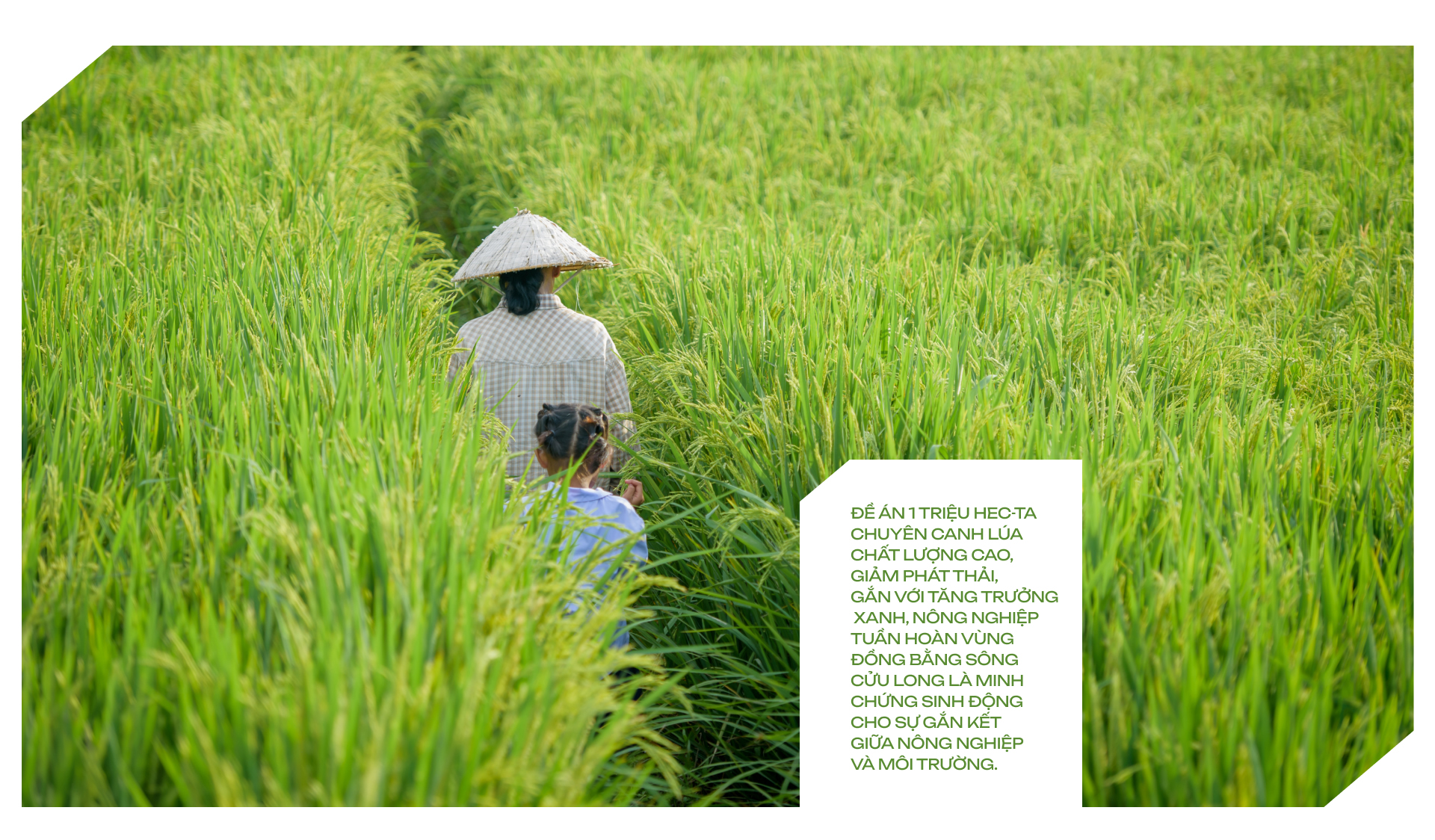
In the long term, The Ministry of Agriculture and Environment continues to promote the implementation of the Sustainable Development Project of one million hectares of high quality rice, Low emissions associated with green growth in the Mekong Delta…
Forecast by the Vietnam Food Association, Vietnam's rice export year 2025 will have difficulty, can only be achieved 7,5 million tons, decrease compared to a record level 9 Trieu ton year 2024.
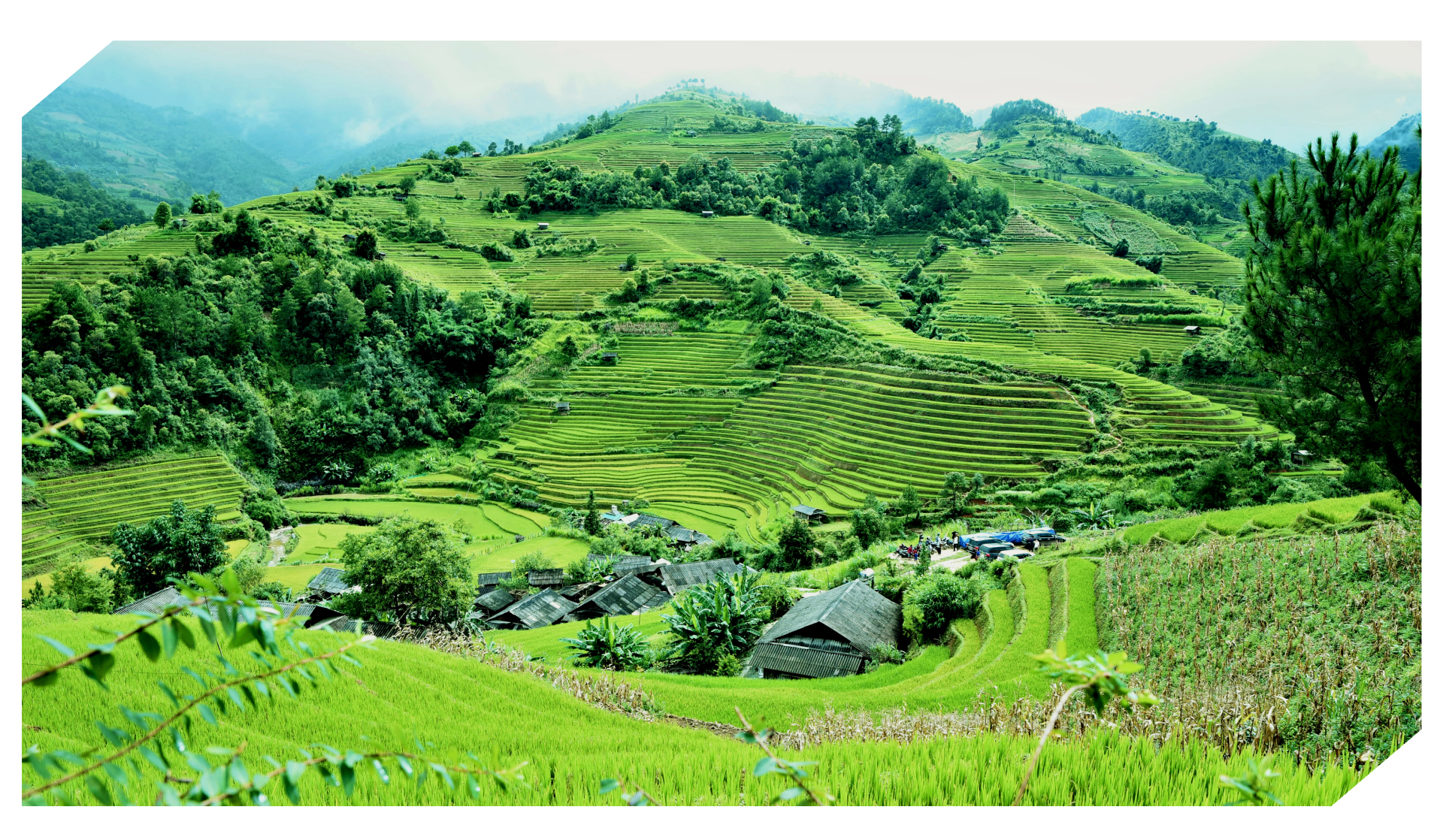
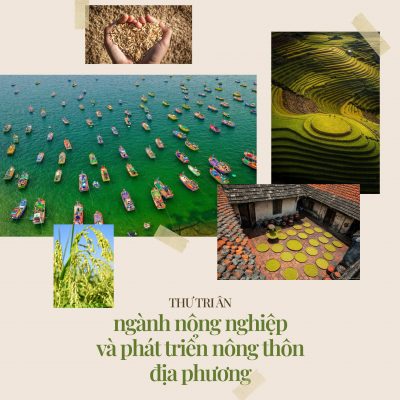
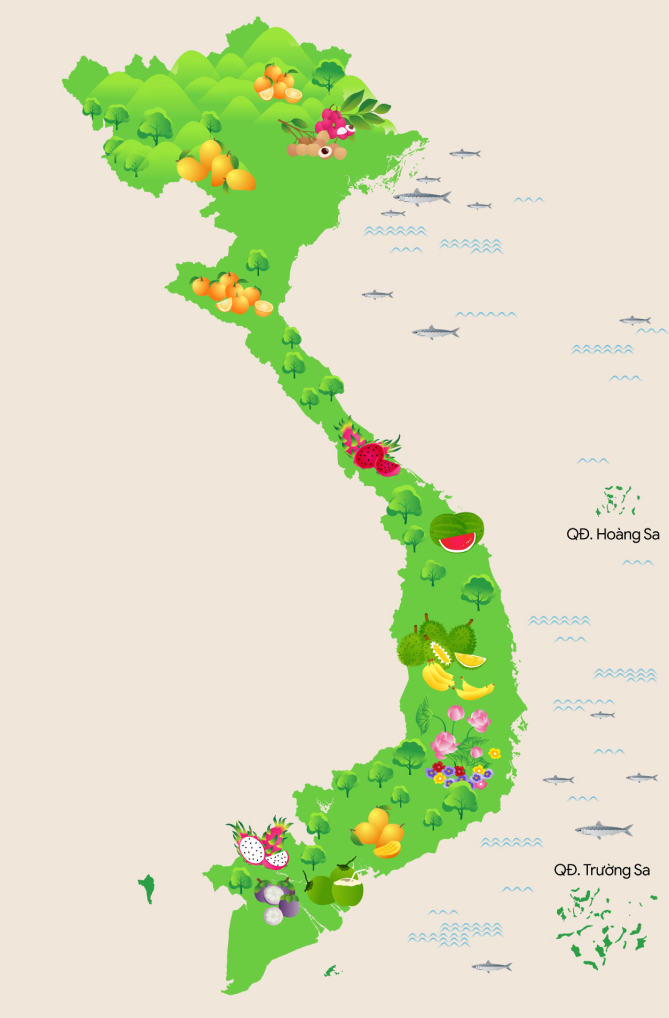
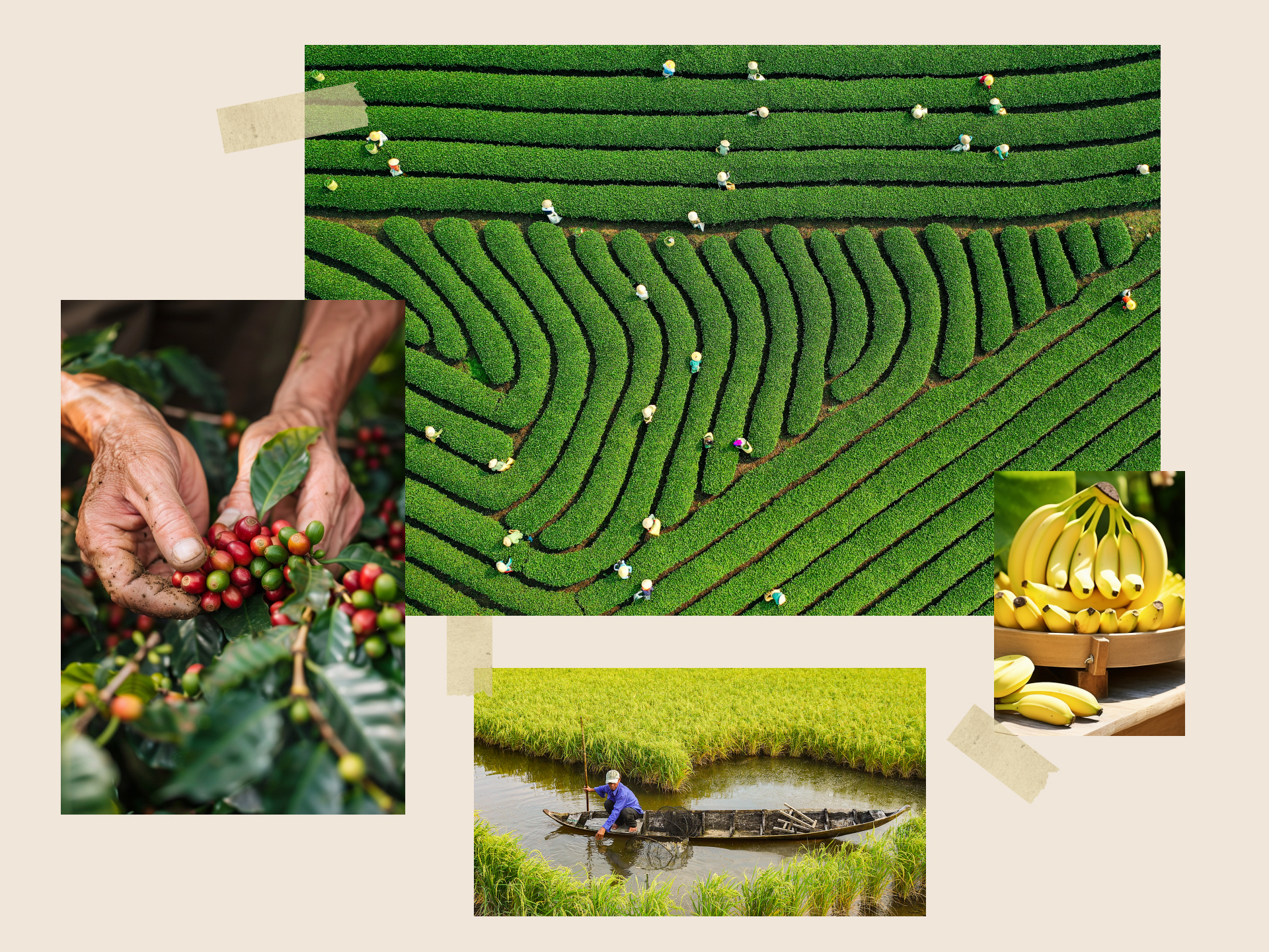
Our country – S-shaped strip of land “Tam Son, Tu Hai, The best part ” – Everywhere, the footprints of agricultural people. I went through the vast western rice fields, The gardens of the Southeast Fruit, The vast coffee fields on the basalt red plateau, The green tea hills are thousands of northwestern, cinnamon, The forest is concentrated in the middle of the midland, Go to the precarious fishing villages in the middle of the sea, The terraced fields winding on high mountains. Every place I go, I see a long -time agriculture in Vietnam – Where the sweat of the people is small to the ground, Then germinate into a bumper crop.
I still remember the days with people and local officials smiling when the agricultural product was priced, When the first exports reached the world.
I still remember the concerns of the cultivated staff, Breeding when drought, Saline intrusion threatens the field, When diseases on crops, livestock, When witnessing people have to pour the batch of fish, When white shrimp ponds because of disease.
I still remember long nights without sleep between Covid-19 epidemic, When agricultural containers are congested at the border gate, When the export market suddenly froze, When the farmer is at risk of losing crops.
I still remember the days with you to cope with the storm Yagi, When the gardens are knocked down, When the ships return to empty hands, When every news of the loss of loss from all over the world makes us unable to take a nap.
I still remember the forest rangers who forgot to sleep, rushing into the evil flame to protect the green of the country. And there were people who fell, To let the forests forever be green.
But I also miss a lot of fun days – When people overcome saline drought, When the cultivation model, Ecological livestock bloom, when for the first time farmers understood that farming was not just for fun “making products ”, which is to “What to doon ".
We have moved together from agricultural production to agricultural economic thinking, From unit growth to multi -value growth. The seemingly strange models, Now has become a sustainable development model. Paddy – clapper, paddy – shrimp, paddy – fish, paddy – duck, The models are both environmentally friendly, Just raise income. Thuan Thien Agriculture, Ecological Agriculture, Circulating agriculture, organic agriculture, Agriculture Tourism, Smart Agriculture – The terms that were previously strange – Now deeply ingrained in the thinking of Vietnamese farmers.
And above all, We have put the foundation together for a humanistic agriculture, Where farmers not only master the land, but also owns your life.
Four years, Let's sow each seed together. There are seeds that have germinated green, There are young buds rising strongly, But many seeds are still lying still under the soil layer, Wait for the branch, flower. But I believe, If we continue to take care of, Then the tree will be big, Flowers will bloom, The fruit will be sweet. Because, As my father once said: “Only the landlord, But the land never betrays people.". And above all, We all live fully every day, With the best possible, With all enthusiasm, Responsibility and love for the country's agriculture.
Today, When leaving the position of Minister, I don't see this as a farewell, Which is an appointment to see again – In the fields, Beside the gardens, Where fishing vessels are still rising day and night.
Thank you to my durable farmers. Thank you colleagues, The companions do not mind the difficult time.
Someone once said: “Want to go fast, hãHe went alone. Want to go away, hãY Đi witheach other". And I believe, We went together together. But the road ahead is still long, And I will always accompany, Follow the steps of Vietnam's agriculture and environment.
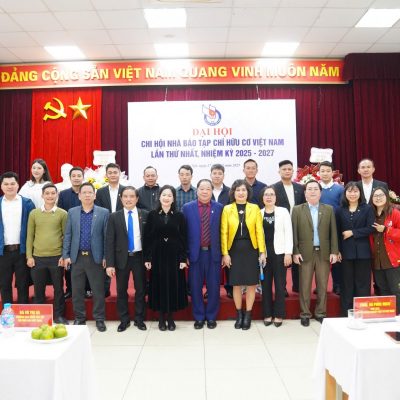
Day 27/2, The Association of Journalists of Vietnam Organic Magazine organized the Association Congress, Summarize the term and set the development orientation. The congress emphasized the role of journalism in organic agriculture, Proposing solutions to improve quality, Digital transformation and cooperation expansion, towards the modern journalism, effective.
Day 27/2, At Hanoi, The Association of Journalists of Vietnam Organic Magazine organized the Association Congress, Summary of the last term and set the mission direction in the coming time. The congress was attended by a large number of members, journalists and guests, Including Ms. Vu Thi Ha – Member of Executive Committee of Vietnam Journalists Association, Head of the Vietnam Journalists' Association; Dr. Ha Phuc Mi – Party cell secretary, Chairman of Vietnam Organic Agriculture Association; Ms. Dinh Thi Thu Trang – Deputy Secretary of the Party cell, Deputy Chief of Office of Vietnam Organic Agriculture Association. The congress focused on discussing the development orientation of the press in the context of digital transformation and integration.
Mr. Do Ngoc Thi, Deputy Editor -in -chief in charge of Vietnam Organic Magazine spoke at the Congress – Image: Cable.
Mr. Do Ngoc Thi, Deputy Editor -in -chief in charge of Vietnam Organic Magazine has shown an important role of the press in accurately reflecting, Objective of the development of organic agriculture and guidelines, State policy. He affirmed, In the current context, The press needs to adapt to the rapid change of technology, Take advantage of digital platforms to improve communication efficiency and connect with readers. At the same time, He also proposed a number of solutions to improve the quality of content and enhance the intensive of the articles.
Ms. Vu Thi Ha – Member of Executive Committee of Vietnam Journalists Association, The Association's head of the Association emphasizes the role of the press in propagating about organic agriculture – Image: Cable.
The congress has also summarized the last term. The report clearly states the achievements achieved in improving the quality of content, Expand the scope of the magazine and increase connection with readers. During the term, Vietnam Organic Magazine has made significant steps in improving the content, Build a team of professional reporters and expand the network of collaborators. Intensive articles, Analysis of organic agricultural development trends has attracted the attention of a large number of readers, Affirm the position of the magazine in the specialized journalism system.
Besides that, The summary report also emphasizes the challenges that the magazine is facing. The rapid development of electronic press and social networks has made printed magazines difficult to maintain readers. Vietnam Organic Magazine must find ways to innovate form, Applying modern technology to better reach the public. Besides, Financial problems are also a big challenge when the revenue from advertising, Communication cooperation is limited, requires flexibility in the press economic development strategy.
Dr. Ha Phuc Mi – Party cell secretary, Chairman of Vietnam Organic Agriculture Association emphasized the close connection between the press and the development of the organic agriculture sector – Image: Cable.
To deal with these difficulties, The report proposes a number of key solutions such as continuing to improve the quality of content, Development of electronic magazine parallel with printed magazine, Investing in digitalization and strengthening cooperation with domestic and foreign organizations to expand the scope of approach., Mr. Le Truong Giang presented a presentation about the relationship between the operation of the magazine and the development of the Journalist Association. He emphasized that the Journalist Association not only plays the role of connecting members but also a supporting foundation to improve the quality of the press.. He proposed to strengthen professional activities, organize professional training sessions and expand cooperation with other press organizations to exchange experiences. He also emphasized that the press is not only an information channel but also a bridge between the business, Scientists and farmers, contribute to promoting effective organic agriculture development.
Continuing the program, Mr. Nguyen Vinh Thang, presented the presentation on the topic "Technology press and its support role". He emphasized that the development of technology press is creating major changes in public access habits.. The application of digital data, Using mobile platforms and social networks is becoming an indispensable trend. He also proposed to retrain skills for journalists, Help them use technology more effectively in their operations, At the same time, focus on verifying information to ensure accuracy and transparency.
Mr. Le Truong Giang presented a presentation on the relationship between the operation of the magazine and the Journalist Association – Image: Cable
Speaking at the Congress, Ms. Vu Thi Ha – Member of Executive Committee of Vietnam Journalists Association, The Association's head of the Association emphasizes the role of the press in propagating about organic agriculture, At the same time, propose to strengthen professional training and support members to adapt to modern journalism trends. She affirmed the training, Updating new knowledge will help improve the quality of the team of in -depth journalists in this field.
Ms. Vu Thi Ha also acknowledged the efforts of the Journalists' Association in the past year, With many practical classes, Meet the needs of members. Especially, She expressed her confidence in the outstanding steps of Vietnam Organic Magazine, Under the leadership and support of the Association, Commitment to organize journalism objectively, publicity and transparency, effective. She emphasized the attention and facilitation of the Vietnam Organic Agriculture Association for the magazine, Especially in the current context. Ms. Vu Thi Ha suggested that the magazine should continue to seriously implement the press law and 10 What provisions on professional ethics of Vietnamese journalists, To promote your role well in information and public opinion orientation.
Dr. Ha Phuc Mi – Party cell secretary, Chairman of Vietnam Organic Agriculture Association, There is also an important speech, emphasize the close link between the press and the development of the organic agriculture industry. He believes that the press needs to play a role not only as an information channel but also as a bridge to promote organic agricultural policies and markets in Vietnam., contributing to raising awareness of people and businesses about this field. The report clearly states the achievements achieved in improving the quality of content, Expand the scope of the magazine and increase connection with readers. In the past, Vietnam Organic Magazine has made significant steps in improving the content, Build a team of professional reporters and expand the network of collaborators. Intensive articles, Analysis of organic agricultural development trends has attracted the attention of a large number of readers, Affirm the position of the magazine in the specialized journalism system.
Mr. Nguyen Vinh Thang, presented a discussion on the topic: Practical activities and development of "technology journalism" in member support work – Image: Cable.
The Congress agreed on operational directions for the next term, including promoting digital transformation, Improve content quality and expand cooperation networks to improve the effectiveness of journalistic activities. With the consensus of the members, Vietnam Organic Magazine Journalists Association promises to continue to grow strongly, Actively contribute to journalism and organic agriculture in Vietnam.
Ms. Vu Thi Ha – Member of the Executive Committee of the Vietnam Journalists Association and Mr. Ta Huu Thuat – Experts of the Vietnam Journalists Association presented flowers to the Congress – Image: Cable
At the congress, the Secretary of the Organic Agriculture Magazine Journalist Association was elected, to ensure effective leadership and administration in the new term. Mr. Do Ngoc Thi and Ms. Vu Thi Hoa were elected to the Secretariat of the Vietnam Organic Magazine Journalists' Association. The new Secretariat is expected to continue to promote its connecting role, Support members in professional activities, Improve the quality of journalistic works and expand cooperation with relevant units.
On this occasion, members were awarded the Vietnam Journalists Association Badge. This is not only an important encouragement but also an encouragement for the team of journalists who are members of the Organic Magazine Journalists Association to continue their efforts., creation, Continuously improve information quality, contributing to the development of modern journalism and developing organic agriculture more effectively in the coming time.
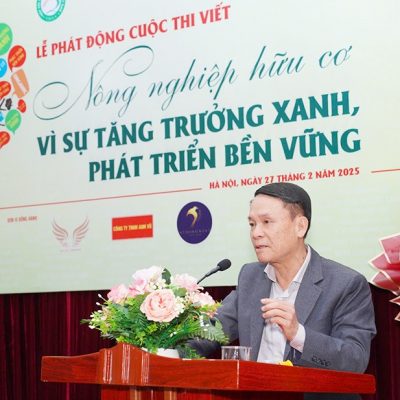
Bright 27/2/2025, At Hanoi, Vietnam Organic Magazine held a ceremony to launch the writing contest "Organic Agriculture – For green growth, Sustainable development ”.
Implementing the Resolution of the 13th National Congress of the Communist Party of Vietnam (XIII Congress) term 2021-2026. At the same time, Strengthen propaganda, Raising awareness creates a strong spread to people across the country in green agriculture, organic agriculture. Within the framework of the Asian Organic Conference 8 In Vietnam, organized by the Vietnam Association of Organic Agriculture, the first time in Vietnam (held in Ninh Binh). Vietnam Organic Agriculture Association agreed to assign Vietnam Organic Magazine/Vietnam Organic Agriculture e-magazine to organize the Launching Ceremony. Writing contest“Organic agriculture – For green growth, Sustainable development ” year 2025 (⇒ Rules).
Writing contest“Organic agriculture – For green growth, Sustainable development ” launched, receive contest entries from 27/2 – 30/8/2025 and publication organization, Awarded in the month 9 year 2025.
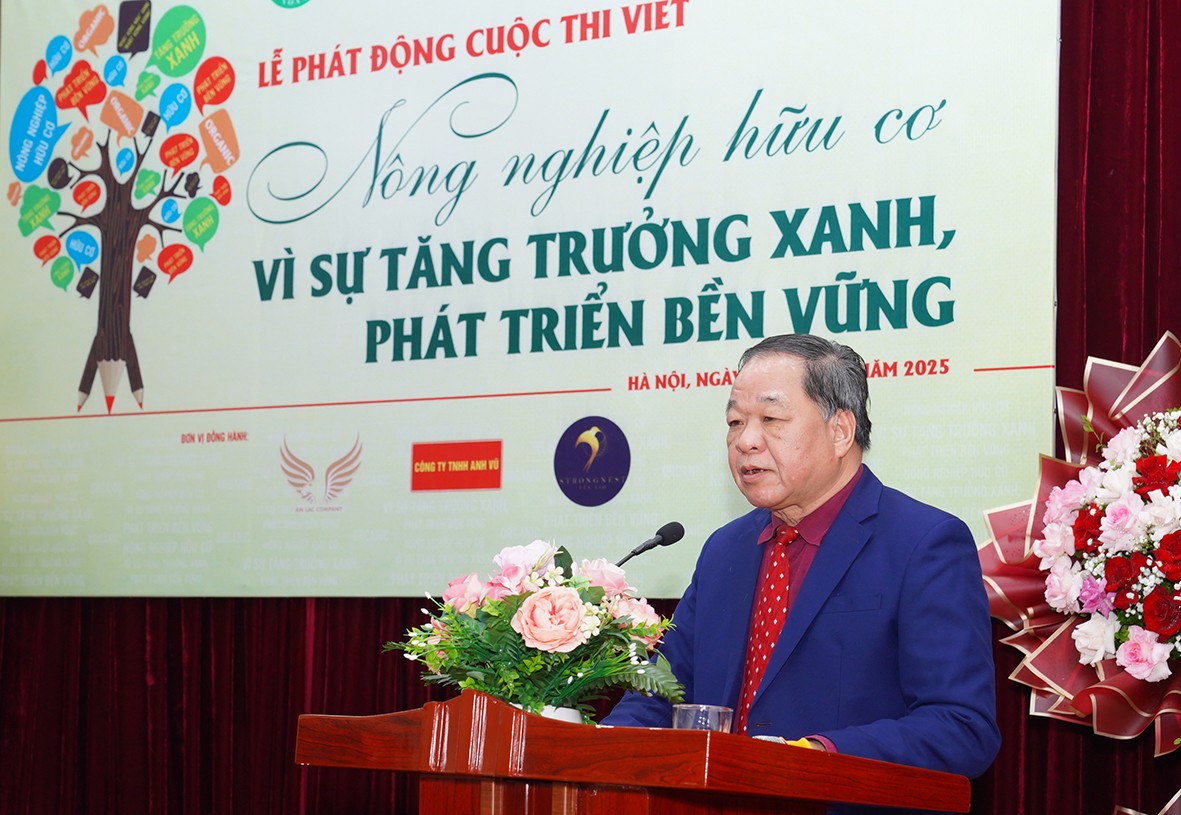
Dr.Kh. Ha Phuc Mich, Chairman of Vietnam Organic Agriculture Association, The Chairman of the Examination Council for writing the "Organic Agriculture – For green growth, Sustainable development ”year 2025.
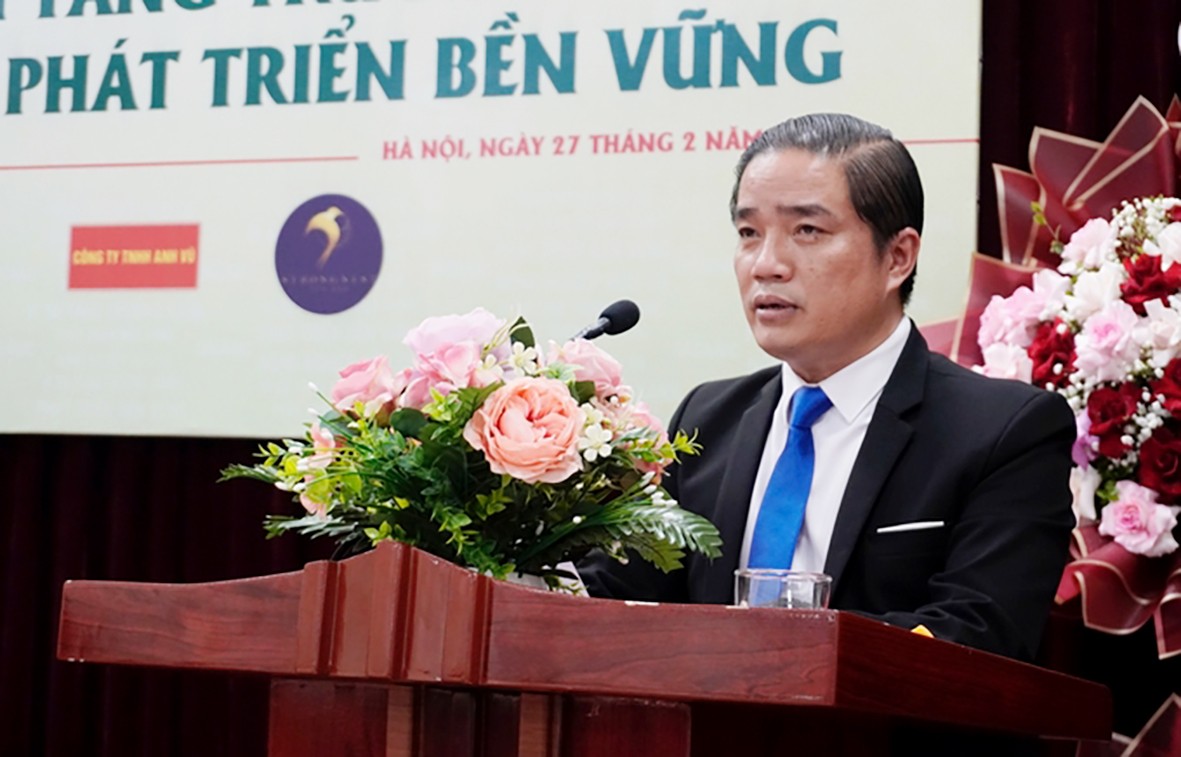
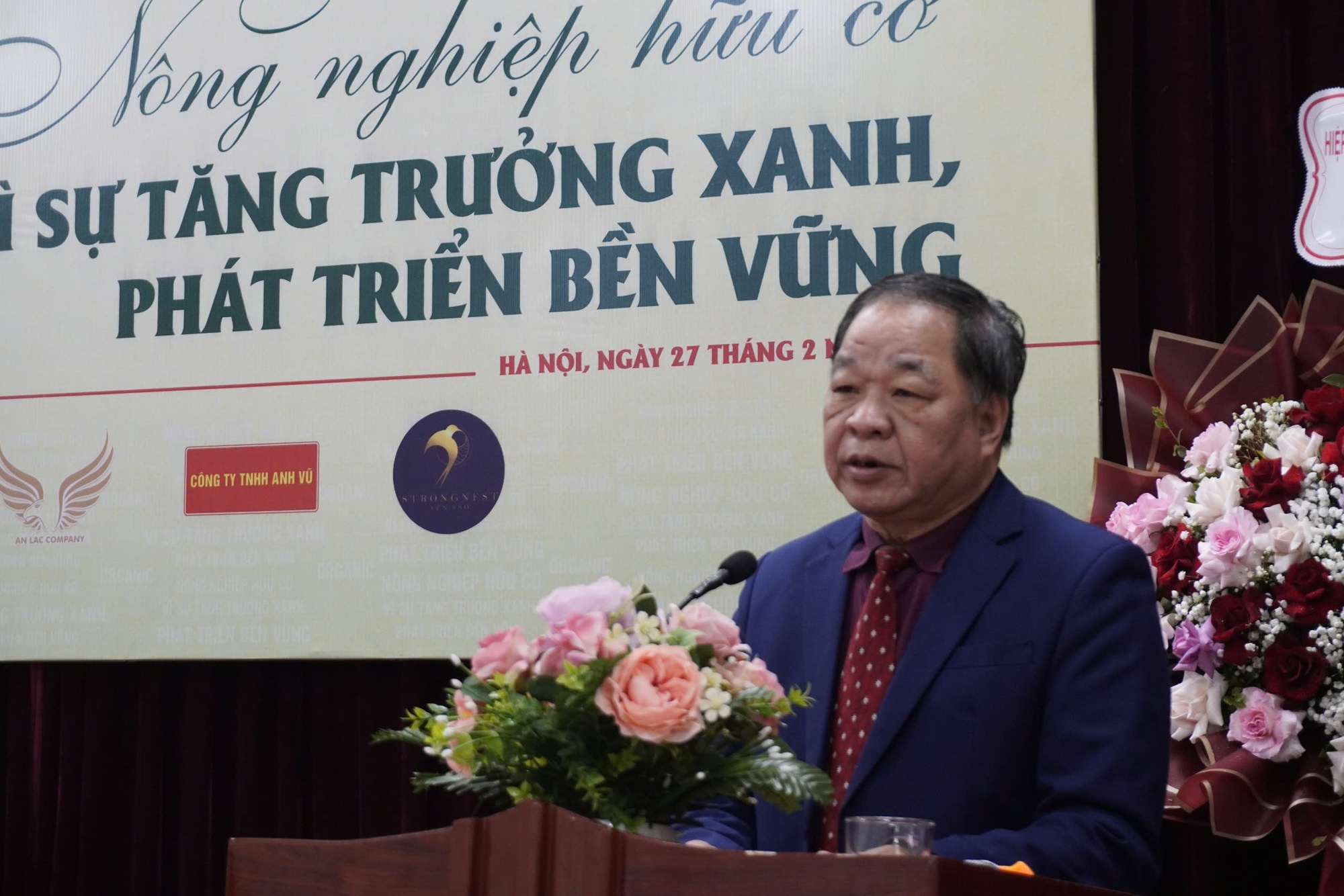
Dr. Ha Phuc Mich, Chairman of Vietnam Organic Agriculture Association, The Chairman of the Examination Council for writing the "Organic Agriculture – For green growth, Sustainable development ”year 2025 share, Writing contest "Organic Agriculture – For green growth, Sustainable development ”is an opportunity for the author to share ideas, Experience and creative solutions in organic agriculture development.
“The organizers want to receive quality posts, Reflect the real situation and propose new directions, Contribute to promoting organic agriculture to develop stronger”, Chairman of Vietnam Organic Agricultural Association expressed hope.
Press products are the works on the Party's policies and guidelines, Government, Local development of green agriculture, organic agriculture. The focus is: Improve the role, position, Capacity to master, Improve material life, The spirit of the people, enterprise, Cooperative ... participating in developing green agriculture, Effective organic agriculture, Sustainable in the direction of ecological, Advanced science and technology application, improve quality, Product value, Business brand. Propaganda to raise consumer awareness, Applying and supporting organic agricultural products. At the same time, Improve the role, Responsibilities of local authorities in developing organic agriculture.
Press works on effective agricultural development, lasting, Multi -value integration, improve competitiveness, Join the value chain of value, Green agriculture, Organic circulation, Protect the ecological environment, Application of science and technology, digital conversion, International integration, associated with agricultural development project, economy – society, defense, local security.
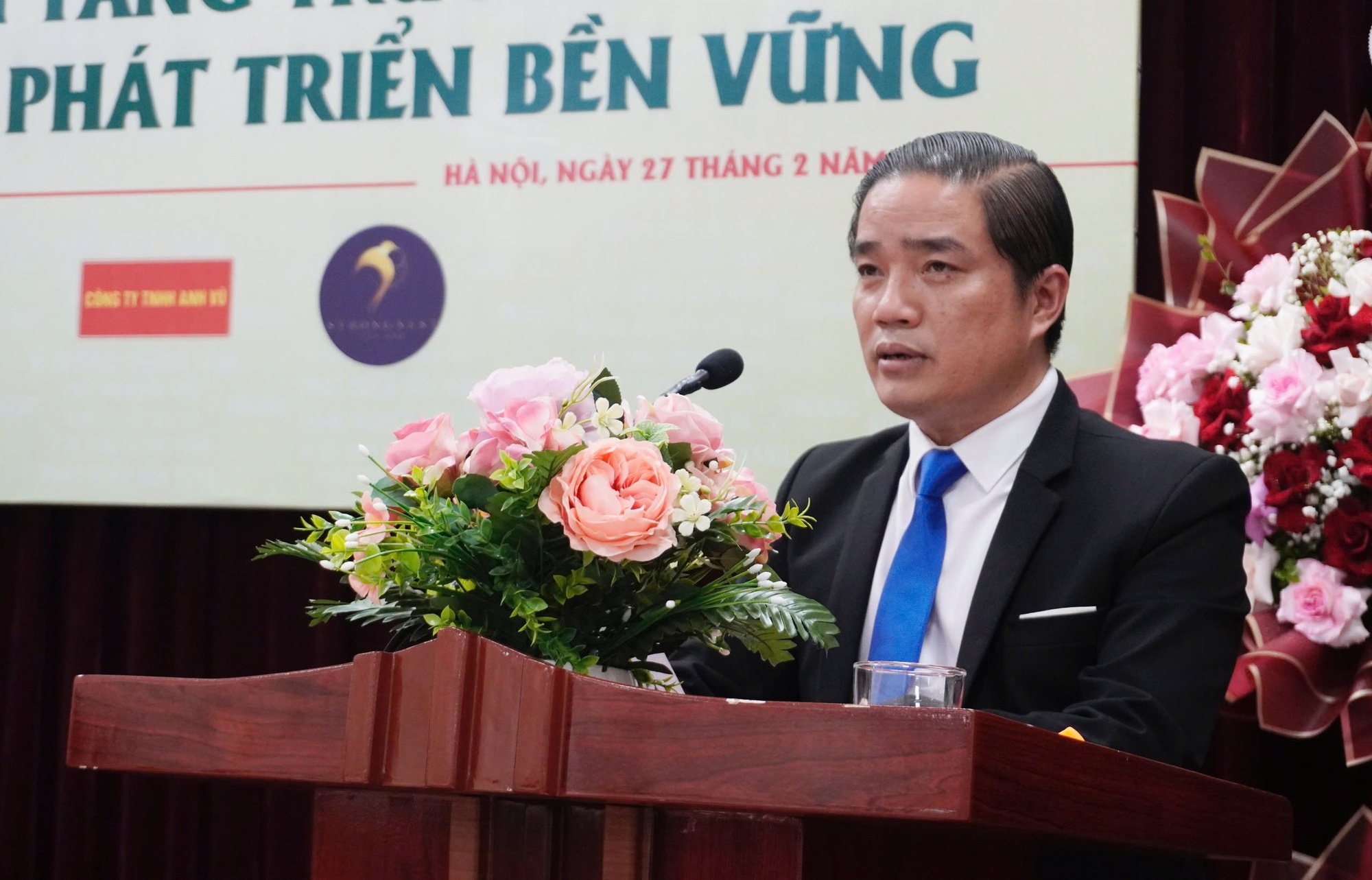
Journalist Do Ngoc Thi, Deputy Editor -in -chief in charge of Vietnam Organic Magazine, Head of the Organizing Committee of the contest "Organic Agriculture – For green growth, Sustainable development ”year 2025.
Journalist Do Ngoc Thi, Deputy Editor -in -chief in charge of Vietnam Organic Magazine, Head of the contest organizer said: This is an important event, In order to encourage the attention and contribution of the community to the development of organic agriculture, Towards a green and sustainable economy. Organic agriculture is not just a farming method, but also a philosophy of life, Respect for nature and protect human health. The application of organic agriculture helps minimize the use of chemicals, Environmental protection and biodiversity, At the same time provide safe products for consumers.
Through the works of press types about localities, there are new directions in the agricultural restructuring, economic restructuring in organic agricultural development, Cooperatives, Businesses have good ways, Innovation to innovate production methods, Business in organic agriculture.
The press works propagate about the example of typical individuals, enterprise, Extremely dynamic businessman, Innovation in the market mechanism, dare to think, dare to do, effectively exploit the capital sources, labor, Land ... proactive, Take the lead in the application of science and technology, New technology, technology 4.0 associated with digital conversion, Apply technical advances to production, Business achieved productivity, quality, effective, High economy in organic agriculture development.
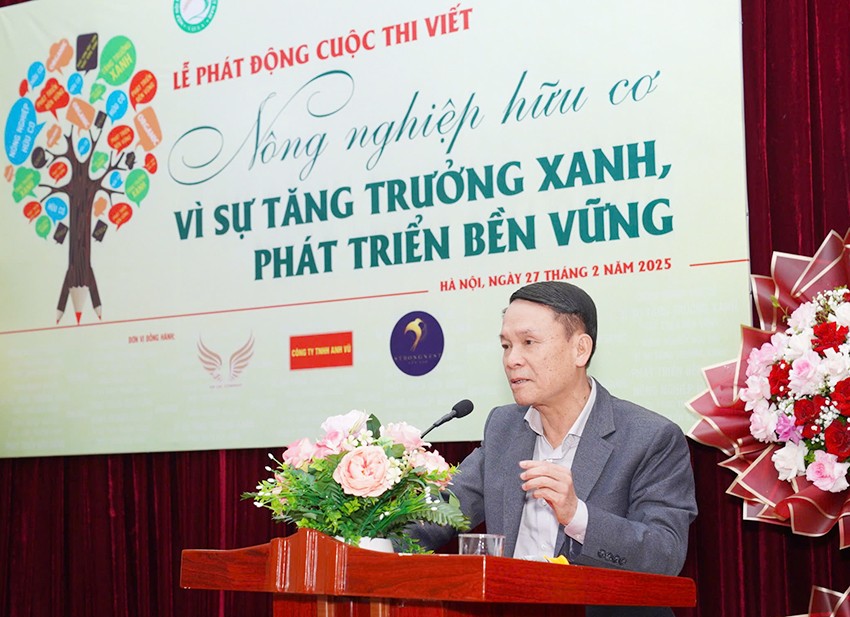
Mr. Nguyen Duc Loi, Standing Vice Chairman of Vietnam Journalists Association, Vice Chairman of the Council of the writing contest "Organic Agriculture – For green growth, Sustainable development ”year 2025.
Mr. Nguyen Duc Loi, Permanent Vice Chairman of the Vietnam Journalists Association highly appreciated that the Organic Agriculture Association has directed and assigned responsibility to the Journal of Organic Agriculture to organize the contest.
“This is a written contest about a corner in agriculture and economic sector, one content, The owner is topical in accordance with the policies of the Party and the State, At the same time, it is also suitable for the international trend, Mr. Nguyen Duc Loi added.
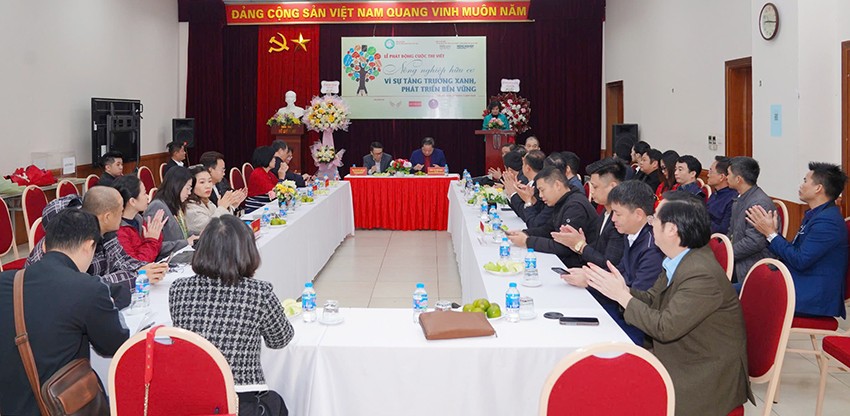
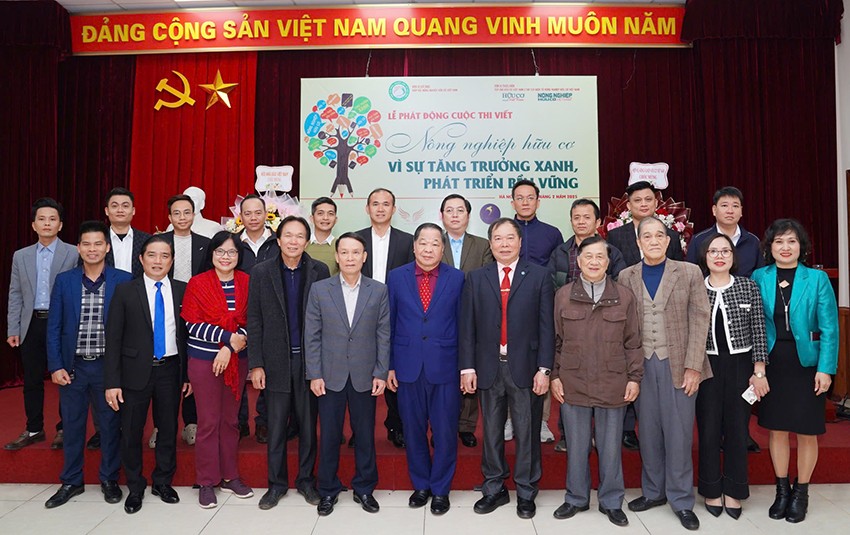
Overview of the launching ceremony of the writing contest "Organic Agriculture – For green growth, Sustainable development ”year 2025.
Writing contest "Organic Agriculture – For green growth, Sustainable development ” year 2025 A chance the author shared ideas, Experience and creative solutions in organic agriculture development. The organizers want to receive quality posts, Reflect the real situation and propose new directions, Contribute to promoting organic agriculture to develop stronger.
(Chinhphu.vn) – Day 27/2, Vietnam Organic Agriculture Association, Vietnam Organic Magazine held a ceremony to launch a writing contest with the theme “Organic Agriculture – For green growth, Sustainable Development”. The event aims to spread the message of a green agriculture, clean, associated with the sustainable development goals that the Party and the State are aiming for.
Dr. Ha Phuc Mich, Chairman of Vietnam Organic Agriculture Association – Photo VGP/Do Huong
The competition is held in the context of implementing the Resolution of the 13th Congress of the Communist Party of Vietnam (term 2021-2026), At the same time, in response to the Asian organic conference 8 hosted by the Vietnam Organic Agriculture Association in Ninh Binh. This is the first time Vietnam has organized this important international event, Open the opportunity to affirm the role of organic agriculture in economic development strategy – society.
Dr. Ha Phuc Mich, Chairman of Vietnam Organic Agriculture Association shared, Writing contest “Organic Agriculture – For green growth, Sustainable Development” is an opportunity for the author to share ideas, Experience and creative solutions in organic agriculture development.
“The organizers want to receive quality posts, Reflect the real situation and propose new directions, Contribute to promoting organic agriculture to develop stronger”, Chairman of Vietnam Organic Agricultural Association expressed hope.
Mr. Nguyen Duc Loi, Permanent Vice Chairman of the Vietnam Journalists Association highly appreciated that the Organic Agriculture Association has directed and assigned responsibility to the Journal of Organic Agriculture to organize the contest.
“This is a written competition about a niche in agriculture and economic sector, one content, The owner is topical in accordance with the policies of the Party and the State, At the same time, it is also suitable for the international trend, Mr. Loi added.
The competition officially received the work from the date 27/2 until the end of the day 30/8/2025. The announcement and award ceremony is expected to take place in the month 9/2025. Participants should focus on guidelines, Party policy, Governments and localities on green agricultural development, Organic. Inside, The focus is to improve the role, The capacity of the people, enterprise, Cooperatives in building an ecological agriculture, Advanced technology application, Improve product quality and environmental protection. At the same time, The works need to highlight the responsibility of the local government in promoting this model.
Journalist Do Ngoc Thi, Deputy Editor -in -chief in charge of Vietnam Organic Magazine, Head of the contest organizer – Photo VGP/Do Huong
Not just at the policy, The contest encourages articles to reflect practice, Like effective organic agricultural models, Multi -value integration, Join the global production chain, Digital and technology conversion application 4.0. Stories about localities pioneering agricultural restructuring, Businesses, Cooperative innovation in production, Business is also the expected content. Especially, The organizers expect to receive articles to honor typical examples - individuals, Entrepreneur dare to think, dare to do, effectively exploit resources, Apply science and technology to achieve high productivity, Contributing to affirm the Vietnamese organic agricultural brand.
Journalist Do Ngoc Thi, Deputy Editor -in -chief in charge of Vietnam Organic Magazine, Head of the contest organizer, share: “This is an opportunity for the community to join hands to promote organic agriculture, towards a green economy, lasting. Organic agriculture is not only a farming method but also a philosophy of life, honor natural values, protect human health and the living environment. We hope that the submitted works will bring authentic perspectives, profound, At the same time, propose practical solutions for organic agriculture to develop more strongly.”
According to the rules, Entries must clearly state author information (full name, pseudonym if any, address, phone number). The case is a collective work, Must list complete information for each member. Each author or group of authors can submit multiple articles, per post max 1.500 from, accompanied by illustrations. Articles must be typed or handwritten clearly on one side of paper. Contest entries are sent to Vietnam Organic Magazine (Room 806, floor 8, City Palace of Knowledge. Hanoi, number 1 Ton That Thuyet, Cau Giay, Hanoi) or via email: toasoan@tapchihuucovietnam.vn. Contact hotline: 024.3333.3833.
The contest is not just an opportunity for journalists, Professional and non-professional writers share ideas, experience but also an opportunity for the community to become more aware of the importance of organic agriculture. With message “For green growth, Sustainable Development”, The organizers hope the event will make a strong impression, contributing to bringing Vietnam's organic agriculture far on the world map.
Arabica Honeson is famous for many fruits like plums, butter, cam, Label ... but according to Ms. Tong Thi Mai – Chairman of Phieng Tam High -tech Agricultural Service Cooperative, nest 3, The income is income from these fruits that are far behind the income from coffee.
Meeting on the implementation of the Café Hone Café Hone Project
The begin of the year 2025, At the meeting room 102, number 24 Ly Thuong Kiet, Hoan Kiem, Hanoi, Vietnam Institute of Agricultural Technology Application and Development (VITAD-AGRI) solemnly welcomed the delegation of Cooperative Cooperatives of Phieng Tam High -tech Agricultural Services, copy, Son La came to work on the project of implementing the local Café Hone Café Project. Attending the meeting were Mr. Pham The Quoc, The person who is considered a pioneer in bringing lychee to the Central Highlands achieved satisfactory results; Dr. Le Duc Tho, National Department of Science and Technology Information (Science and technology), Technical training expert.
Here, Ms. Tong Thi Mai, on behalf of the Cooperative of Phieng Tam High -tech Agricultural Service, introduced the type of coffee that the cooperative has planted, Harvesting and processing finished products, Expected registration of Arabica Hone trademark. This is a coffee originating from Germany, has a rich essence, A pleasant aroma, popular with Son La people, create jobs for many people and income higher than other plants, Accordingly, up to now, the coffee area has been up to 280 he has, fold 3 The area of plum growing area and other fruits. The cooperative hopes to build a reputable and popular brand in the North, Gradually reaching out throughout the country and towards export.
Logo of Café Arabica Hone
Mr. Lo Van Dung, Director of Quang Vinh Tourism and Trading Import -Export Company Limited – A member of the cooperative provides some important information about the market for consuming Arabica Hone coffee products in many localities in Son La province.
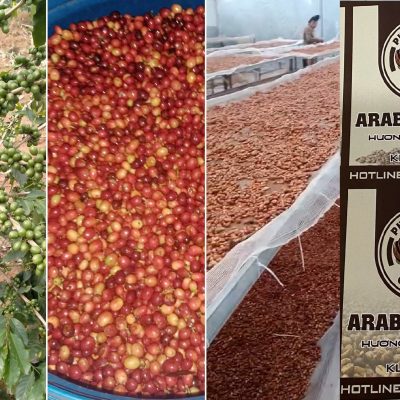
Mrs. Leo Thi Anh, The person directly harvesting and processing Café Arabica Hone also offers some pictures and introducing this type of coffee production process, At the same time introducing the actual product, It shows that this is an attractive drink for all precepts, All ages. Gentle coffee flavor, The characteristic of coffee from Europe is typically Germany.
Arabica Hone coffee is planted, Harvest and processing in the village
Speaking at the meeting, Dr. Pham Dinh Nam, The Director of the Institute of Agricultural Technology and Agricultural Development said that this is a potential project, Especially in the current situation, the State is focusing on organic agriculture development, stipulated in Circular 109/2019/TTg. Therefore, the cooperative should soon deploy the registration of label protection, Change product packaging by new logo, Training for people on organic agricultural technology, Develop product promotion plan: Website establishment, Fanpage social networks and top video platforms like YouTube, Tik tok ... towards the product on display at the centers, Big Guest House of Hanoi as Government Guest House, National Convention Center ...
Dr. Pham Dinh Nam spoke at the meeting
Also at the meeting, Mr. Pham The Quoc shared the experience of successful litchi growing in the Central Highlands; Dr. Le Duc Tho also introduces some modern technologies in planting and processing coffee in the world that can be applied to practice in the village., Son La.
On behalf of the Phieng Tam High -tech Agricultural Service Cooperative, Ms. Tong Thi Mai thanked the Institute of Vietnamese Agricultural Technology and Agricultural Development for welcoming and enthusiastically advising the project, Looking forward to experts supporting human resource training on organic agricultural technology and consulting, Support registration of certificates of all kinds so that the cooperative can proactively plant and export coffee to meet the current organic standards.
Respond, Mr. Pham Dinh Nam, The Director of the Institute of Agricultural Technology and Agricultural Development is committed to accompanying the Cooperative to implement the project., Believing the brand of Café Arabica Hone will have a firm foothold in the Vietnamese coffee market, Reaching the area, continent and world.
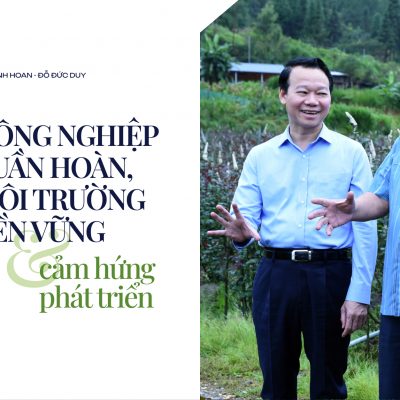
Xuan At Ty 2025 Welcoming important historical events of the Agriculture sector – Rural development and resource sector – Environment: The common roof is named after the Ministry of Agriculture and Environment. Xuan At Ty 2025, The year of the snake brings deep meanings of agriculture, environmental.
With agriculture, Snake is “silent guardian quiet", It is a natural enemy that helps to naturally control crops like rats, Restrict visitors, bird. With the environment, Snake is "Biological sensor" Respond early to weather changes, disaster, pollution and contribute to protecting biodiversity, Balance ecosystem, Protect natural resources for the next generation. With culture, Wet rice civilization, Snakes symbolize innovation and development. Good results, outstanding achievement, not from peace or stay in the old way, which comes from the "Makeover", proactively change, To receive the future.
Snake. People change their minds, Action for success. Organization, The apparatus arranged for a faster operation, more smooth. The goal of the two sets merged, reorganize the internal units, Determination of reasonable duties and functions, science, Towards streamlining, performance, efficiency, effective.
Green value, Sustainability is no longer a trend. Reducing emissions, Optimize production process, Limiting the negative impact on the environment ... no longer the slogan, or recommend for the future, Which was present in all activities of production, daily activities.
Consumers are not only interested in quality, price…, but focus on the overall production process, How to create agricultural products, About the process of transporting agricultural products, from the field, pond ... to the dining table, ensure safety standards, Environmentally friendly? And the emotional story, Unique of the farmer itself, of the countryside, know how to protect your health, community, Know how to preserve the living environment for the next generation.
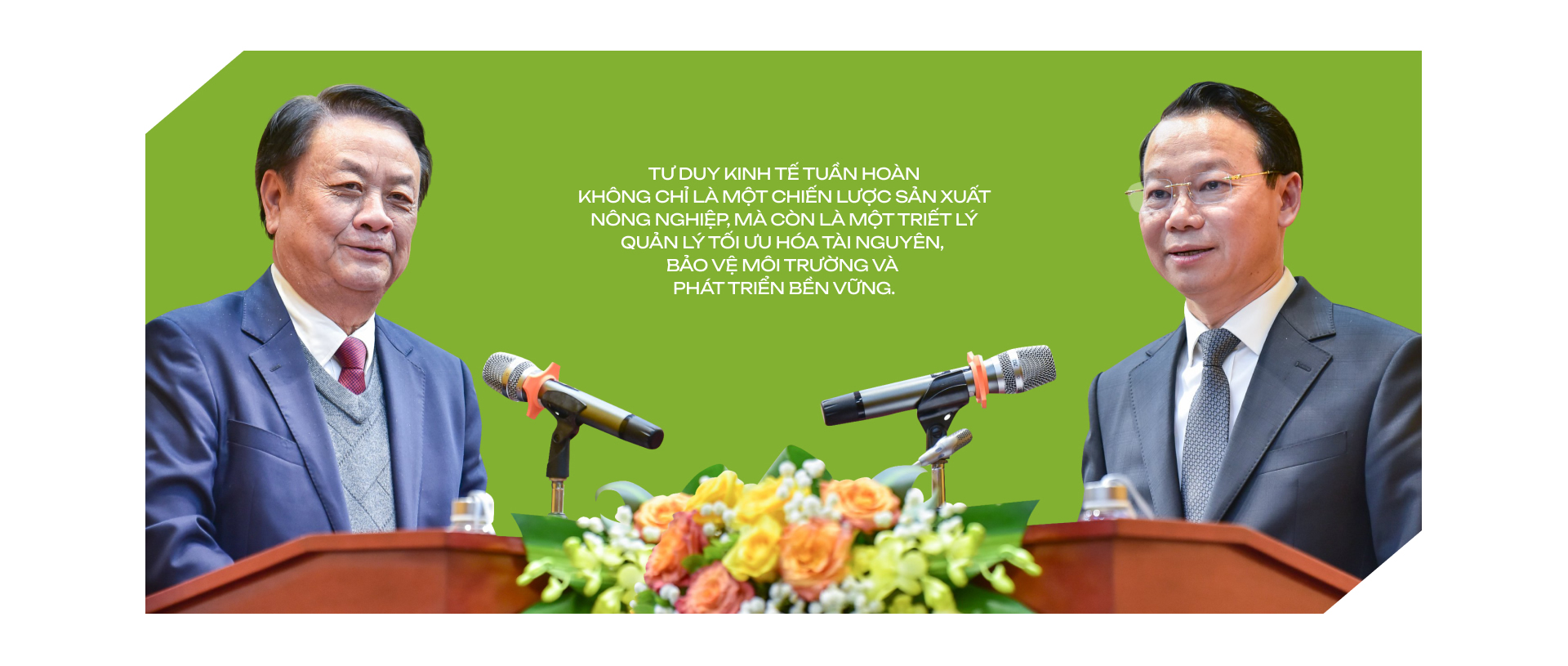
So, The force of the two industries, The cohesion of production management functions and agricultural economy, Rural development, With the general management function of natural resources and environment, both adapting promptly with the global trend, Just create new value space according to the circulating and sustainable trend.
From the circulating economic perspective, The new value is higher, more sustainable, Open up opportunities, Development of development for agriculture and environment. Go to detailed description, Circular agriculture is “Agricultural production model, In which resources like land, country, energy, And the waste is used effectively and continuously reuse. The goal is to minimize costs, Environmental protection and optimization chemistry productivity. In this model, Agricultural waste such as fertilizer, straw, Or the animal is recycled or reused as a resource for the next production activities, Create a self -sufficient and sustainable ecosystem ”.
In the interpretation of the above -mentioned agricultural model, There are remarkable keywords like: “Agricultural production, resources, environmental Protection, Recycling agricultural waste into resources…”. That shows, Agricultural management functions, Production management and general management function on climate change, resource management, environmental Protection, Nature preservation, biodiversity, Previously separated independent in two different industries, now, Connected to become one. It is true from either (One thing is in two industries), now merged "Two is one".
The new values begin to be formed from this unity. Instead of dealing with expensive agricultural waste due to additional costs, Now recycled, Reuse into resources, Create new products, Increasing added value for agricultural production and brand of agricultural products. The environment and daily life has become more fresh and safer.
Before, The management of resources is based on renewable resources or natural resources, The circulatory agriculture can now create new resources, With the new life cycle, New value. So, Economic thinking in agriculture and the environment, once again, associated with the approach that involves green values, responsibility, lasting.
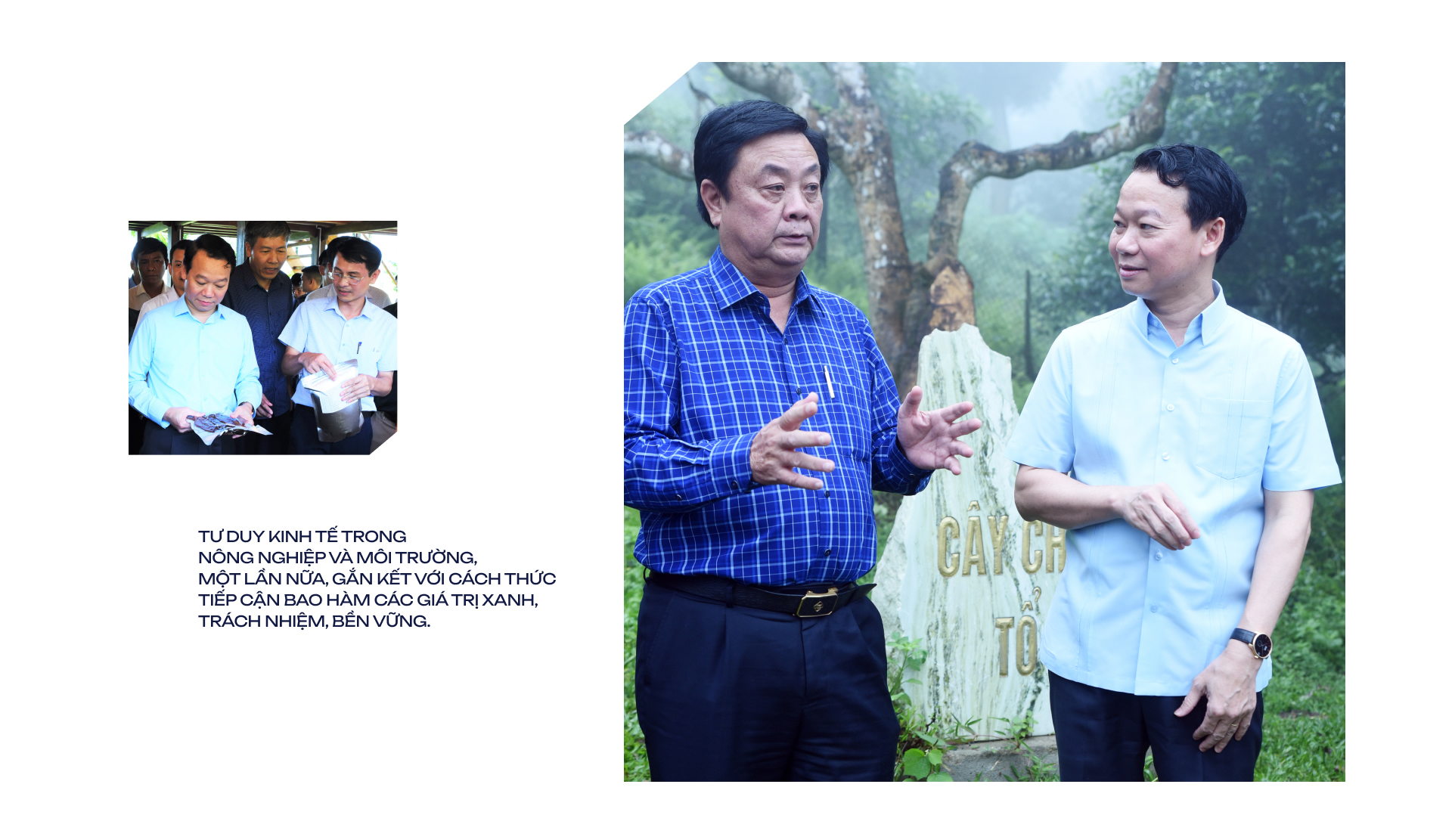
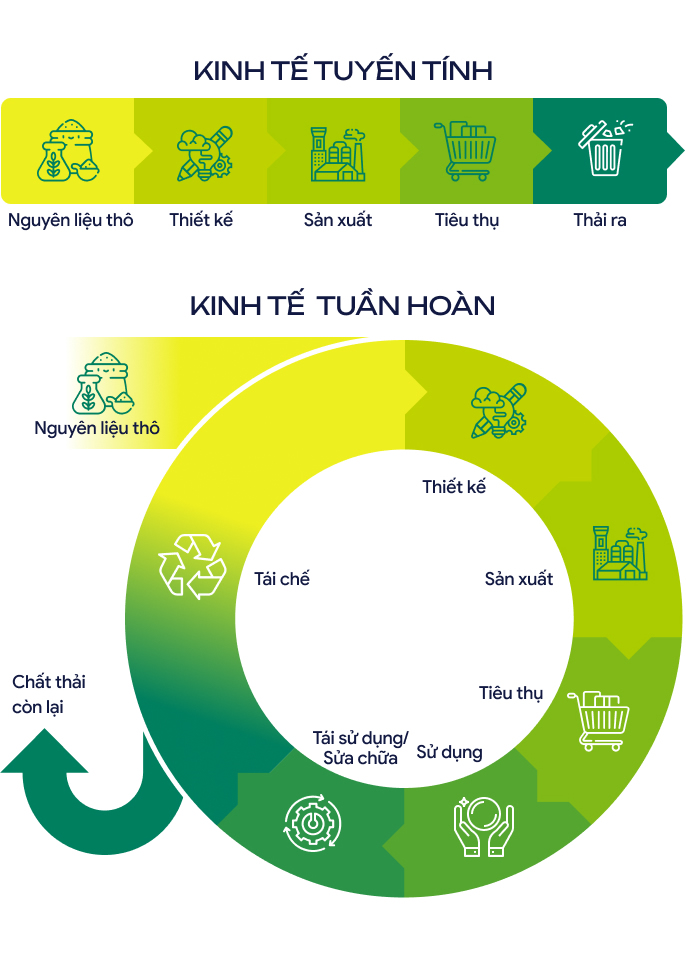
Switch from production thinking to economic thinking, Switch from linear economic thinking to circulating economic thinking with green agriculture goals, Green environment in the green economy. Linear economic thinking according to the model "Exploit – Manufacturing – Consumption – Discharged ", As a result, the natural resources are excessively exploited, Increased waste, polluted environment. Circular economic thinking according to the model "Minimize – Reusing – Recycling ", or “By-products of this production process can become ingredient The main of the next production process ”, helps reduce resource exploitation, Reduce garbage, Save production costs, Promote creativity, Optimize short -term profits and long -term benefits.
Say simplicity, Linear thinking can be imagined as every segment of growth, Clearly determining the first point (Often exploitation), end point (Usually discharged), The time is, Depending on the stage, rise, When low when high. And circulating thinking can be imagined as a circle connected throughout – The result of this process is the input of the next process, Like a spiral development integrated and multi -layered accumulation.
Circulating economic thinking is not only a agricultural production strategy, but also a resource optimization management philosophy, Environmental protection and sustainable development. With the goal of minimizing waste and maximizing the value of diverse resources, Weekly thinking not only brings economic benefits, Bring more income to farmers, but also contributes to protecting the ecosystem and building a modern agriculture.
This is similar to natural ecosystems, Where resources are circulating and regenerating without being wasted. The circulating agricultural models combine cultivation, breed, Fisheries and waste treatment technologies to minimize negative impacts on the environment. Natural and environmental factors are combined in each project, strategy, Scientific research, Agricultural human resource training.
When circulating thinking in agricultural management and smooth operation environment, Proposing policies to promote green economy will be more convenient and convincing. Agricultural science studies associated with the environment will create synchronous research products, multi -target. Agricultural production models are diversified, Environmental impact factors are calculated overall, Encourage the combination of cultivation, Breeding and aquaculture. Integrating and connecting remote sensing data, Meteorology and Hydrology, Artificial intelligence applications will solve crop problems in cultivation, breed, small scale…, Protect aquatic resources, Forestry and quality control, biodiversity, Integrated multi -layered data for irrigation field, Disaster Prevention, drought and salinity control.
In agriculture and environment, Land resources, Water and energy are always limited, difficult to regenerate. Thinking "Less to get more" – minimum, Maximum results, Towards the most effective use of resources, Minimize waste and encourage reuse of resources: Water reuse, Fertilizers from agricultural waste, or renewable energy from biomass. Thinking "Less to get more" expand the space for effective supply chain management, Not only interested in production, but also ensure the resources and products are used and reused effectively.
Agricultural and environmental management is improved in a comprehensive direction, Systematic and close cohesion. Environmental protection, Reasonably use resources and ensure food security for future generations, become a consistent and throughout target.
Scheme 1 Trieu Hec-ta specializes in high quality rice cultivation, Reducing emissions, associated with green growth, The circulating agriculture in the Mekong Delta is a vivid demonstration of the cohesion between agriculture and the environment. Rice goods industry, despite growing and miraculous development, But there have been many consequences: Soil environment degradation, country, air. When combining rice production goals with the goal of preserving the environment, rice industry, From resource -intensive, has turned to improvement and resource regeneration, Ensure environmental quality.
The circulating economy in the rice industry will create new values from straw, Create mushroom growing industry on straw, construction materials, energy from straw… A part of straw has been chopped and buried back to the field, Create a source of organic fertilizer for the next crop. All by -products of the rice industry are used effectively, There will be no more bronze burning causing emissions, environmental pollution.
Narrow industry, narrow circulation, low value. Multi -sector, Wide circulation, high value. Multi -sector, multi -field, cyclic, lasting, Outstanding value comes from closely cohesion, Adoption between agriculture and the environment. The revolution on the arrangement of the apparatus will lead to a revolution of system management and system action thinking in agriculture and environmental sector..
Inspiration for development thanks to agricultural and environmental forces should be widely spread to the agricultural business community – environment, Go to cooperatives, to farmers, to the rural community. Society needs agricultural multi -service cooperatives – The environment is stronger, have better quality. Society needs these “big field” – big in thinking, Large mental link – co-operate, No more fragmenting my field, but even in quality, Agree on the way of thinking, making, Agree on request, standard, cultivation process, No adverse effects on the environment. Society needs agricultural products to represent dynamic farmers, responsibility, Boldly change, Know to enrich yourself, Know how to think of people around and grandchildren tomorrow.
First of all and above all, Agricultural and environmental force revolves around the core goals: Inspire interdisciplinary development, inter -field, Balance between conservation and growth, Harmonize the economic sustainable triangle – society – environment, Improve the quality of life from rural to urban, Help farmers become more prosperous.



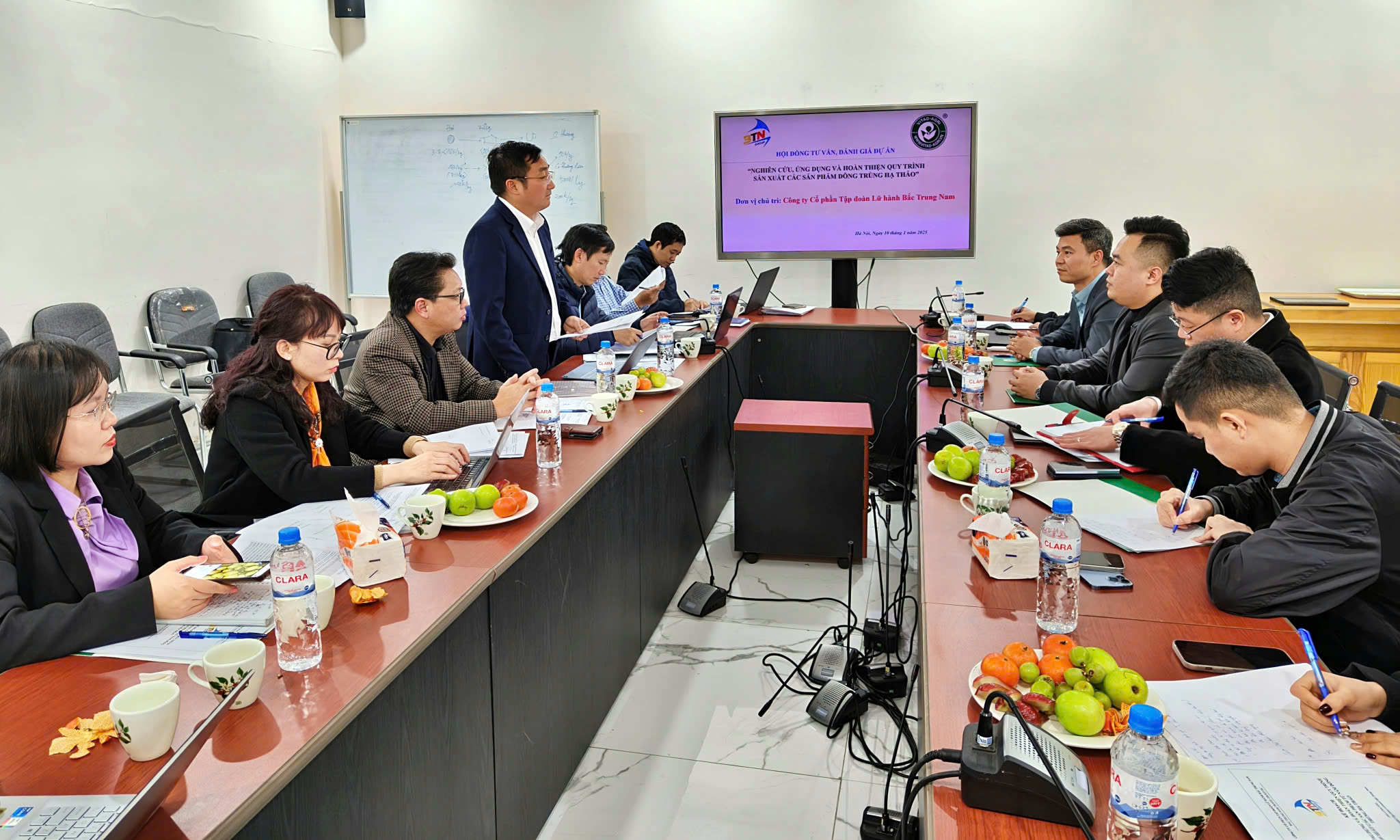 Science Council for Project Assessment Consulting “Study, Application and completion of the production process of cordyceps products”
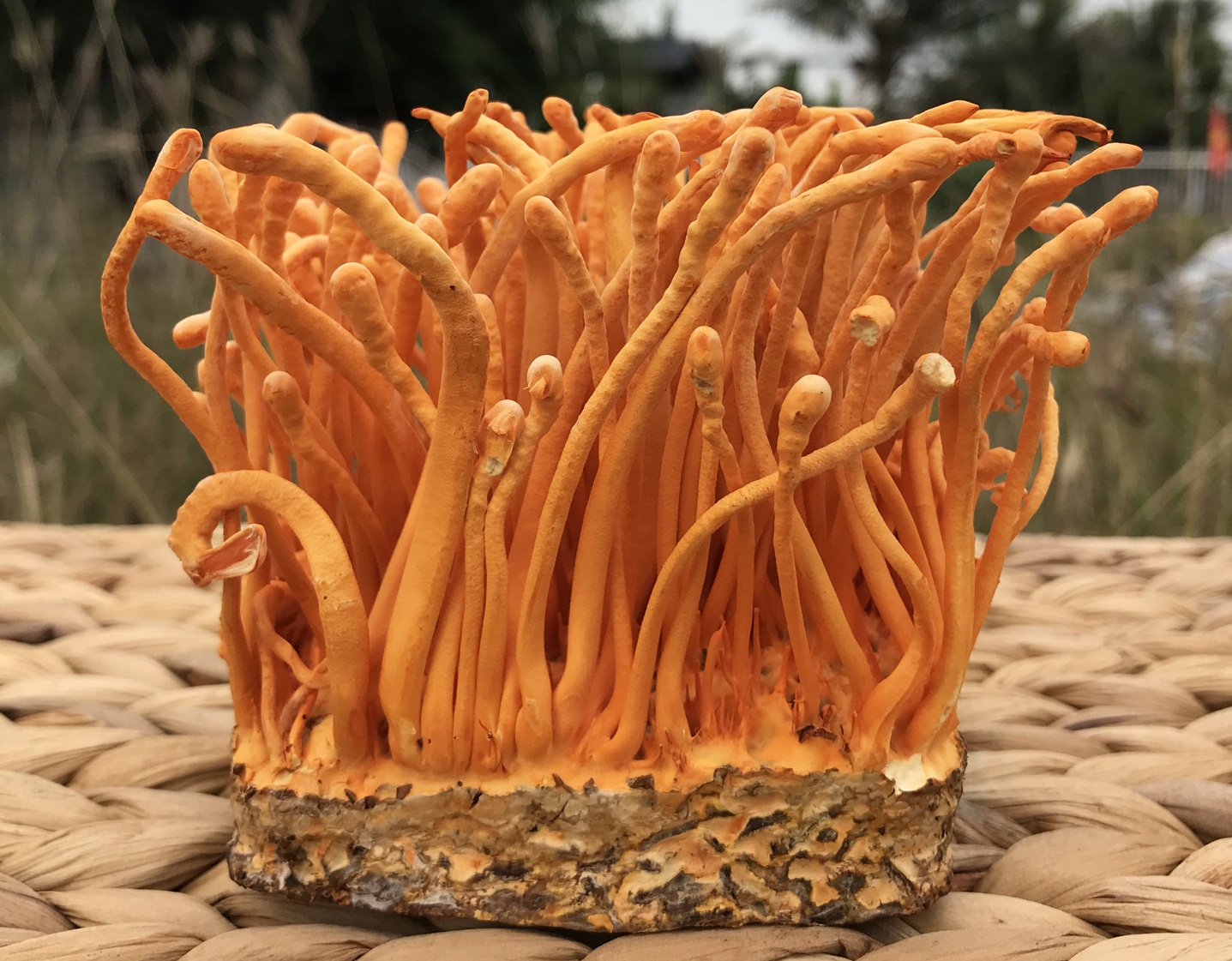 The quality of cordyceps is determined by the base
  Dr. Pham Dinh Nam, Vitad-Agri Director (between) Speaking at the meeting
 Dr. Vu Van Sang, Agricultural expert reviews, Project consulting
 Assoc.Prof.Dr. Tran Manh Tri, Chairman of the Council (rank 2 From right to) Summary of experts' opinions
 The Scientific Council is committed to accompanying the North -Central Academy Group Joint Stock Company to implement the project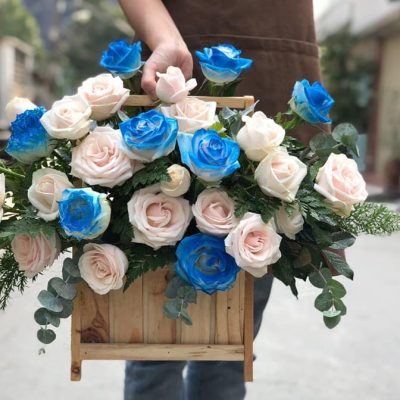
 Lily double with many layers of petals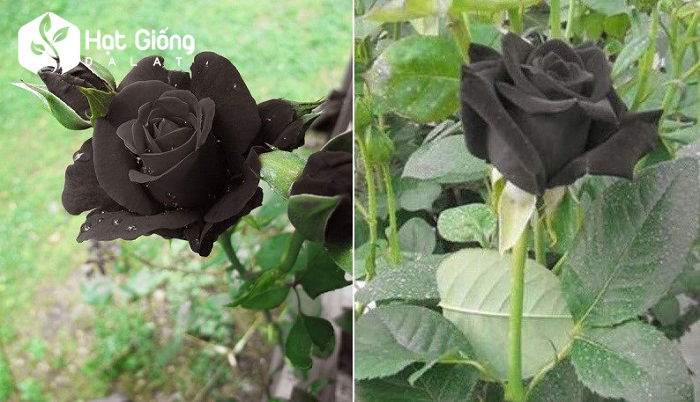
 Blue/purple roses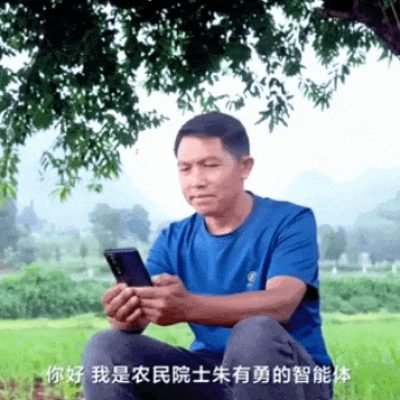







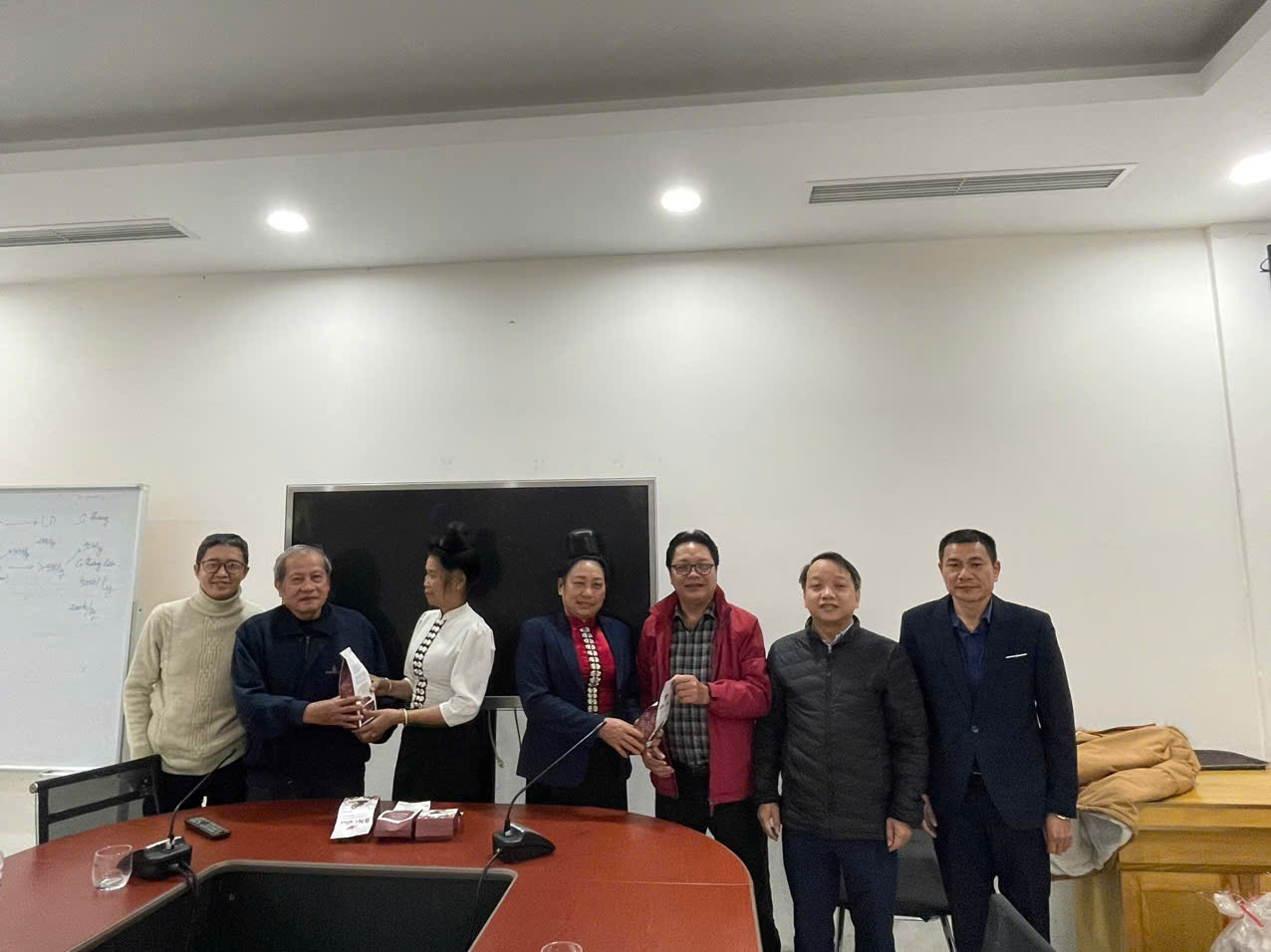 Meeting on the implementation of the Café Hone Café Hone Project
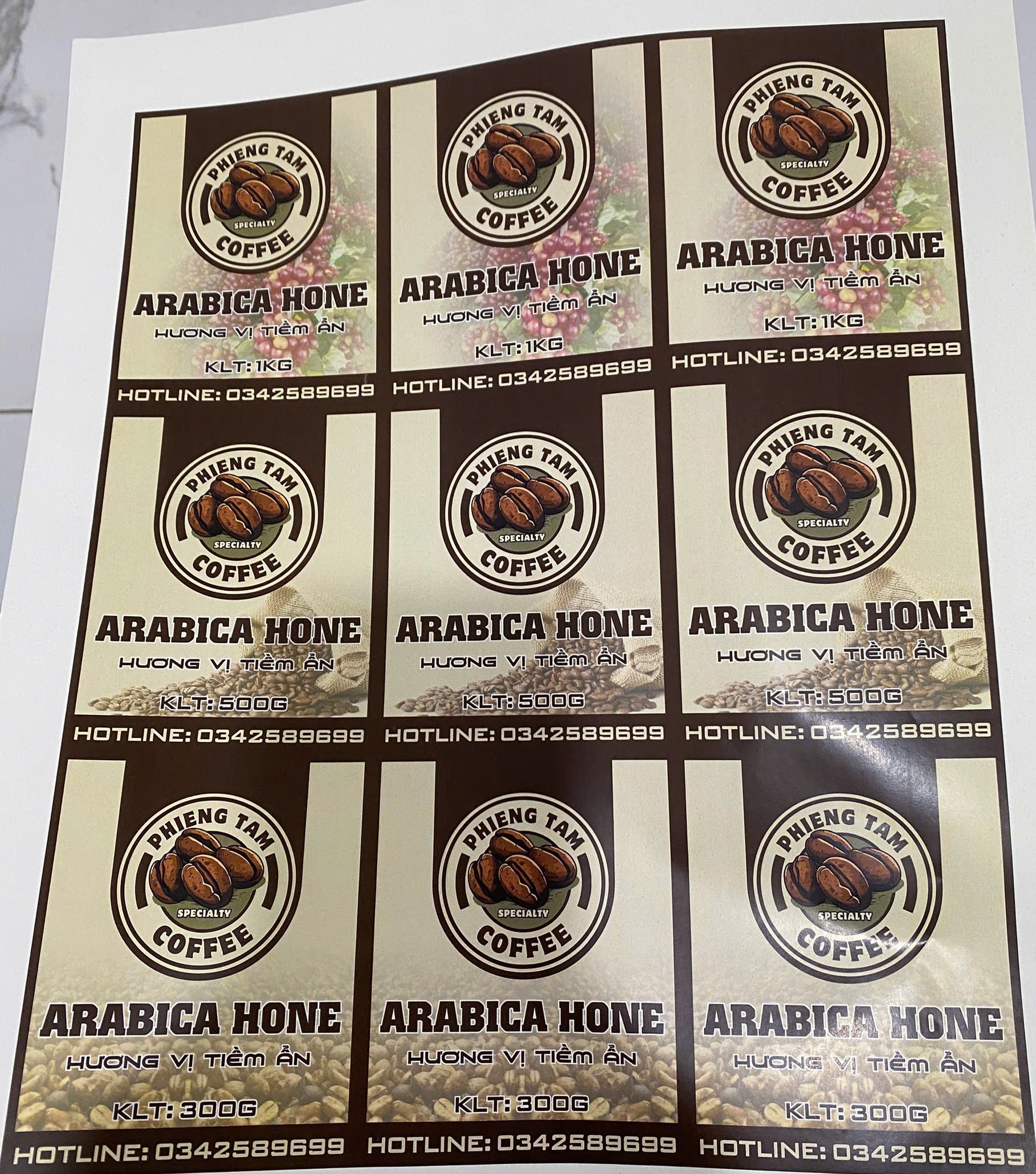 Logo of Café Arabica Hone
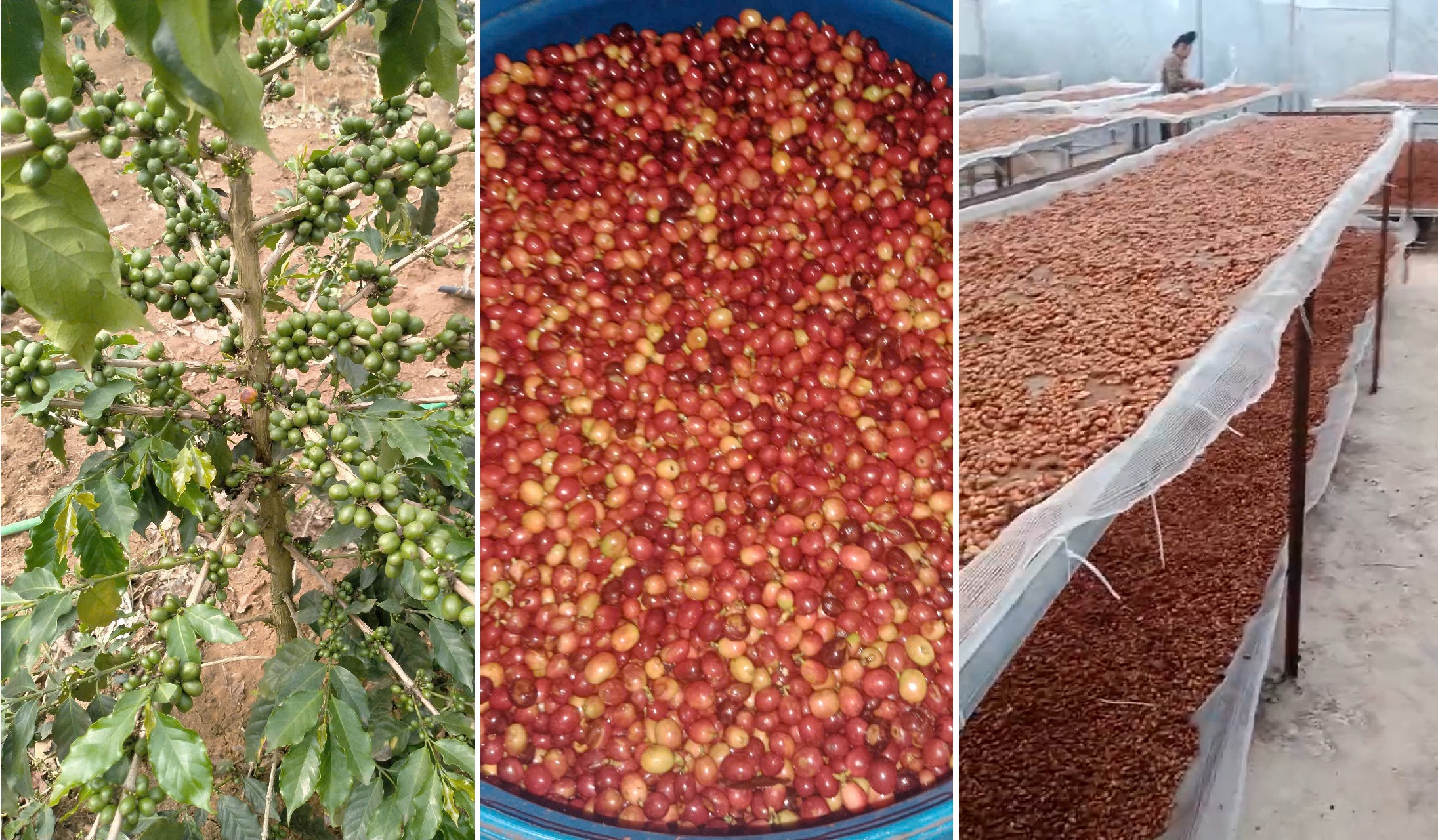 Arabica Hone coffee is planted, Harvest and processing in the village