

Accompany farmers to build green agriculture from healthy soil to clean agricultural products
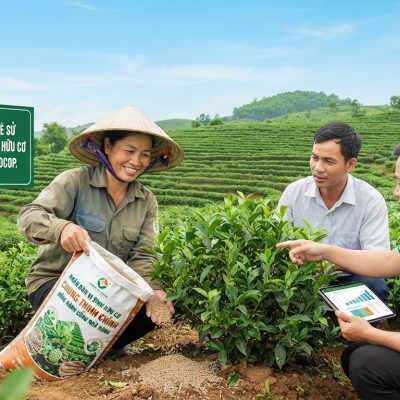
Not only providing organic microbial fertilizer, Chung Thinh Chinh Agricultural Trade and Service Cooperative is gradually building a new approach: product combination, science and technology and accompanying farmers, contributing to the formation of safe agricultural production areas, sustainable and of high value.
Want plants to grow sustainably, First of all, we must pay attention to the land
In modern agricultural production, Productivity is no longer the only criterion that determines the success of a crop. Producers are increasingly concerned about the quality of agricultural products, safety, input costs, soil health and the ability to meet increasing market requirements. Especially, as agriculture is gradually shifting to safe production models, ecological and sustainable, Reasonable use of fertilizers has become one of the important factors in the farming process.
A well-cared for soil will create favorable conditions for the root system to develop, Helps plants absorb water and nutrients, At the same time, it contributes to maintaining the long-term productive capacity of the land.
Opposite, If you focus too much on quickly providing nutrients to plants and lack attention to organic matter, Soil ecosystem and nutrient balance, Soil can degrade in quality over time.
From that fact, trend of using organic fertilizer products, Microbial fertilizers and more environmentally friendly nutritional solutions are increasingly of interest to producers.
Chung Thinh Chinh Agricultural Service and Trading Cooperative Determine that this is not just a product development opportunity, but also a long-term direction to accompany farmers in the process of converting production methods.
From fertilizer products to soil and plant care solutions
One of Chung Thinh Chinh's important directions is to develop organic microbial fertilizers in the direction of linking products to the actual needs of each production area.. Because each type of plant has different growth characteristics, Each land has its own nutritional and farming conditions. So, Fertilizer use should be based on plant characteristics, land, specific seasons and production processes.
Organic microbial fertilizer, when used correctly, according to instructions and suitable for farming conditions, can become a component of a sustainable soil improvement and nutrient management program.
Chung Thinh Chinh's orientation therefore does not stop at bringing products to market.
The cooperative aims to build a model in it products come with technical knowledge, Instructions for use and monitoring in the field. This is also an important point to build trust with farmers. Because with farmers, A good product is not only judged by its packaging or promotional information, which needs to be proven by the suitability during use and economic efficiency of the entire production process.
Collaborate with experts, bringing science closer to the fields
To improve professional quality, Chung Thinh Chinh plans to coordinate with experts from the Vietnam Institute of Agricultural Technology Application and Development (VITAD-AGRI) in research, develop technical processes, Verify reality and transfer appropriate solutions to producers.
The combination of a direct production unit – Agricultural business with a team of qualified experts is expected to create an effective bridge between Scientific research and production practices. Instead of letting technical solutions reside only in research documents, The goal is to bring that knowledge closer to those who directly produce agricultural products.
This process can start from understanding soil conditions, crops and farming methods; Choose the right solution; model construction; Monitor plant growth; Record results and continue to adjust the process as necessary.
Through production practices, Farmers' experiences can also be fed back into the process of perfecting the solution.
Science does not replace farmer experience, which helps to standardize that experience, Verify and promote better efficiency.
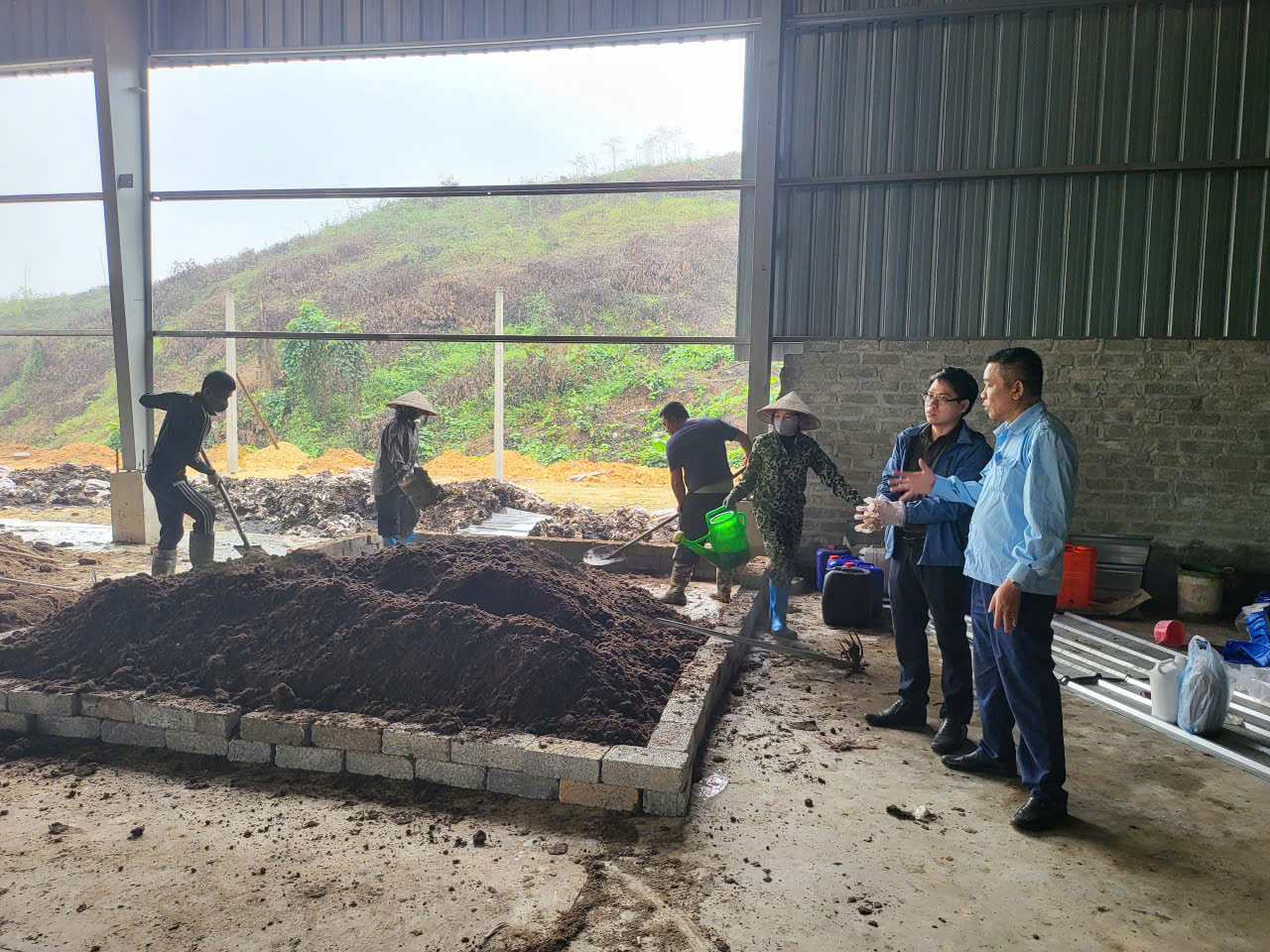
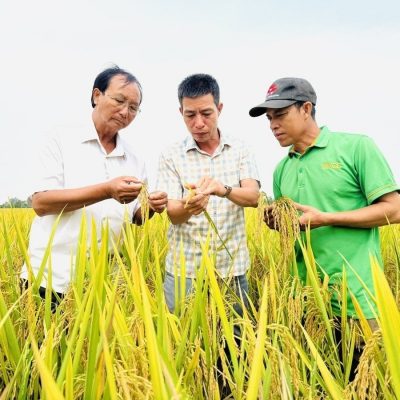
Mr. Nguyen Quang Chung, Chairman of the Board of Directors and Director of CTC Cooperative is discussing with Dr. Nguyen Xuan Hoa, Fertilizer expert of VITAD-AGRI
Towards the specialty regions of Thai Nguyen
Thai Nguyen has many typical agricultural products, Among them, tea and many custard apple production areas stand out, grapefruit, Canarium and Bao Thai sticky rice. These are industries that have the potential to develop into high-quality raw material areas if production is organized properly, Control inputs well and build a stable chain of links.
With tea tree, raw material quality requirements, Food safety and care processes are increasingly emphasized. Land management, Nutrition and reasonable use of agricultural materials are important to the quality of raw material areas.
In custard apple growing areas, grapefruit and canarium, Perennial plants need a constant care regime, In which soil health and root system are factors that need to be considered throughout the production cycle.
While, Bao Thai sticky rice is not only a food crop but also associated with the value of local specialties. Building safe production processes, Controlling input materials and improving rice grain quality will contribute to increasing product value.
These are the areas that Chung Thinh Chinh wishes to gradually approach, not only as a fertilizer supplier but also as companion partner of farming households, Cooperative groups and cooperatives in building production areas.
Each growing area needs a suitable process
One of the principles that Chung Thinh Chinh aims for is not to mechanically apply a formula to all crops.
Tea trees have different needs than fruit trees. Na has different characteristics from grapefruit. Perennial plants have different requirements than rice.
Even the same plant, Nutritional needs also change with tree age, season, growth stage, soil conditions and production goals. So, The use of organic microbial fertilizer should be placed in an overall process, Combined land management, country, nutrition, harmful organisms and appropriate farming practices.
This orientation also opens up the possibility of building local demonstration models. From some original producers, Cooperatives can coordinate with production organizations to choose a suitable area to deploy the model, Monitor the farming process and evaluate necessary indicators. When there are actual results, The model can become a tourist attraction, exchange experiences and replicate.
A good model can convince farmers more effectively than thousands of advertisements.
From safe production to the VietGAP story, OCOP and Organic
The market is placing increasing demands on agricultural products. Consumers want to know where products are grown, How is it produced and is it safe?.
That is also the reason many production areas are interested in VietGAP, OCOP product development and further towards organic production.
In this journey, Organic microbial fertilizer can serve as one of the inputs to a suitable production process.
However, The use of organic or microbial fertilizers cannot be equated with the product automatically achieving VietGAP certification, OCOP or Organic.
Each standard and program has its own system of requirements. To achieve certification or meet the respective criteria, Producers need to synchronize many contents from varieties, land, country, Input materials, care process, pest control, harvest, preprocessing, preservation of records and traceability.
Chung Thinh Chinh defines his role as: product companion, Technical input and solutions, contributing to supporting farmers in building a production foundation suitable to those requirements.
This is a practical approach, because the end goal is not an “organic” slogan on the packaging, which is a responsible and verifiable manufacturing process.
Building a brand from farmers' trust
In the agricultural sector, Brands cannot be formed by communication alone.
A fertilizer brand that wants to survive for a long time needs to have suitable products, Stable quality, Clear technical instructions and after-sales support service.
Chung Thinh Chinh can build a market strategy in the direction of developing an agent network in parallel with direct access to production areas.. In each locality, The cooperative coordinates with farmer households and production organizations to build models; Organize field seminars; Instructions for use; Record feedback and gradually form loyal customer zones based on actual results. With that, website, Facebook, The cooperative's TikTok and YouTube will become channels to transmit knowledge about soil, Crops, fertilizer and the story of the production area.
Pictures from the fields, model diary, Farmers' sharing and actual results will create a close communication system, transparent and convincing.
Aspiration to create high-value agricultural areas
With Chung Thinh Chinh, The story of organic microbial fertilizer does not just start at the factory and end with a bag of product delivered to the customer..
That journey needs to continue in the fields – where farmers directly use the product and decide the final effectiveness of a solution.
Coordination between Chung Thinh Chinh Cooperative and VITAD-AGRI experts in scientific research, Practical verification and technical transfer is a way to shorten the gap between research and production, bringing appropriate solutions closer to farmers.
From Thai Nguyen tea area to custard apple gardens, grapefruit, canarium and bao thai sticky rice fields, Each land can become its own story about the agricultural transformation journey. Over there, Land is given more attention, Trees are cared for more scientifically, Farmers receive better support and agricultural products have more opportunities to add value.
VietGAP can be a step in the journey to safe production. OCOP can open up opportunities to elevate local products. Organic production is a long-term development direction, requires strict processes and perseverance from the entire production area.
Chung Thinh Chinh wants to contribute to that journey by organic microbial fertilizer products, Technical knowledge and long-term companionship with farmers.
Because after all, The value of a fertilizer product lies not only in the amount of product sold on the market, but also in the values created afterwards: a better cared for land, a better organized raw material area, a higher quality agricultural product and a better life for farmers.
From factory to field – From healthy soil to clean agricultural products – Chung Thinh Chinh aims to become a companion with farmers on the journey to building green agriculture, safe and sustainable.
Perform: Thanh Vinh; Deputy Head of Technology and Communications
Vietnam Agricultural Cooperation – Philippines: Creating a Green Future and Upgrading the Global Value Chain
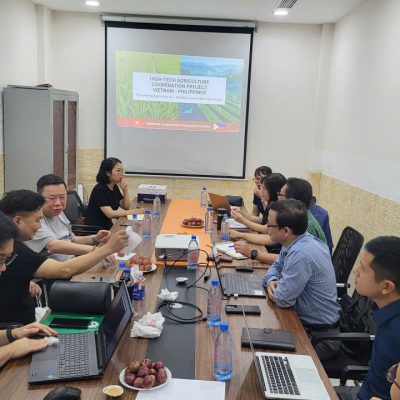
HANOI – Day 13 month 5 year 2026 marked an important milestone in agricultural cooperation between Vietnam and the Philippines. At the headquarters of the Vietnam Institute of Agricultural Technology Application and Development (VITAD-AGRI) – 24 Ly Thuong Kiet – Hoan Kiem – Hanoi, Strategic seminars and high-level working sessions took place between the Philippine delegation and leading Vietnamese experts. The event is not simply a technical exchange but also opens up large-scale investment prospects in the field of high-tech agriculture., renewable energy and organic food.
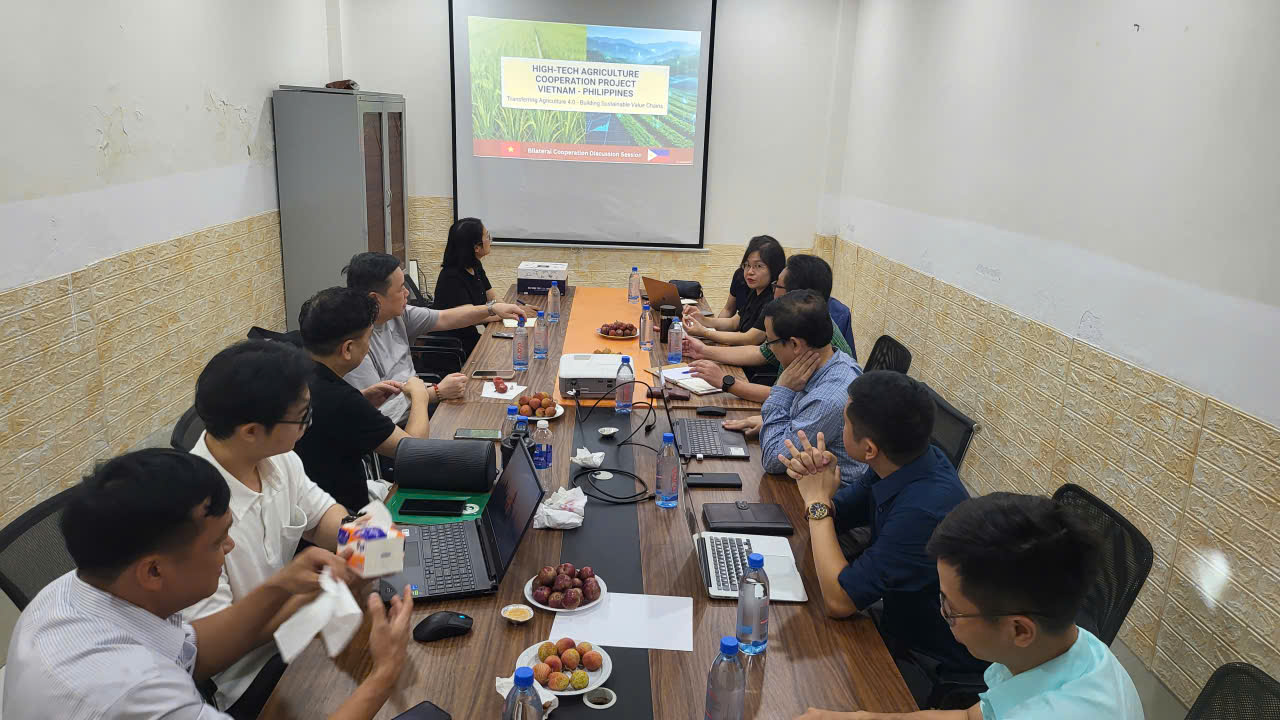
Overview of the meeting discussing agricultural cooperation between the Davao delegation – Philippines and VITAD-AGRI
The beginning of a common vision of Sustainable Agriculture
The meeting was chaired by Dr. Pham Dinh Nam, Vitad-Agri Director. On the Philippine side, The delegation led by Mr. Dony showed special interest in smart agricultural models that Vietnam is successfully implementing.. In the context that the regional agricultural industry is facing challenges from climate change and strict requirements of the international market, The combination of Vietnam's applied technology and the Philippines' potential resources is expected to create a strategic "push"..
Vietnam has now affirmed its position as an agricultural powerhouse when coconut export turnover officially exceeded the milestone 1,15 billion USD by year 2025, maintaining the third position in the world after the Philippines and Indonesia. This remarkable advancement is the result of standardizing raw material areas and applying deep processing technology – Valuable experiences that VITAD-AGRI experts are willing to share with Philippine partners.
Technology Transfer: The core of cooperation
Opening the working session, TS. Tran Dang Khoa – lecturer at the Department of Agricultural Technology, Hanoi National University – presented a panorama of potential agricultural technologies. Theo TS. Department, Vietnam possesses breakthrough solutions that can be immediately applied to key crops of the Philippines such as rice, coconut and coffee.
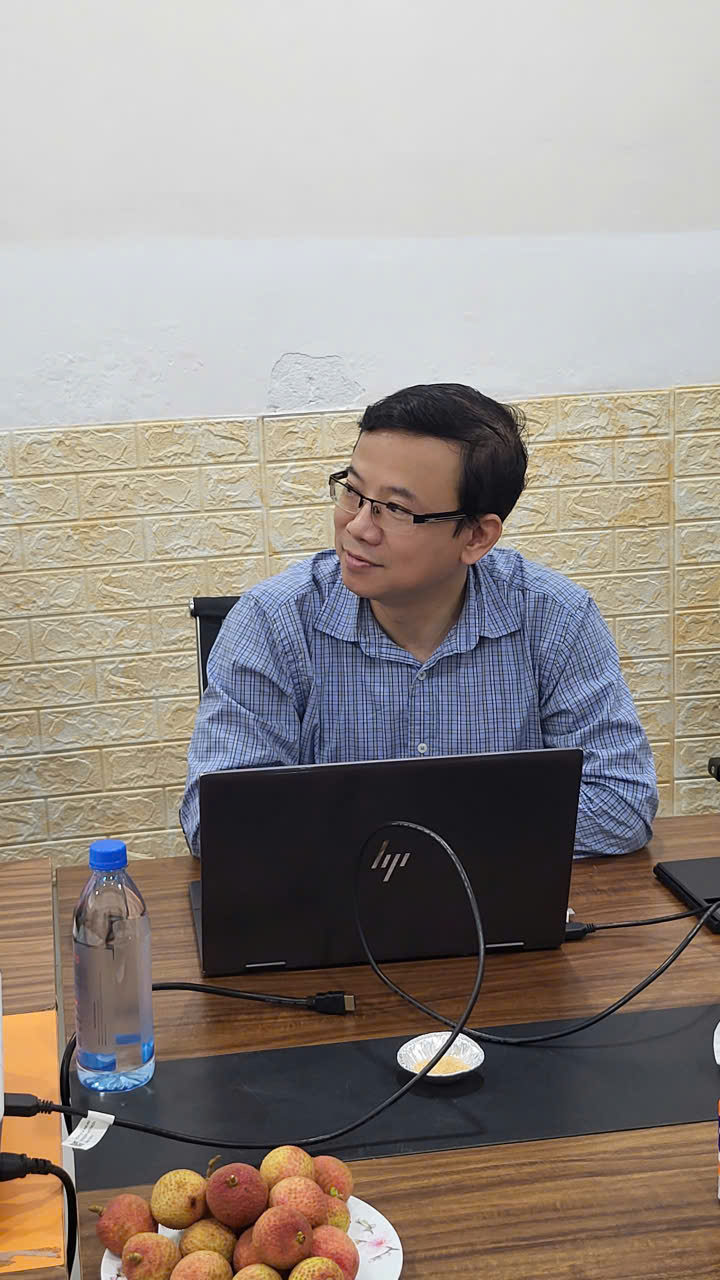
TS. Tran Dang Khoa spoke about the potential for cooperation between the Philippines and Vietnam in the field of agriculture
Particularly for the coconut industry, The difference in productivity is an important highlight. While the average yield in the Philippines reaches approx 3.719 fruit/ha/year, Vietnam has reached an impressive level 8.294 fruit/ha/year thanks to the application of improved coconut varieties and smart intensive farming techniques. The transfer of AI technologies in crop health monitoring and synchronized pest management processes (like dealing with beetles and blackhead worms) will help the Philippines optimize its production capacity 340 million existing coconut trees.
Besides that, Solutions for the rice industry are also discussed in depth, especially in the context that the Philippines is expected to import from 3,6 million tons of rice per year 2026, in which about 75-80% The supply comes from Vietnam. Technology cooperation will help the two sides not only stop at trade but also move forward with cooperation in producing high-quality rice varieties., Salt tolerance and climate change adaptation.
Affirming the brand and international Organic Standards
An indispensable part of the agricultural value chain is certification and standardization. Mr. Nguyen Ngoc Tung, Deputy General Director of VINACAB, introduced the competency profile of certification services and the "value creation" strategy, Affirming the brand". Mr. Tung emphasized that, so that Philippine agricultural products can penetrate deeply into demanding markets such as the US or EU, achieving certifications such as BRCGS, IFS or growing area codes (MSVT) is a mandatory condition.
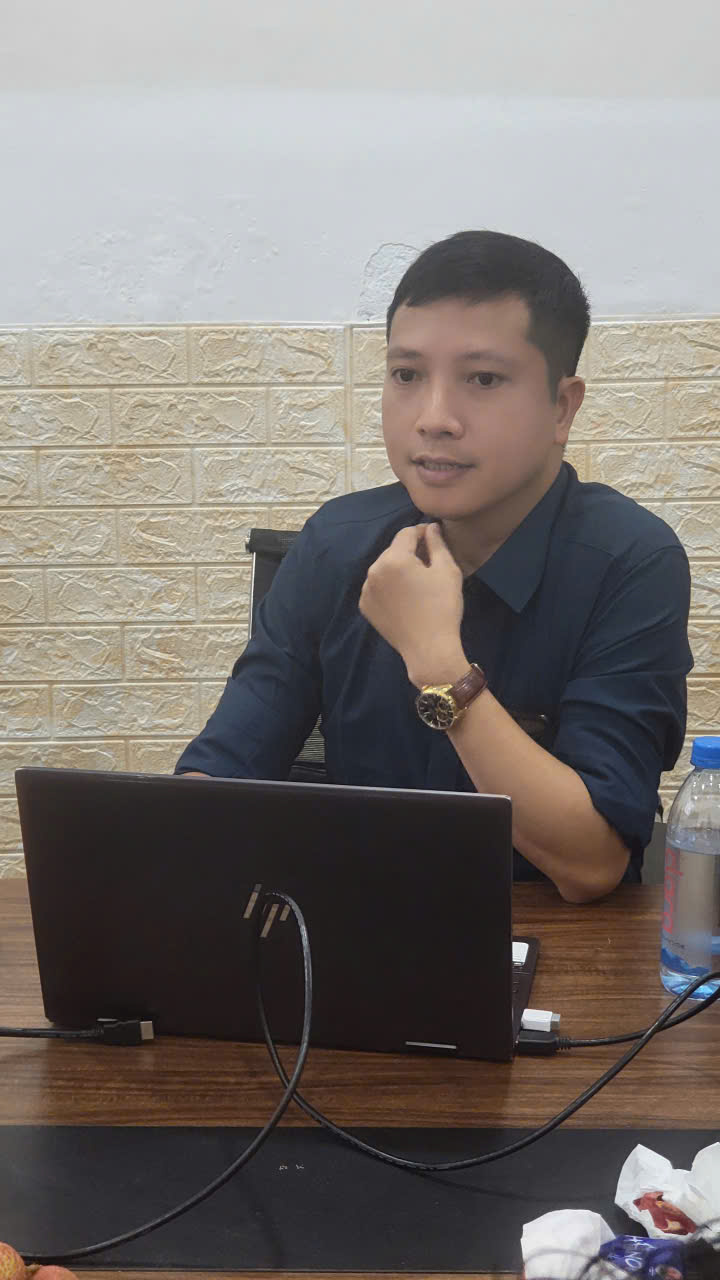
Mr. Nguyen Ngoc Tung introduced certification and standardization work
Continuing this topic, Dr. Nguyen Thi Dinh from the Vietnam Academy of Agriculture presented details about organic agriculture standards. The current, Vietnam has developed more 24.000 hectares of organic coconuts meeting USDA standards (America) and EU Organic. Experience in building linkage chains between businesses and farmers for clean production is the optimal solution that the Philippines can apply to increase value for 3,6 million hectares of its coconut growing land. The potential for cooperation in the rice industry is also huge.
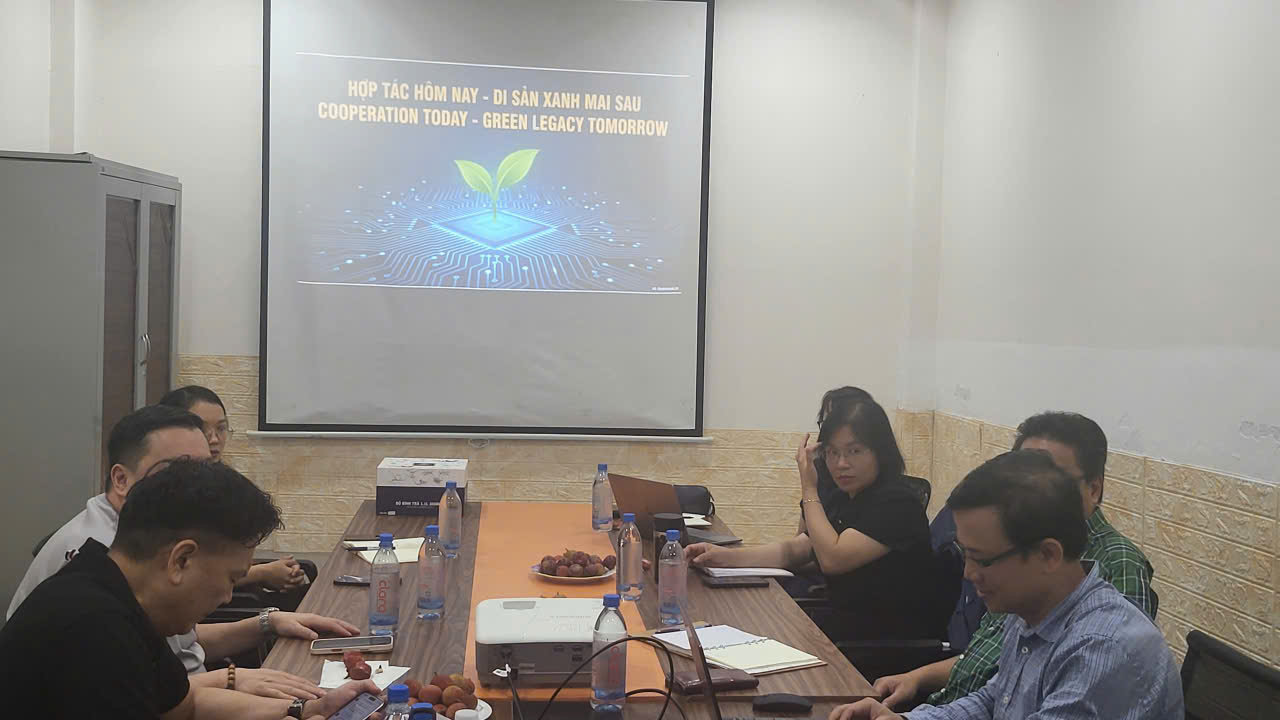
Dr. Nguyen Thi Dinh presented details about organic agriculture standards
Other experts of VITAD-AGRI: Dr. Nguyen Thi Hong Hanh, Lecturer at Vietnam Academy of Agriculture; Master Nguyen Xuan Tho, Israeli agricultural research and experimentation expert; Master Hoang Van Nien, expert in organic agriculture; MSc Le Ngoc Thanh Vinh, Experts on agricultural digitalization also spoke about the potential for science and technology cooperation between the two Philippine countries in the new situation..
Notable project: Biomass Pellets and Circular Agricultural Ecosystems
One highlight that attracted the attention of the Philippine delegation was the investment project of Evergy Phu Yen Joint Stock Company (belongs to Evergy Asia Group), do TS. Pham Dinh Nam directly introduced. This is a typical circular economy model located on National Highway 29, Duc Binh commune, Dak Lak province.
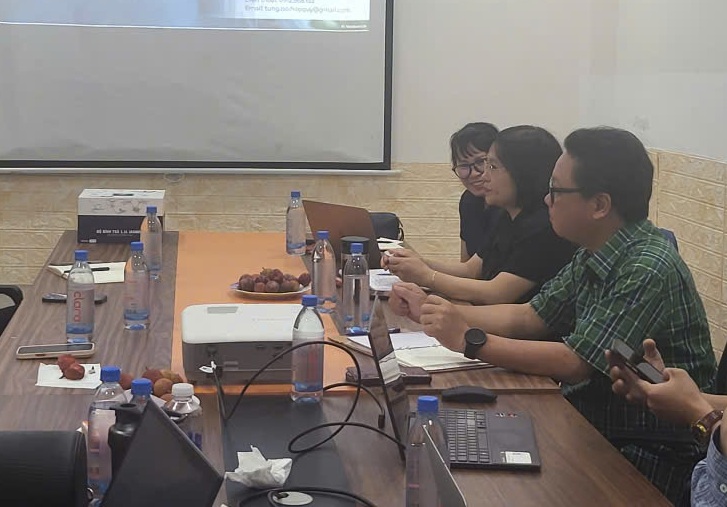
TS. Pham Dinh Nam introduces Biomass Pellets of Evergy Phu Yen
Technical specifications of Evergy Dak Lak Project:
|
Category |
Detail |
|
Factory capacity |
300.000 tons of biomass thermal pellets/year |
|
Raw material area |
3.200 ha planted with Napier elephant grass (high yield varieties) |
|
Organizational model |
05 Associated agricultural cooperatives |
|
Household size |
About 500 households participating in farming |
|
Ancillary products |
Supplying high quality organic fertilizers |
This project not only solves the green energy problem but also brings huge added value through the production of organic fertilizer from by-products.. In the context that the Philippines is making efforts to plant new crops 50 million coconut trees per year 2026 and implement a fertilization program 340 million existing trees, as well as developing and expanding rice growing areas, The source of organic fertilizer from this project is the perfect cooperation link. TS. Pham Dinh Nam affirmed, Evergy not only sells products but is ready to build a sustainable agricultural ecosystem with partners, from energy to plant nutrition.
Invitation from Davao and Future Vision
Respond to a warm welcome, Mr. Dony – Head of the Philippine delegation – expressed his appreciation and appreciation for the technologies presented by the Vietnamese side. He affirmed: “The Philippines not only sees Vietnam as a leading trade partner but also a strategic agricultural technology ally.”
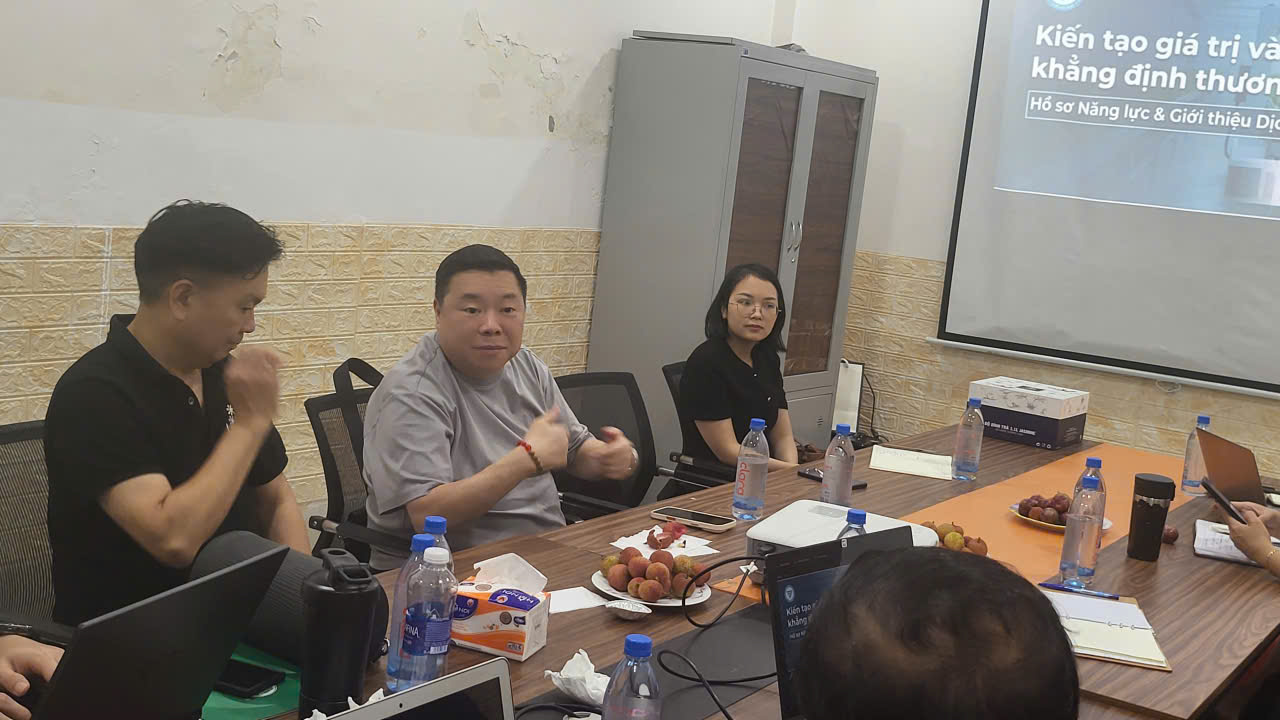
Mr. Dony – The head of the Philippine delegation expressed his appreciation and appreciation for the cooperation between the two sides
To realize commitments, Mr. Dony respectfully invited the Director of VITAD-AGRI and the Institute's experts to visit and work in the Philippines in the near future.. Especially, A formal invitation was sent to the leadership of Evergy Corporation to attend the celebration of the founding of Davao state in September. 6 upcoming. This will be an opportunity for Vietnamese businesses to directly survey the market and sign memorandums of understanding on field cooperation..
Conclude
Daily work 13/5/2026 is not just a diplomatic event but a convergence of knowledge, technology and aspirations of Southeast Asian agriculture. With technical support from VITAD-AGRI, commitment to quality from VINACAB and breakthrough projects like Evergy, Vietnam cooperative relations – The Philippines is facing a new chapter. The combination of Vietnam's deep processing capacity and the Philippines' abundant resources will create a synergy, bringing regional agricultural products further on the global value map.
The journey from Hanoi to Davao is not just about geographical distance, but the path of digital transformation, green transformation and creating sustainable values for future generations.
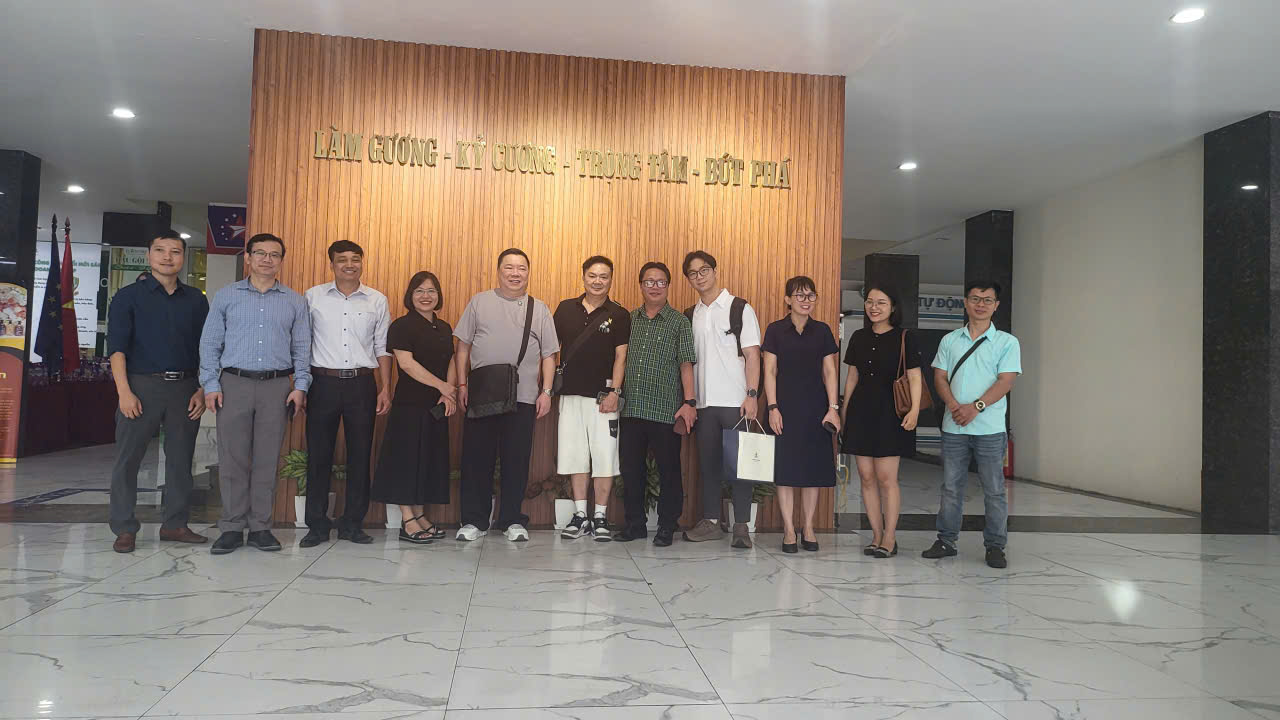
Take souvenir photos at the end of the meeting
Some other images:
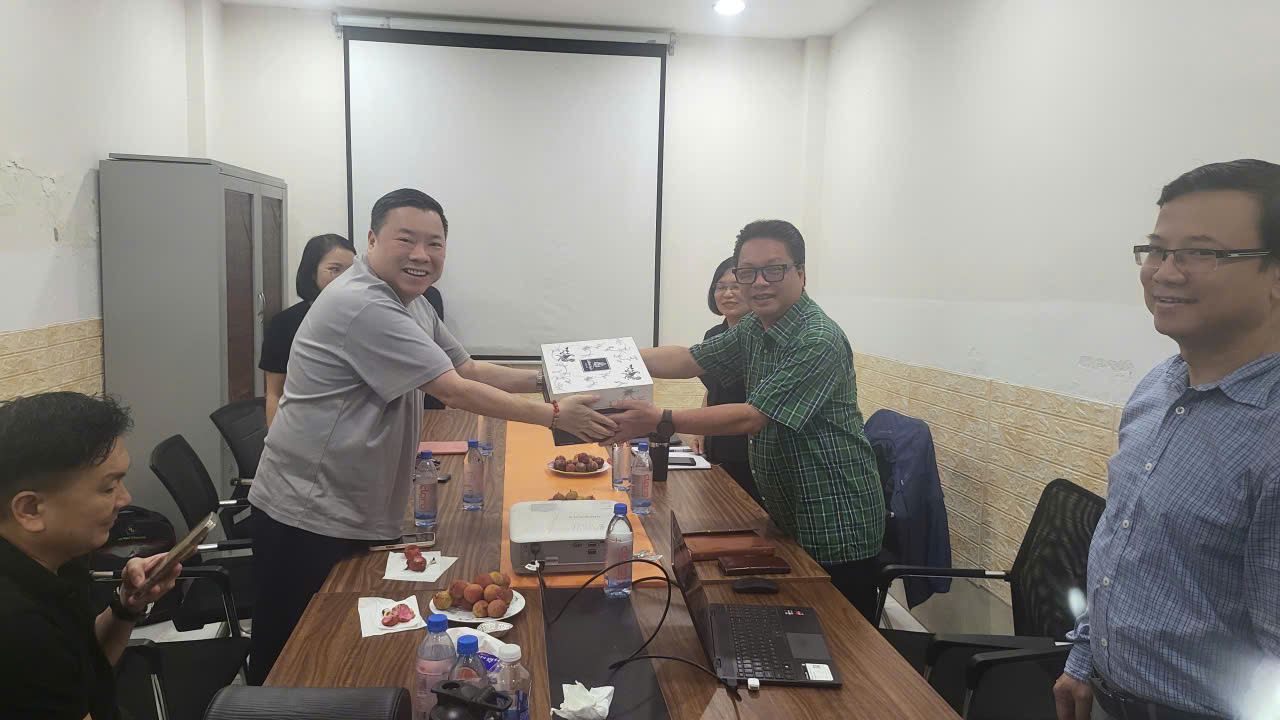
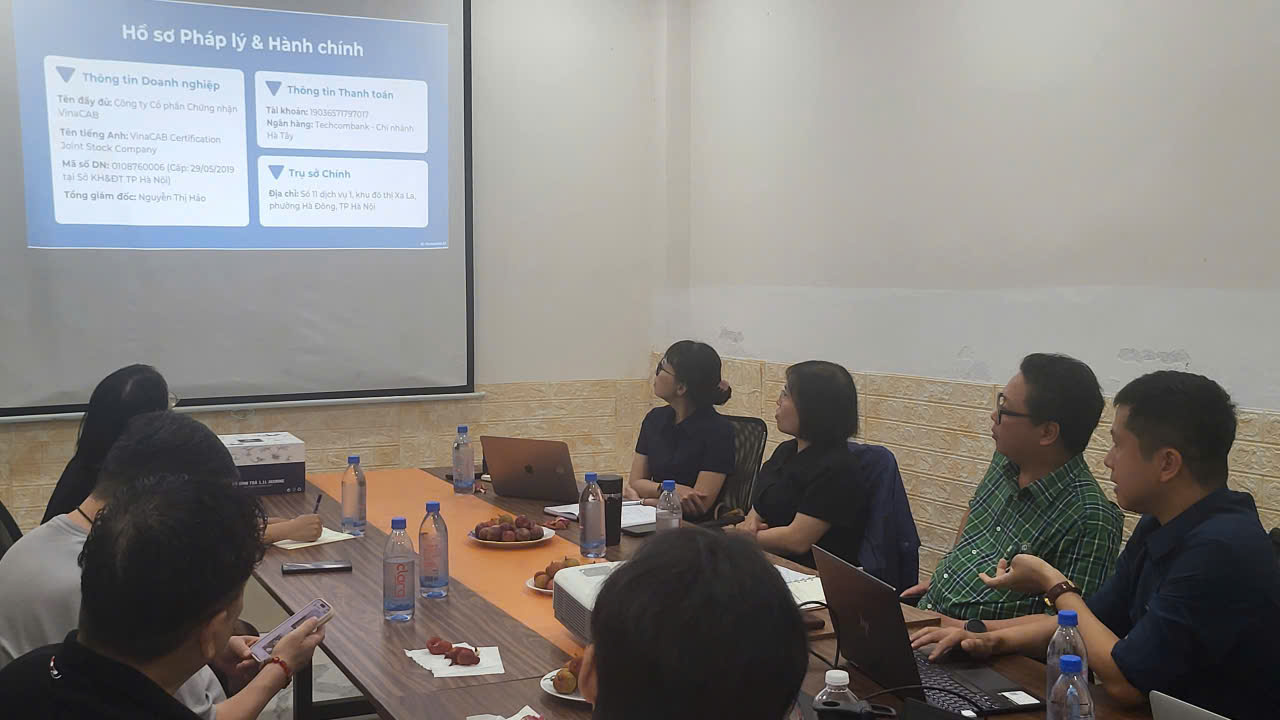
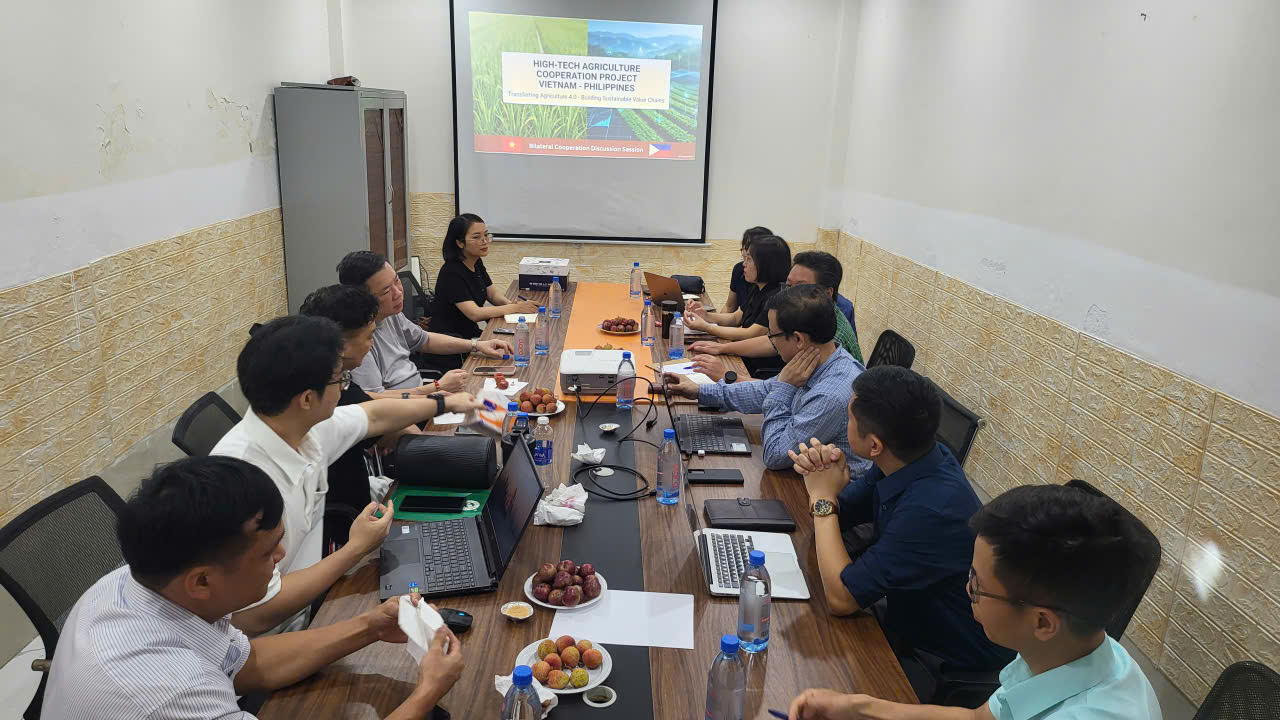
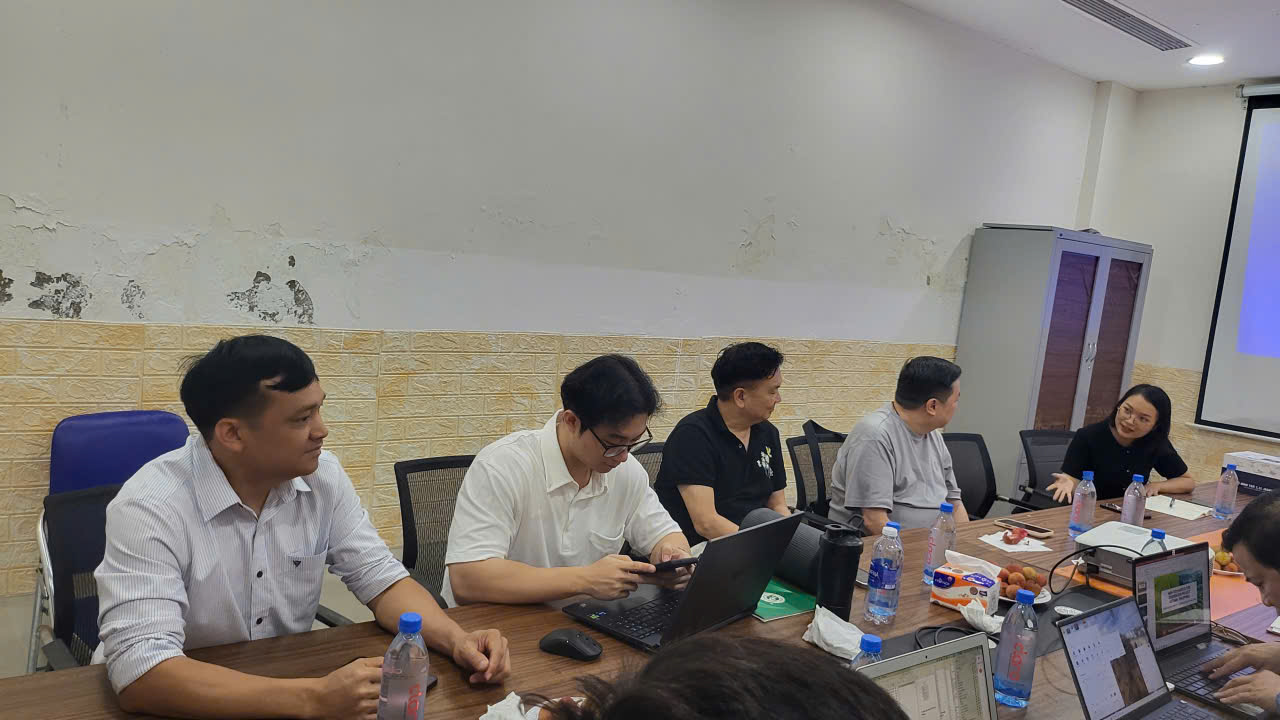
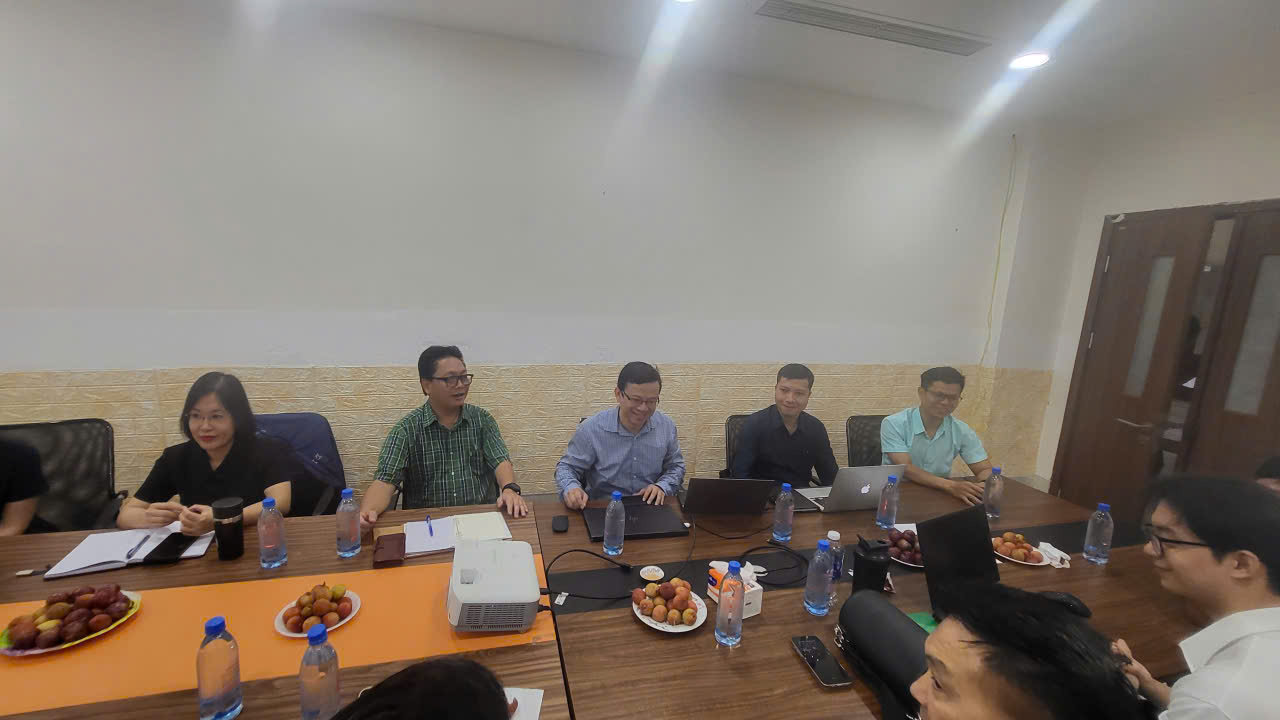
Perform: Thanh Vinh – Deputy Head of Technology Department
V Standard – Effective software records the history of the production process to serve the certification of Organic Agriculture
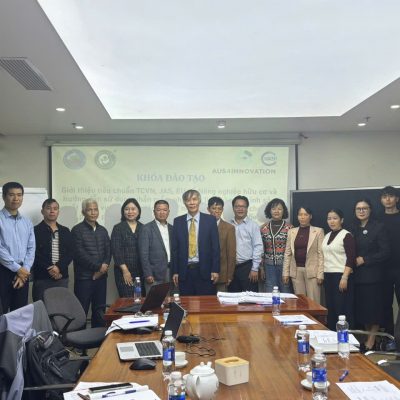
Bright 13/12/2025, at floor 6 – number 555 Lac Long Quan – Tay Ho – Hanoi, Institute of Applied Research and Environmental Remediation (IET) and Vietnam Institute of Agricultural Technology Application and Development (VITAD-AGRI) and Conformity Certification Center (QUACERT) Coordinated to organize the course "Introduction to TCVN standards, JAS, EU on Organic Agriculture and instructions for using software to record production history for third-party certification 3 for products that comply with the above standards and VietGAP standards”.
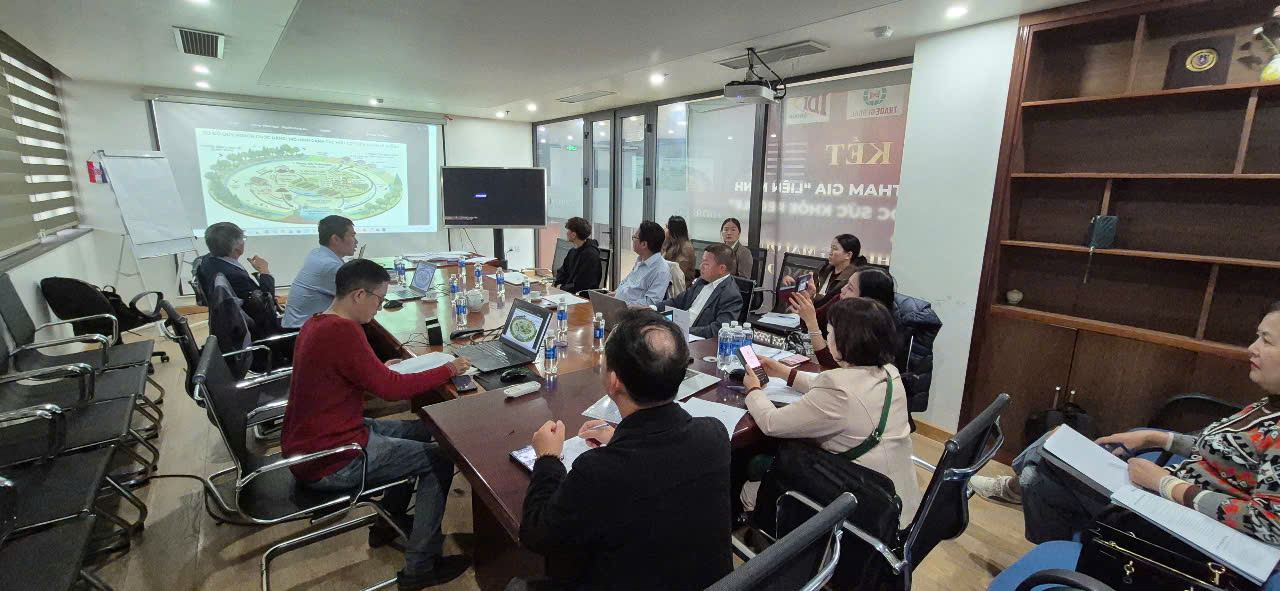
Overview of the course "Introduction to TCVN standards, JAS, EU on organic agriculture and instructions for using V-Standard recording software"
Delegates attended:
– Dr. Le Van Hung – Representative of the Institute of Applied Environmental Remediation Research (IET), host the course.
– Dr. Pham Dinh Nam – Director of Vietnam Institute for Technology and Agricultural Development (VITAD-AGRI), co-chair.
– MSc Nguyen Thi Hai Xuan, Manage JAS certification program and TCVN Conformity Certification Center (QUACERT) – Course coordination.
– MSc Doan Trung Dung, Management of EU certification program specialist Conformity Certification Center (QUACERT) – Lecturer.
– Along with nearly a hundred students who are agricultural experts from the Vietnam Organic Agriculture Association (VOAA), VITAD-AGRI, Representative of VFARM Geo-ecological High-Tech Agricultural Cooperative, Tien Dong Investment Joint Stock Company and a number of businesses (DN), Cooperative (HTX) agricultural engagement in person and online.
The course is an event marking a new step forward in research, Learn about Organic Agriculture standards (NNHC) domestically and internationally as well as applying software to record the history of the production process of products meeting organic standards.
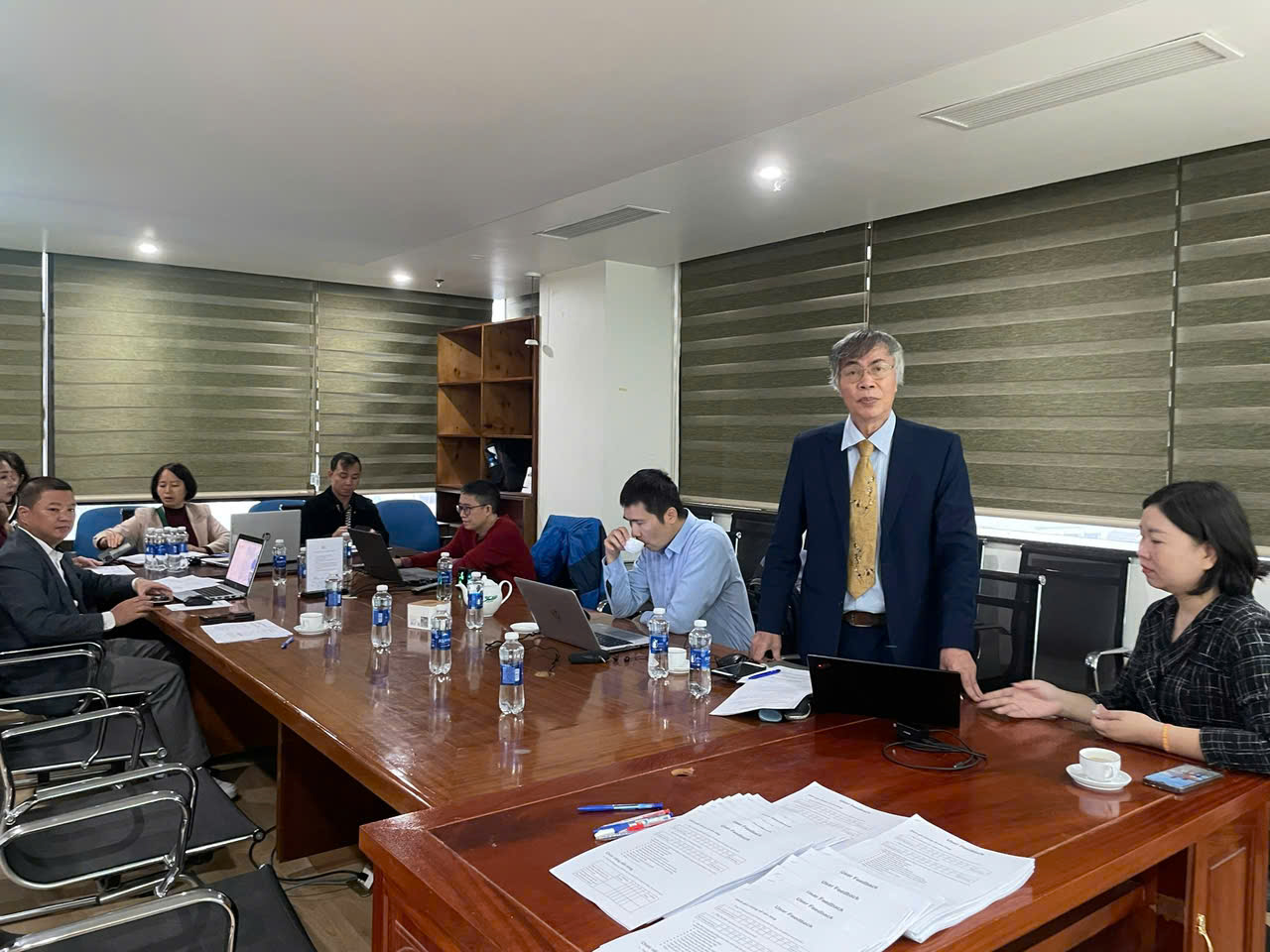
PGS. Dr. Le Van Hung – Representative of the Institute of Applied Environmental Remediation Research (IET), The course chairperson gives the opening speech of the course
Opening speech of the course. Associate Professor, Dr. Le Van Hung said: To serve the certification of organic and safe agricultural products, Need to clearly understand domestic organic standards as well as some of Vietnam's major export markets such as the EU or Japan. Want to do this, It is urgent to have software that records the history of the production process. So, Institute of Applied Environmental Treatment Research (IET) agreed to coordinate with the Conformity Certification Center (QUACERT) under the Ministry of Science and Technology and the Vietnam Institute of Technology Application and Agricultural Development (VITAD-AGRI) on organizing training courses and introducing TCVN Standards, JAS, EU on organic agriculture, Safe production according to VietGAP and V software instructions- Standard serves for product certification according to the above standards. This is a project to digitize agricultural standards management, support farmers, Cooperatives and stakeholders comply with standards, transparent traceability and enhance the value of agricultural products through the website & mobile app. This course will provide practical guidance on using the V-Standard platform (keep a diary, production operations management, …) and traceability processes.
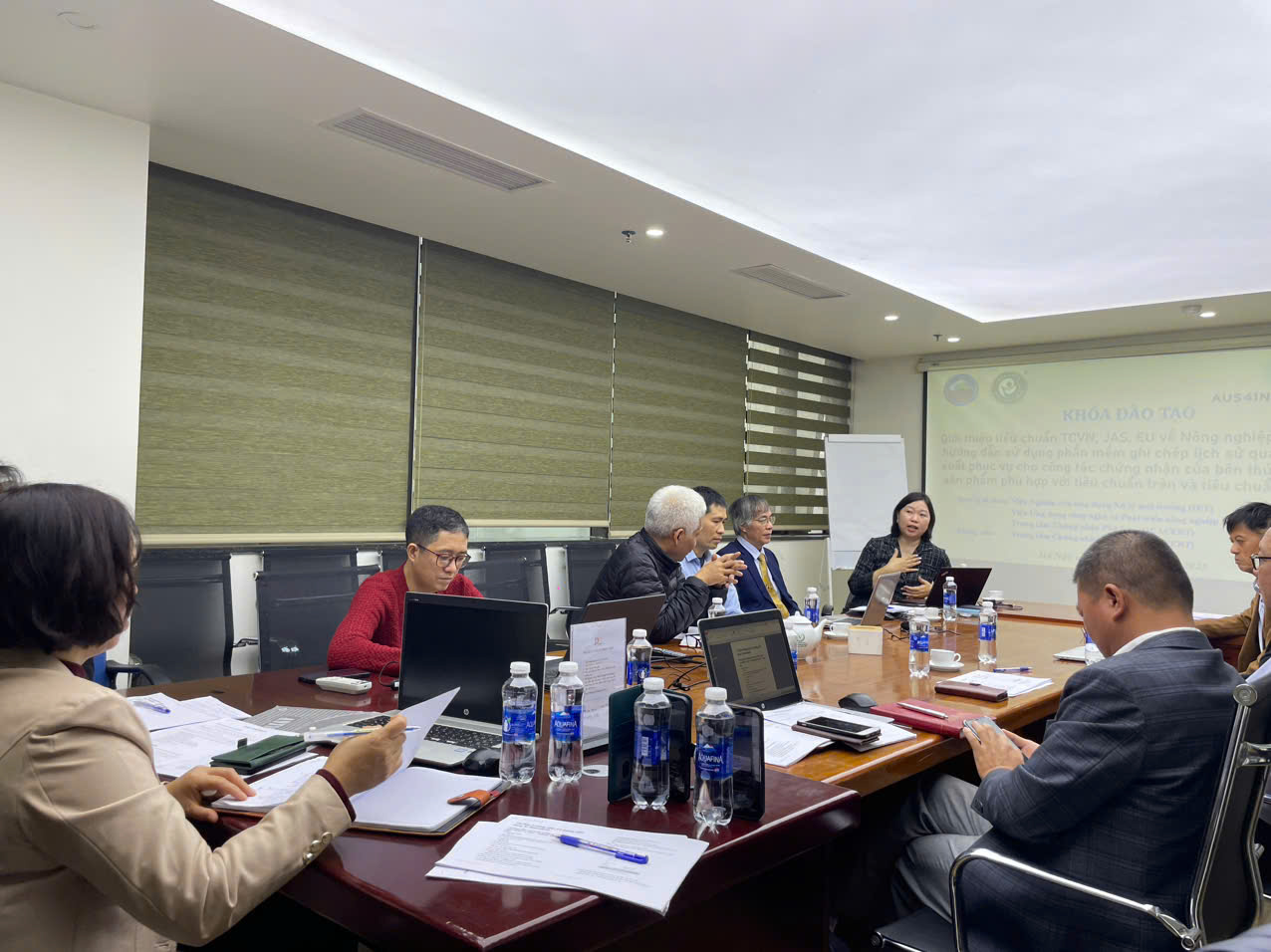
MSc Nguyen Thi Hai Xuan, Conformity Certification Center specialist (QUACERT) – Course coordination
Next, MSc Nguyen Thi Hai Xuan, Conformity Certification Center specialist (QUACERT) – Course coordination – presented a brief overview of organic certification according to JAS standards, TCVN and introduction The lecturer of the course is MSc Doan Trung Dung, Conformity Certification Center specialist (QUACERT) Start training program.
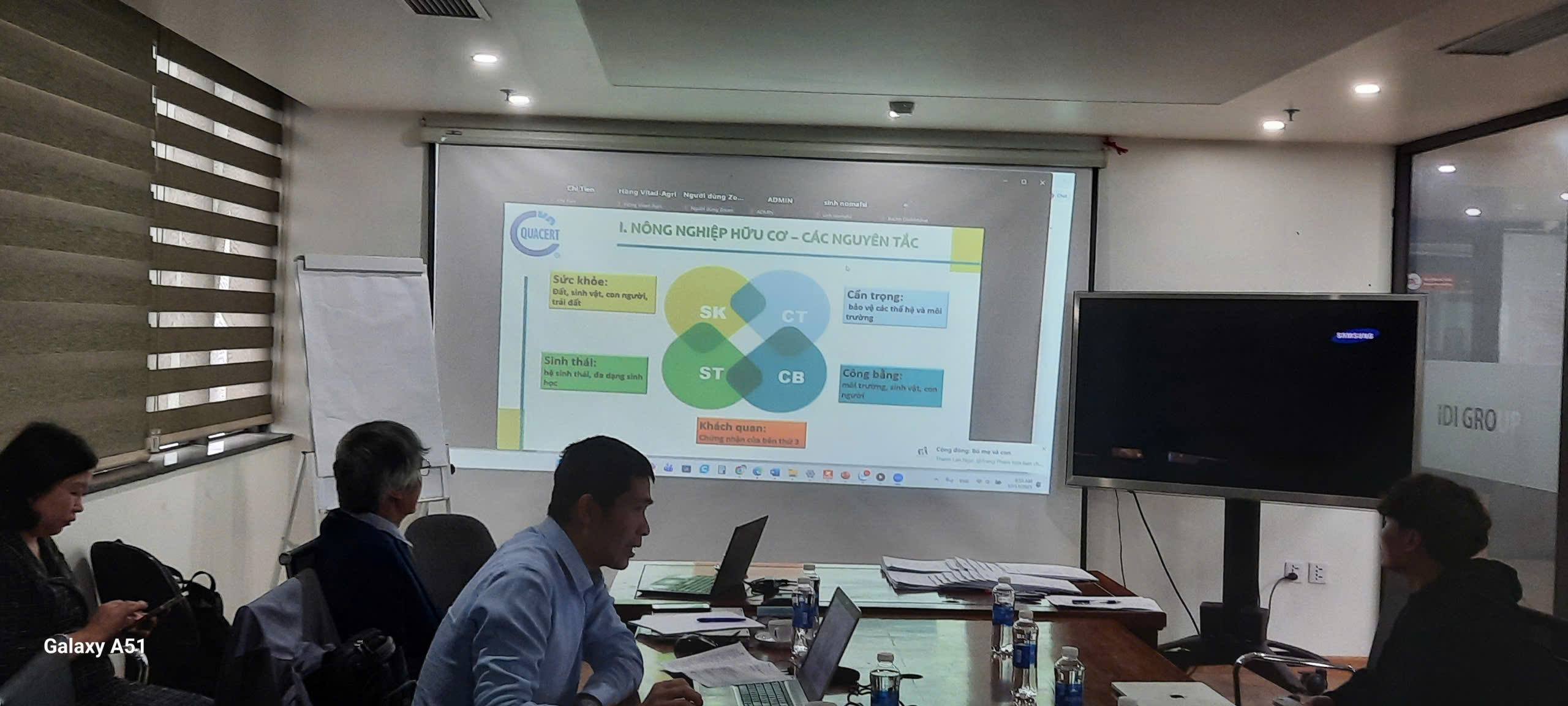
MSc Doan Trung Dung – Conformity Certification Center specialist (QUACERT) – Course instructor.
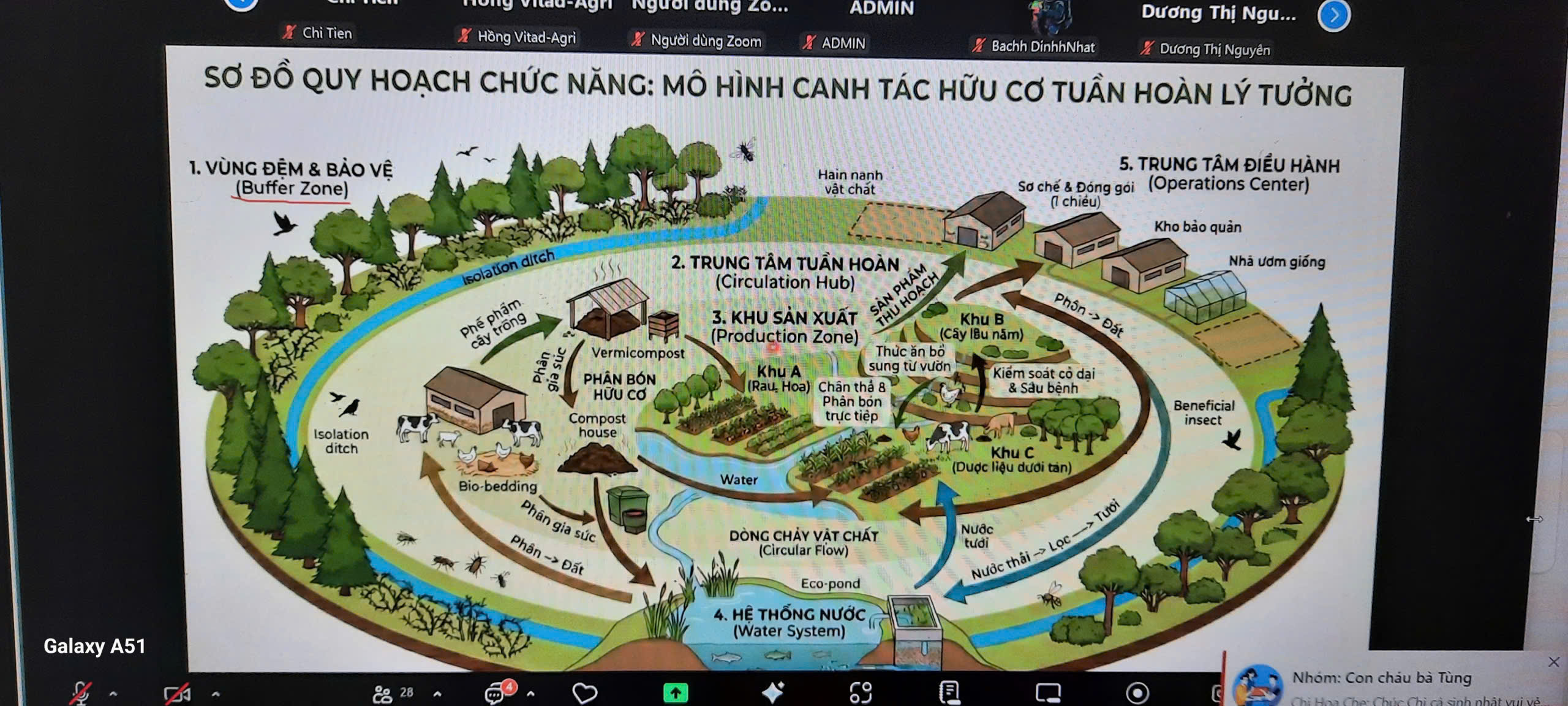
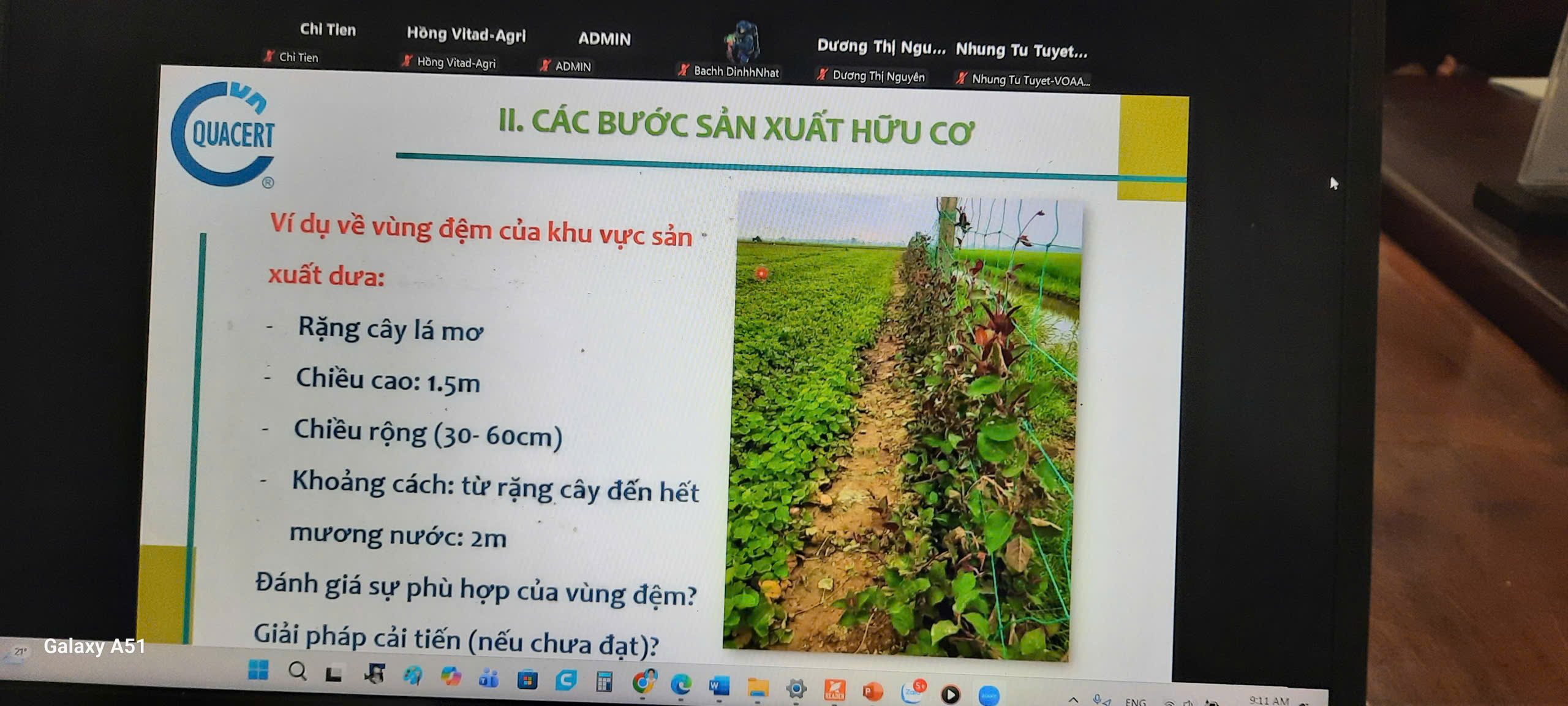
In the first part of the program, MSc Dung introduced Vietnamese standards (TCVN 11041), Japanese standards (JAS) and EU regulations (Reg.2018/848) about organic agriculture. The presentation is quite detailed, from the principles of production to the main steps in organic agricultural production. He introduced "Functional planning diagram: "Ideal circular organic farming model", From there, we point out the basic principles in administrative agriculture according to the criteria: Target, Input, Pests, Energy and waste; Analyze organic production steps in sequence: Select production area; Selection, Input management and use; Control of organic production; Preliminary processing – Processing – Packaging – Preservation; Labeling.
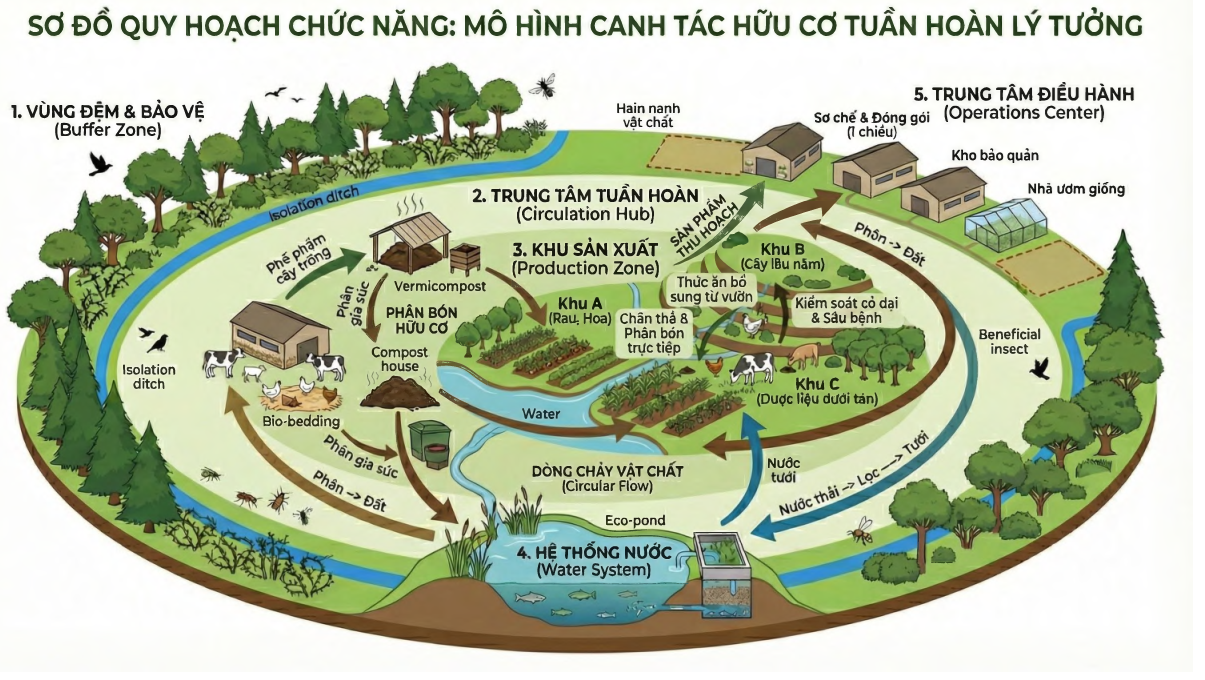
Functional planning diagram of the ideal circular organic farming model
Next part, MSc Dung explains the differences between organic standards/regulations. This is a particularly important point because it helps businesses, Agricultural cooperatives understand the requirements for their products depending on the needs of domestic distribution or export to which country/region.. Difference about: Management mechanism; Certificate validity; Certified subject; Input materials; Production process; Conversion time; Labeling and Sales are thoroughly analyzed and taught by him. The most prominent points of difference between the standards are: There is no equivalent mechanism, only bilateral recognition and certificate validity (TCVN 11041: Max 02 year; JAS: There is no deadline; ME: Max 03 year).
After finishing the lecture on organic standards, Course instructor – Master Doan Trung Dung received some comments and questions from the students, Among them are two "outstanding" issues today. Doctor of organic chemistry Nguyen Van Ngoc – Representative of Tien Dong Investment Joint Stock Company (specializes in producing and trading organic fertilizers) I believe that finding an organic certification organization is quite time-consuming, while the validity of the certificate is only two years, After two years, it must be reissued. Ms. Vo Thi Thanh Nhan – Representative of VFARM Geo-ecological High-Tech Agricultural Cooperative (specializes in manufacturing and trading biological products and clean agricultural products) reflects the situation of mixing unclean products with organic products, causing risks affecting human health and the income of businesses., The organic agricultural cooperative is genuine but currently there is no force to inspect and punish promptly.
MSc Dung replied, Although the certificate validity period is different in each country, but also the EU (Italy 03 year, France and Germany 01 year), JAS (indefinitely) or TCVN (02 year) But they all have in common the requirement for annual compliance inspection by a certification organization/competent organization.. In case of violation, The certificate will be revoked or suspended immediately, no matter how long the deadline is on the paper. The real value lies in maintaining an organic management system on a daily basis to pass unscheduled or annual inspections. Particularly with Japanese JAS standards, Discipline in maintaining records is a vital factor for businesses/cooperatives because they do not use the expiration and re-issuance mechanism like Vietnam or the EU..
Regarding the situation of mixing unclean products with organic products, MSc Dung explained that the State and authorities are currently looking for mitigation solutions, prevent this situation and will gradually put it into law. One of the solutions is to create Vi-Standard software to record the history of the production process for third-party certification. 3 for products that comply with the above standards and VietGAP standards that we will install and instruct on use after the break.
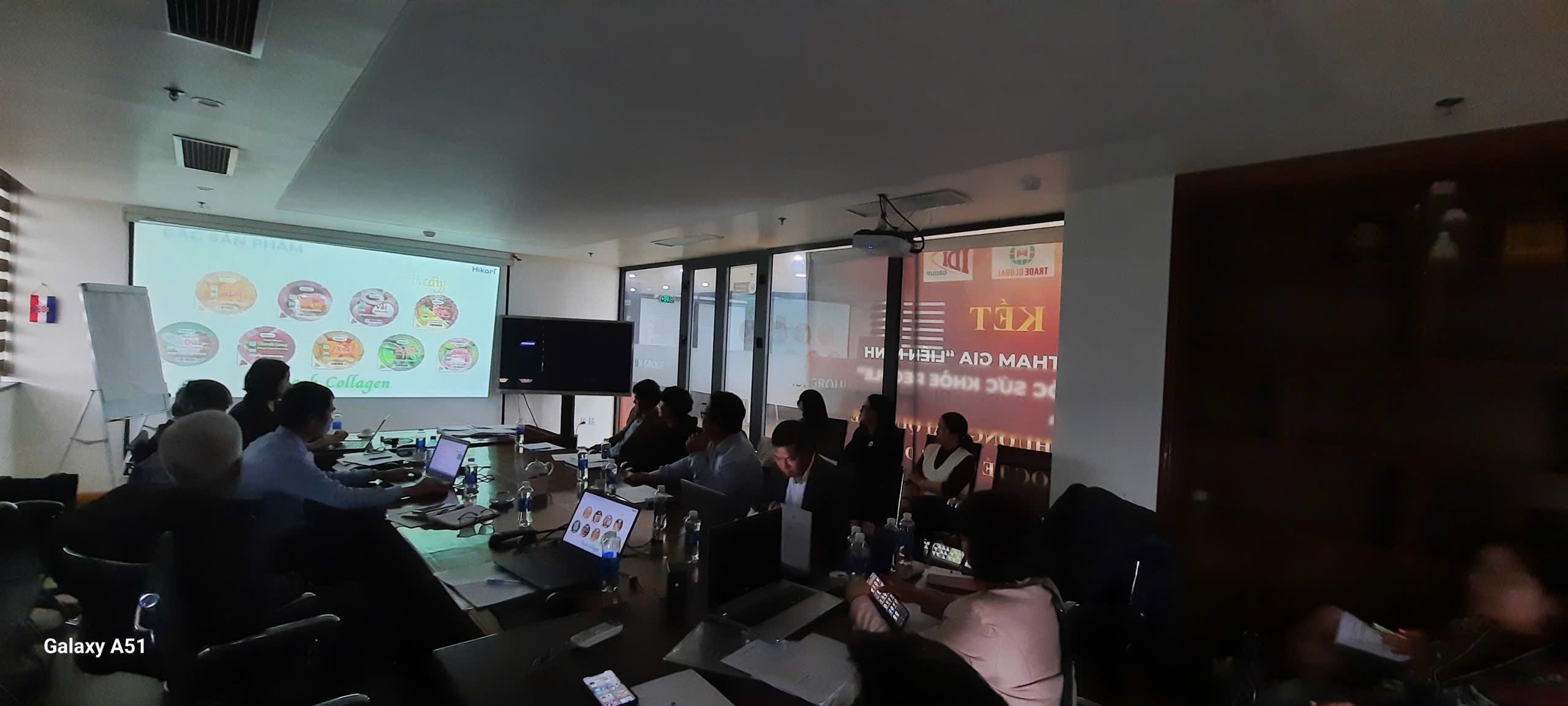
Dr. Pham Dinh Nam introduced the Hikari Da Lat high-tech agriculture model
After recess, Dr. Pham Dinh Nam spent a few minutes introducing the Hikari Da Lat high-tech agriculture model with the third largest export processing factory in Southeast Asia and a growing area of up to 250 hectares., including fruit and vegetable jelly products, which are snacks that students enjoy during break time. According to him, Large agricultural corporations like Hikari will need agricultural standards management software, support farmers, Cooperatives and stakeholders comply with standards, transparent traceability and enhance the value of agricultural products like V-Standard.
Completely agree with Dr. Nam's opinion, Course instructor – Master Dung leads the lesson to part two: Instructions for using V-Standard – Software to record the history of the production process for third-party certification 3 for products that comply with the above standards and VietGAP standards:
– Step 1, Install V-Standard software via QR code or link https://onelink.to/zhwysm .
– Step 2, Register an account, Users need to register information according to the table, in which the information is marked * cannot be left blank.
– Step 3, Log in to your registered account.
– The next steps are performed through an interface that is relatively easy to input: See standard, Keep a diary; Manage; Personal profile. These sections are branched for ease of use, update.
MSc Dung just explained, Instructions for both in-person and online students to install and try out this software.
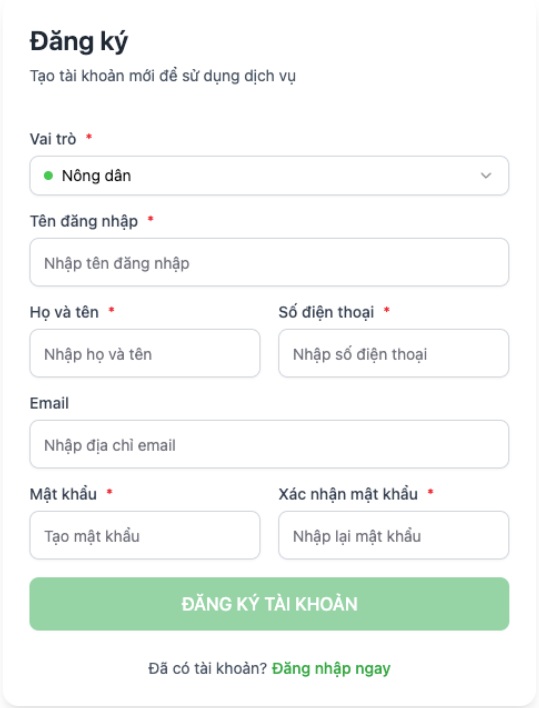
Main page interface of the software
Due to limited time, Class ends at 11:45 a.m., After all students have downloaded the V-Standard software, setting, Register an account, Successfully logged in and used some main items of the software, Take a survey about your experience with this software.
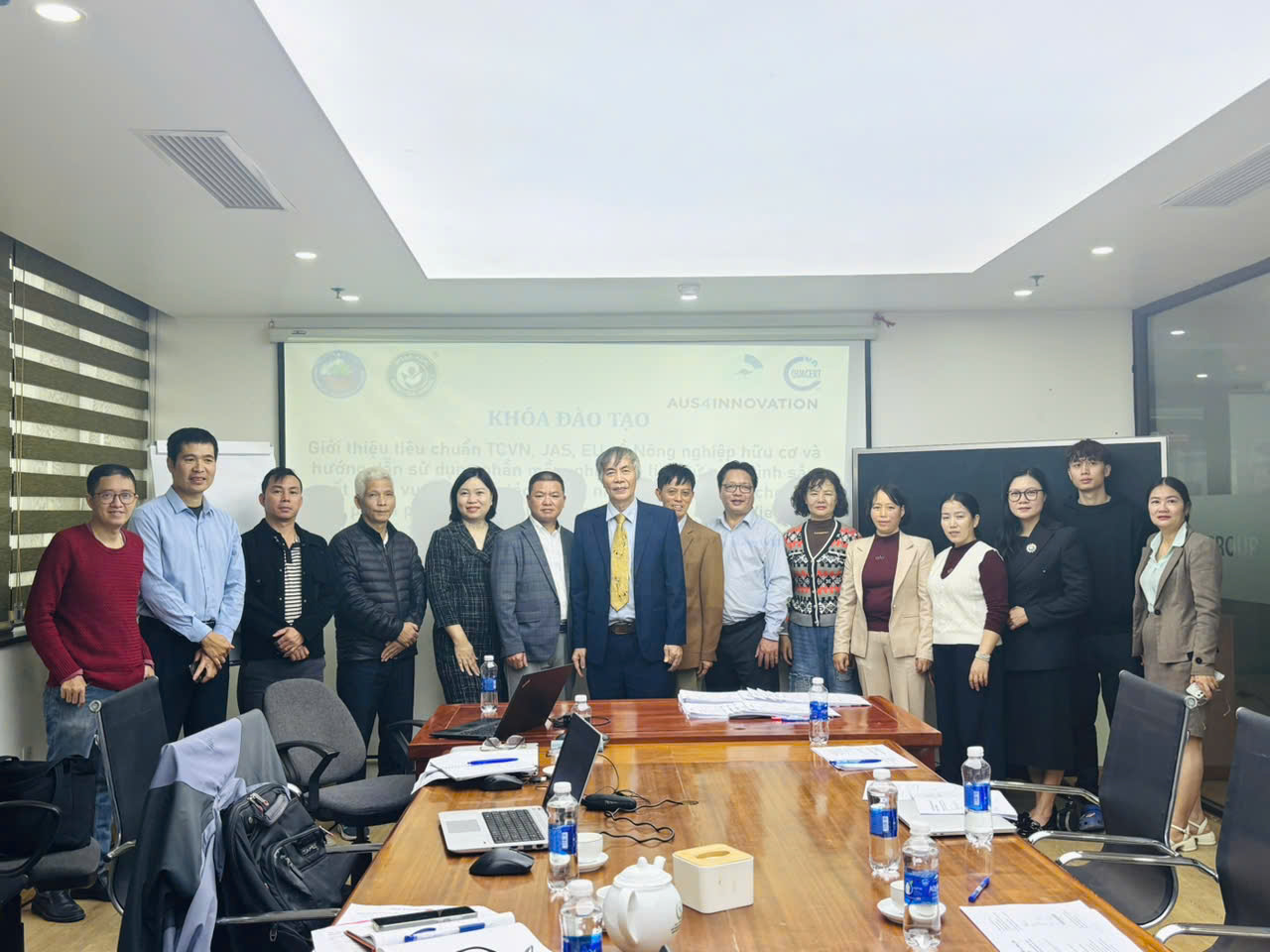
The attending members took souvenir photos at the end of the class
After class, The members who directly attended the lesson sat down together to discuss more about the lesson. There are some opinions that V-Standard software is easy to use and especially useful in the standards library., Convenient for searching, especially foreign standards/regulations such as the EU, JAS have all been translated into Vietnamese; However, the interface is not eye-catching and there are a lot of steps, may cause omissions or errors. MSc Dung and MSc Xuan are very happy and look forward to receiving suggestions to help QUACERT soon complete this software.. The course organizers propose to organize seminars related to organic farming and modern application software suitable for this profession in the future., At the same time, we also hope that there will be more similar training sessions in the near future to disseminate knowledge related to organic farming and soon put V-Standard software into effective application after completion at the host units of participating students as well as businesses., Other agricultural cooperatives nationwide.
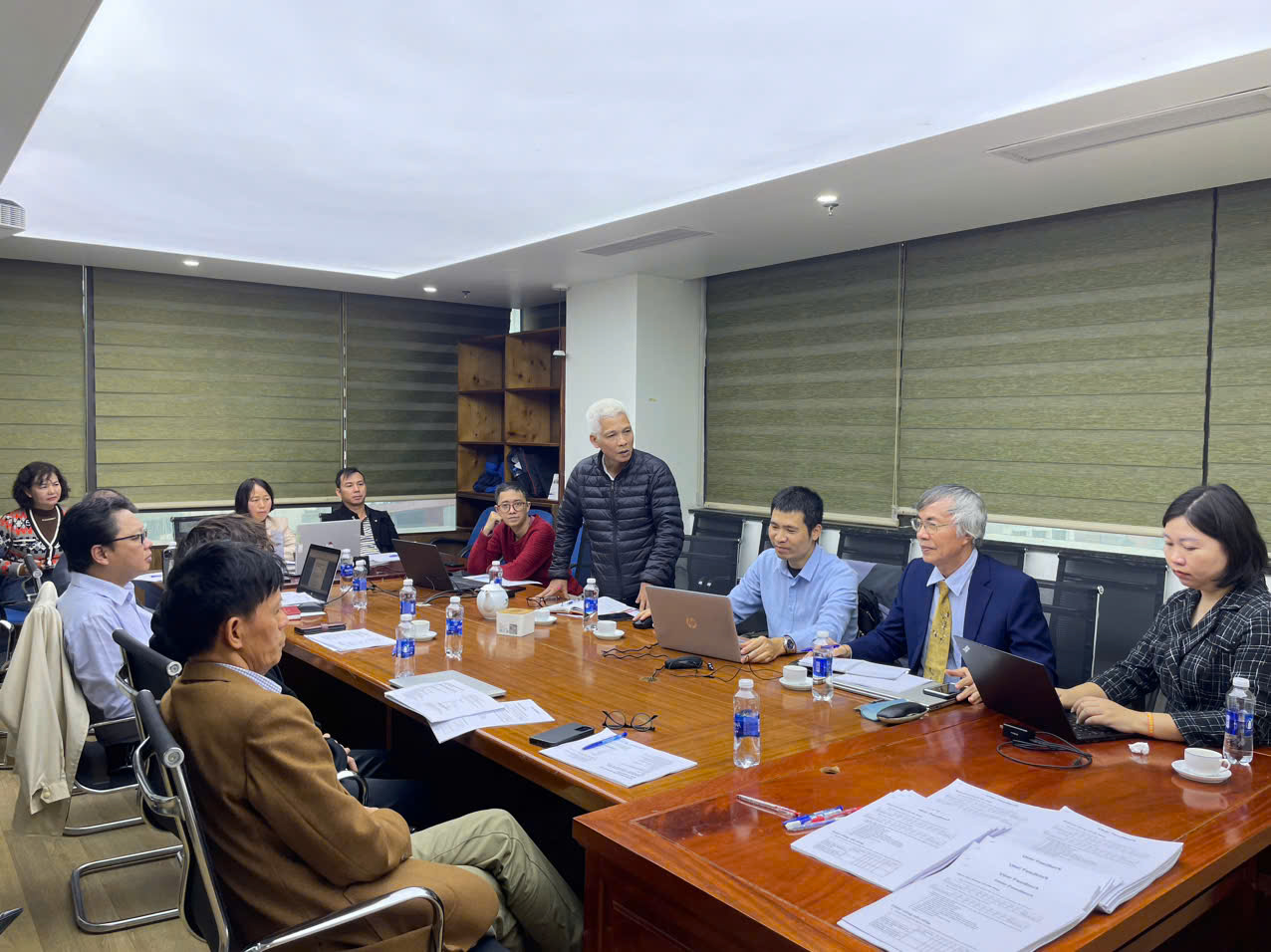
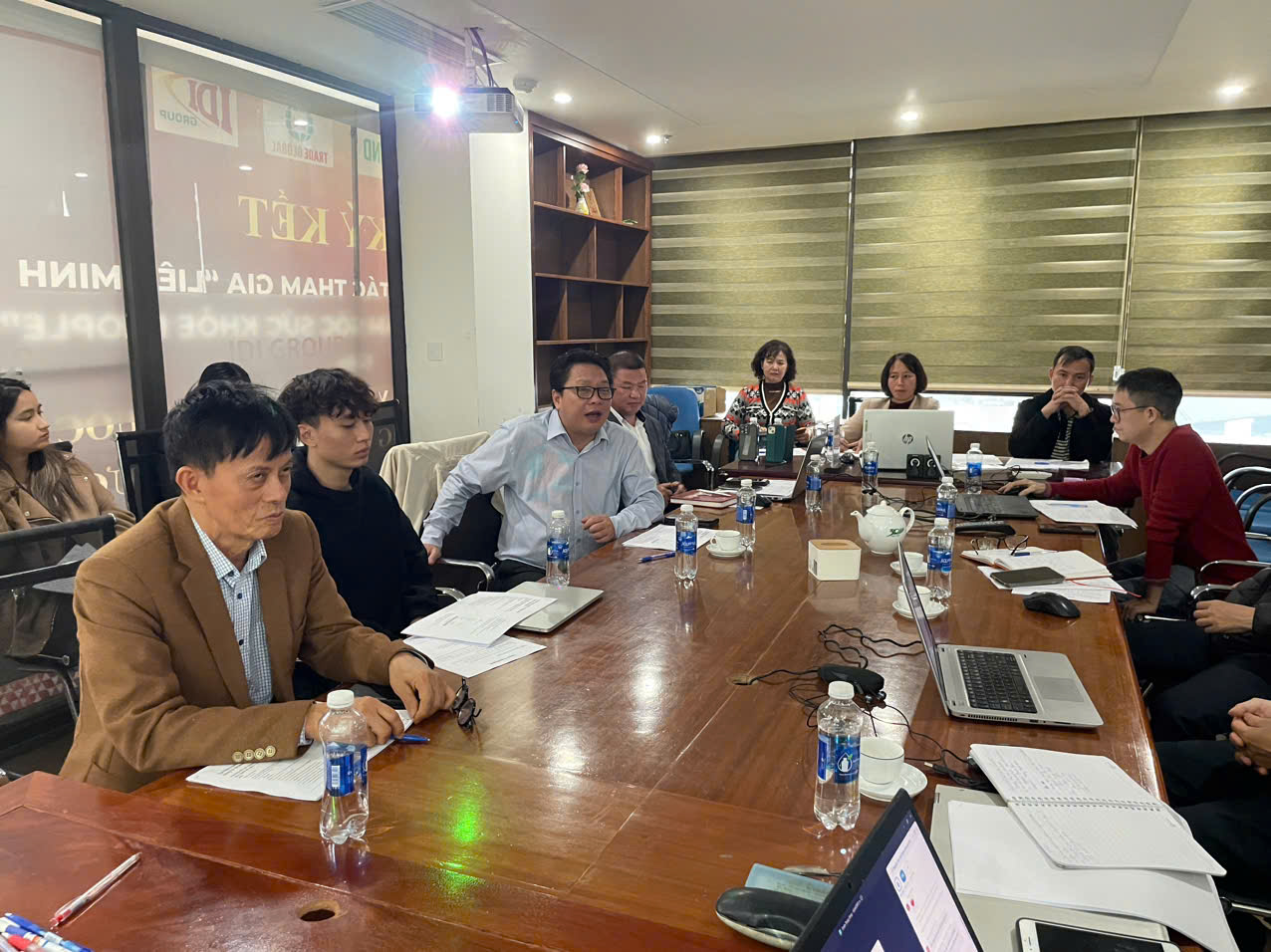
Below are some other pictures of the lesson.
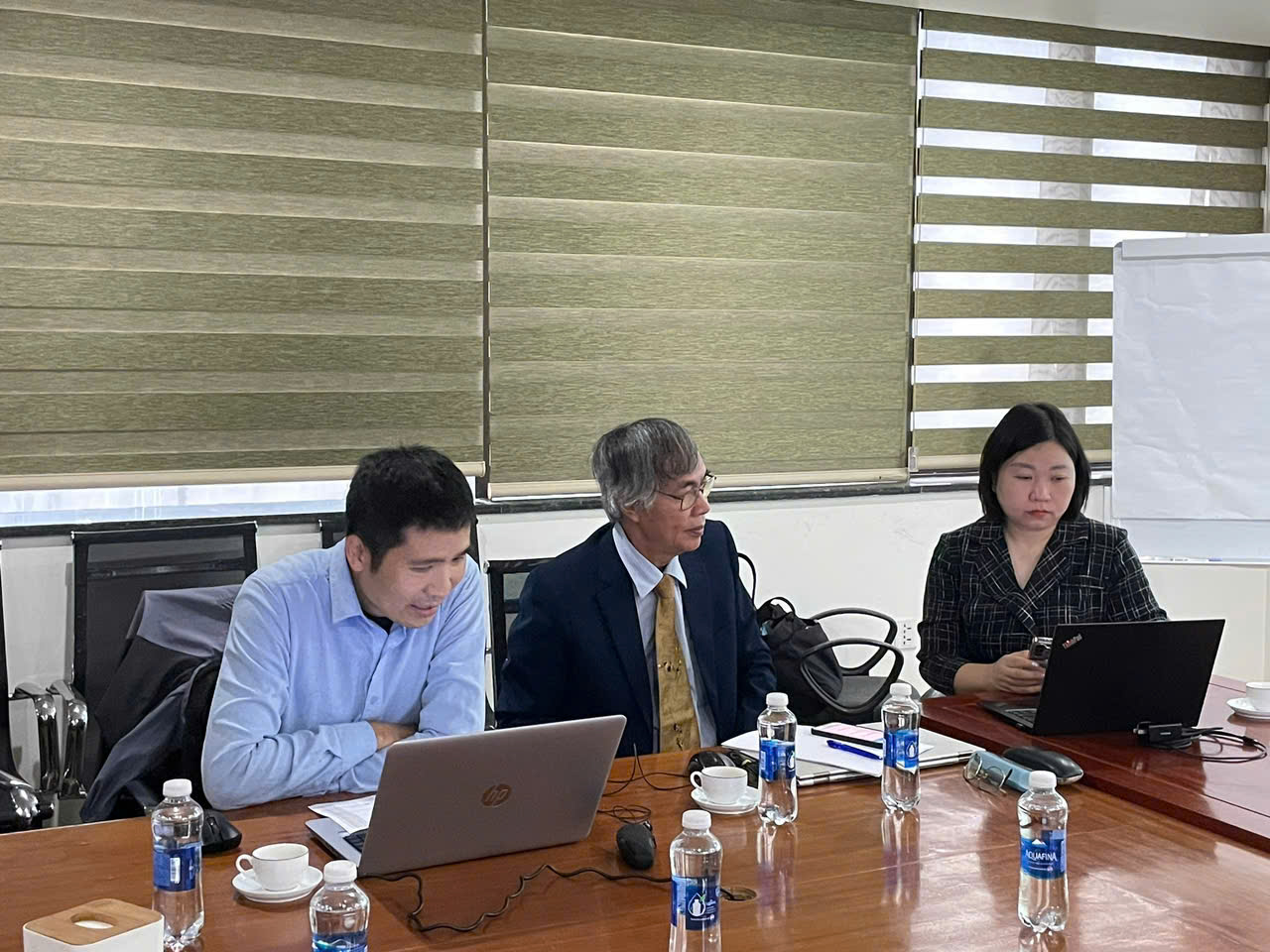
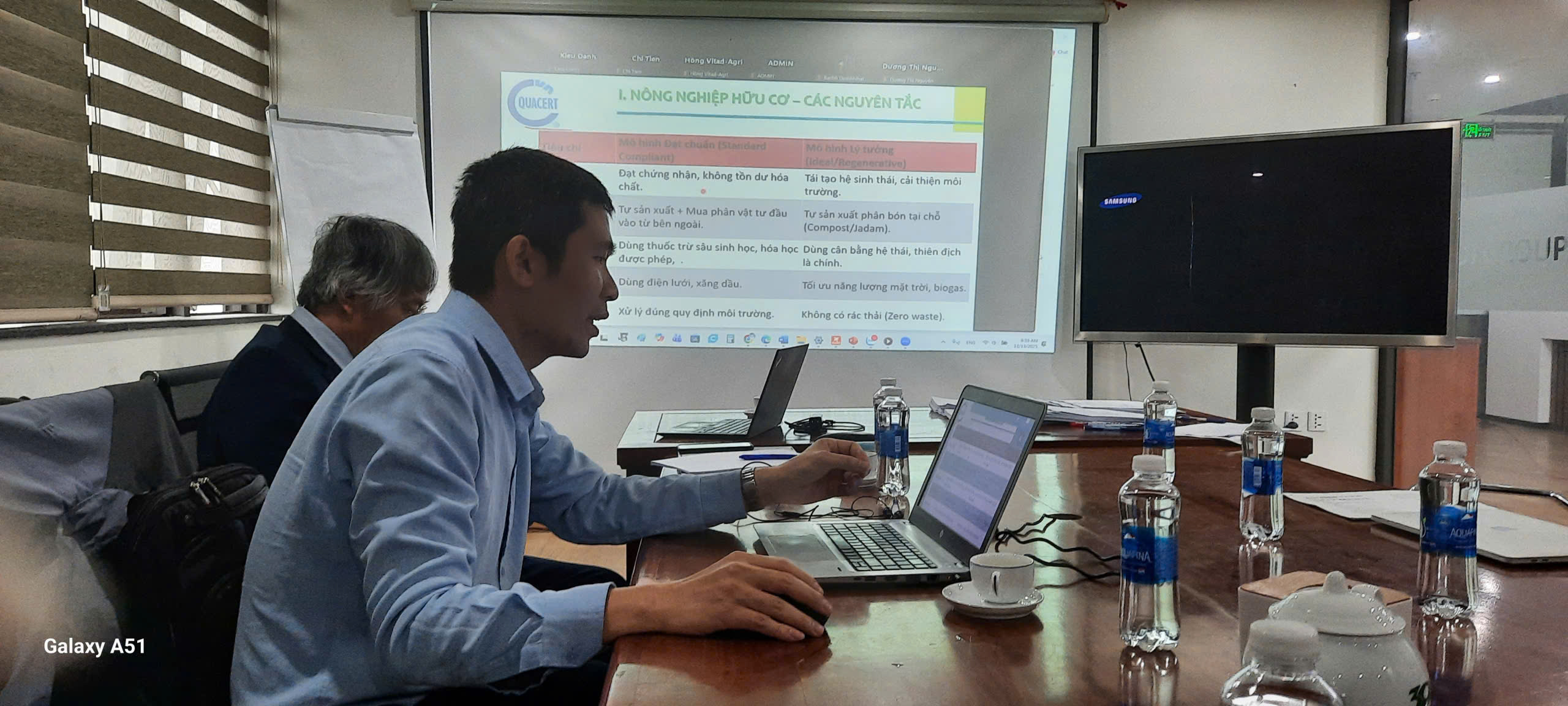
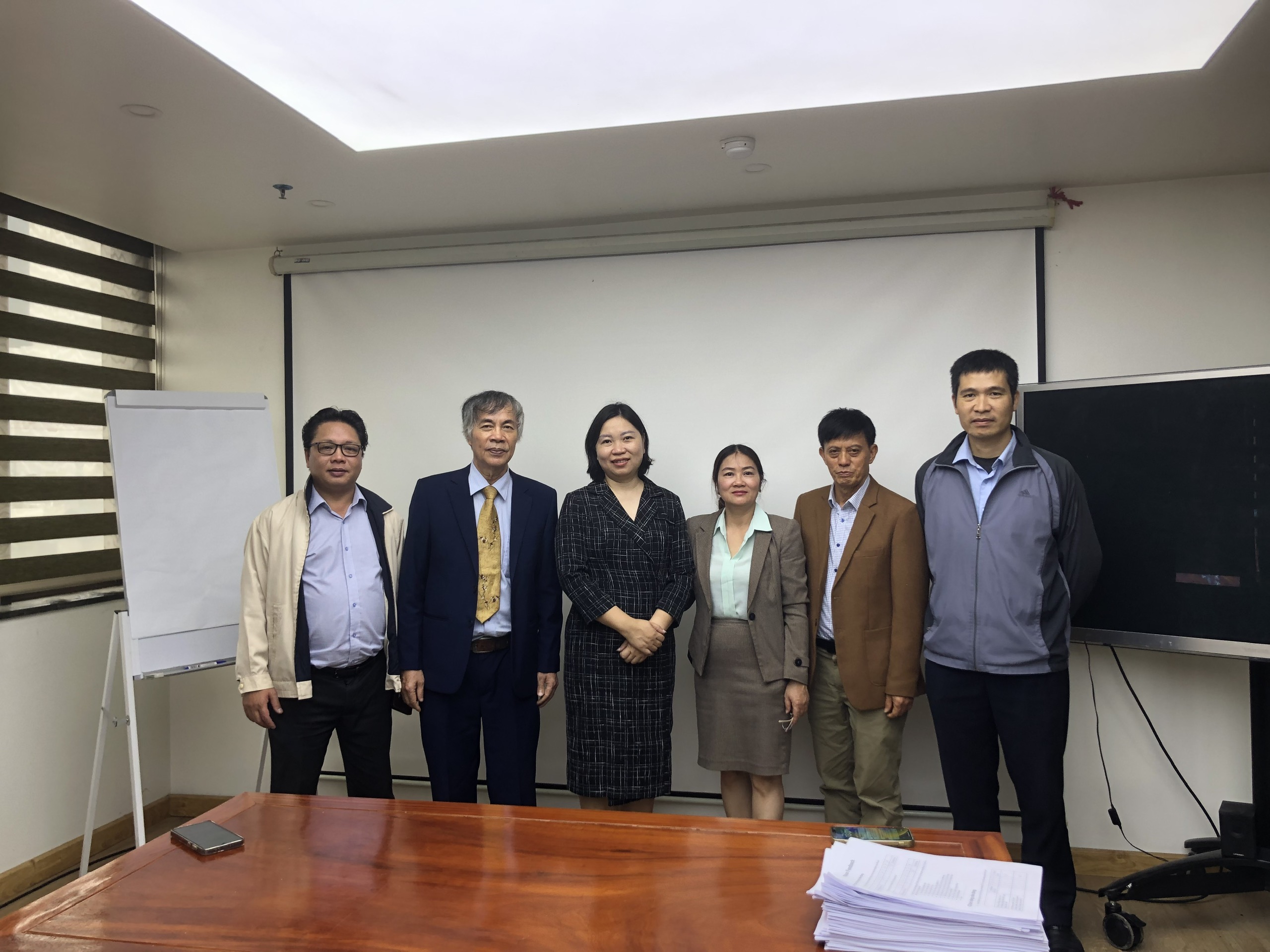
Perform: Le Ngoc Thanh Vinh – Deputy Head of Technology Department, Vietnam Institute of Agricultural Technology Application and Development (VITAD – AGRI)
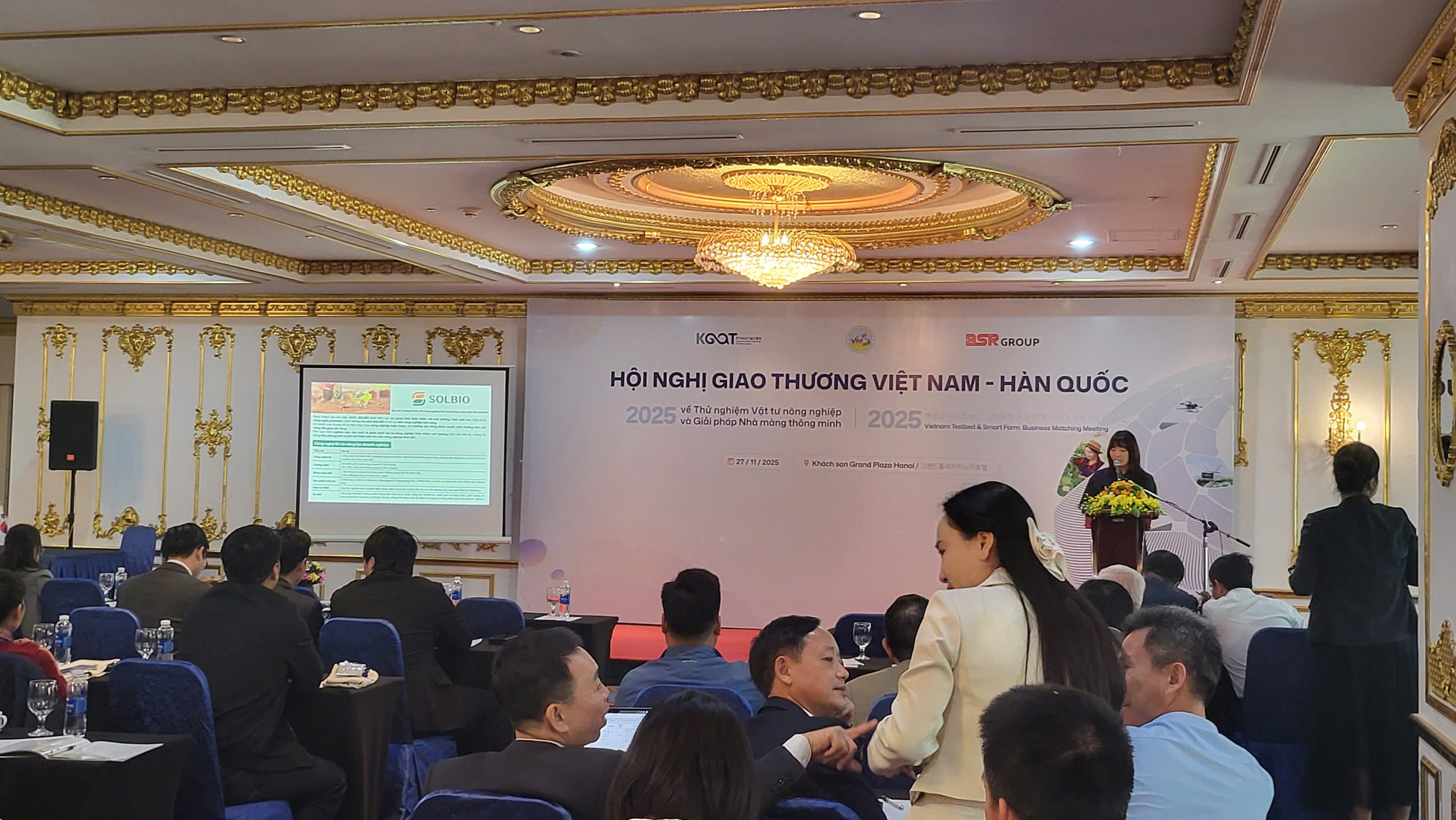
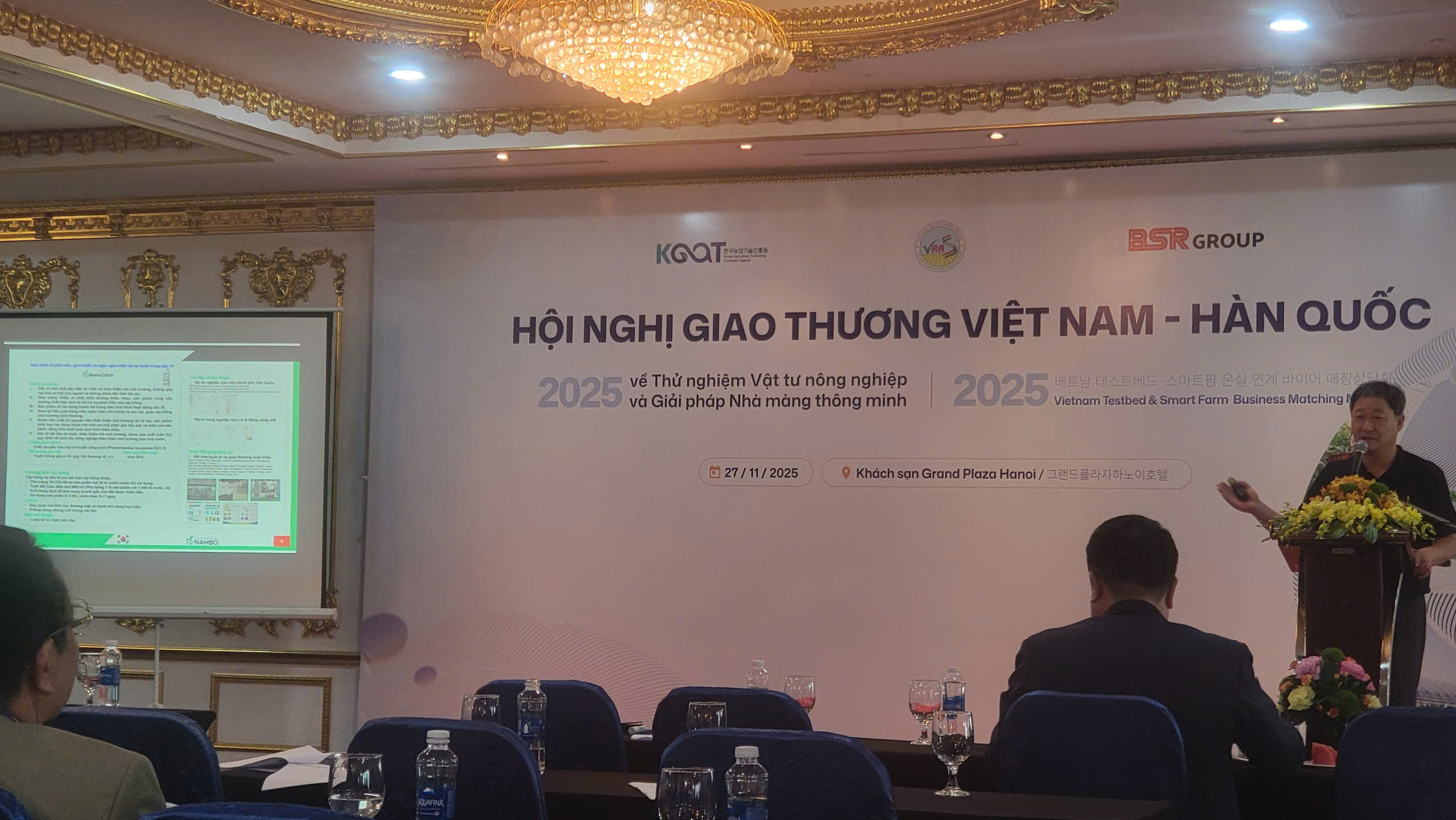
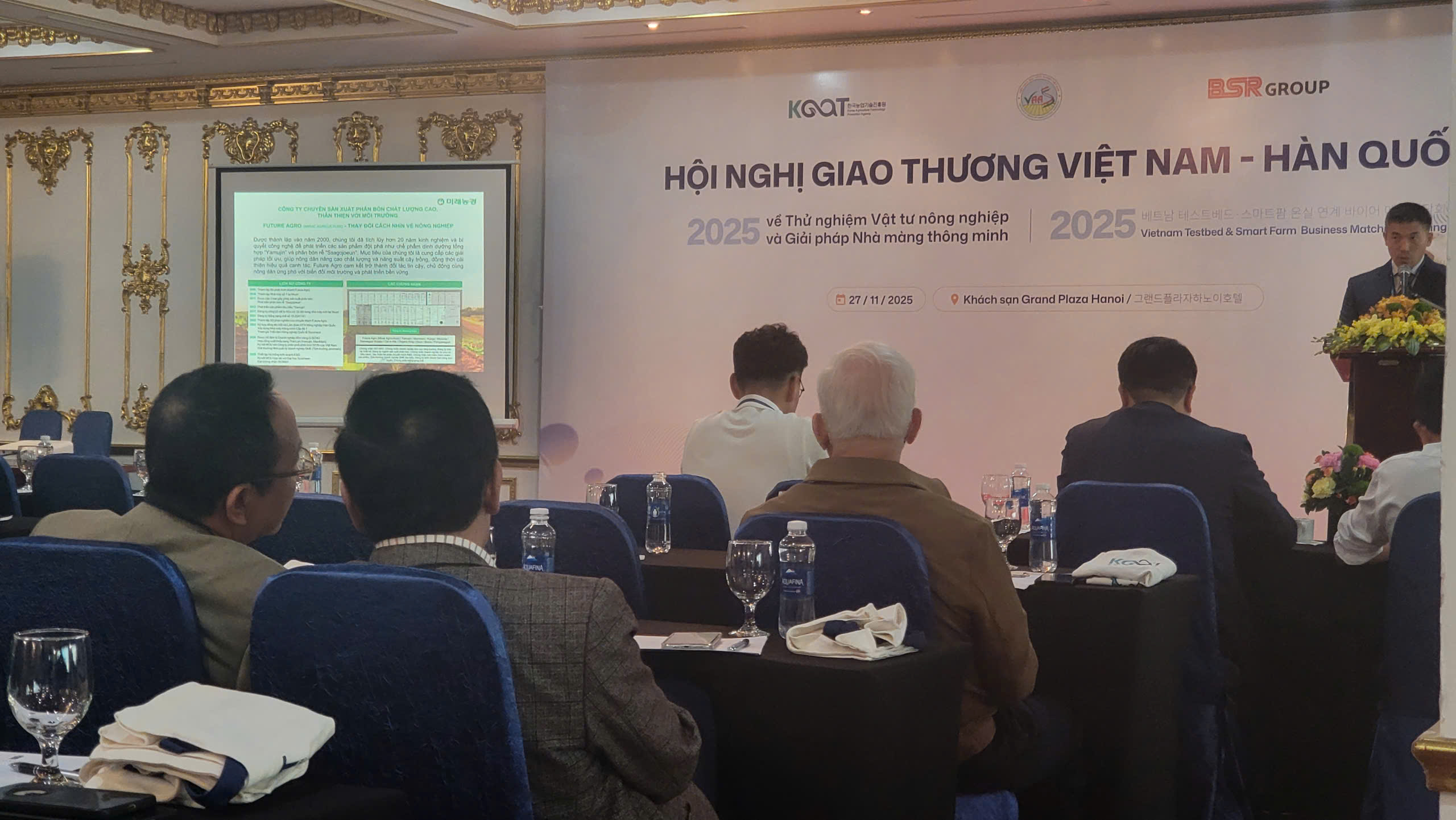
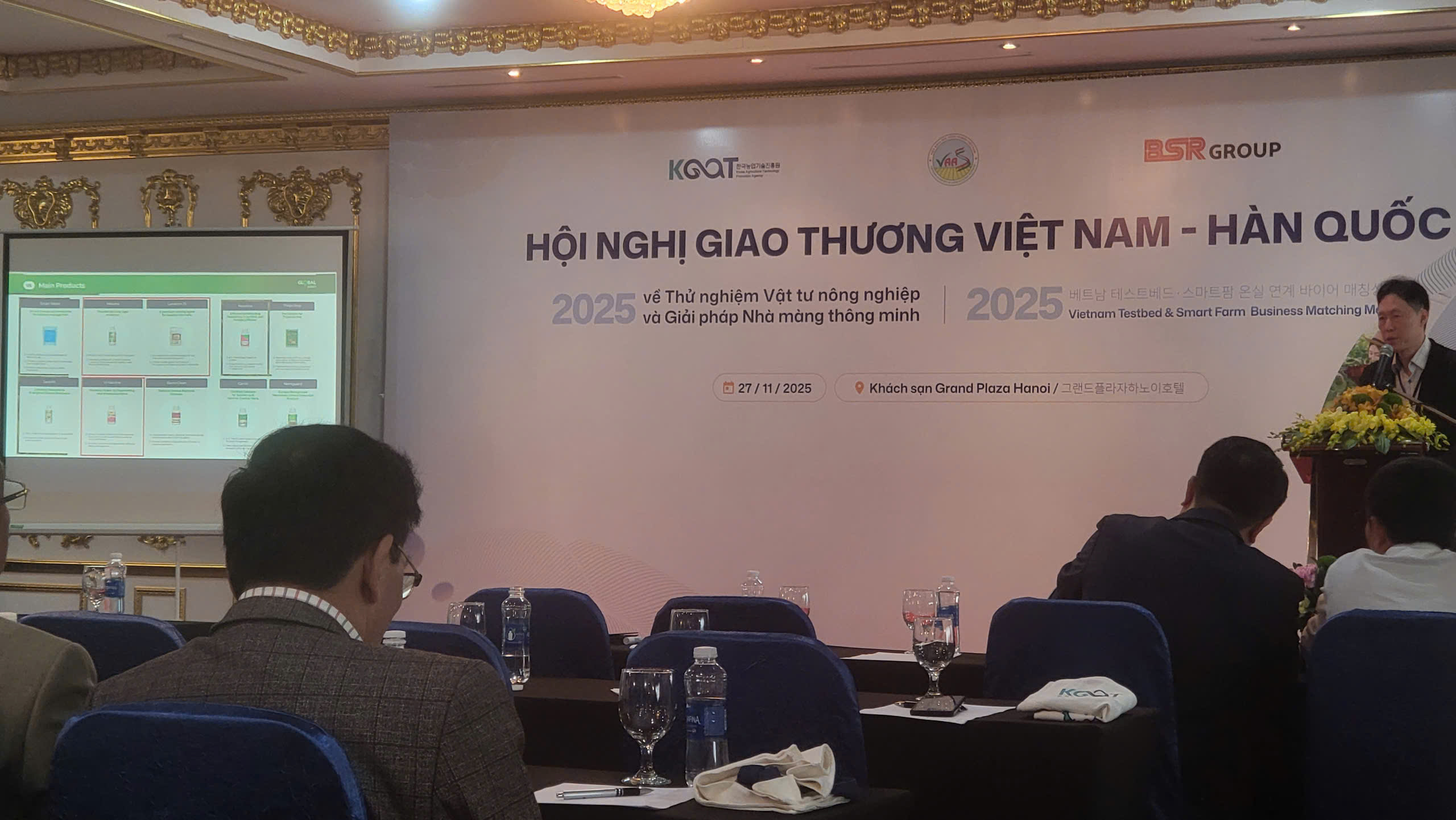
Conference meeting, share information about science and technology, products serving the development of the agricultural industry between Korean and Vietnamese enterprises (p2)
In part two of this Conference, Many advanced agricultural technology and product companies from Korea and Vietnam have signed important commercial contracts with each other..
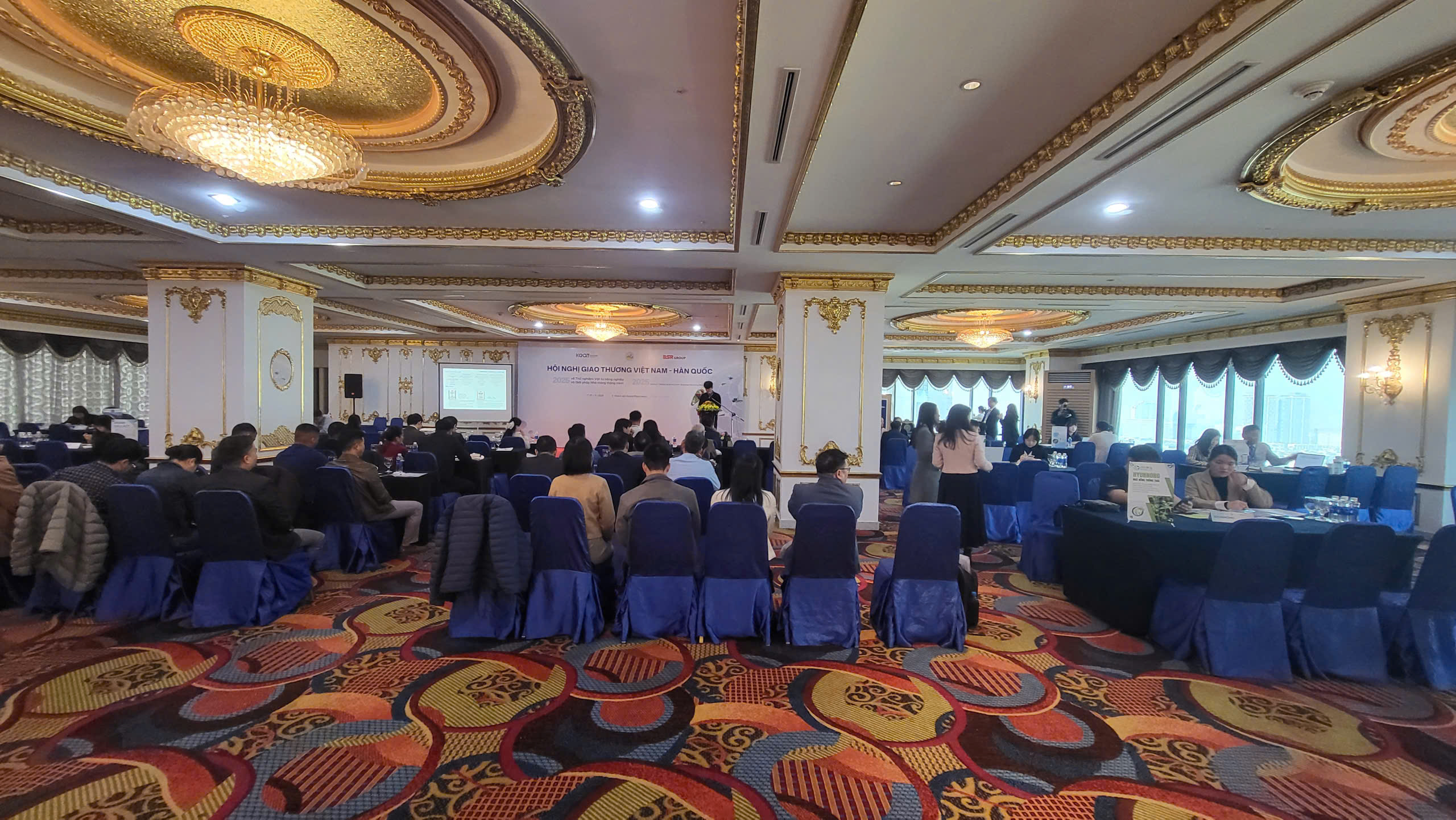
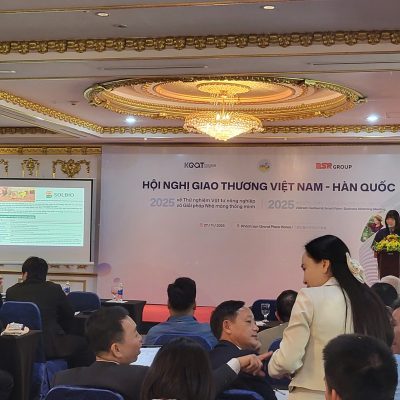
Overview of part two "Introduction and Promotion of Trade Workshop, Connecting Vietnam Industry – Korea 2025”
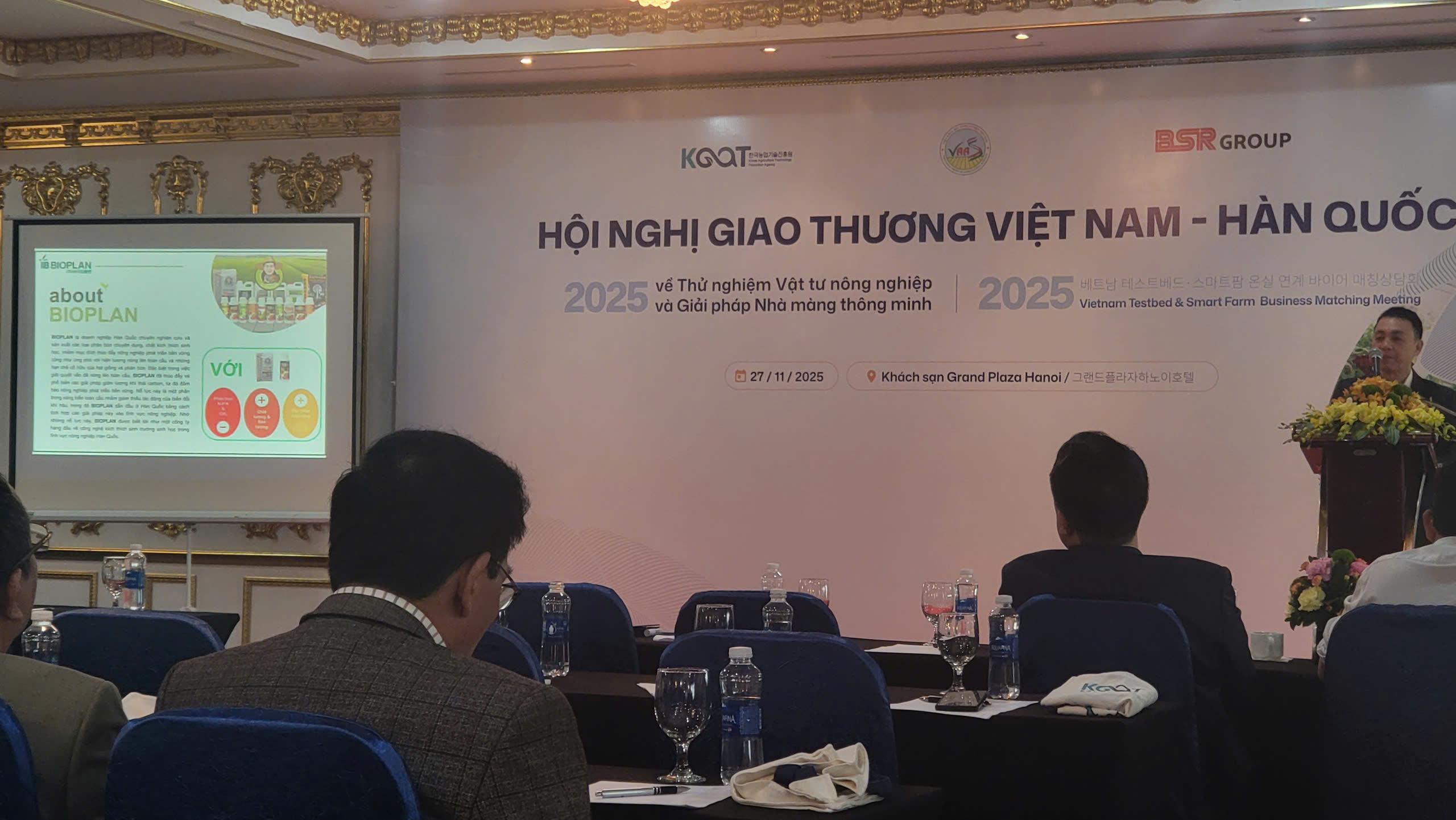
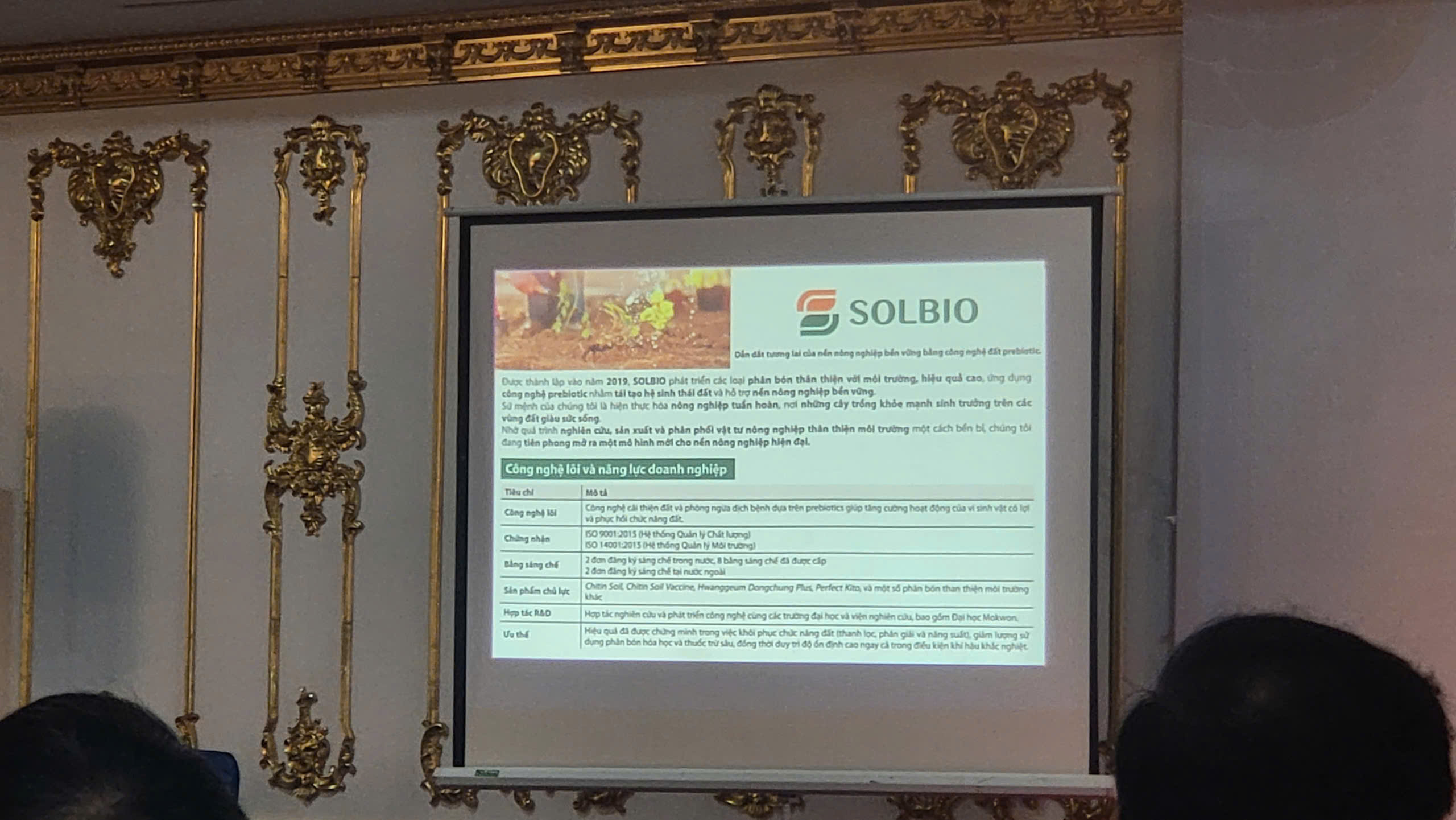
Day 27/11, Korea Agricultural Technology Promotion Agency (Koat) Continue to organize part two "Introduction and Trade Promotion Workshop"., Connecting Vietnam Industry – Korea 2025” at Grand Plaza Hotel, number 117 Tran Duy Hung, Hanoi. Here 12 Korean advanced agricultural products and technology company briefly presented advanced agricultural technologies and products, including fertilizers and pesticides, consistent with the practical needs of the business, Vietnamese cooperatives and localities. From here, Some companies have received orders from Vietnam as well as a number of cooperation agreements on technology transfer and trade with Vietnamese partners..
Below are some pictures of part two "Introduction and Promotion of Trade Workshop"., Connecting Vietnam Industry – Korea 2025” at Grand Plaza Hotel.


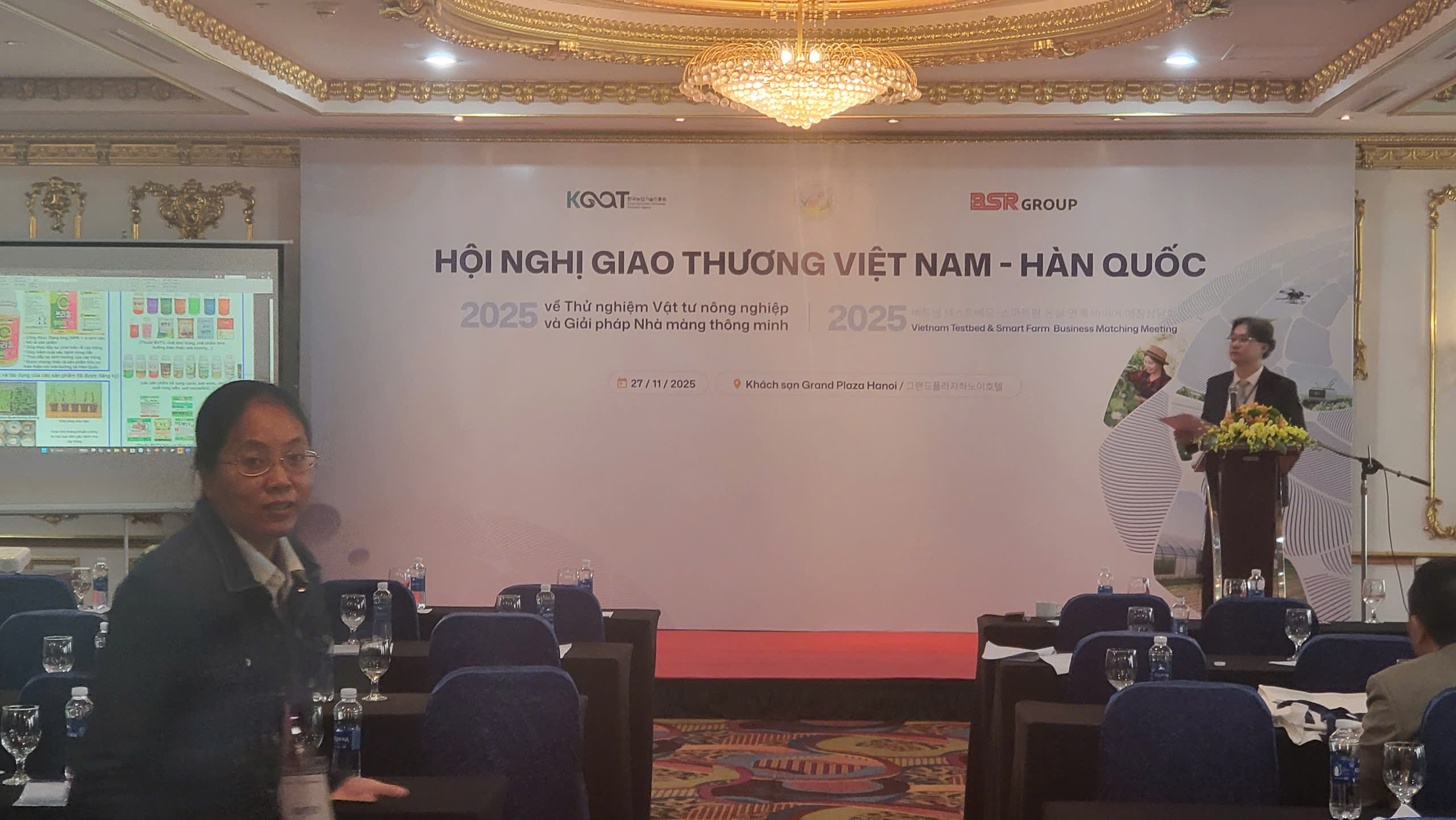
Perform: Thanh Vinh
There are many policies to support farmers, cooperatives and businesses
Voters in Hung Yen province proposed to have a policy to link farmers with export businesses to create synchronization in linking production and consumption..
Agricultural extension leads the sustainable development of key crops in the Central Highlands
Many households escaped poverty thanks 2 breeding cows of the linked project
Training on organizing production links, develop agricultural value chains
Forming thousands of linkage models associated with standard agricultural raw material areas
Respond to suggestions, Ministry of Agriculture and Environment said, The current, Many policies have been issued to directly support the link between farmer, cooperatives and businesses, especially export enterprises such as: Decree No. 98/2018/ND-CP dated 5/7/2018 on policies to encourage cooperative development, linkage in the production and consumption of agricultural products; Project "Pilot construction of agricultural raw material areas, forest products meeting standards for domestic consumption and export in the period 2022-2025" according to Decision No. 1088/QD-BNN-KTHT dated 25/3/2022; Project "Sustainable development of one million hectares specializing in high-quality rice cultivation with low emissions associated with green growth in the Mekong Delta until 2030" according to Decision No. 1490/QD-TTg.

Ministry of Agriculture and Environment said, The current, Many policies have been issued to directly support links between farmers, cooperatives and businesses, especially export enterprises. Image: Le Hoang Vu.
The Ministry of Agriculture and Environment has also focused on direction, Guide localities to build raw material areas with planting area codes, Meets food safety and traceability standards for export; regularly organize forums, supply connection conference – demand for agricultural products, domestic and foreign trade promotion fairs, Create a direct bridge between farmers, cooperatives with export enterprises.
At the same time, coordinate ministries, industry removes technical barriers, open the market for Vietnamese agricultural products; Regularly update information about needs, tastes and popularize regulations on domestic and foreign markets; Organize mining skills training workshops, search, market information forecast, connection between production, consume.
Now, Thousands of association models have been formed associated with the development and expansion of standard agricultural raw material areas for domestic consumption and export.. Until the end of the month 6 year 2025, approved by localities 2.938 project, affiliate plan for 119 main agricultural products, including 13 product types belonging to the national flagship and 106 featured products, local advantages; have 2.412 Cooperative, 538 cooperation group, 1.305 business and 211.545 Farmer households participate in linked chains.
Thereby, contributes to improving the quality of agricultural products, Expand domestic and foreign markets, Many products have entered high-end markets such as the EU, Japan, USA.
However, Some links are not yet sustainable, The scale of the association is still small, fragmentation, has not created a real impact on the consumer market. Farmers still lack information about the market and standard regulations, commodity standards in different international markets. The central role in the chain of agricultural cooperatives has not been effective, due to production organization capacity, business is limited, lack of capital, Lack of infrastructure and technology for preservation, processing and logistics.
Proposal to increase investment support for qualified agricultural raw material areas
Next time, The Ministry of Agriculture and Environment will continue to advise the Government, The Prime Minister completes the mechanism, policies to develop cooperation, sustainable links between farmers, cooperatives and processing enterprises, consume, export, including summarizing, propose amendments to the Government, Supplementing Decree 98/2018/ND-CP in the direction of increasing investment support for qualified agricultural raw material areas; There is a credit mechanism to support the value chain; promote retrieval, Planting area code; Insurance support and risk sharing in affiliate contracts.

Production linkage between farmers, HTX, Enterprises help improve production value per unit area. Image: Quoc Toan.
At the same time, promote training, market information and transfer of science and technology to producers; continue to support cooperative development, Encourage businesses to invest in agricultural product preservation, processing and logistics, promote digital transformation and apply traceability, thereby creating a close connection, synchronization and sustainability between farmers and export businesses.
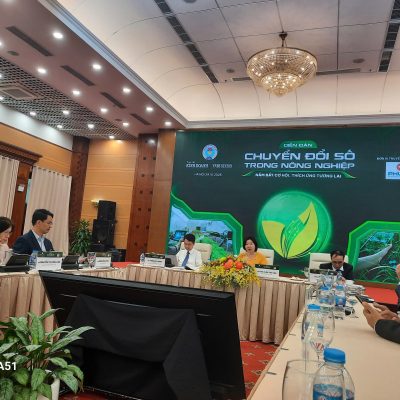
DIGITAL TRANSFORMATION FORUM IN AGRICULTURE: SEIZE THE OPPORTUNITY, FUTURE ADAPTATION
7h30 this morning (29/10), Vietnam Cooperative Alliance organizes "Digital transformation in agriculture – Seize the opportunity, adapt to the future", discuss and receive comments on this work from experts, scientists and businesses nationwide.
Ms. Cao Xuan Thu Van, The Chairman of the Vietnam Cooperative Alliance chaired the Forum. The chairman's table also includes Mr. Tran Duy Ninh, Director of the National Digital Transformation Department – Ministry of Science and Technology with Mr. Le Duc Thinh, Head of Department, Department of Economic Cooperation and Rural Development, Ministry of Agriculture and Environment.
Also attending were units under the Ministry of Agriculture and Environment such as the Department of Crop Production and Plant Protection, Department of Climate Change, Department of Science and Technology, Agricultural Research Institutes, VGA Green Transition Association, scientists, Business magazine, journalists, Representatives of Cooperatives of the provinces, city across the country. Dr. Pham Dinh Nam, The Director of the Vietnam Institute of Agricultural Technology Application and Development and a number of experts from the Institute also participated in this forum.
Opening speech, Ms. Cao Xuan Thu Van, The Chairman of the Vietnam Cooperative Alliance warmly welcomed the delegates to attend the Forum. She said: A recent survey by the Vietnam Cooperative Alliance shows that the level of digital transformation of cooperatives nationwide has only reached 32%. Among the near 35.000 There are only cooperatives 13,6% The cooperative has completed digital transformation, 50% ongoing and 36,4% not yet implemented. So, An invisible barrier is that many cooperatives and farming households still do not understand the nature of digital transformation. And a common misunderstanding is to equate digital transformation with chasing "flashy" technologies like Artificial Intelligence. (AI), Blockchain technology (blockchain), big data (Big Data) or Internet of Things (IoT). Therefore, cooperatives and farmers need to improve digital capacity in core activities such as: Manufacturing, manage, Improve traceability and information transparency, Monitor agricultural product quality, reduce emissions and environmental pollution, as well as in marketing activities, connecting supply and demand, human resource management…
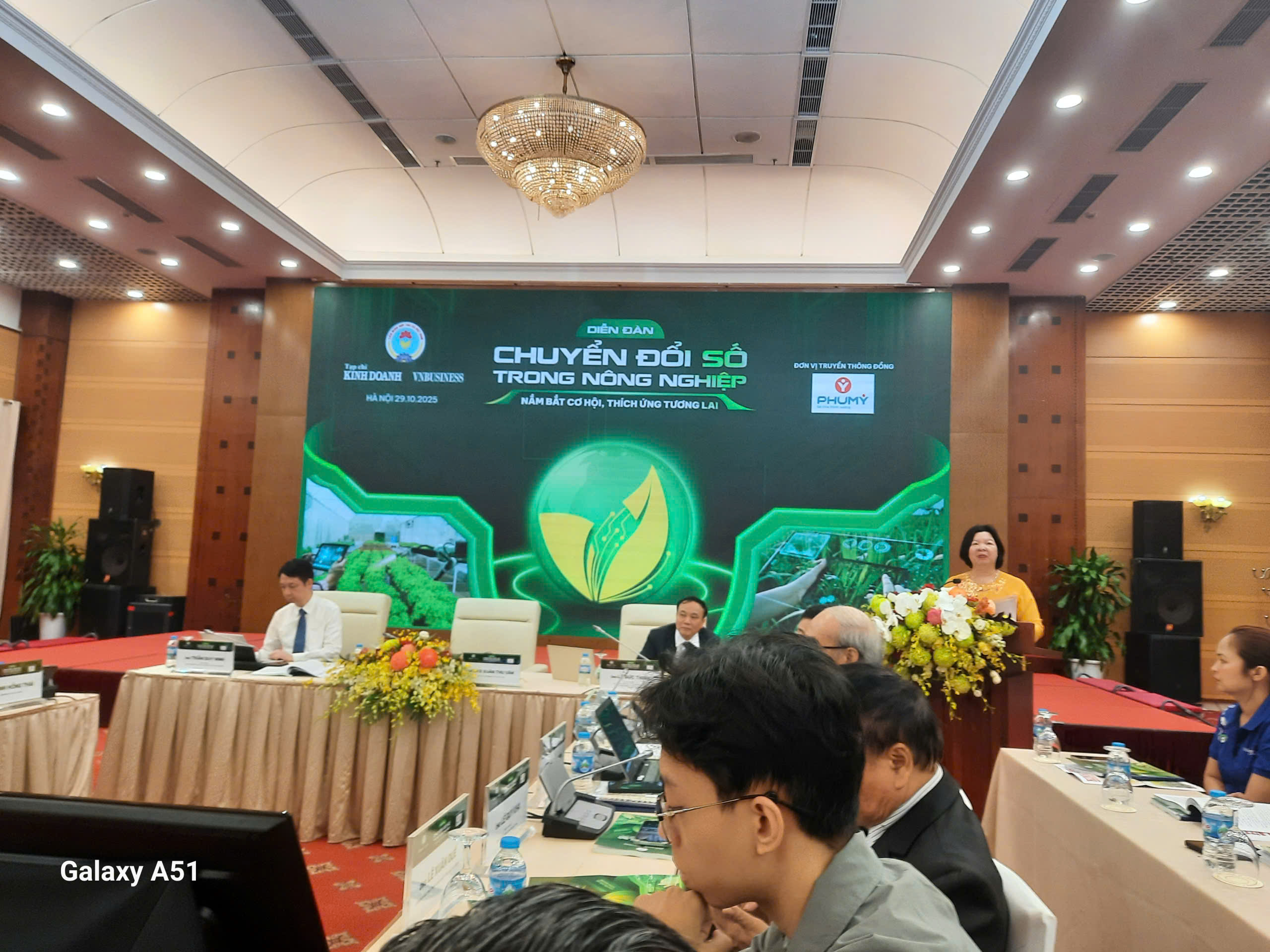
Ms. Cao Xuan Thu Van, Chairman of the Vietnam Cooperative Alliance spoke at the opening of the Forum
Next is the presentation of the program "Digital transformation in the field of cooperative economy and agricultural cooperatives". Mr. Tran Duy Ninh, Director of the National Digital Transformation Department – The Ministry of Science and Technology has briefly summarized the Current Status of Digital Transformation in the Agricultural Cooperation Economy and Policy, policies and orientation to the year 2030, Solutions to promote digital transformation in agricultural cooperative economy. According to him, Legalizing digital transformation will help businesses in general, Agricultural cooperatives in particular grasp the contents that need to be implemented, ensure legality. The promulgation of the Law on Digital Transformation is parallel with the promulgation of decrees, circular, guidelines... will create a standard national digital transformation framework, clearly identify which platforms are shared, Which platform is for private use?, Previously scattered data will be gathered by the Ministry of Public Security, Share with businesses and cooperatives in a reasonable way. Three basic contents that cooperatives need to build are:: Infrastructure, platform and resources. The state will support.
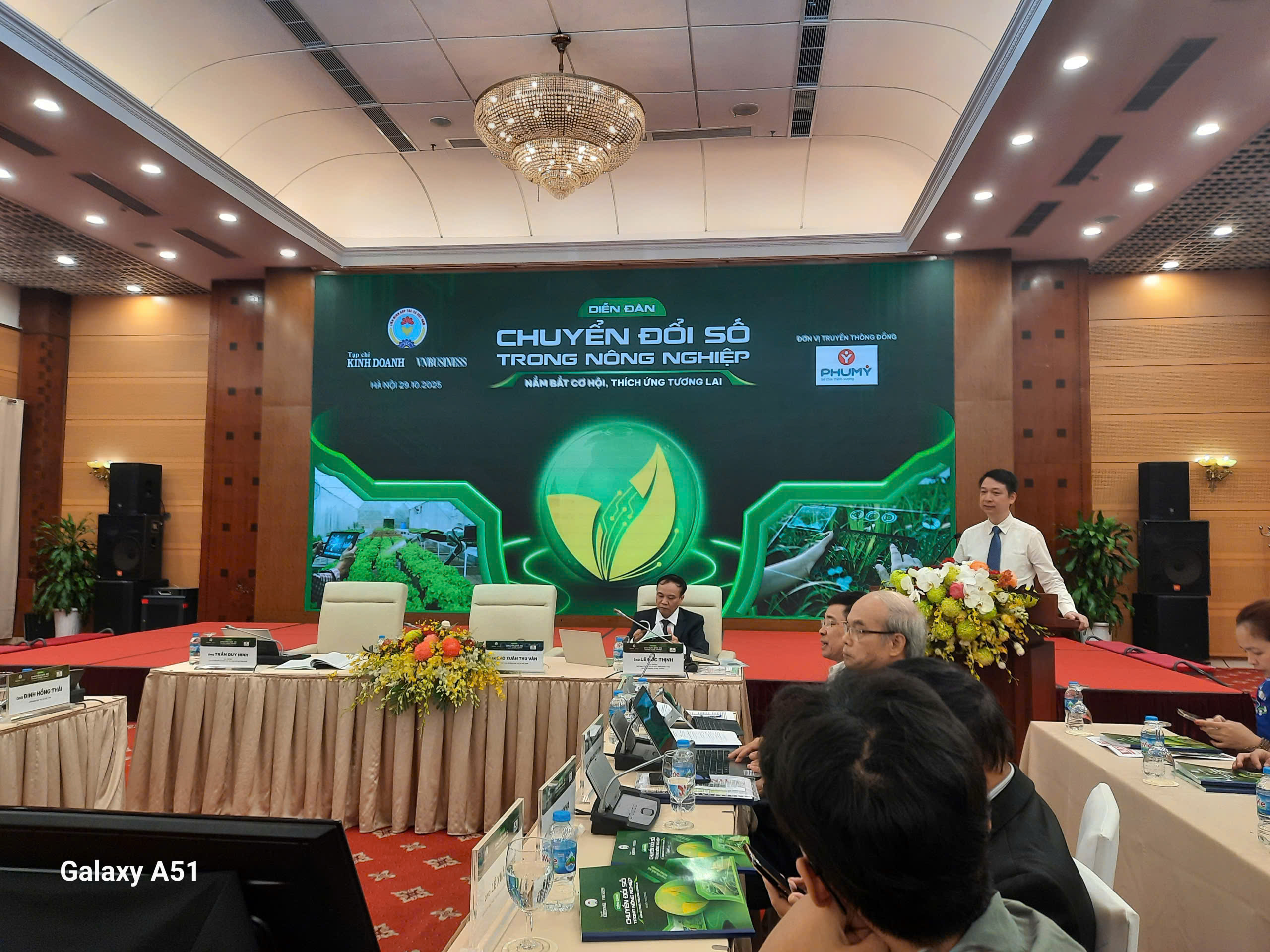
Mr. Tran Duy Ninh, Director of the Department of Digital Transformation – The Ministry of Agriculture and Environment spoke at the Forum
Continuing the program, Mr. Le Duc Thinh, Head of Department, Department of Economic Cooperation and Rural Development, The Ministry of Agriculture and Environment presented on "Linking the value chain and building a digital ecosystem in agriculture". Accordingly, clarify the role, current situation, challenge, solutions in agricultural product chain links; Propose a digital ecosystem model to support effective value chain development, lasting; suggest policy action, invest, training and cooperation to promote digital transformation.
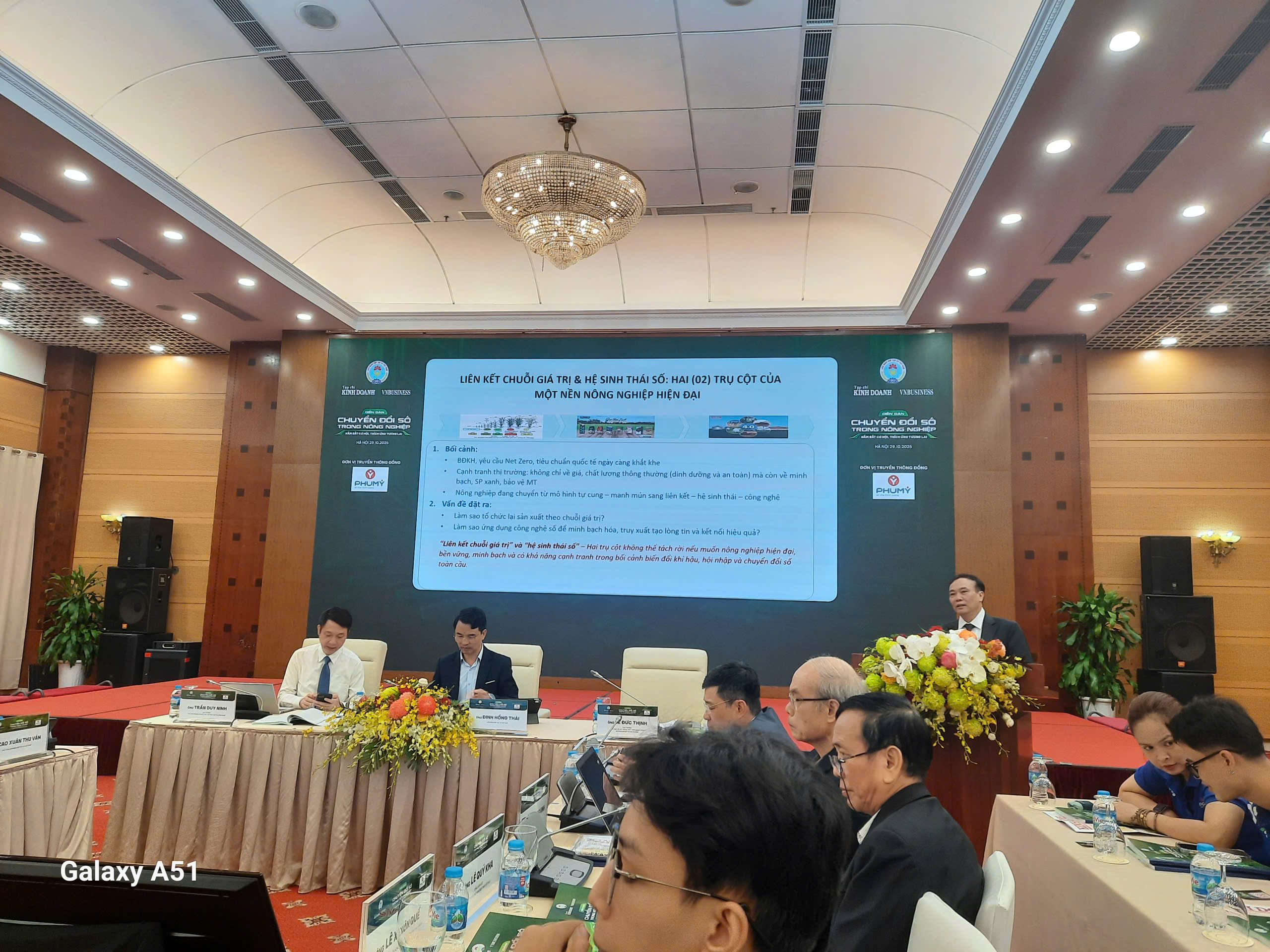
Mr. Le Duc Thinh, Head of Department, Department of Economic Cooperation and Rural Development, The Ministry of Agriculture and Environment presented on "Linking the value chain and building a digital ecosystem in agriculture" at the Forum
After Mr. Le Duc Thinh's presentation, there was a speech by Associate Professor, Dr. Mai Quang Vinh, Chairman of Vietnam Digital Economy Cooperative Federation, Director of the Institute of Green Technology returns Double conversion “Green – Number" in agriculture: Seize the opportunity, Adapting the future of Vietnamese agricultural products. According to him, green transformation is extremely urgent in this day and age and combining with digital transformation will accelerate the green transformation process., helps improve and protect the environment, increase income from selling carbon credits... in return, green transformation also helps digital transformation become favorable, Collect a lot of useful data.
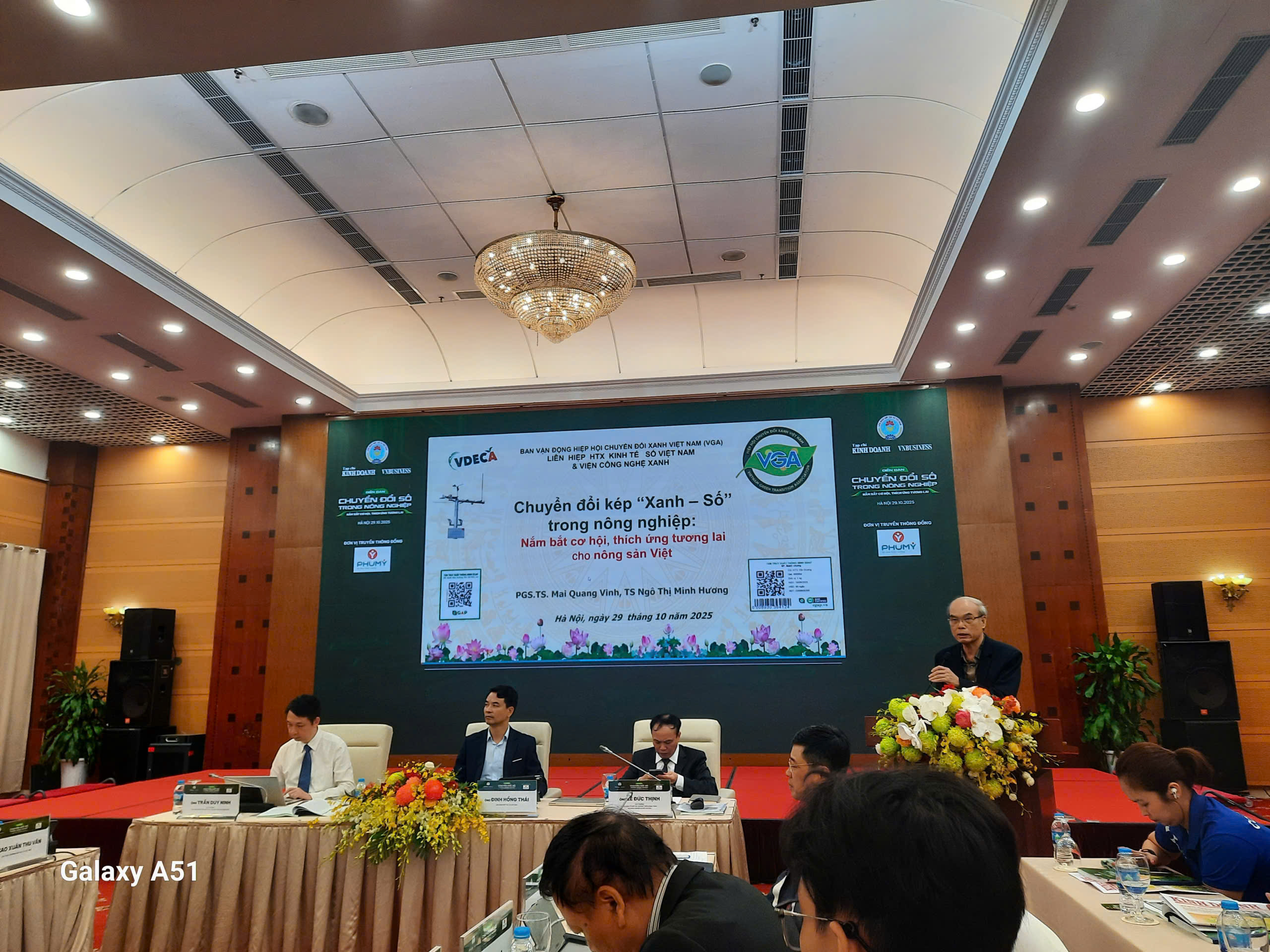
Associate Professor, Dr. Mai Quang Vinh, Chairman of Vietnam Digital Economy Cooperative Federation, Director of the Institute of Green Technology presented on "Green Dual Transformation". – Number" in agriculture: Seize the opportunity, Adapting the future of Vietnamese agricultural products" at the Forum
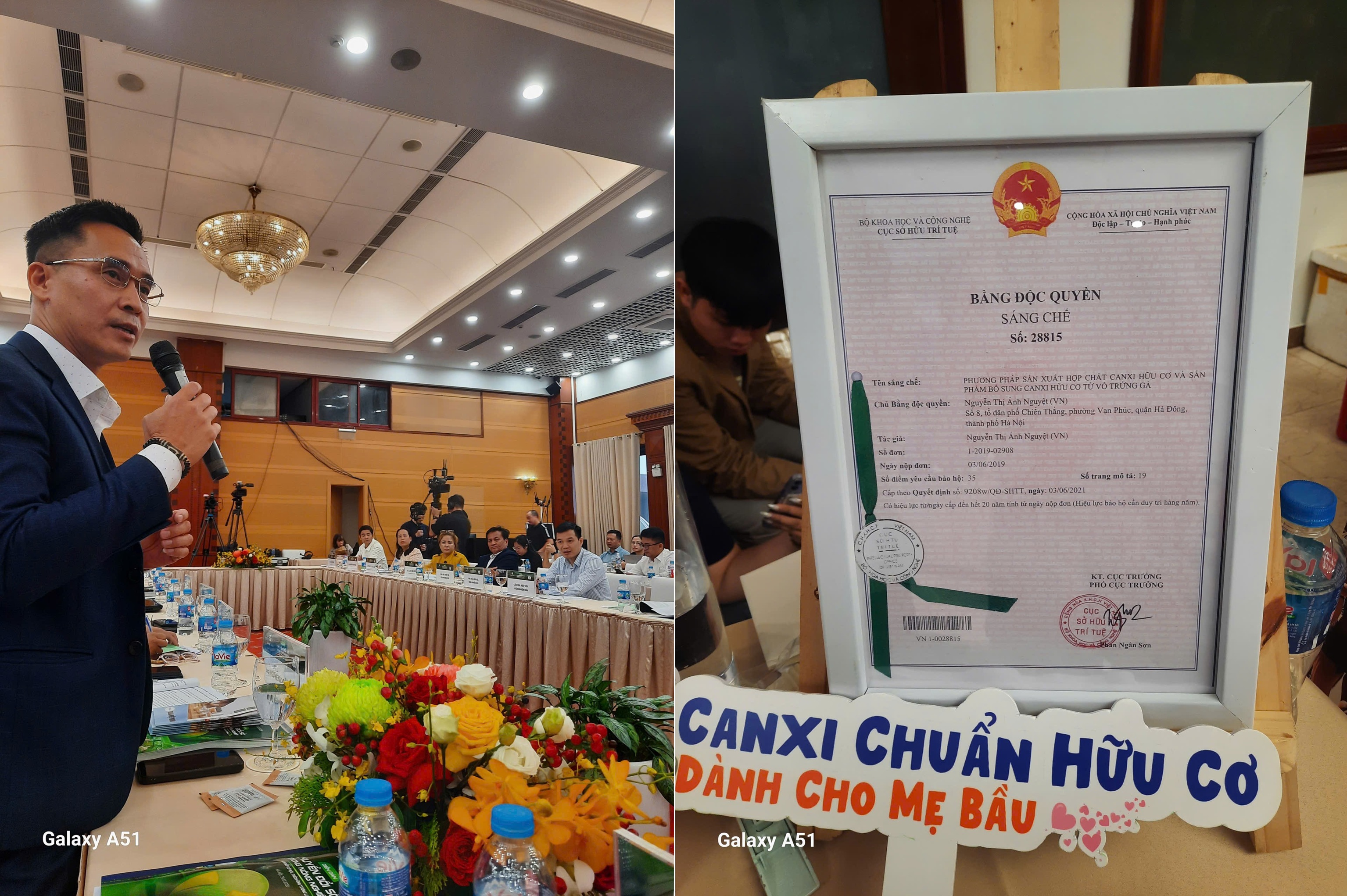
This was followed by presentations by cooperative leaders across the country. Ms. Le Thi Thu Hien, Chief representative of Agriterra Organization in Vietnam presented the content "Building a digital data system to serve cooperative management and market linkage: Some experiences from the Netherlands and Vietnam". Mr. Nguyen Thanh Mong, Director of Vietnam market development introduces "Digital transformation ecosystem for cooperatives - cooperative support/management agency". Other presentations on digital transformation in cooperatives such as the production of products from anise (Trang Dinh, Lang Son), Cam (Cao Phong, Peace – Now it is Phu Tho), Calcium from chicken egg shells (Ha Dong, Hanoi)... has shown the urgency in digital transformation and some inadequacies, Mr. Hoang Nghia Hieu, "bottleneck" points when implementing this program at the facility.
The Presidium has gradually answered the discussion questions of the cooperative leaders and reached a consensus on a number of contents related to digital transformation.. Two directors of the National Digital Transformation Department – Ministry of Science and Technology and Department of Economic Cooperation and Rural Development, The Ministry of Agriculture and Environment promises to always accompany cooperatives across the country, policy support, capital, technical and documentation, create conditions for the Vietnam Cooperative Alliance to complete the digital transformation program as soon as possible, accurate and legal.
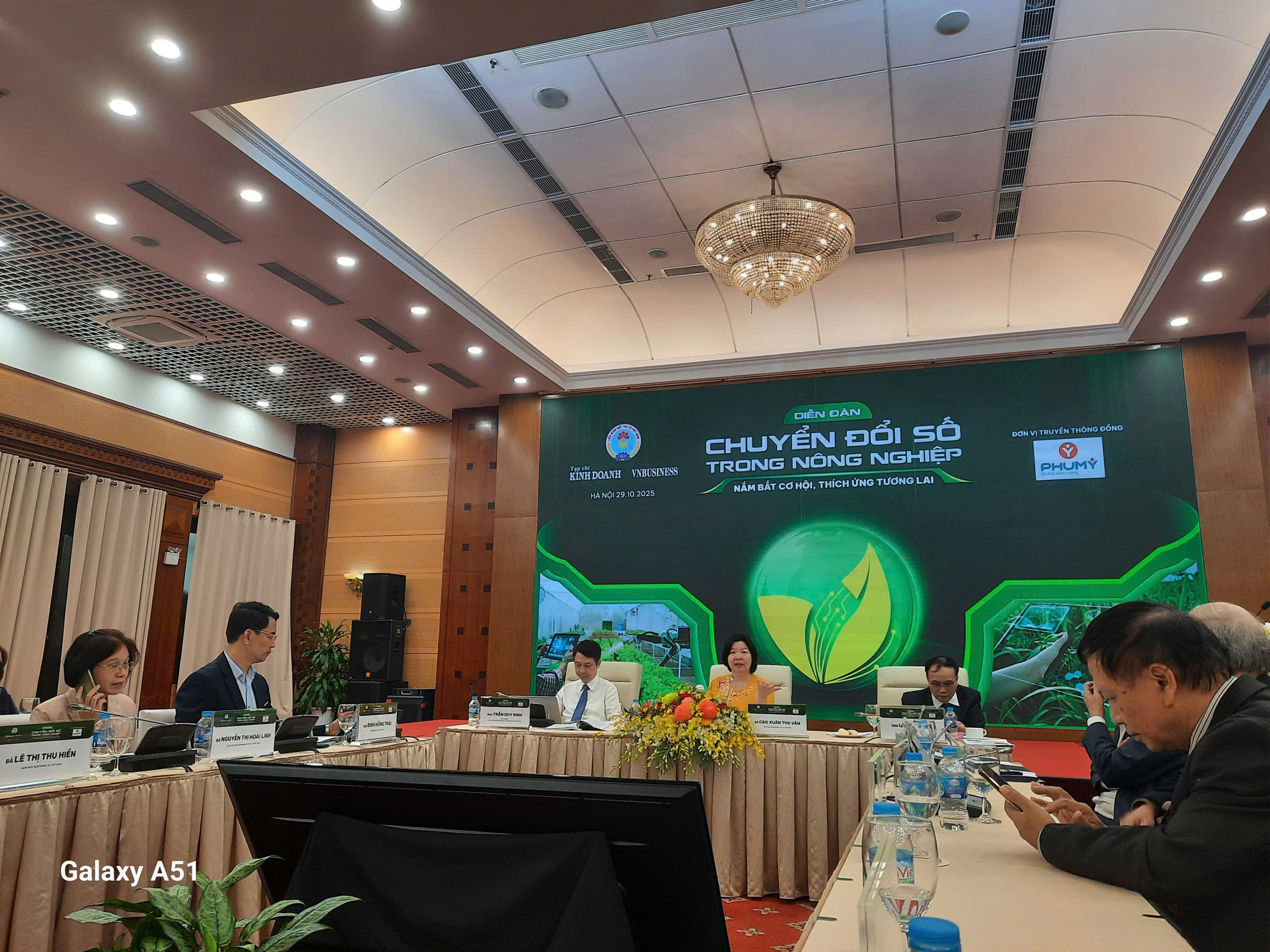
Closing speech of the Forum, Ms. Cao Xuan Thu Van, Chairman of the Vietnam Cooperative Alliance affirmed that the policy of digital transformation in agriculture will be thoroughly implemented., publicity and transparency. The Cooperative Alliance will seize this opportunity to promptly adapt to the future, when the Digital Transformation Law is applied and disseminated to each citizen, each cooperative member. Ms. Cao Xuan Thu Van also wants to lead the Ministry of Science and Technology, The Ministry of Agriculture and Environment provides maximum support to the Vietnam Cooperative Alliance in this work.
Some images of the Forum:
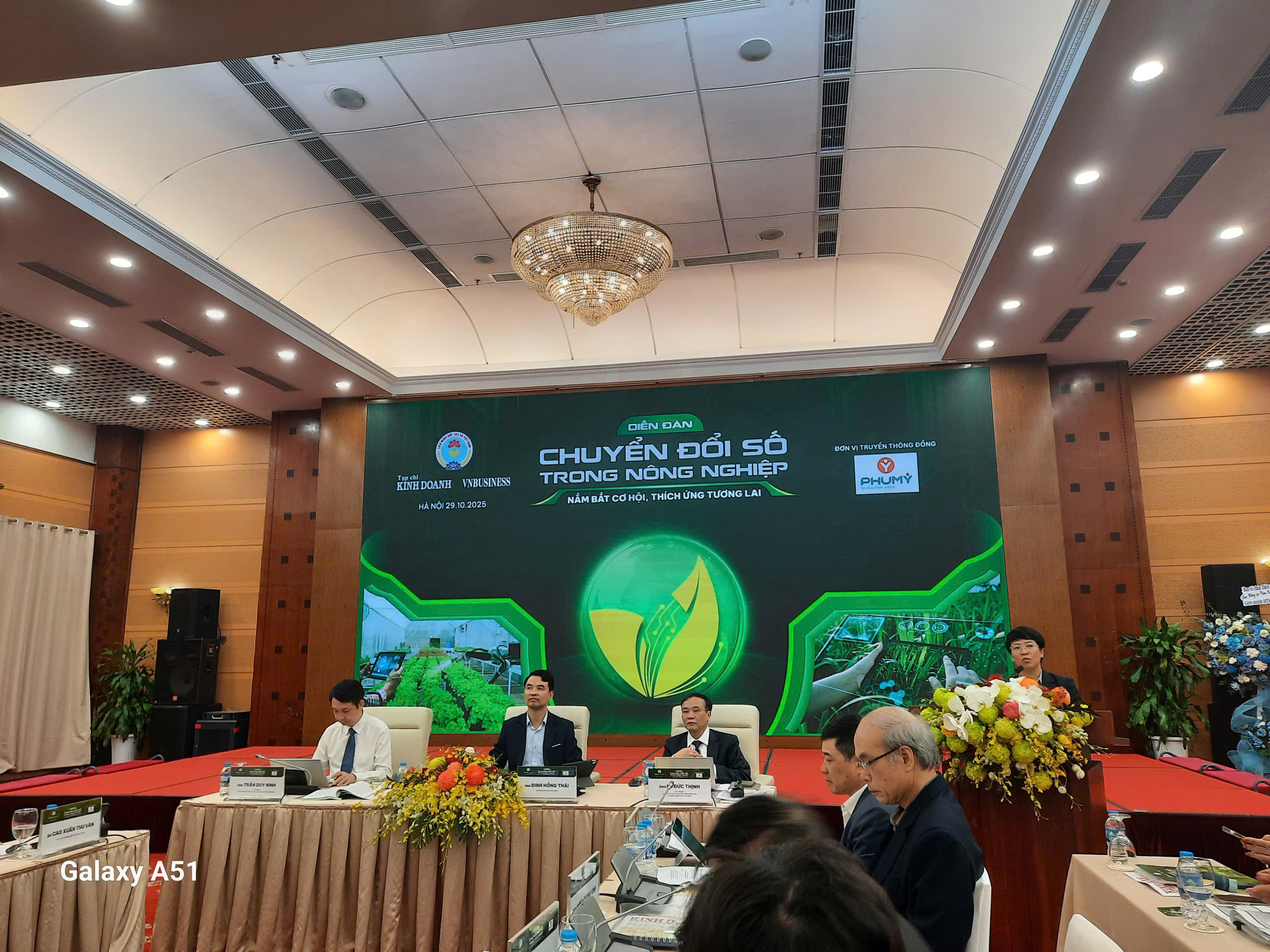
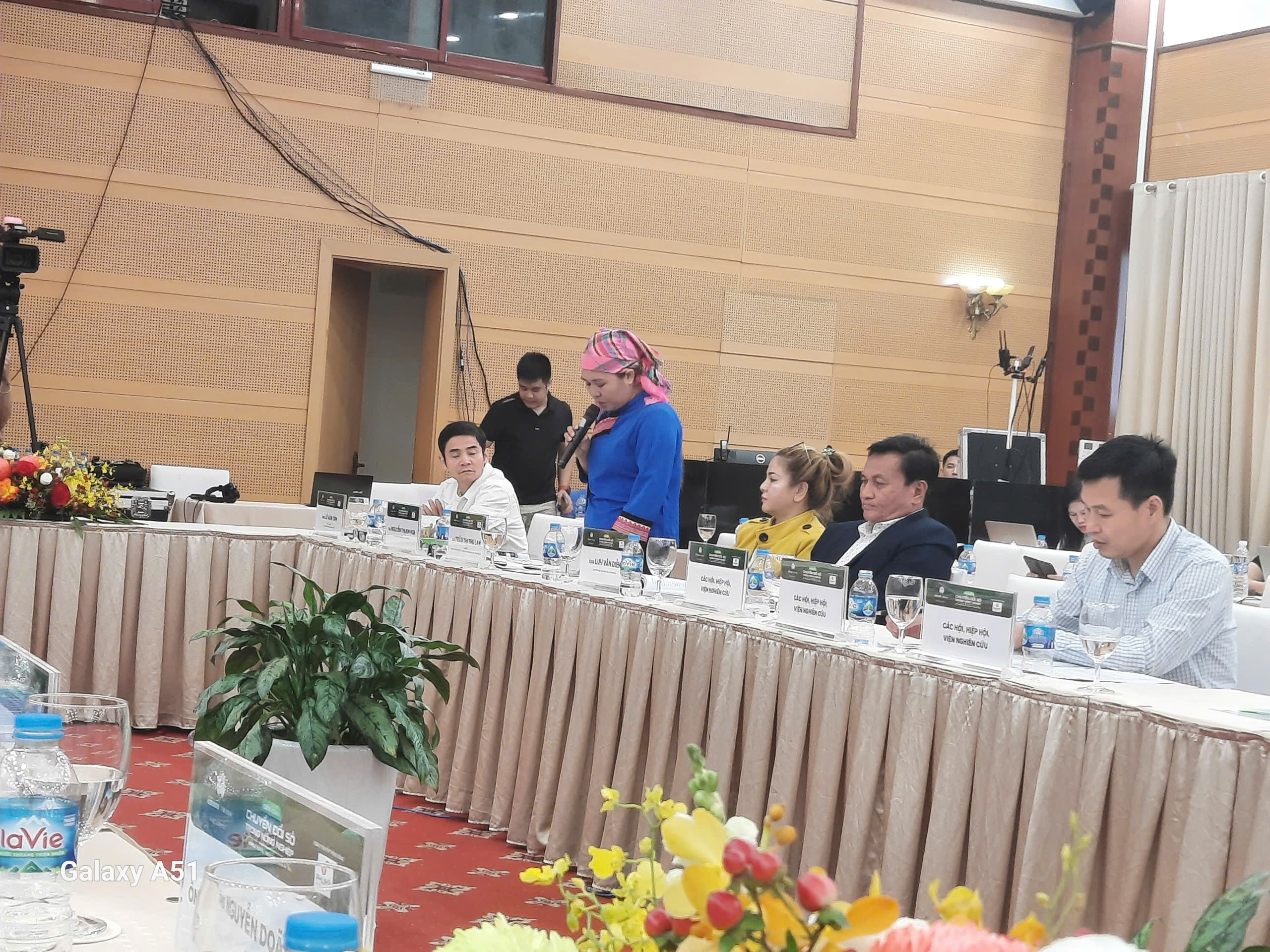
Perform: Thanh Vinh
The conference announced the Project "Production and emission reduction in the field of crop production in stages 2025-2035, vision to 2050”
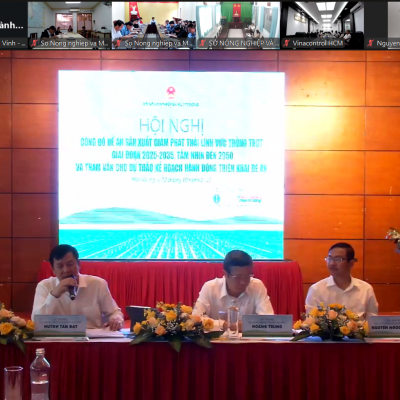
8h30 this morning (22/10/2025), The Ministry of Agriculture and Environment organized a conference to announce the Project “Production reduces emissions in the crop sector 2025-2035, vision to 2050” and consult on the draft action plan to implement the project.
Deputy Minister of Agriculture and Environment Hoang Trung chaired the conference. Also attending were leaders of units under the Ministry such as the Department of Crop Production and Plant Protection, Department of Climate Change, Department of International Cooperation, Department of Science and Technology, with representatives of the People's Committee, Department of Agriculture and Environment of the provinces, city in both face-to-face and online forms. Dr. Pham Dinh Nam, The Director of the Vietnam Institute of Agricultural Technology Application and Development and a number of experts from the Institute participated online via the Zoom platform..
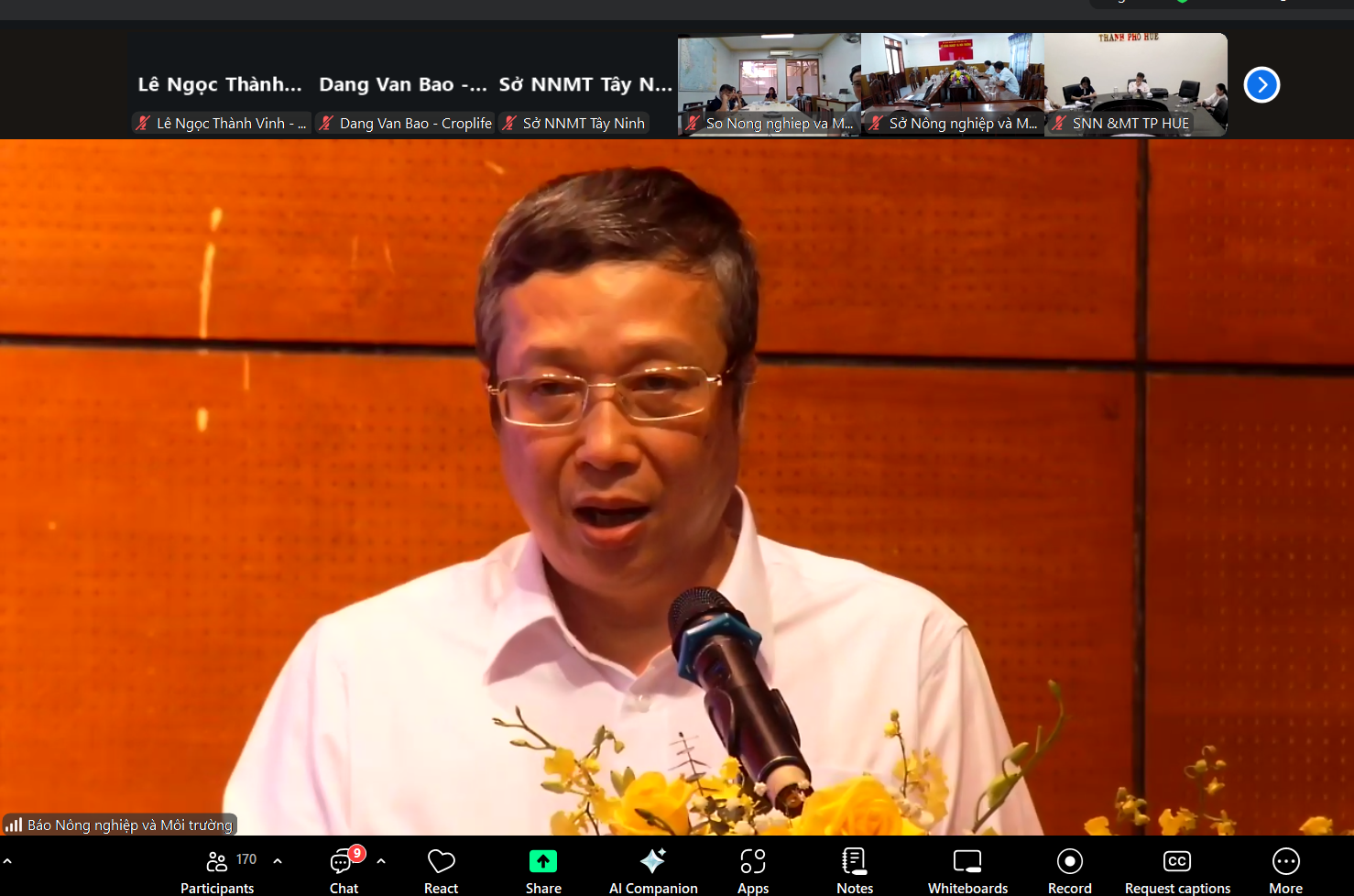
Opening speech, Deputy Minister Hoang Trung emphasized that the project was issued at the right time, meeting the requirements of sustainable development of the crop industry in the context of climate change and deep integration into the international market. The central goal of the project is to ensure growth in productivity and value, while reducing greenhouse gas emissions, towards green agriculture, cyclic.
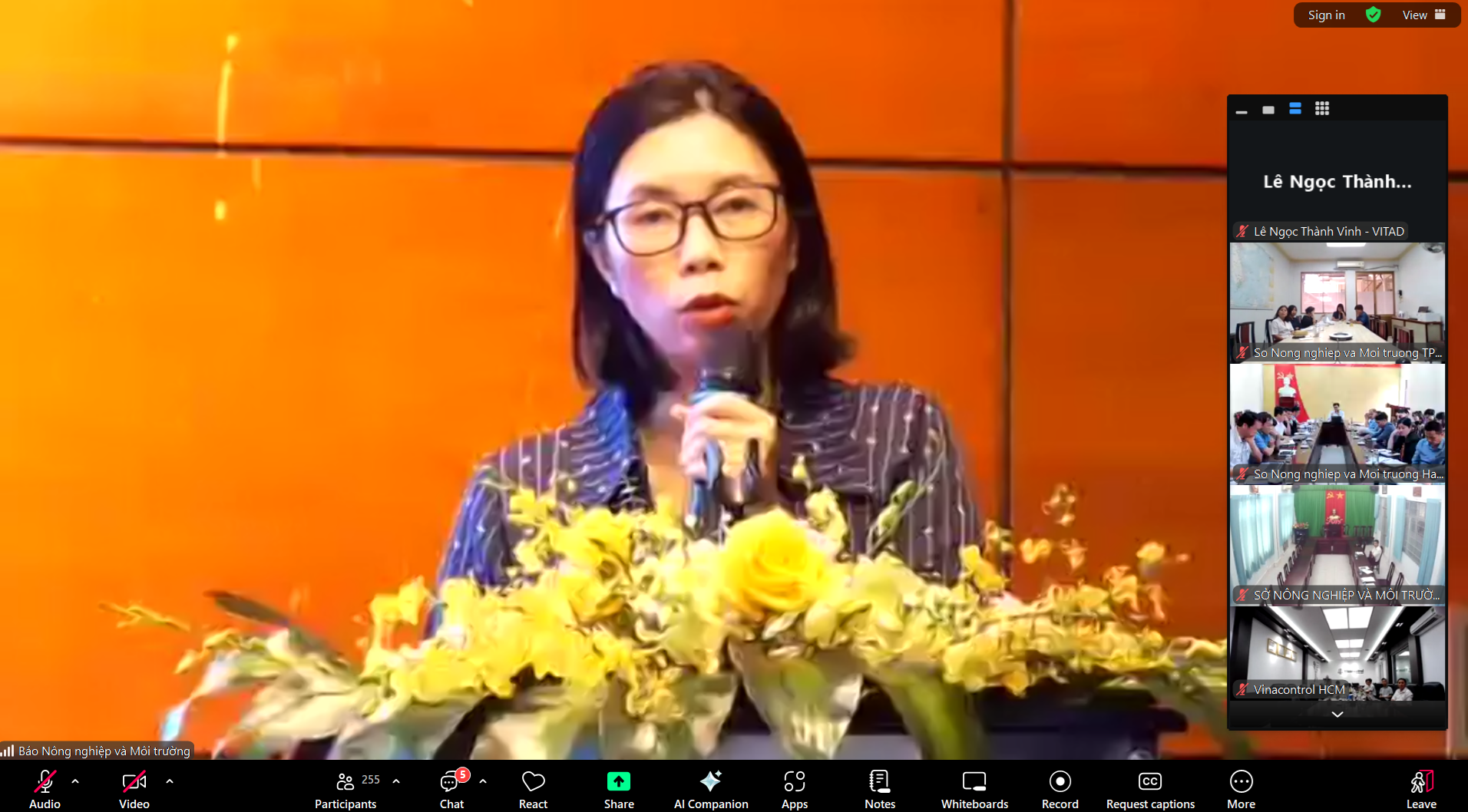
Next is the announcement of the specific goals of the Project, Mr. Huynh Tan Dat – Director of the Department of Crop Production and Plant Protection – affirmed, "The crop industry sets a target of five years 2035 will contribute the least to the reduction 15% greenhouse gas emissions compared to the base year 2020”. Locally, each province, City will deploy at least 1-2 model of crop production that reduces emissions and can be replicated, Minimum pilot 15 farming model eligible for carbon credit development. The emissions data system will be synchronized with the National Registration System. The industry will provide minimal training 3.000 technical staff, agricultural extension, farmers and businesses; build the least 5 set of communication materials to raise awareness, change production behavior towards low emissions.
Ms. Nguyen Thi Thu Huong, Deputy Director of the Department of Crop Production and Plant Protection presented the Action Plan to implement the Project
Continuing the program, Ms. Nguyen Thi Thu Huong, Deputy Director of the Department of Crop Production and Plant Protection presented the Action Plan to implement the Project. Mrs. Huong knows, Action plan includes: 7 main task group: Improve the mechanism, policies and organization of Project implementation; Change crop structure flexibly, suitable to the conditions of each ecological region; Develop and apply emission-reducing crop production technical packages; Deploy a crop production model to reduce emissions at regional scale and value chain; Establish, Operate the measurement system – report – expertise (MRV) and greenhouse gas emissions database; Capacity building and awareness transformation; Connecting markets for low emission products.
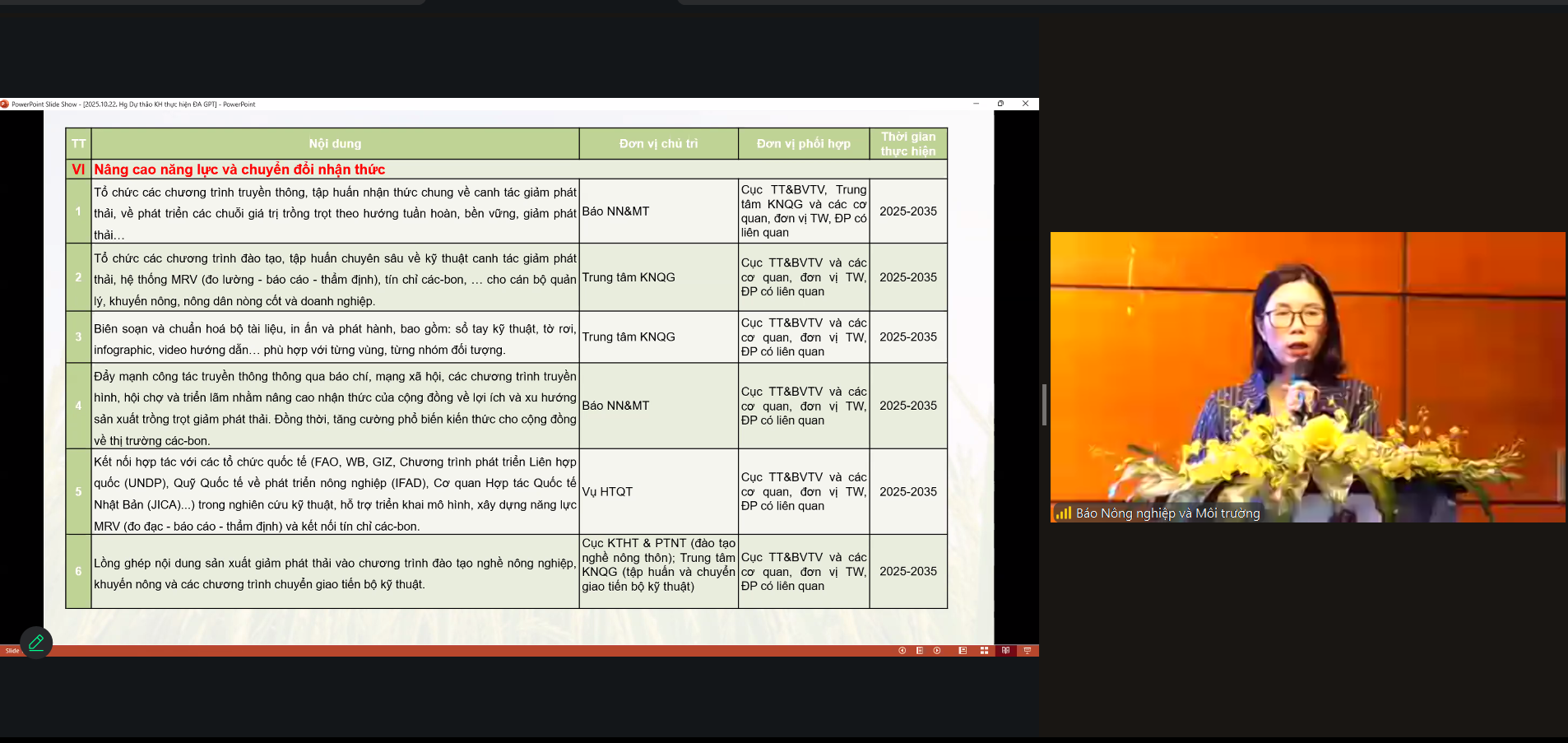
7 main task groups in the Project's action plan
This was followed by presentations by leaders of the Department of Agriculture and Environment across the country. Mr. Nguyen Manh Phuong, Deputy Director of the Hanoi Department of Agriculture and Environment presented the capital's emissions-reducing agricultural production activities. Mr. Nguyen Hoang Phuc – Deputy Director of the Department of Agriculture and Environment of Lam Dong province affirmed the importance of implementing the project to reduce emissions in farming, especially for strong localities like Lam Dong. Mr. Le Chi Thien, Deputy Director of Dong Thap Department of Agriculture and Environment, emphasize, The Ministry of Agriculture and Environment is preparing to announce the Project "Emission reduction production in the field of crop production phase". 2025-2035, Vision to 2050" is a step that demonstrates Vietnam's strong determination to achieve the Net zero goal by 2019. 2050. Ms. Dinh Thi Phuong Khanh – Deputy Director of Tay Ninh Department of Agriculture and Environment proposed, so that localities can quickly and effectively deploy assigned tasks within the framework of the Project, The Ministry of Agriculture and Environment needs to soon develop a set of criteria for crop conversion.
Mr. Nguyen Hoang Phuc – Deputy Director of the Department of Agriculture and Environment of Lam Dong province spoke at the Conference
Delegates also gave suggestions for the project. Accordingly, Associate Professor, Dr. Le Quoc Doanh, Former Deputy Minister of Agriculture and Rural Development (now the Ministry of Agriculture and Environment), Chairman of the Vietnam Gardening Association said, Planting projects to reduce emissions and projects to improve soil health were issued this month 10/2024 is the "backbone" of the farming industry in the new period. Dr. Nguyen Thi Thanh Thuy, Representative of Vietnam Rice Industry Association, assume, to achieve the reduction target 15% greenhouse gas emissions to year 2050, It is necessary to clearly quantify the tasks and goals of each component in the Project. Ms. Hoang Thi Lien, Chairman of Vietnam Pepper and Spice Association, The Production Project to reduce emissions in the farming sector has contributed to increasing the added value of Vietnamese agricultural products, create favorable conditions for domestic products to participate more deeply in the global value chain. Associate Professor, Dr. Nguyen Tri Ngoc, Vice Chairman of Vietnam General Association of Agriculture and Rural Development, Former Director of the Department of Crop Production, believes that the emission reduction farming project is on the right development path and is encouraged, that is green development, Organic, sustainable and with a clear market orientation. Dr. Le Van Tri, The Chairman of the Vietnam Biofertilizer Association proposed to consider adding rubber trees in the group of crops to convert cultivation forms...
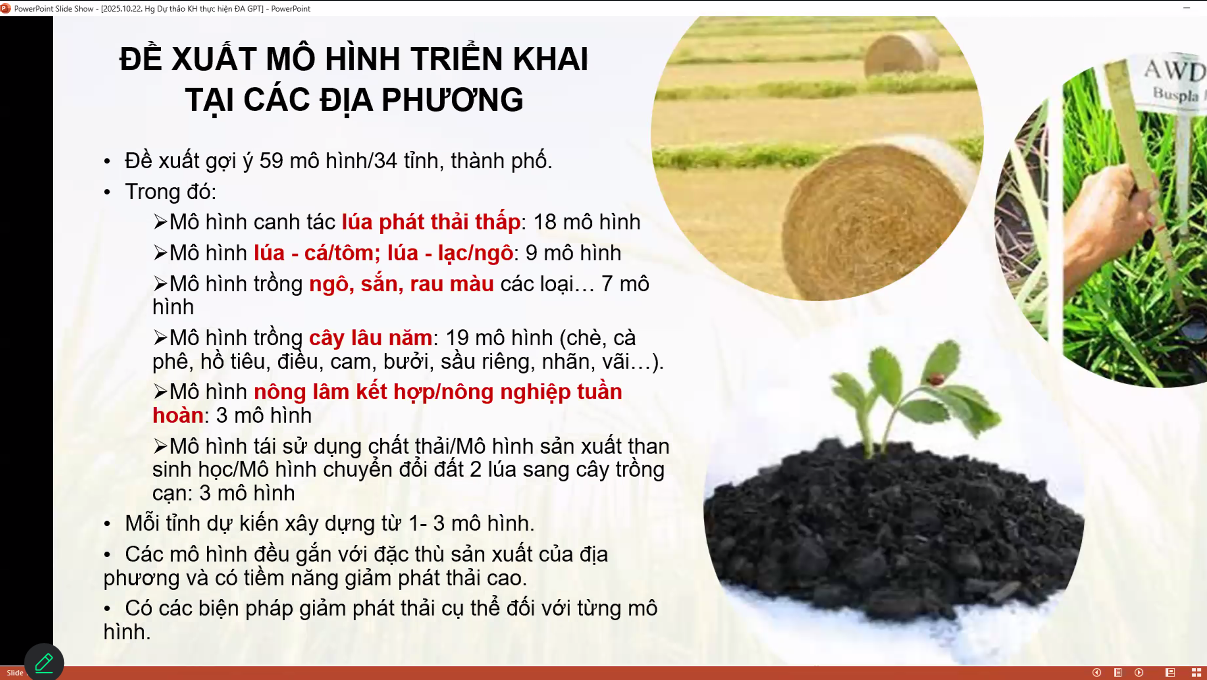
Proposing a model for implementing the Project in localities
Dr. Cao Duc Phat, Former Minister of Agriculture and Rural Development, Chairman of the Board of Directors of the Community Fund for Natural Disaster Prevention said, so that the transition to reduced-emission farming is effective and sustainable, need supplement 2 Large solution group: Adjust agricultural infrastructure to meet new requirements of green production, especially the irrigation system for rice and planning to mobilize resources for transformation on a national scale, Because if you only rely on the budget, it will be difficult to go long distances. According to Mr. Phat, in 7 Key task groups of the draft action plan, Policy is still the key factor. It is necessary to unify the view that farmers and businesses are the two central subjects, both the implementer, both a beneficiary. When you see specific benefits and receive support to overcome difficulties, They will actively participate, especially in the application of technical advances.
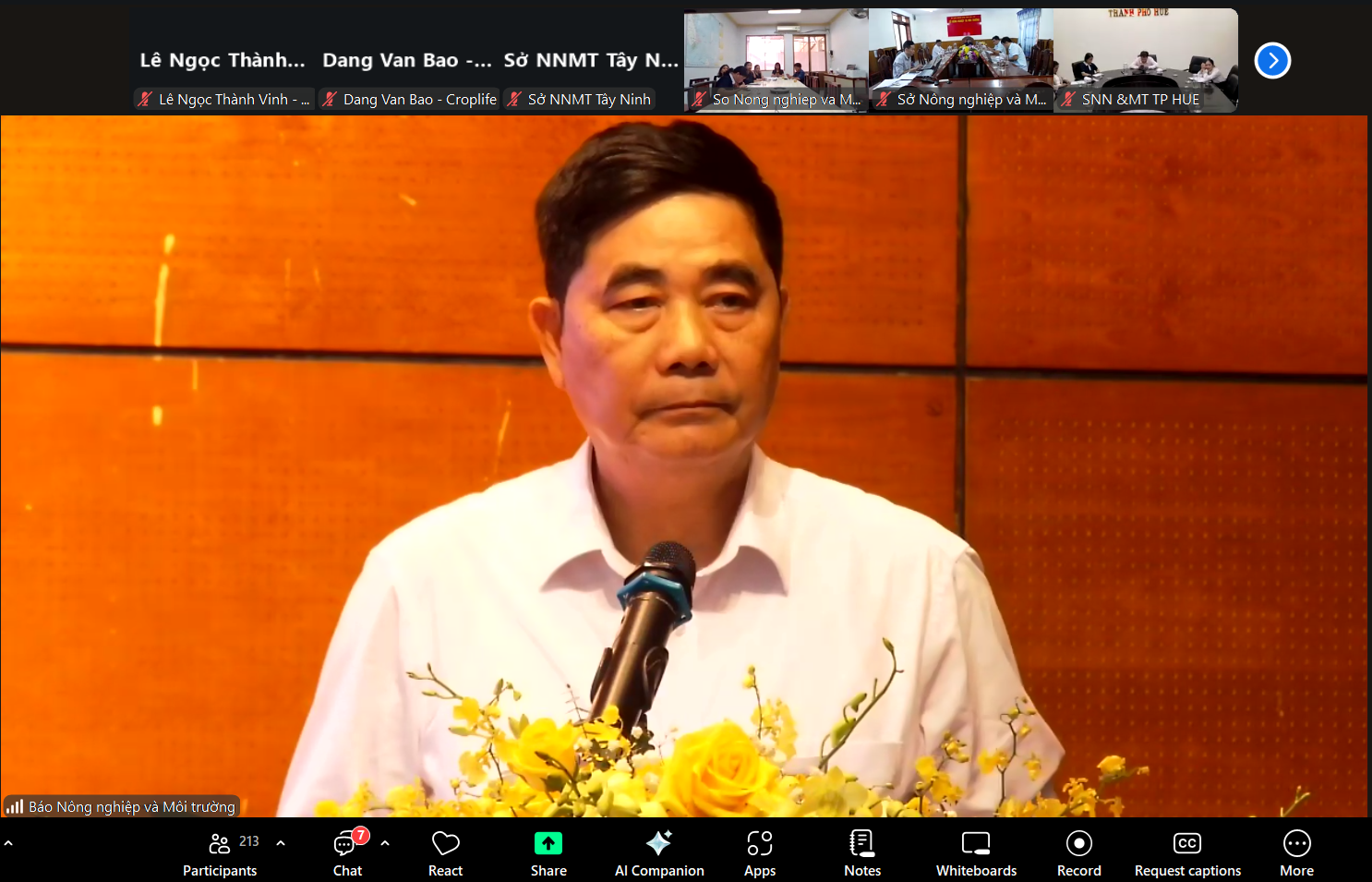
Dr. Cao Duc Phat, Former Minister of Agriculture and Rural Development, Chairman of the Board of Directors of the Community Fund for Natural Disaster Prevention spoke at the Conference
Conference summary speech, Deputy Minister of Agriculture and Environment Hoang Trung affirmed the policy of implementing the Project: “Clear people, clearly, clear time, product clearly, clearly understand the scale of implementation area". Whereby, Department of Crop Production and Plant Protection – The specialized agency in charge of the Project will have to update the reporting and direction reporting regime in the NDC. About policy mechanisms, The Ministry of Agriculture and Environment directs the Department of Climate Change, before 2028 domestic carbon exchange pilot, On that basis, participate in international carbon exchange. he said: “It needs to be sold, Open up the market for the people".
The Deputy Minister also directed, immediately after the conference, The Department of Crop Production and Plant Protection will complete the draft Plan to make it truly feasible, realistic and with selective priority in each stage of project implementation. Needs to be sold, Open up the market for low-emission crop products.
Besides, The Department will be responsible for working with localities to choose crop conversion models. Especially, The Steering Committee will direct the plan throughout, preliminary, summary, Resolve problems in the implementation stages. About resources, The Ministry will have a discussion meeting with the participation of state agencies, International partners with projects that have been approved and are about to be approved, and especially socialized resources from businesses, The association joins hands to contribute sustainably.
Reaffirming the ambition of the Project, Deputy Minister Hoang Trung shared: Project "Emission reduction production in the field of crop production phase 2025-2035, vision comes 2050 is not just a Ministry program, but a national action movement, is the commitment of Vietnamese agriculture to the world about its responsibility against climate change, about the green development path, sustainable.”
Some pictures of the Conference:
Perform: Thanh Vinh
Agricultural regeneration and organic: The future of global agriculture
Ninh Binh Prof. Dr. André Leu said, Agricultural regeneration is being farmers, Farmers' organizations, Food Group, Textile and government across the continent support.
Global organic agriculture is at an important turn
Opening of the Asian Organic Conference
World lesson on sustainable organic agriculture development
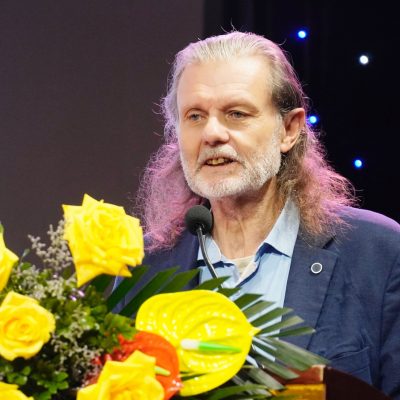
In the presentation at the Asian organic conference 8 Taking place from the date 17 – 19/9 In Ninh Binh, GS.TS André Leu – International Director of Regeneration International (RI), Former International IFOAM president (Organics International), At the same time, he is a farmer organic agriculture regenerative shared important perspectives on the path to global agricultural development in the context of the climate and environmental crisis..
From the agricultural crisis to the formation of the regeneration movement
According to Mr. Leu, before year 2015, The concept of "regeneration agriculture" is almost rarely mentioned. But after only one decade, It has become a common term in the global press, Associated with environmental discussions, Climate change and sustainable development.
Year 2015, Leaders of many organic movements, Ecological Agriculture, Synthetic Agriculture, Environmental movements, Natural health has established Ri. The founding steering committee includes Dr. Vandana Shiva, Ronnie Cummins, TS. His Lord, Steve Rye and Prof. Dr. André Leu. Or 10 year, Currently Ri has expanded 680 Partnership 80 nation, becoming a global cooperation network with great influence.

GS.TS André Leu, International Director of Regeneration International, Former International IFOAM president (Organics International) assume, The conversion from industrial agriculture is an urgent requirement. Image: Hong Tham.
Mr. Leu pointed out, Industrial agriculture is an existing threat to the planet due to its natural degeneration. This is the cause of 80% deforestation and loss of biodiversity, Also a large source of greenhouse gas emissions. Industrial breeding system consumes 10 Kg of plant protein for production 1 kg of animal protein, both ineffective and destroy the environment.
Besides that, overuse of pesticides and Chemical fertilizer has left serious consequences for human health and the ecosystem. So according to him, The transition from industrial agriculture is an urgent requirement to protect the health of people and the welfare of all other species in this planet..
International regeneration standards and conversion roadmap
One of the key orientations that Mr. Leu mentioned was the concept of "organic 3.0 – Organic 3.0”, Consider organic agriculture as a "lighthouse" leading the change, contribute to improving the sustainability of the orthodox agricultural systems.
However, in the process of cooperation, He and his colleagues also encountered strong opposition to organic agriculture, Especially the production models have achieved organic certification.
If you choose words like "organic" or "ecological agriculture", there will be many opinions of the parties involved, Such as agroforestry combined, General cultivation, Sustainable farming ... so, Ri chose the term "rebirth" (regenerative) – A clear concept, neutral, Help approach farmers and stakeholders in an open way. “Rebirth” is also a concept that resonates deeply with most people.

Regenerative agriculture is a sustainable farming method that restores and improves land quality, fertility, biodiversity, water resources and overall ecosystem. Image: RI.
The current, regenerative agriculture were farmers, Farmers' organizations, Food Group, textile and many governments around the world support. Remarkable, This movement did not originate from corporations or academics but was promoted by farmers themselves – who directly face the challenge of climate change and environmental degradation.
Another highlight of Mr. Leu's presentation was the RI International Renewable Standard released in November 3/2025.
This standard is available exclusively to thoroughly evaluated organic certification bodies because they have the most effective systems in verifying production practices and preventing fraud..
Mr. Leu said, The reason for the new standard is by the state of California (America) once issued a definition of regenerative agriculture but allowed the use of toxic chemicals and genetically modified organisms – goes against the spirit of "rebirth".
According to RI standards, Regenerative agricultural producers can be certified at two levels. One is class A regenerative agriculture – meets all requirements. The second is regenerative agriculture in the transition period – are in the process of meeting all requirements.
There is no specific deadline for standards practitioners to progress to Class A regenerative agriculture certification. However, All regenerative agriculture certified practitioners during the transition period must clearly state the timeframe and methods for eliminating prohibited inputs and practices. This should be reviewed annually, focus on continuous improvement.
Mr. Leu emphasized: “We encourage farmers to take the first step towards positive change. This is often the most difficult aspect of any transition. According to our research, One of the main reasons why many farmers are hesitant to participate in certified organic production is the requirement for a long conversion period. 3 year”.
“With our standards, Producers can easily achieve regenerative certification during the transition period. Therefore, We have made it simple for farmers to start their journey to becoming regenerative, with the ultimate goal of achieving Grade A regeneration certification”, Mr. Leu added.
Prof. Dr. André Leu is currently the International Director of Regeneration International (RI) from year 2017. Before that, He once held the position of President of IFOAM International (Organics International) from year 2011 come 2017 – the only global representative organization for the organic farming sector. He is a leading expert on nature-based ecological farming systems with over 50 Five years of experience in regenerative organic agriculture, focus on agroecology (agroecology).
Hong Tham
Theo nongsanviet.nongnghiepmoitruong.vn
Agricultural and Environmental Exhibition Agriculture and Environment, show a new step
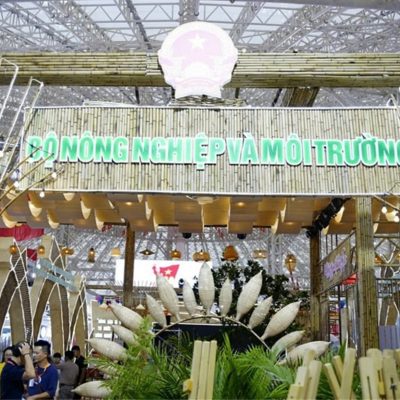
The Ministry of Agriculture and Rural Development has actively coordinated closely with other ministries, Agricultural and environmental exhibition must converge the most typical achievements in 8 Development decades.
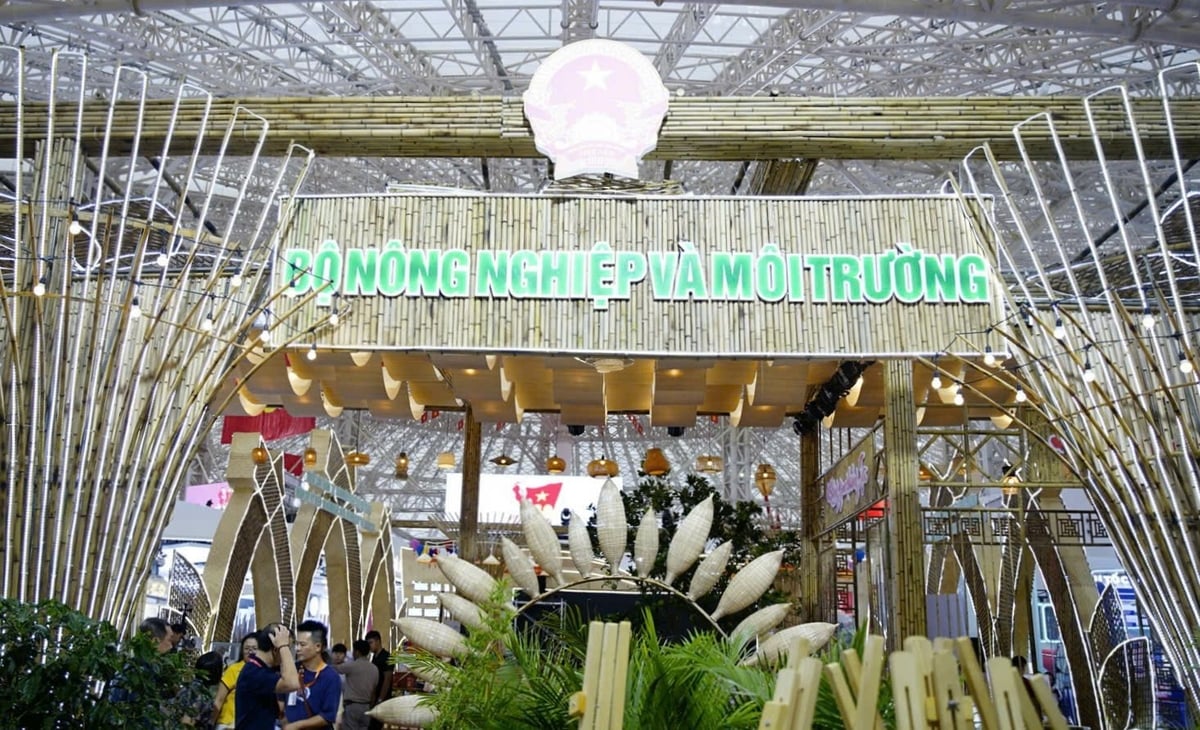
Urgently completed the exhibition for the Agricultural and Environmental Achievement Exhibition. Image: Linh Linh.
Pm 25/8, Deputy Minister of Agriculture and Environment Phung Duc Tien chaired a meeting with leaders of affiliated units on preparations for the project. Exhibition achievements in Agriculture and Environment.
According to the report, The units have basically completed the design frame, The display layout is urgently completing the items to keep up with the progress. Many suggestions for exhibitions need to create clear accents, Choose products, The most typical model of the industry, At the same time emphasize the content of science and technology, digital conversion, environmental Protection, Besides cultivation, breed, Seafood, Irrigation and forestry.
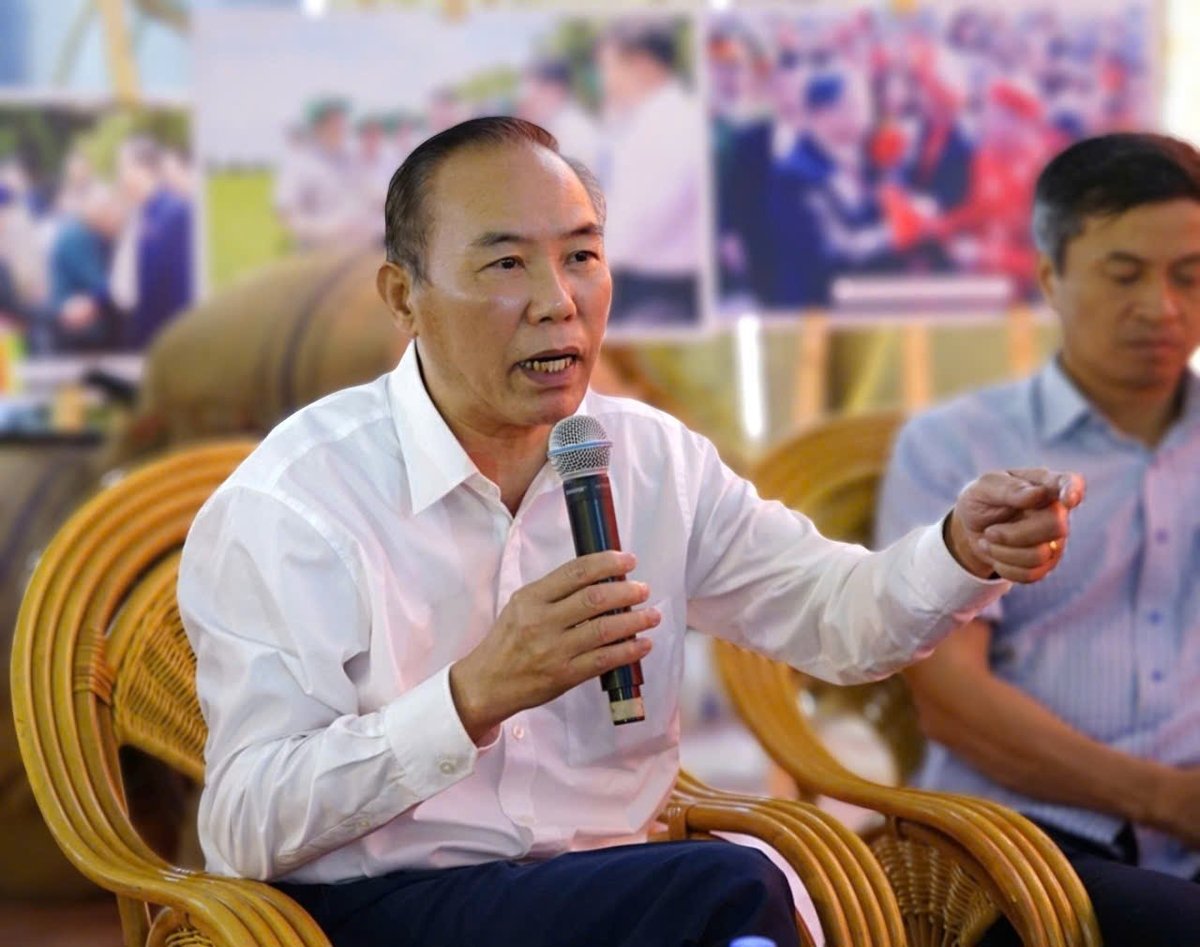
Deputy Minister Phung Duc Tien asked the review units, Arrangement for the exhibition shows the mark 80 year of the industry. Image: Linh Linh.
At the meeting, Deputy Minister Phung Duc Tien emphasized the high quality of display quality. According to Deputy Minister, This exhibition is a special occasion to recreate the journey 80 Year of development of the industry, From the difficult years of hunger to achievements today when agriculture has become a support of the economy with the export turnover of tens of billions of dollars as well as the environment. – As one of the three sustainable development pillars of the country (economy – society – environment).
The Deputy Minister asked the units to review carefully, Displayed subdivision by historical stages and outstanding achievements of each field. Cultivation should clearly show the transition from small production to commodity agriculture, With billion -dollar products like rice, the coffee, vegetables. Breeding must reflect the development from household scale to high -tech farm, Ensure biosafety. Aquatic products should have both exploitation and cultivation images, Demonstrate the role of fishermen and export achievements. Forestry introduces tree varieties, Wood products, Carbon credit, Multi -purpose forest model. Irrigation field displaying typical works has made an important contribution to food security and disaster control. The environment and science and technology must be integrated throughout, With monitoring models, Waste treatment, Biotechnology, vaccine…
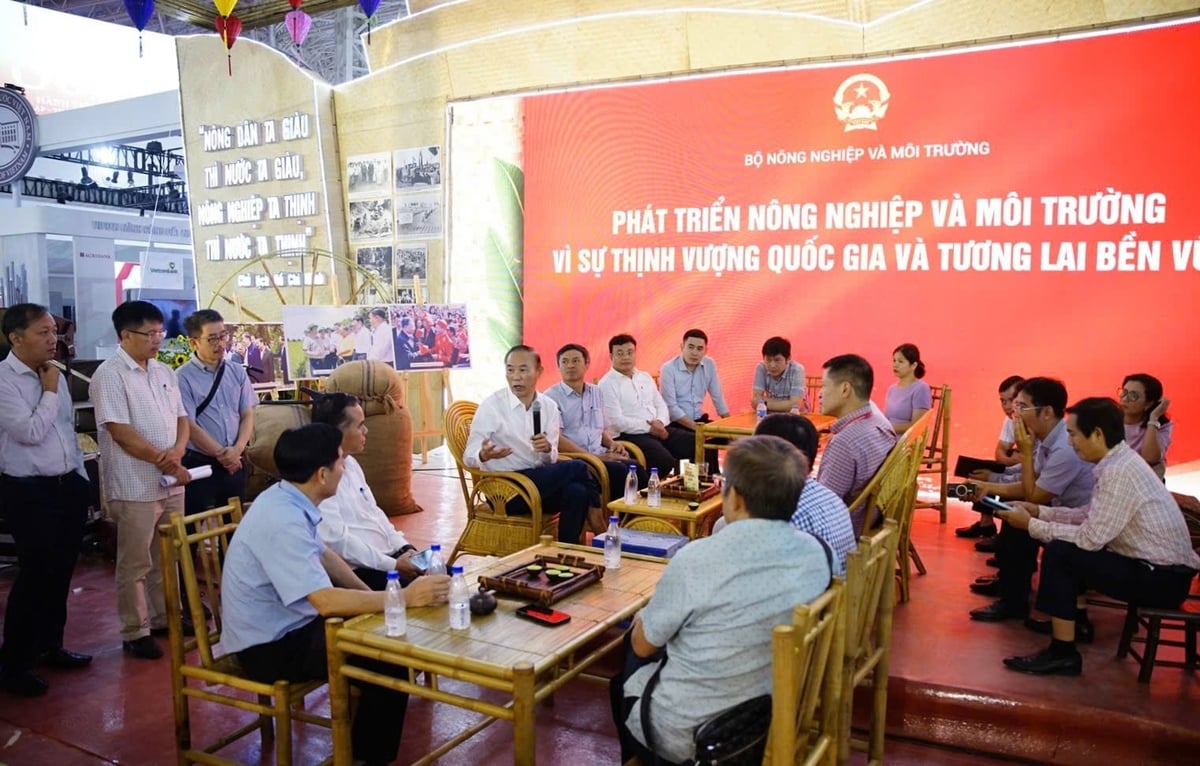
Pm 25/8, Deputy Minister of Agriculture and Environment Phung Duc Tien chaired a meeting with leaders of units directly on the preparation for the Agricultural Agriculture and Environment Achievement Exhibition. Image: Linh Linh.
“The exhibition must exude a mark 80 year, Just affirm the tradition, Just showing a new step, Meet development requirements in modern era. Units need to coordinate closely, Selective streamlined, scientific arrangement, For visitors to easily feel the most outstanding achievements of the industry ”, Deputy Minister said.
Leaders of the Ministry of Agriculture and Environment also noted, Besides artifacts, Images and documentary films must be reasonably designed, Helps to vividly transmit to the public and the press. OCOP products, The traditional trade village will be displayed as a complementary foundation, creating richness alongside the industry's key achievements.
The exhibition of achievements in Agriculture and Environment is expected to open from 28/8 come 5/9 at the National Exhibition Fair Center, Dong Anh commune, Hanoi, within the framework of the Economic Achievements Exhibition – The country's society celebrates 80 National Day year 2/9. With an area of hundreds of square meters, The exhibition space is arranged into thematic areas, recreates the industry's development journey through each historical period, from the resistance period, subsidy, to the reform process, International integration.
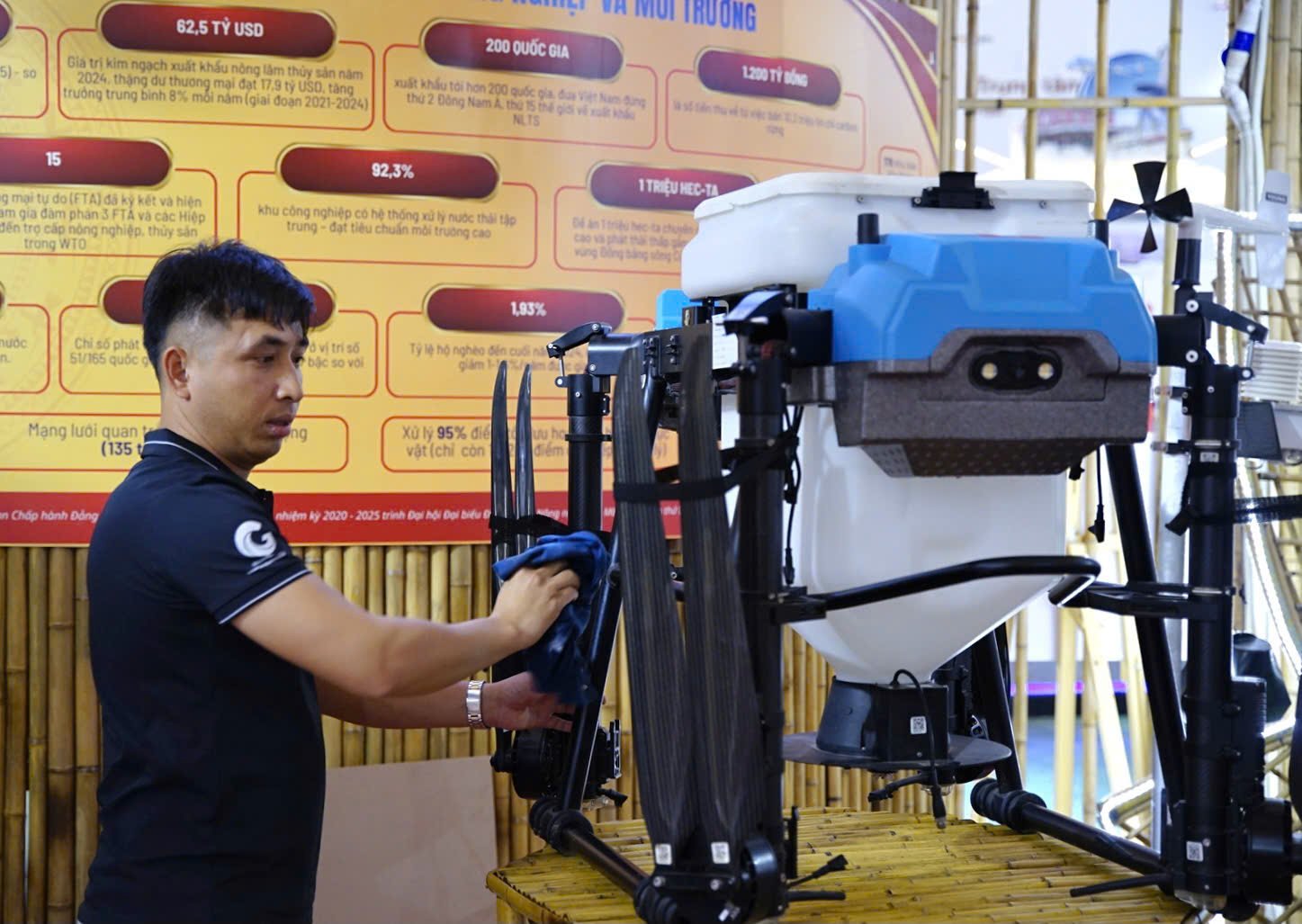
Scientific and technological achievements associated with these fields will be displayed at the exhibition. Image: Linh Linh.
Hundreds of products, paradigm, image, Documentary films will be introduced, including unique highlights such as real Central Highlands coffee trees, Multi -purpose forest model, Typical irrigation works, wood products and carbon credits, and scientific and technological applications, digital transformation and environmental processing models.
The exhibition is held in parallel on an online platform with 3D technology, VR, lasts up to months 8/2026, creating conditions for a large number of people and international friends to visit, interact. This is not only an opportunity to look back at the outstanding achievements of agriculture, countryside, farmers and the environment in 80 last year, but also affirms the determination to innovate, integration and sustainable development of the industry in the coming period.
Source: nongnghiepmoitruong.vn