

Workshop promoting the development of organic and ecological agriculture in Vietnam: From practice to solution and value chain links
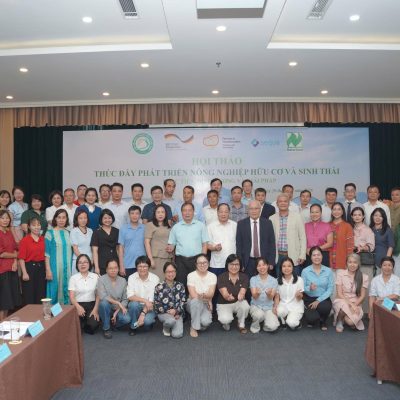
Day 20/10/2026, at Cau Giay Hotel, number 110 Cau Giay, Hanoi, Workshop "Promoting the development of organic and ecological agriculture in Vietnam – 15 years of companionship: Practical, Orientation and Solutions" was organized with an in-depth exchange program on policies, Input materials, standard, market, circular agriculture and digital transformation. In the picture of sustainable agricultural development, Organic microbial fertilizer is one of the solutions that need attention to improve soil health, Take advantage of appropriate organic sources and improve the efficiency of crop nutrient management.
- Looking back on the journey 15 year, towards practical solutions
The conference has the theme "Promoting the development of organic and ecological agriculture in Vietnam", with the message "15 years of companionship – Practical, orientation and solutions”. The program is built in the direction of connecting perspectives from professional agencies, the scientist, businesses and cooperatives, Focus on issues that are meaningful to the green agricultural transition, safe and sustainable.
According to the conference program, The opening part is due Dr.KH Ha Phuc Mich – Chairman of Vietnam Organic Agriculture Association (VOAA) undertake, with content reviewing milestones 15 year of establishment and development of the Association.
Thematic sessions in the program focus on the current situation, potential, Difficulties and solutions for developing organic agriculture, ecology; plant protection; standard, materials and management; Circulating agriculture; organic rice production; market demand for organic spices; Developing the organic tea industry and applying digital transformation in production management, traceability of agricultural products.
In addition to thematic presentations, The program also arranges a question and answer session, Group discussion and plenary discussion to clarify issues about input materials, markets and standards, At the same time, synthesize solution proposals and priority policy recommendations.
2. Topical speeches and presentations
The main contents and speakers in charge include::
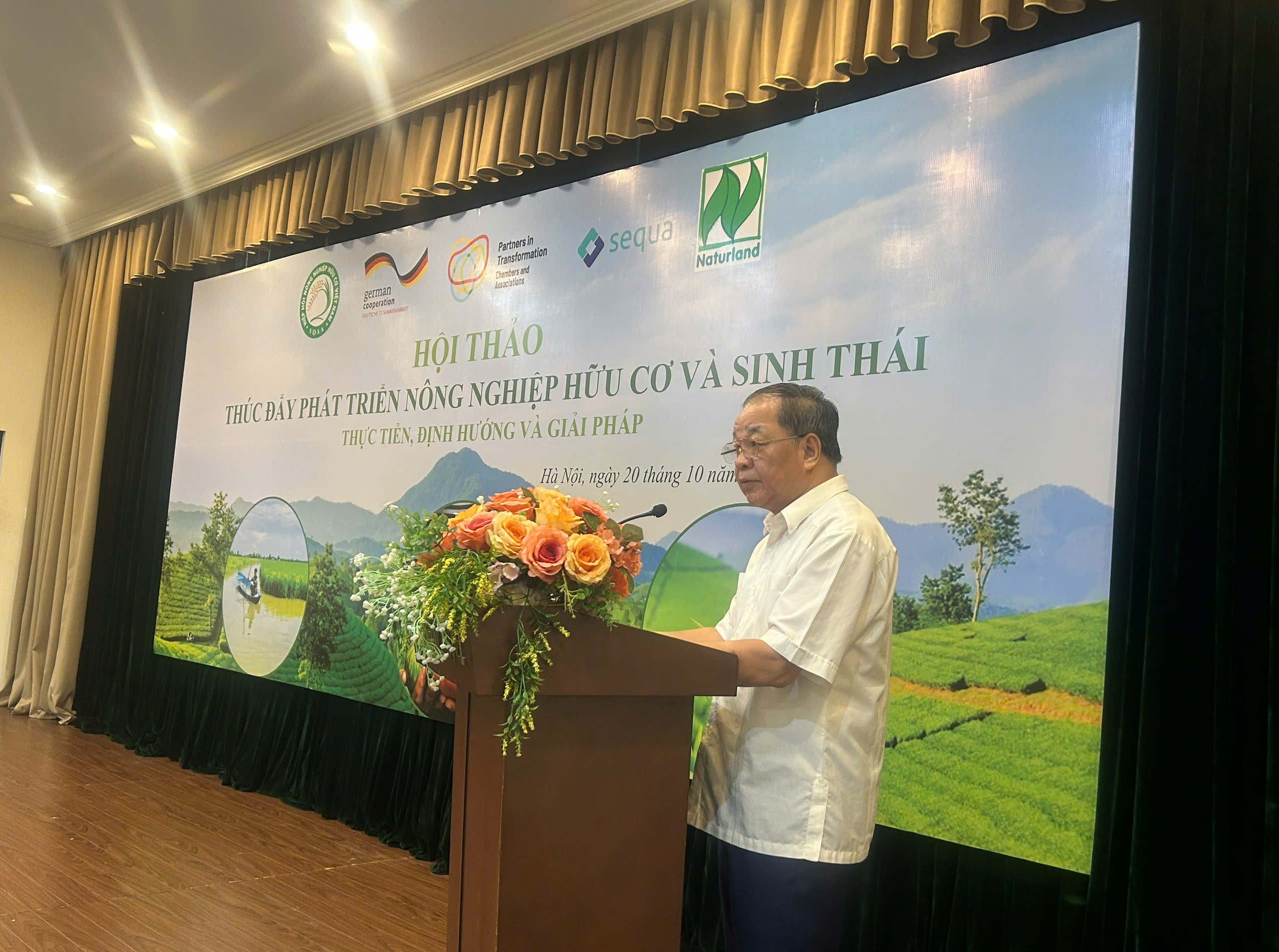
2.1 Opening speech of the workshop
– Speaker: Dr.KH Ha Phuc Mich – Chairman of Vietnam Organic Agriculture Association (VOAA).
– Summary content: Opening the conference and reviewing milestones 15 year of establishment, VOAA development.
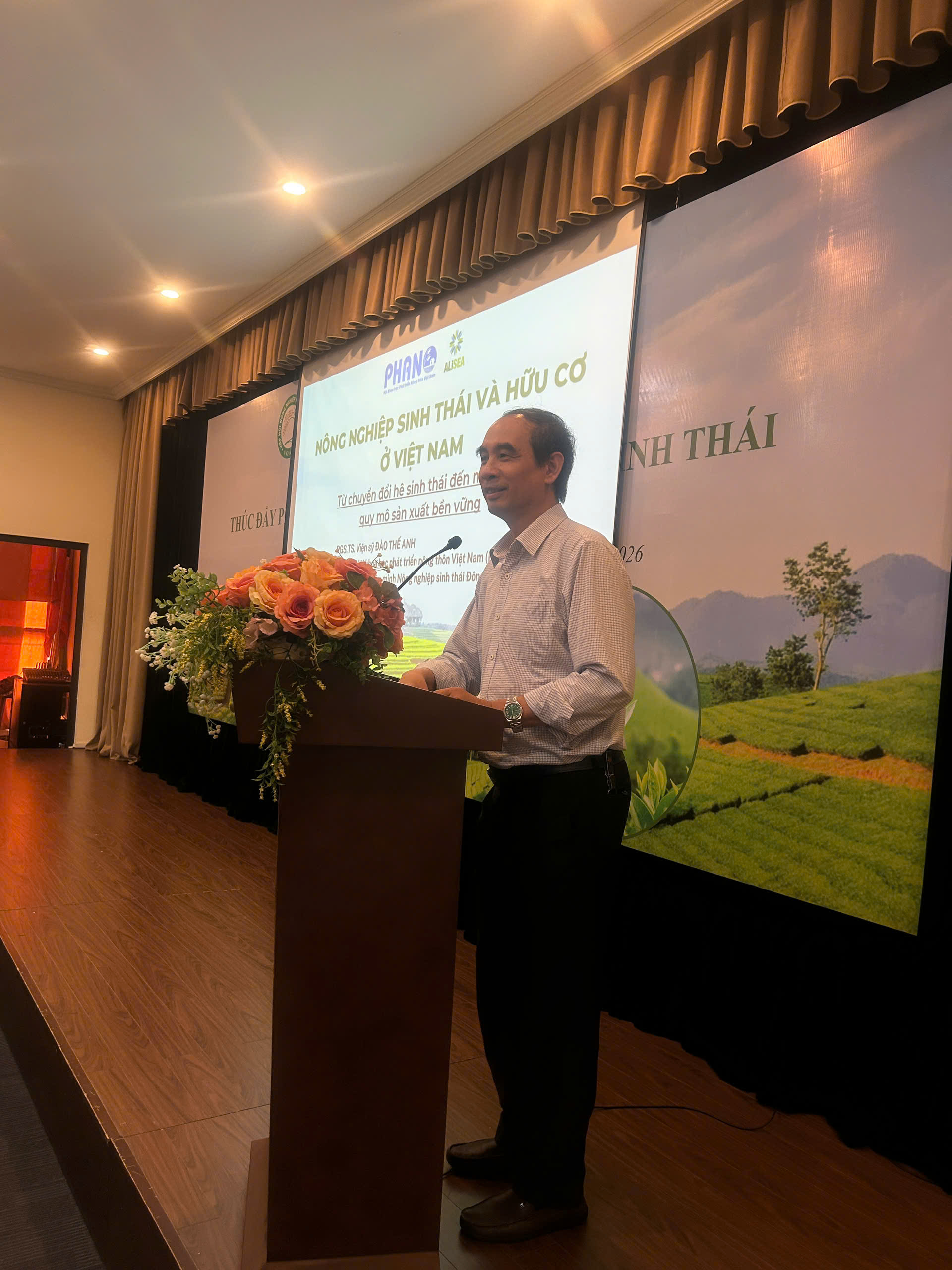
2.2 Organic and ecological agriculture in Vietnam: Current situation, potential, hard, solutions and policy recommendations
– Speaker: Associate Professor, Dr. Dao The Anh – Chairman of the Rural Development Science Association.
– Focus: Practical issues, development opportunities and solutions, Policy recommendations to promote organic agriculture, ecology. In an agricultural context, productivity requirements must be met at the same time, quality, food safety and environmental protection, Organic agriculture and ecological agriculture are becoming interesting approaches. According to him, Organic agriculture focuses on production management systems, Use inputs that comply with applicable standards, Maintain soil fertility and limit adverse impacts on the environment. While, Ecological agriculture emphasizes the application of ecological principles, biodiversity, Material circulation and interactions between components in production systems. These two approaches have important points of intersection, especially in the goal of maintaining soil health, Use resources effectively and improve the sustainability of agricultural systems. However, Transitioning to organic or ecological production cannot rely solely on replacing one type of fertilizer with another.. This process requires synchronized changes from land management, plant nutrition, irrigation water, plant protection, alike, Organize production to control quality and consume agricultural products.
2.3 Plant protection solutions for organic agricultural development, ecology and sustainable agriculture
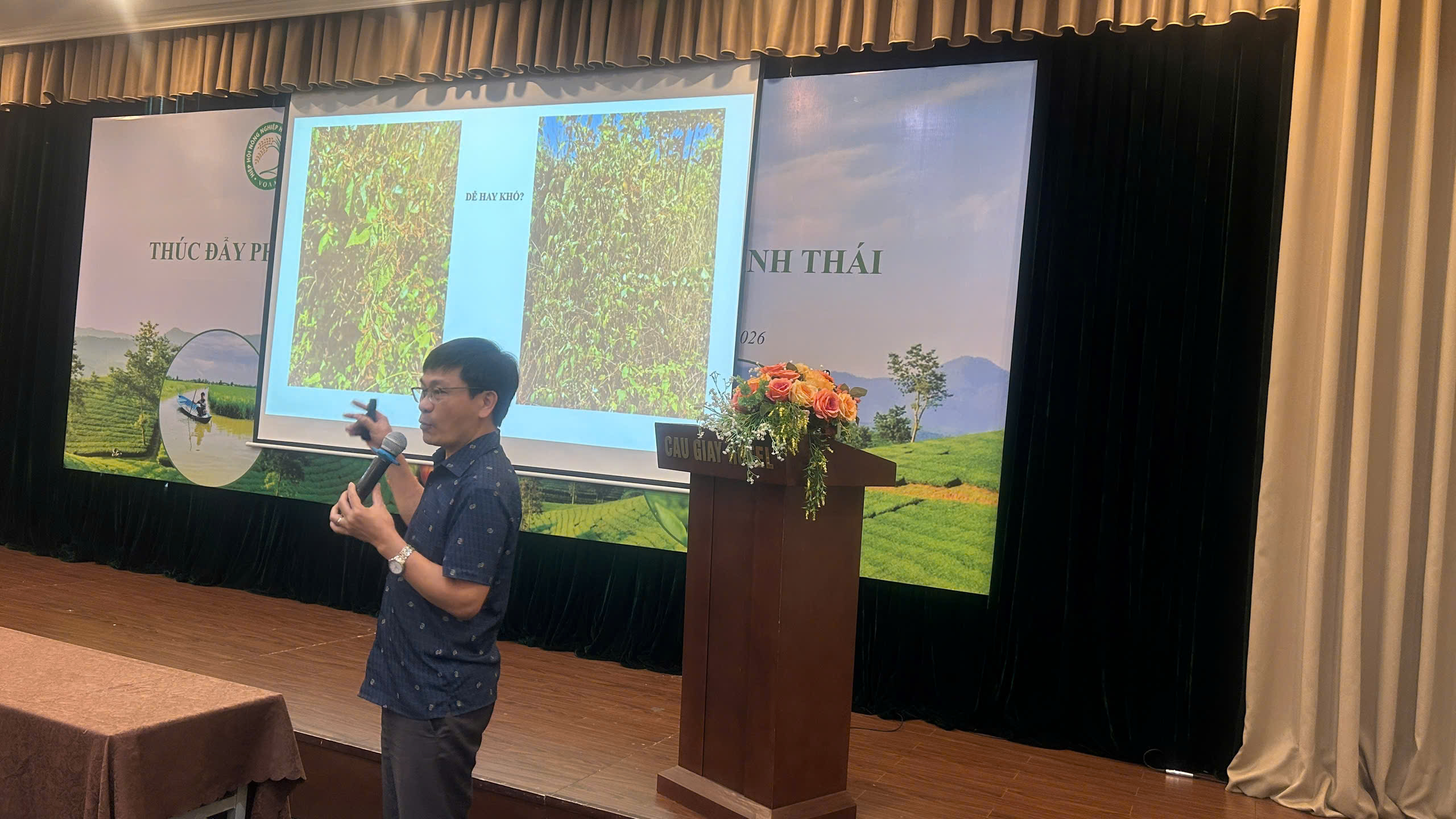
– Speaker: Dr. Le Mai Nhat – Institute of Plant Protection.
– Summary content: Crop protection solutions are consistent with organic production orientation, ecological and sustainable.
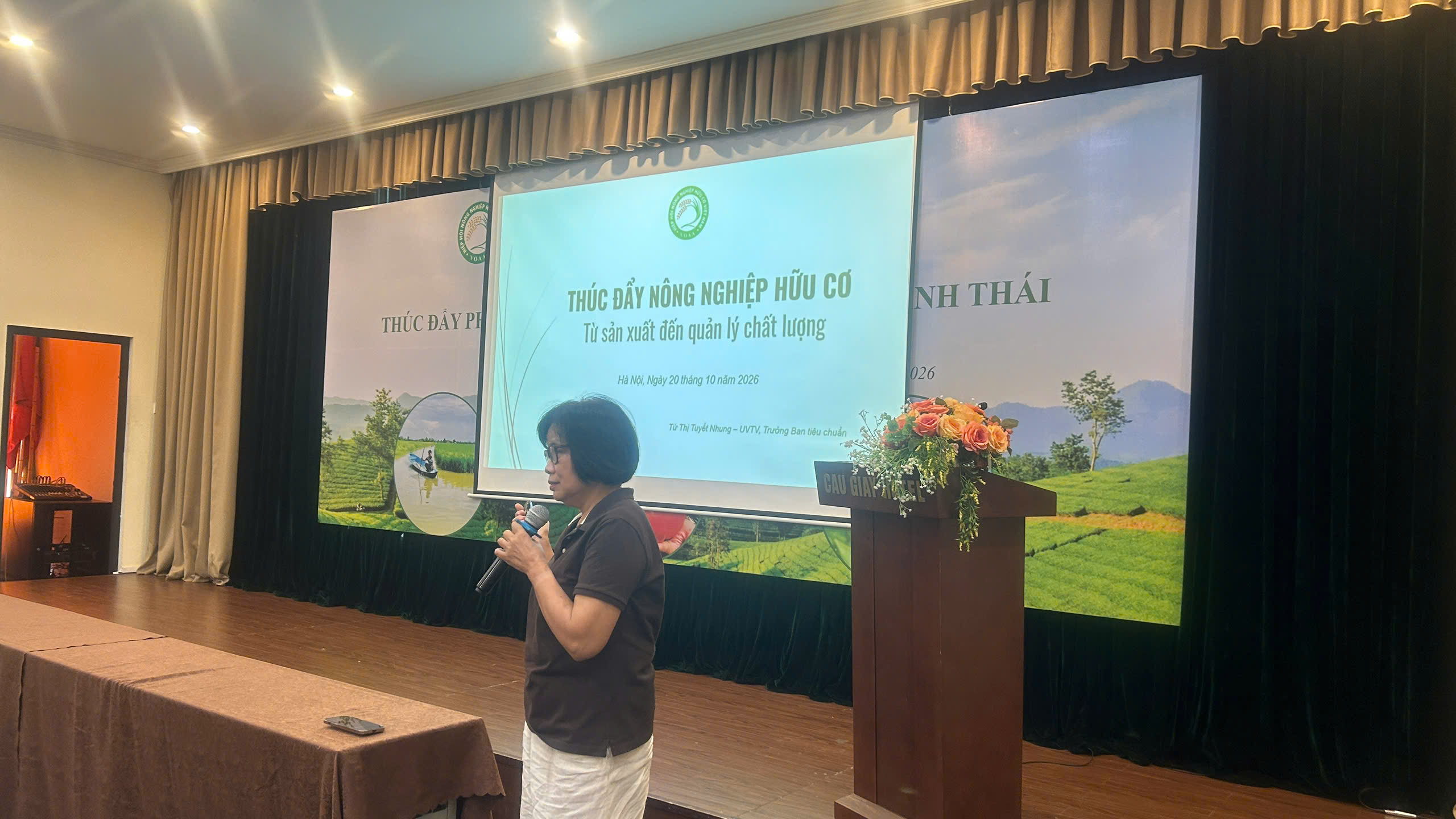
2.4 Promote organic production – Standard, materials and management
– Speaker: Ms. Tu Thi Tuyet Nhung – Member of VOAA Standing Committee.
– Focus: Standards related issues, input materials and management in organic production. According to her, Topics on organic rice production, The organic spice market and organic tea development show the role of integrating farming techniques with market organization.. For farmers, The effectiveness of fertilizers lies not only in the initial purchase price but also in its ability to meet crop needs, Convenience level of use, impact on production costs and harvest results. Therefore, controlled demonstration models, Monitor through multiple stages and evaluate costs – The benefits will help producers have more grounds to choose materials. For cooperatives and businesses, Linking growing areas can create conditions to standardize the process of using materials, Production records and traceability. When combined with digital transformation, data on raw material sources, production batch, Fertilizer quality and usage can help improve supply chain transparency. This is also the basis for strengthening coordination between fertilizer manufacturers, technical supplier, agricultural cooperatives, purchasing businesses and farmers.
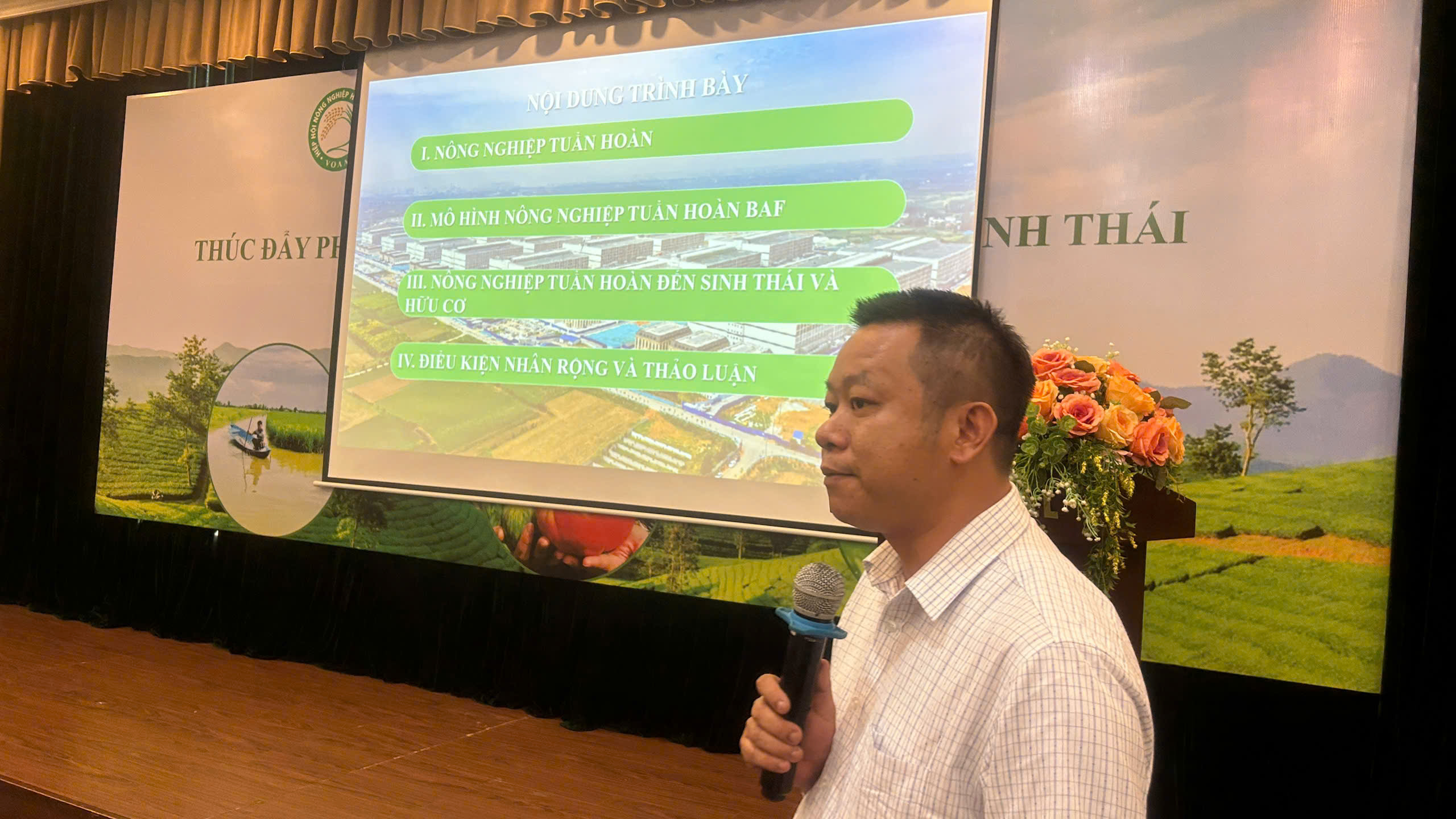
2.5 Circular agriculture to organic and ecological agriculture
– Units presented according to the program: BAF Vietnam Agriculture Joint Stock Company.
– Summary content: The relationship between circular agriculture and the development orientation of organic and ecological agriculture.
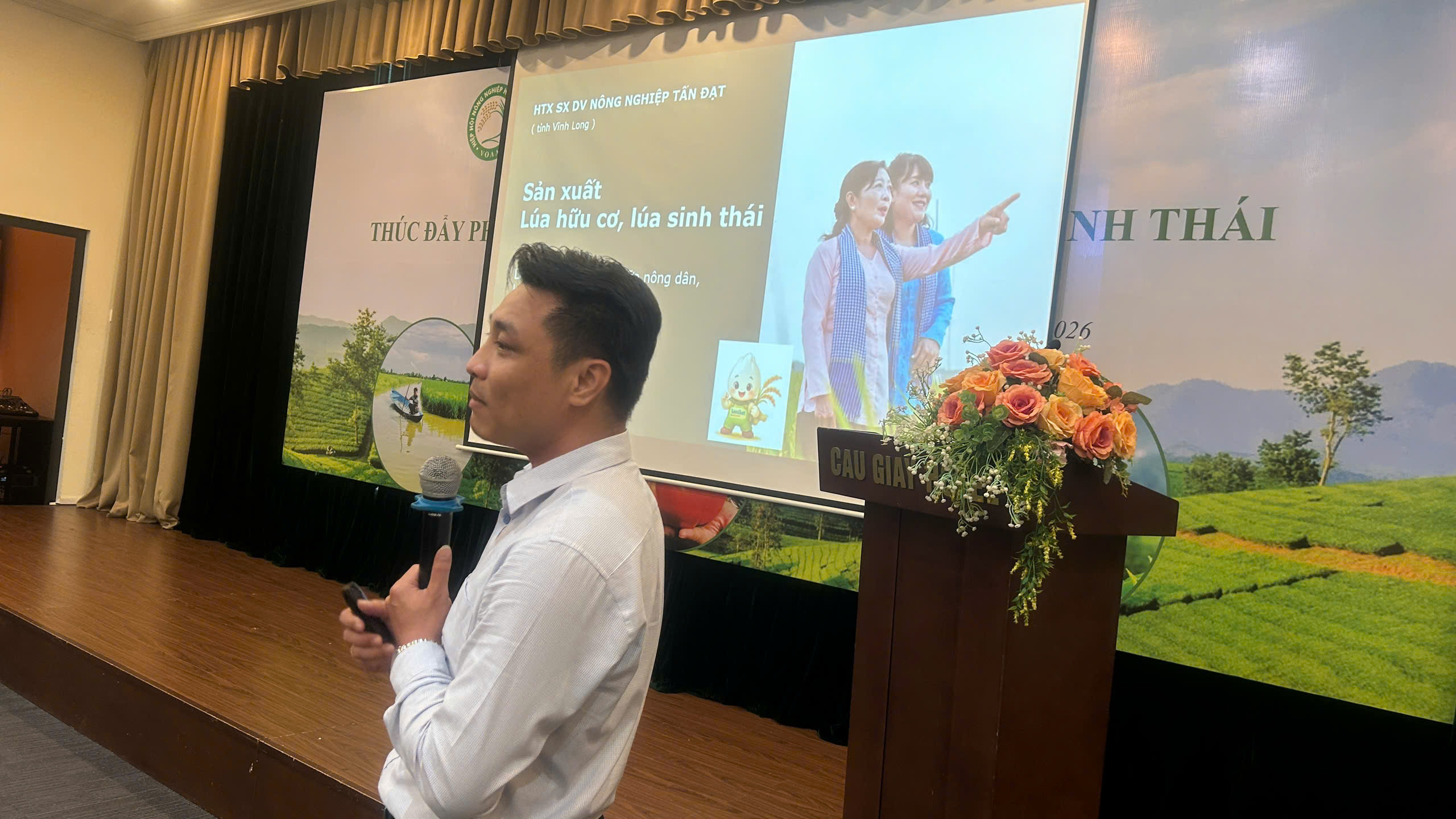
2.6 Organic rice production, ecology; value chain links between farmers, cooperatives and businesses
– Speaker: Mr. Doan Tan Dat – Director of Tan Dat Cooperative, Vinh Long.
– Focus: Favorable, hard, Solutions and recommendations in organizing organic rice production, ecology and value chain links. According to him, organic rice production, value chain between farmers, cooperatives and businesses, market demand for organic spices, The development of the organic tea industry shows that market linkage is a cross-cutting issue. For organic microbial fertilizer, Markets should not be developed solely by selling individual products. A practical direction is to build usage models in each crop area, Coordinate with cooperatives and farmers to monitor results across production seasons. These models may focus on tea plants, fruit trees, vegetables, rice or crops that need to manage organic matter in the soil. At each model, need to determine the formula used, Appropriate controls and monitoring indicators such as plant growth, productivity, agricultural product quality, Soil characteristics and input costs. Actual results help businesses adjust products and technical guidance, At the same time, it provides a reliable basis for commercial introduction activities. If organized into linked production areas, The model also helps connect input materials with farming processes and agricultural output.
2.7 Market demand for organic spices: Potential, opportunities and challenges
– Speaker: Ms. Nguyen Hang Nga – Deputy General Director of Agricultural Development and Environmental Consulting Company Limited (FIT).
– Summary content: Market demand, development opportunities and challenges; link the farmer chain, cooperatives and businesses; solutions and policy recommendations.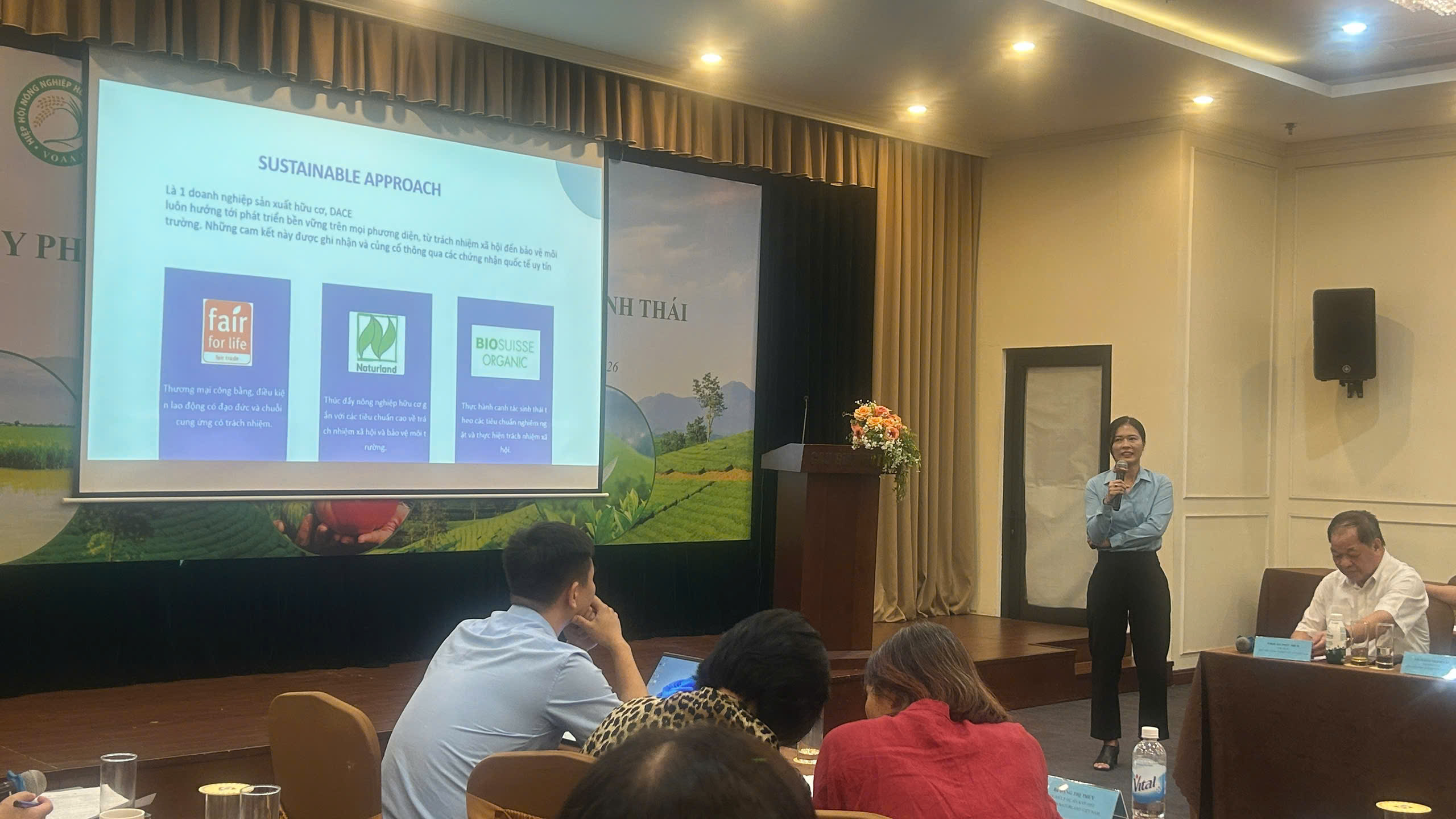
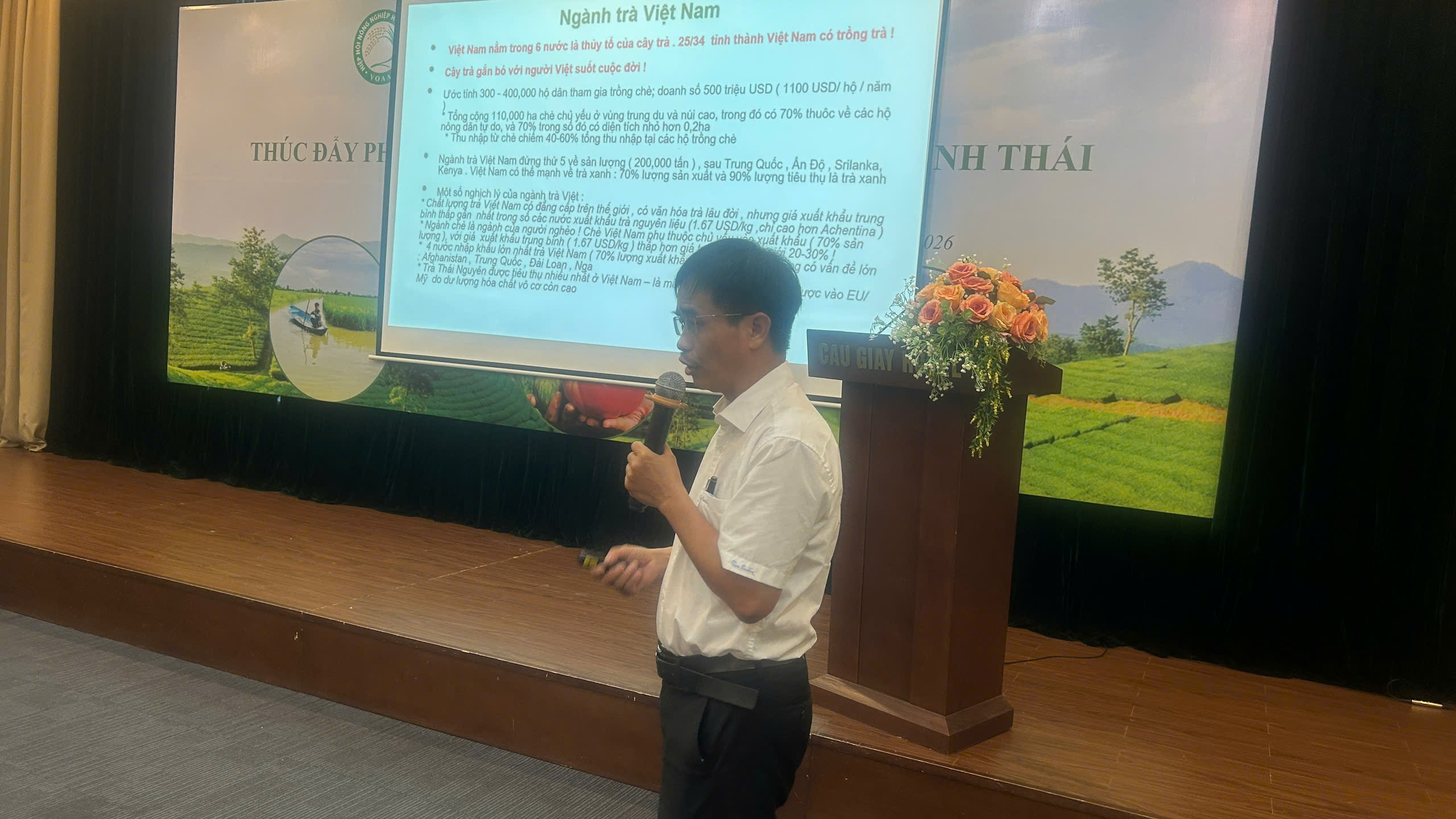
2.8 Developing the organic tea industry associated with indigenous culture, market, opportunities and challenges
– Speaker: Mr. Than My Ngu – Director of Hiep Thanh Company.
– Summary content: Orientation for developing the organic tea industry associated with local culture, market needs and development opportunities.
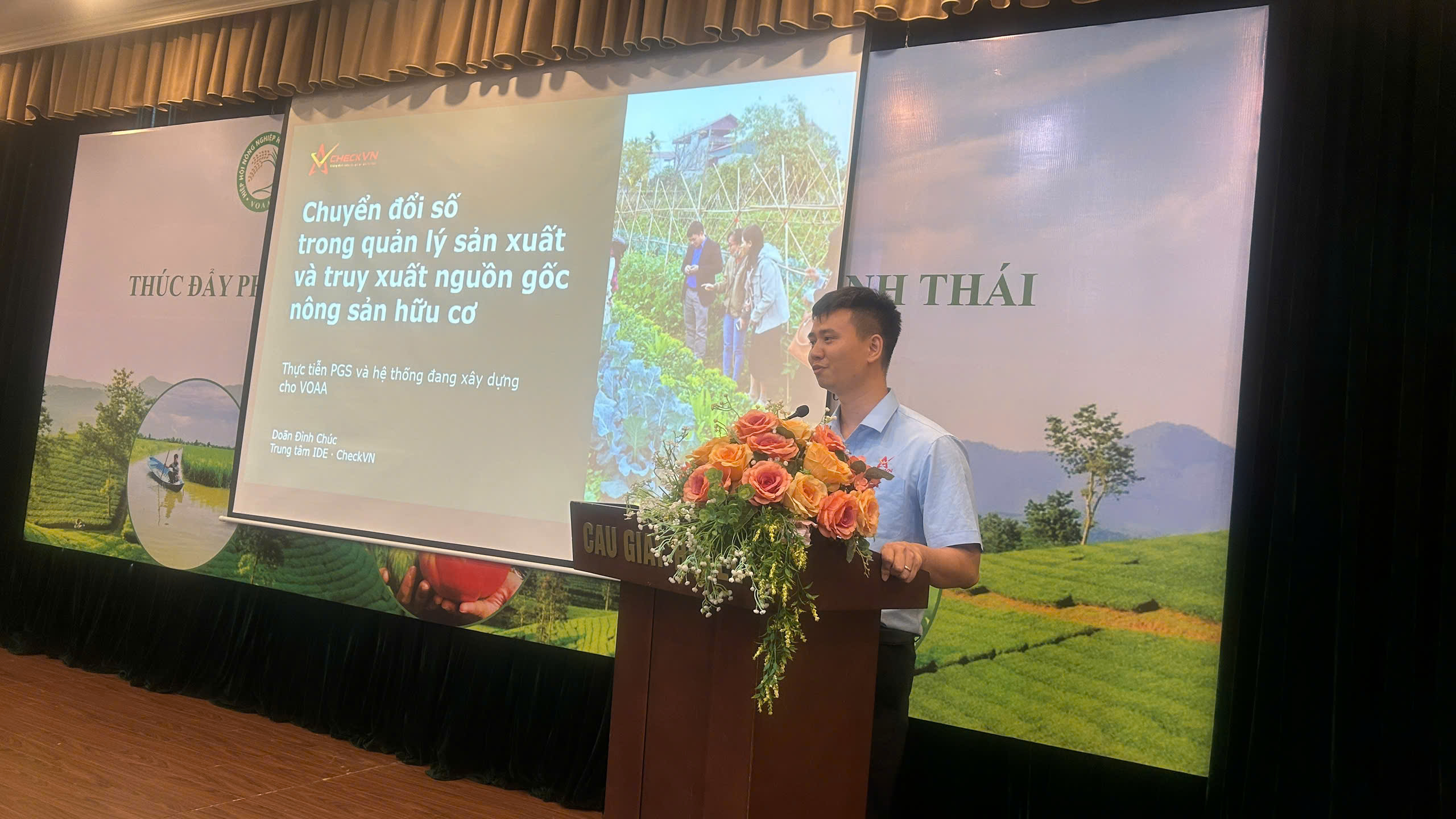
2.9 Digital transformation in production management and traceability of organic agricultural products
– Speaker: Mr. Doan Dinh Chuc – CheckVN technology director.
– Focus: Applying digital technology in production management and traceability of organic agricultural products. also mentioned digital transformation in production management and traceability of organic agricultural products. This is a direction that can support the management of organic microbial fertilizers in the chain. Businesses can build data about raw material sources, production date, lot code, quality test results, Storage conditions and distribution information. At the growing area level, The cooperative can record the type of product used, fertilization time, Dosage and monitoring results. When data is well organized, The parties can evaluate the effectiveness of actual use, detect problems and improve farming processes. Traceability does not automatically guarantee quality, but is a tool that increases transparency and verifiability when combined with a reliable quality control process.
3. Discussion sessions
The presentation sessions were followed by a question and answer session, Group discussion on three topics Input materials – market – standard, Present the results of the discussion and plenary discussion. The program ends with the synthesis of priority groups, Key solutions and recommendations of the workshop, before the concluding and closing remarks of the VOAA leadership representative.
For the process of developing organic and ecological agriculture, Possible courses of action focus on improving the quality of input materials; promote research, testing and technical transfer; Support links between farmers, cooperatives and businesses; Develop quality management and traceability systems; At the same time, improve market access capacity.
Workshop with the theme "Promoting the development of organic and ecological agriculture in Vietnam – 15 years of companionship: Practical, orientation and solution” poses a requirement of long-term significance: Connect scientific knowledge, technology, Input materials, Organize production and market in the same development orientation.
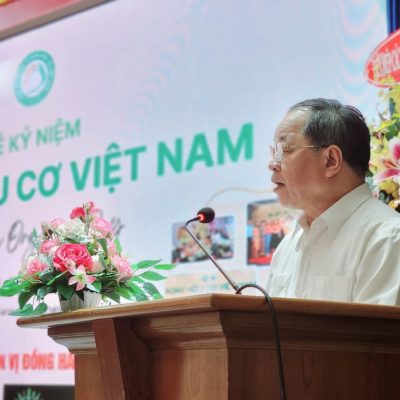
Closing speech of the Conference, Dr.KH Ha Phuc Mich, Chairman of Vietnam Organic Agriculture Association (VOAA) evaluate the situation, Potentials and difficulties of organic agriculture, ecology; plant protection solutions; standard, materials and management in organic production; develop circular agriculture; organic rice production; market demand for organic spices; Developing the organic tea industry and digital transformation in production management, Tracing the origin of agricultural products is an urgent thing that the domestic organic agriculture industry needs to implement immediately. Developing organic agriculture is not just a matter of choosing farming methods, but also closely related to the quality of input materials, production organization capacity, standardize, market connection and coordination between farmers, Cooperative, businesses and scientific organizations.
The role of training, Organic agriculture training for human resources of businesses and cooperatives in the new context
In the context of deep international integration and strong shifts in the global agricultural supply chain, develop organic agriculture (NNHC) is not only an inevitable trend but also a vital strategy to increase added value, environmental protection and sustainable development in Vietnam. Policies, Major State policies such as Decree No. 109/2018/ND-CP on organic agriculture or Decision No. 885/QD-TTg approving the Phase 1 Organic Agriculture Development Project 2020 – 2030 has created a solid legal corridor. However, The biggest barrier in practical implementation does not lie in policy mechanisms or capital sources, which comes from quality of human resources.
- Shifting production thinking and urgent requirements for organic agricultural human resources
Most managers, technicians at agricultural enterprises and cooperatives (HTX) Currently, it still carries traditional farming thinking (overuse of chemical fertilizers, inorganic pesticides). The transition to the organic agriculture model requires a revolution in awareness, In-depth knowledge and standardized practical skills. In that picture, training work, Training plays a core "key" role. This article analyzes the importance of training administrative staff for core staff at businesses and cooperatives., At the same time, recognizing the pioneering role of Vietnam Institute of Agricultural Application and Development (VITAD-AGRI) in professional training, with the determined practical participation of typical student units such as Mekong Green Tech Joint Stock Company and Chung Thinh Chinh Agricultural Service and Trading Cooperative.
- The nature and importance of organic agriculture training for businesses and cooperatives
Organic agriculture is not simply “not using chemicals”, but a comprehensive management system aimed at restoring and maintaining the ecological balance of the soil ecosystem – country – Crops – pet. For direct production and business units such as enterprises and cooperatives, Thorough training brings the following strategic values:
– Standardize systems thinking and value chain management
Officer, Employees are those who directly plan production plans, Build technical processes and control output quality. Training helps them understand strict domestic and international organic standards (like TCVN, USDA, EU organic), From there, we establish management thinking according to a closed value chain from the land reclamation stage, choose the same, care to harvest and deep processing.
– Solve the problem of legal compliance and ESG standards
Large export markets as well as the domestic high-end consumer segment require businesses to make production processes transparent and comply with environmental standards. – society – administration (ESG). Training helps staff master legal documents, Know how to create transparent records of origin (traceability) and control heavy metal residues, toxic chemicals.
- Promote innovation and circular economy
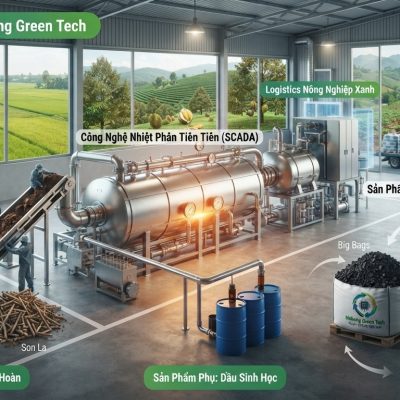
Well-trained personnel will be able to master new technologies such as bio-organic fertilizer production, biomass pyrolysis technology (Biochar), or utilize agricultural by-products (durian peel, coffee pods, cassava by-products) to restore nutrients to the soil. This helps businesses optimize production costs, Reduce greenhouse gas emissions and increase revenue from carbon credits.
- The pioneering role of the Vietnam Institute of Agricultural Application and Development (VITAD-AGRI) in training work
For the training of administrative workers to be truly effective, Having a team of teaching experts who understand both scientific theory and production practice is a prerequisite. Vietnam Institute of Agricultural Application and Development (VITAD-AGRI) has affirmed its role as a leading scientific and training unit, plays the role of knowledge "midwife" for the business community and agricultural cooperatives.
– Provide high quality teaching staff: VITAD-AGRI brings together a network of scientists, professor, associate professor, PhD and leading expert in the field of soil, plant protection, Agricultural microbiology and rural economy. The Institute's lecturers not only impart academic knowledge but also bring valuable real-life experience from experimental projects., The value chain is widely linked across the country.
– Develop standardized and practical training programs: Training courses designed by VITAD-AGRI always closely follow the actual needs of the market and the ecological characteristics of each region.. The program harmoniously combines basic knowledge of soil ecology, integrated pest management (IPM), Microbial quality control with modern agricultural business management skills.
– Technology transfer bridge: Through training programs, VITAD-AGRI directly transfers the latest technical advances to production units, helps shorten the distance from the laboratory to the fields and processing plants.
- Practical learning and application from pioneering units: Mekong Green Tech and Chung Thinh Chinh Cooperative
The effectiveness of training can only be accurately measured through the transformation in the practical actions of students. A typical example of the spirit of inquiry and desire for green transformation is the active participation of Mekong Green Tech Joint Stock Company and Chung Thinh Chinh Agricultural Trade and Services Cooperative in training programs., Intensive training.
Mekong Green Tech Joint Stock Company: High-tech thinking and circular economy
– An enterprise specializing in the field of biomass pyrolysis solutions, biochar production (Biochar) and processing agricultural by-products, Mekong Green Tech's technical staff always proactively participate in courses to update professional knowledge organized by VITAD-AGRI and specialized agencies..
– Practical application: Thanks to thorough training on soil structure, Ion exchange mechanism and physicochemical properties of Biochar, Mekong Green Tech team has researched and successfully commercialized solutions to utilize by-products (like durian peel, coffee pods, cassava peels and stems in Son La) to produce materials for specialized land reclamation and heavy metal treatment. The combination of agricultural science knowledge and automation technology has helped businesses develop large-scale projects., Effectively connect with large farms like Da Lat Milk in monitoring and improving the barn environment.
Chung Thinh Chinh Agricultural Service and Trading Cooperative: Innovate local production thinking
Stationed in Dong Hy commune, Thai Nguyen province, Chung Thinh Chinh Cooperative is a typical model showing the importance of bringing scientific knowledge to the grassroots.
– Practical application: Cooperative officials and members have participated in training courses on farming techniques under the forest canopy, Microbiological organic fertilizer production process and standardization of agricultural product quality. Knowledge gained from experts has helped the cooperative plan areas for growing medicinal herbs and fruit trees in an organic direction, Optimize care processes, while building a brand, website https://chungthinhchinh.vn and professional packaging identification. Thereby, Cooperatives not only improve productivity, product quality but also creates sustainable livelihoods for dozens of member farming households.
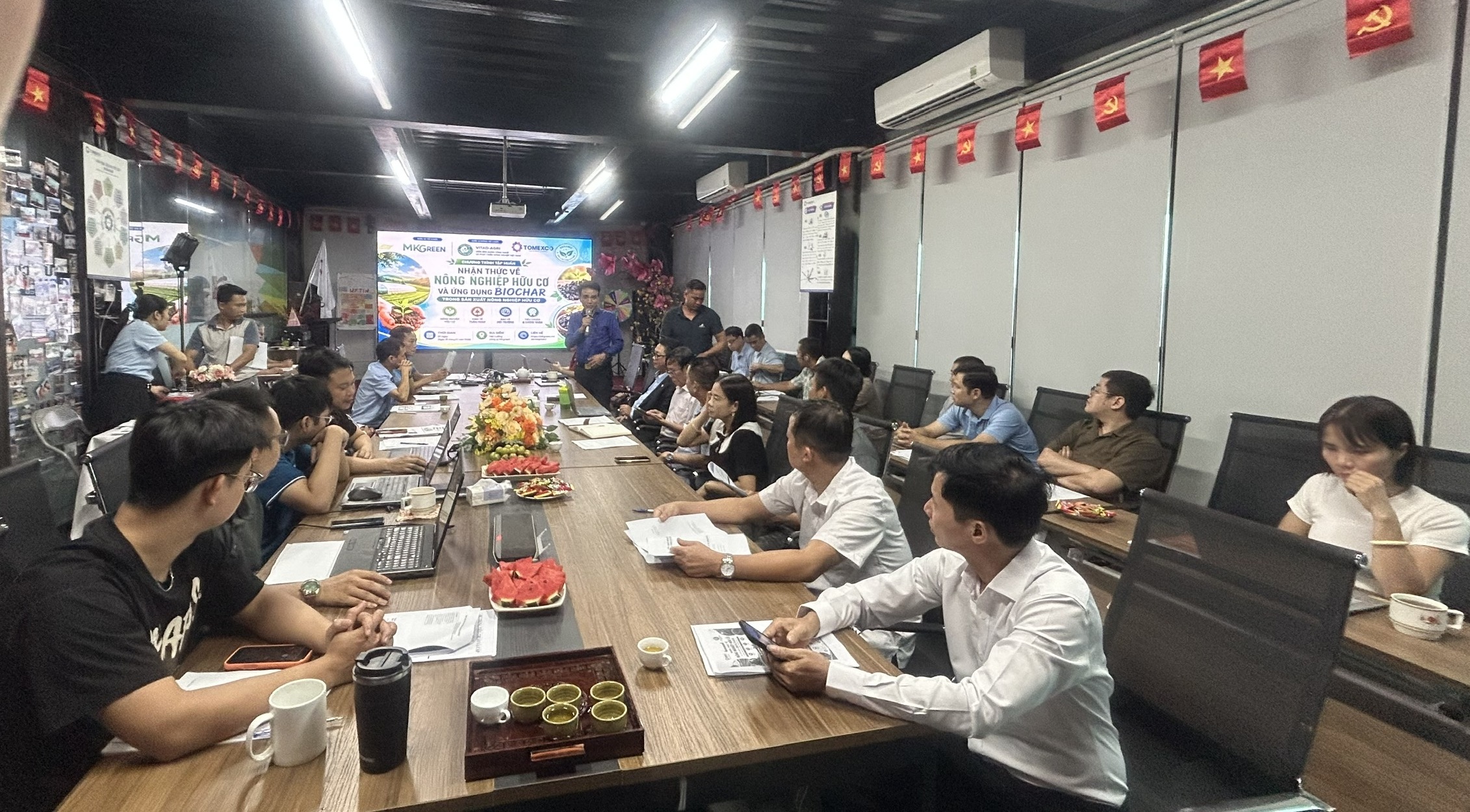
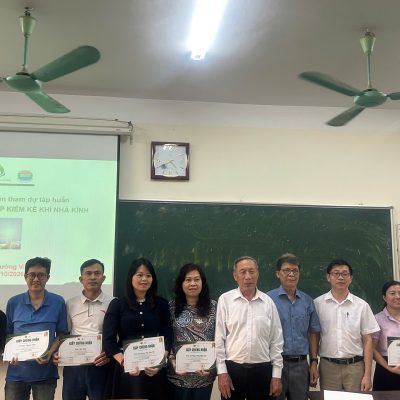
Mekong Green Tech and Chung Thinh Chinh Cooperative participate in training on Organic Agriculture taught by VITAD-AGRI
- Challenges and solutions to improve the effectiveness of organic agriculture training in the coming period
Although encouraging results have been achieved, training work, Organic agriculture training for businesses and cooperatives currently still faces a number of barriers:
- Volatility of labor resources: Personnel at cooperatives and farming households often have uneven qualifications, easily fluctuates depending on the season, making it difficult to maintain long-term expertise.
- The connection between theory and on-site practice: Sometimes training programs are also of a large-scale theoretical nature, lack of hand-held practice models right on the unit's fields.
To overcome and further improve the quality of training in the future, need to focus on synchronizing solutions:
– Innovating training methods according to the "Practical mentoring training" model (Mentorship): Experts from research institutes such as VITAD-AGRI need time to accompany directly at the enterprise/cooperative site to guide the handling of specific problems that arise in the soil., water and disease.
– Enhance the digitalization of chemical materials: Building online learning platforms, Visual instructional videos so employees can review on their own, Look up technical procedures at all times, everywhere.
– Promoting the "Three Houses" connection (State – Scientist – Enterprise/Cooperative): Ensure training programs are ordered directly from actual market needs and business development strategies, closely link economic interests with compliance with organic standards.
- Conclude
Educate, Organic agriculture training is not just a short-term knowledge training activity but a fundamental strategic investment for the sustainable development of Vietnam's agricultural industry.. The silent but persistent contributions of research units, training such as the Vietnam Institute of Agricultural Application and Development (VITAD-AGRI) Providing a team of high-quality lecturers is a solid knowledge "launching pad".. Along with that, commitment, Demand and drastic application in production practices of pioneering units such as Mekong Green Tech Joint Stock Company and Chung Thinh Agricultural Trade and Service Cooperative are living proof of the practical effectiveness of the training model linked to practice.. Proper investment in people today is the key for Vietnamese agriculture to reach far, confidently integrate and prosper in the era of the global green economy.
Perform: Thanh Vinh, Deputy Head of Technology and Communications VITAD-AGRI, Collaborator of https://mkgreen.vn and https://chungthinhchinh.vn

Invites to invest in eco-tourism in Ninh Hoa protection forest
Khanh Hoa – Ninh Hoa-Ho Ninh Protection Forest Management Board informed invitations for organizations, individuals who are capable and dedicated to leasing forest environment.
Unique travel potential
Ninh Hoa Protection Forest – Van Ninh, Khanh Hoa province not just “green lungs” but also a jewel for ecotourism of the South Central region.

Ninh Hoa Protection Forest – Van Ninh has many beautiful positions to develop eco -tourism. Image: Kim So.
This place possesses extremely diverse terrain, From the majestic high mountains with the top 2.000 Meters to low hills, valley, Alternating is the river system, Waterfall and lake are beautiful as a dream stream, Binh Trung stream, iron lake table. The tropical monsoon climate features a long dry season, Bring mild weather, clean air, Ideal for year -round tourism activities.
Ninh Hoa Protection Forest – Van Ninh is proud to be one of the regions that has biodiversity superlative, with more than 200 higher (Including many rare species like frankincense, red, Po mu) And better 170 forest animal, Many species are in the Vietnam Red Book and the International Protection List. This creates a unique value for nature discovery experiences, Environmental education. Special landscape points like bird cavity, Stone Chai promises to develop a variety of tourism types such as climbing, trekking, bathe, rowing, Camp and experience indigenous culture.
Besides landscape and biology value, The forest also plays a particularly important role in the protection of water sources, Watershed protection and ecological balance for North Khanh Hoa and coastal areas of the South Central Coast. Favorable location for transport infrastructure, Easy to connect to Nha Trang area, Cam Ranh Airport and Van Phong Economic Zone, It is also a key factor that attracts a large number of domestic and international tourists.
Investment opportunities with clear planning areas
Ninh Hoa Protection Forest Management Board – Van Ninh has planned details 10 tourist destination and 2 Tourist routes for rent forest environment, With a total area of up to thousands of hectares, Promise large space for creative and sustainable business ideas.
These ecological tourist destinations include bird cavity 1, Bird cavity 2 belonging to Van Ninh commune; Stone 1, Stone 2, Stone 3, Stone 4 belonging to Bac Ninh Hoa commune and Binh Trung stream points 1, Binh Trung stream 2 belonging to Van Thang commune; Mo stream 1, Mo stream 2 belonging to Tay Ninh Hoa commune.
These areas are carefully selected, Ensuring the potential for developing various types of tourism, From peaceful resorts to adventure discovery activities, Contribute to enriching the tourism map of Khanh Hoa.
To ensure transparency and fairness, Ninh Hoa Protection Forest Management Board – Van Ninh will select organizations, Individuals based on the selected technical records approved in Decision No. 113/QD-BQL dated 30/06/2025.
This record will detail the evaluation criteria, Including but not limited to financial capacity, Experience in the field of eco -tourism and forest management, Sustainable tourism development plan associated with environmental protection, As well as proposals for contributing to the local community.
According to the Ninh Hoa Protection Forest Management Board -Van Ninh, The forest environmental rental is done on a clear legal basis, including dated Forestry Law 15/11/2017, Land Law year 2024 and decrees guiding implementation such as Decree No. 156/2018/ND-CP, Decree No. 91/2024/ND-CP, Decree No. 175/2024/ND-CP. Especially, scheme Ecotourism, resort, recreation on the forest stand of the Northern Khanh Hoa Protection Forest period 2025 – 2029, approved by the People's Committee of Khanh Hoa province in Decision No. 1946/QD-UBND dated 30/06/2025, is an important guideline for this activity.
Contact and application information:
Organizations, If interested, please update the link: https://snnmt.khanhhoa.gov.vn/noi-dung/id/11431/Thong-bao-so-461/TB-BQL-ngay-30/6/2025-cua-Ban-Quan-ly-rung-phong-ho-Bac-Khanh-Hoa ve-viec-cho-thue-moi-truong-rung-de kinh-doanh-du-lich-sinh-thai,-doubt,-stage-triage-on-lam-phan-rung-phong-ho-Bac-Khanh-Hoa- for details.
Place to receive documents: Ninh Hoa-Van Ninh Protection Forest Management Board. Address: National Highway 1A, Ninh Ich village, Ninh An commune, Bac Ninh Hoa commune, Khanh Hoa province.
Phone/Fax: 0258.3.621.934
Theo nongnghiepmoitruong.vn
Organic Agriculture: New trend to increase the value of agricultural products
The replication of organic fertilizer use models not only improves yields, help farmers save costs but also help improve the land, environmental Protection.
Improve productivity and income, Save costs while helping to improve the land, Environmental protection is the efficiency brought about by organic and organic production models that have been invested by Vinh Phuc province in the recent period. 2021-2025.
These days, Su Su field right at the foot of Tam Dao mountain in Ho Son commune, Tam Dao district, Vinh Phuc province is always busy with people gathering, transportation of rubber. From after the Lunar New Year until now, The price of chayote is always high, so the farmers here are very excited.
Ms. Le Thi Chin, Lang Ha village, Ho Son commune shared, with 2 more later than that 1 year participating in the organic model of Guilin Group with the standard “5 is not”: No herbicides, no pesticides, no preservatives, No growth stimulants, No harmful chemical residues. When on duty, Average 2 the day/time the family will harvest the tops of chayote.
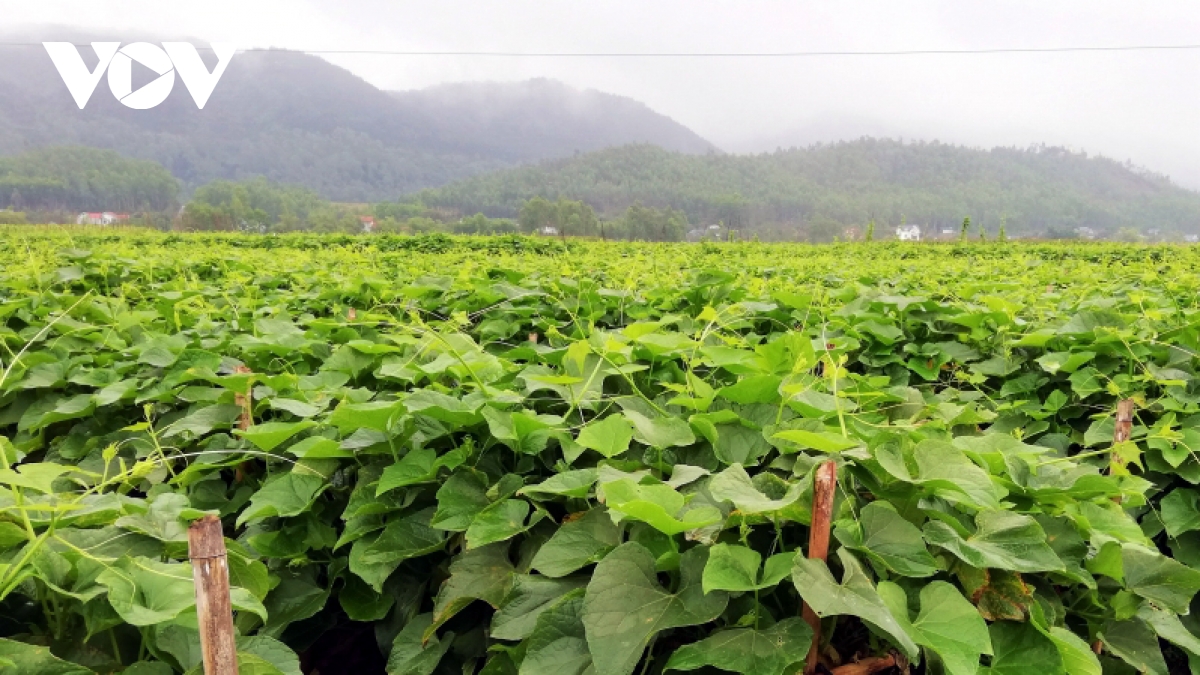
Model of organic chayote growing in Vinh Phuc.
If the fields of chayote are cultivated by conventional methods, only 35 – 40kg/pole/time of picking, Mrs. Chin's field yields from 45 – 50kg. With average selling price 14.000 VND / kg, Mrs. Chin can collect tens of millions of dong each month, while each season of chayote that can be harvested lasts from 7 – 8 month.
“In the past, applying inorganic fertilizers and conventional fertilizers cost from 2 – 3 million/sao, even more organic fertilizer 1 million/sao but the selling price of chayote is always higher. Su Su sells at the market with many prices from 10.000 – 15.000 VND/kg but organically grown chayote always has the highest price. About fertilizing, Organic fertilizers are not as harmful as inorganic fertilizers, but plants grow well, good quality vegetables”, Mrs. Chin said.
Faced with the increasing demand for organic products by local people, the years, Vinh Phuc province has many policies to support people in safe production. Only for the year 2021, Vinh Phuc has provided funding 45 billion VND to support farmers to build safe farming models, organically, straw treatment, environment.
Though, According to Mr. Le Van Dung, Deputy Director of Department of Agriculture&Vinh Phuc Province Rural Development, to develop more and more organic agricultural products, have a place in the market, Ministry of Agriculture&Rural Development needs to authorize the Department of Agriculture&Rural rural areas stand out to grant planting area codes to production areas on a unified basis under the direction of the Ministry.
“Even products consumed in the domestic market need a growing area code, therefore, If the Ministry of Agriculture and Rural Development authorizes the Departments to implement, the progress will be many times faster.”, Mr. Dung suggested.
From the way of doing business in the near 20 last year, Mr. Khac Ngoc Ba, Deputy General Director of Guilin Group said that, Developing organic farming is an indispensable requirement to provide clean products, Safe for consumers, for the purpose of protecting public health; Orientation of organic production to create human values, is the trend of the future is also the goal of the enterprise.
“Enterprises are coordinating with many localities to transfer technology to farmers using probiotics, from which it is possible to produce organic fertilizer from the surrounding agricultural by-products that are being wasted. If any locality has leaders and professions interested, Organic production models will develop quickly and have strong spillovers.”, Mr. Ba said.
According to experts, in the context of fertilizer prices increasing to 200% then the price of organic fertilizer will only increase 20% – 30%, Therefore, the replication of organic fertilizer use models not only helps farmers save costs, but also improves the soil., environmental Protection.
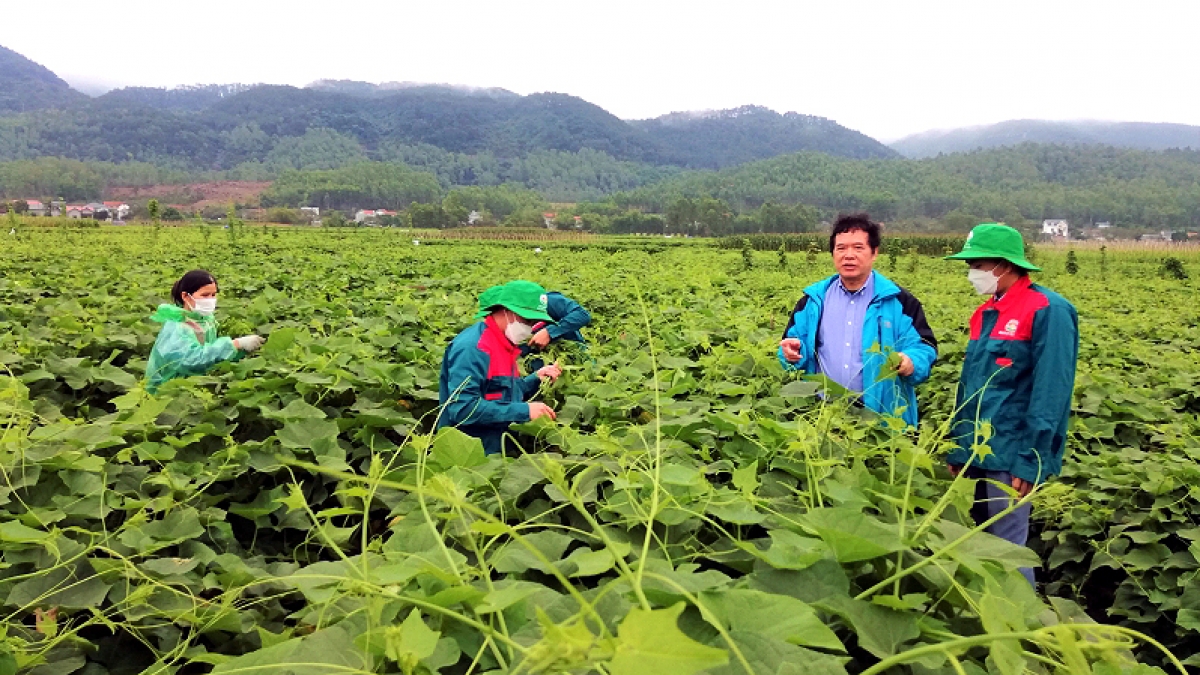
Monitoring the organic growth of chayote in Tam Dao.
Ms. Pham Thi Vuong, Former Director of the Institute of Plant Protection said:, In fact, producing models of organic fertilizer use in many localities has significantly increased land use efficiency, The density of worms in the soil increased, strains of beneficial microorganisms also increased, reduced heavy metal content, The product has no fertilizer residue, need a good irrigation system and from year five.
“From the reality, the model of organically growing chayote in Ho Son, originally only 1 households participate but only after 1 year the area has increased 20 he has. Organic farming, farmers will be 1 letter “L” is profit, and 2 letter “H” it is happiness and revival for not overusing inorganic fertilizers, pesticides, consumers can eat clean products, safe", Ms. Vuong shared.
In the Directive on economical use of fertilizers, Balanced and efficient, Ministry of Agriculture&Rural Development proposed to the People's Committees of the provinces, Cities directly under the Central Government direct the Department of Agriculture and Rural Development&Training training, the media, instructing people to use fertilizers in a balanced and effective manner, Intensify production, Use organic fertilizers, replace inorganic fertilizers with organic fertilizers in the appropriate ratio.
For businesses that make commitments on production, Use a balanced fertilizer, saving, efficiency in agricultural production; actively participate in production links to support, encourage farmers to increase the use of organic fertilizers..