


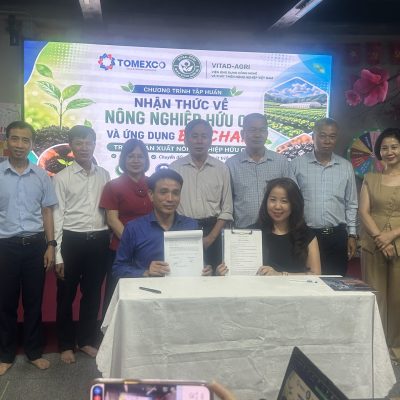
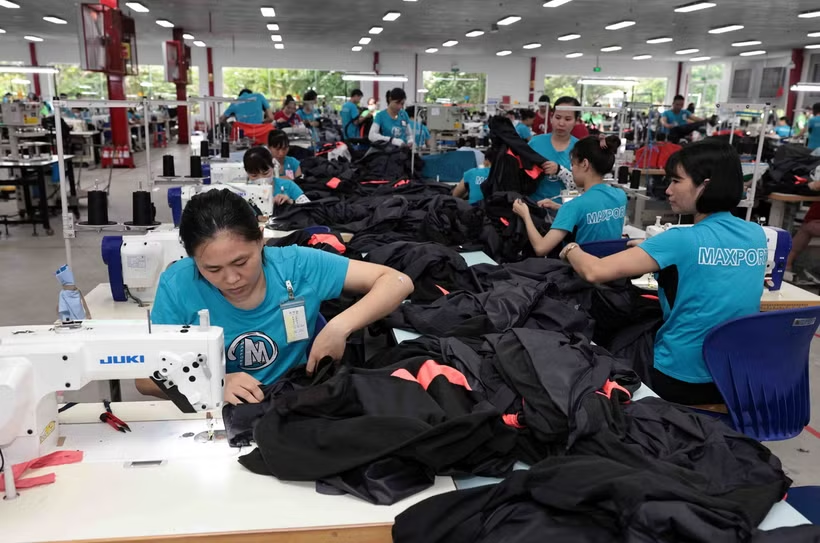
Call “Green Revolution” globally has promoted the consumption of large amounts of food, food, However, it also entails the massive use of chemical fertilizers and pesticides over the past decades..
The downside of hot growth is a seriously damaged ecosystem: Land degradation, biodiversity declines; with unpredictable consequences for human health.
Faced with that alarming situation, The market is witnessing a profound transformation in green consumption behavior associated with a change in production models.
According to the World Health Organization (WHO), demand for safe products, Natural origin is no longer a temporary trend, which has become the new standard of living.
Recent market surveys, shows, come 88% Consumers express particular interest in organic foods, with the main customer base being high-income people in big cities. They are willing to pay higher prices, but requires absolute transparency about the supply chain, from the production stage, process, packaging, storage until distribution…
The market shift has placed the manufacturing business community in front of the need to transform the green production model, lasting; or will be eliminated from the global value chain.
At this time, Organic farming is not just about eliminating chemicals, which is ecosystem-based governance 4 core principles. That is: Health, ecology, fairness and care.
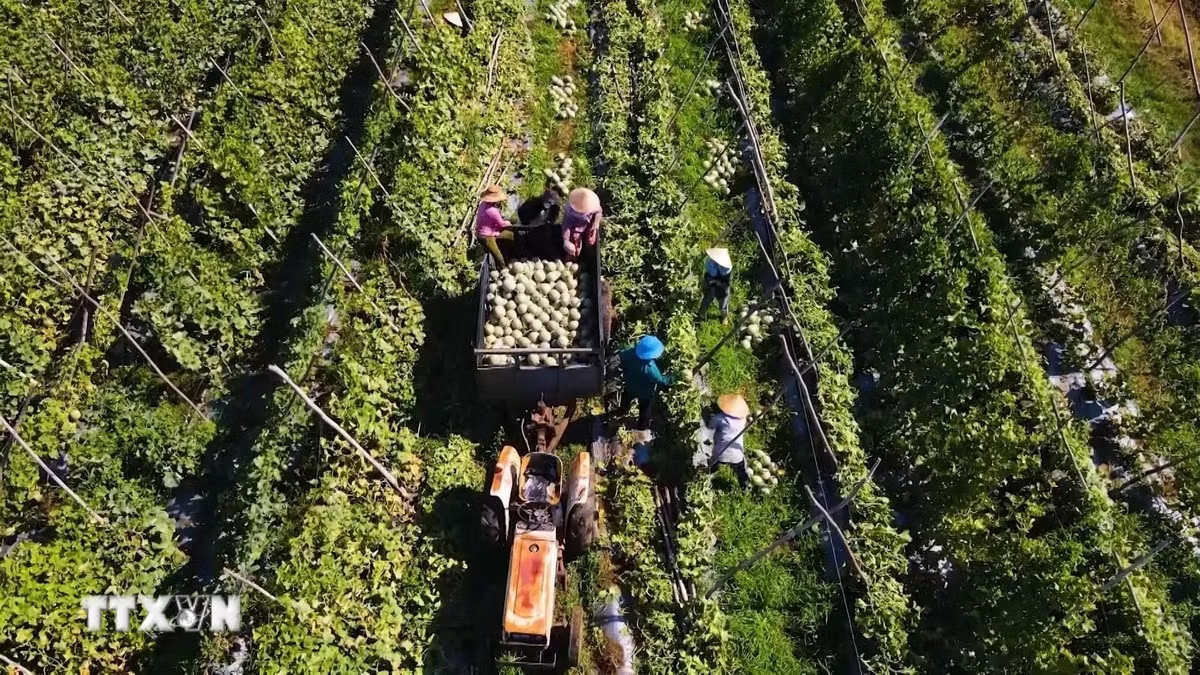
Evaluate this shift in thinking, Dr. Nguyen Thi Ngoc Dinh, Vietnam Academy of Agriculture (Strong Research Group on Sustainable Crop Cultivation Technology) emphasize, Transitioning to sustainable production is a cognitive revolution, before the revolution technology.
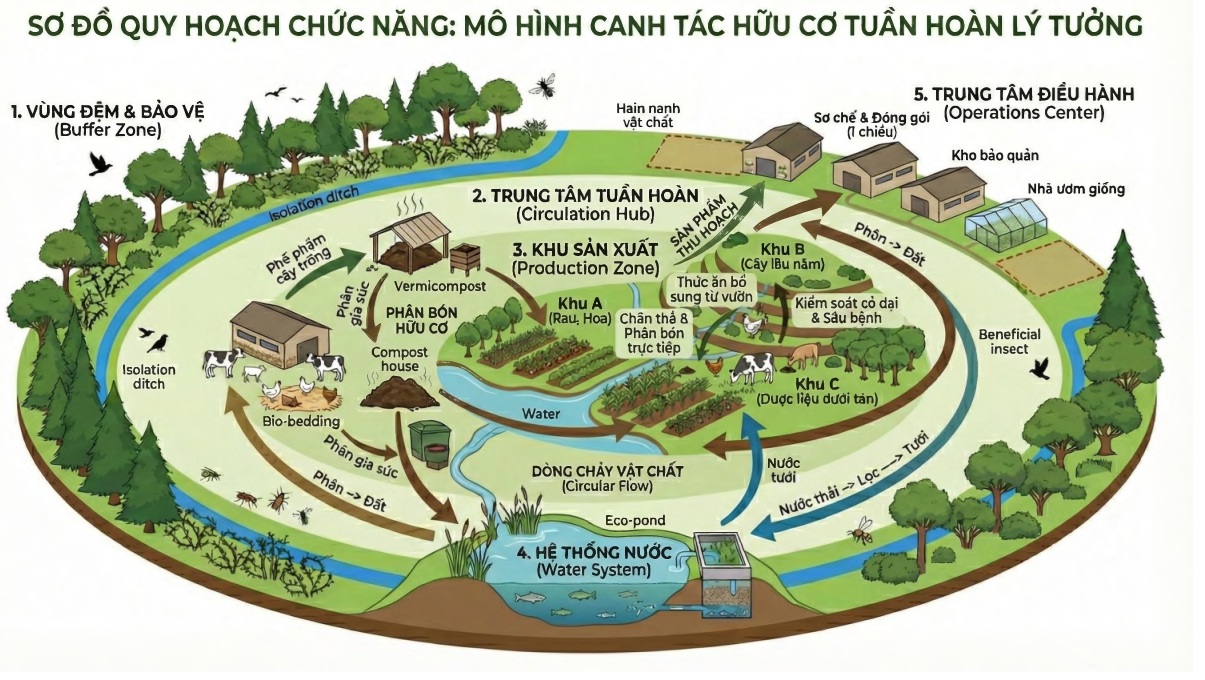
The green transformation philosophy requires businesses to build a closed system, Respect soil health, Protect the ecosystem and ensure transparency, fairness for all actors participating in the value chain. This is a vital foundation for Vietnamese goods to meet international standards.
Despite being aware of the importance of sustainable development, But practical implementation in Vietnam still faces countless challenges. Currently, the country has about approx 240.000 hectares of organic farming land, attracts the participation of approx 160 production and business enterprises with achieved export turnover 335 million USD per year.
However, to achieve prestigious certifications such as USDA (America), EU Organic's (Europe), JAS (Japan) or TCVN 11041 of Vietnam, Businesses must overcome an extremely harsh transition process.
According to Dr. Nguyen Thi Ngoc Dinh, Model conversion time can last from 12-18 months for TCVN standards, or up to 3 years according to USDA standards before the first recognized harvest.
During this period, Agricultural production enterprises must strictly comply with the requirements for establishing quarantine buffer zones, water source risk assessment, land and maintain a transparent electronic diary system.
But it is these standard barriers that are creating great pressure for cooperatives and small and medium-sized enterprises in many localities across the country.
Same idea, Mr. Nguyen Quang Chung, Director of Agricultural Trade and Service Cooperative Chung Thinh Chinh said, when entering the playground of strict standard certifications, The biggest difficulty for businesses is how to maintain soil fertility and control cross-contamination risks without using chemicals..
If we just follow traditional experience, Labor costs will increase very high, while productivity in the early stages decreased, makes many members easily discouraged and want to return to the old method.
Express concerns in operating ecological models, Mr. Hy Thanh Trung, Director of Agricultural Cooperatives Technology VFARM ecological highland said, Businesses are clearly aware that sustainable development is the only way to bring products into modern distribution channels.
However, to meet the requirements of prestigious certificates, Cooperatives are in dire need of circular technology solutions, helps optimize input costs and completely solve the problem of safely handling waste by-products.
Faced with those practical bottlenecks, Biochar application (biochar) emerged as a strategic solution, Perfectly meets the criteria of the background economy cyclic. Biochar doesn't just help moisturize, Improves soil structure and locks in carbon content - minimizing the greenhouse effect- but also a solution to the problem of environmentally friendly waste disposal.
From the macro perspective of the transformation movement, Mr. Le Quy Kha, Vice Chairman of Vietnam Green Transition Association (VGA) said, in the National Net Zero and Emissions Reduction Strategy, Biochar plays a central role.
Application technology This goes beyond creating safe productivity, but a testament to social responsibility (ESG) of business. Once a business successfully applies this cyclical cycle, they are creating their own ‘trust assets’ invaluable in the eyes of international investors and consumers.
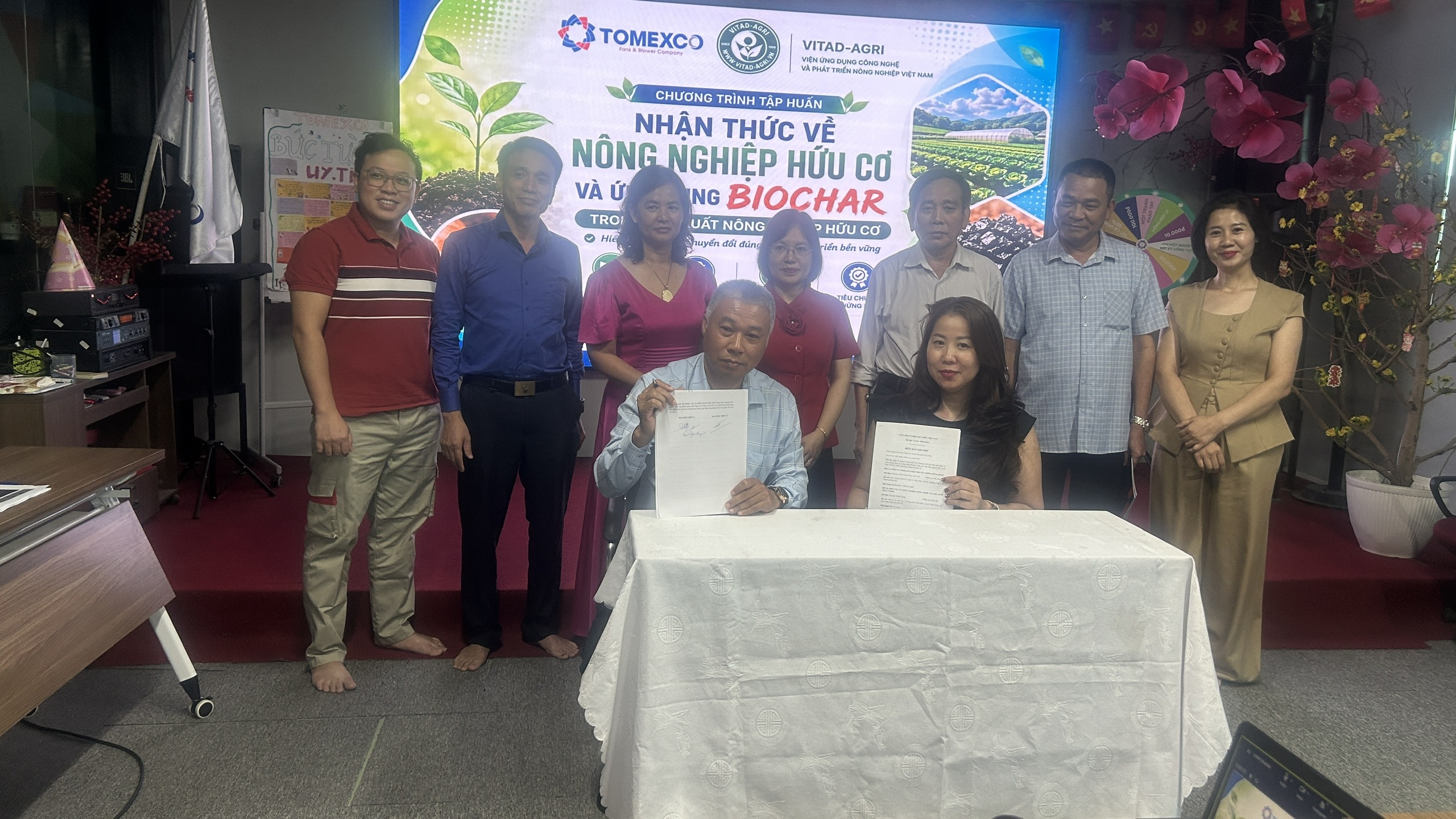
To realize that cycle, The participation of businesses providing technology solutions is indispensable. Mr. Le Quy Vinh, representative of Tomexco Company confirmed, Tomexco provides the most advanced mechanical technology solutions and environmental treatment equipment, helps cooperatives and businesses be autonomous in producing standard Biochar from their own waste sources. Businesses believe that, Core technology is the driving force that helps small and medium-sized businesses overcome the risky transition period, Optimize resources and firmly step on the green production journey.
Can see, when technology, Communication and the desire for sustainable development of businesses become one, Creating a green production ecosystem is not only transparent, but also competitive in the international arena./.
Really: Ngoc Quynh (Vietnam News Agency)
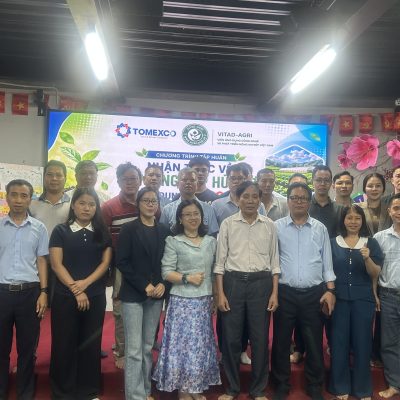
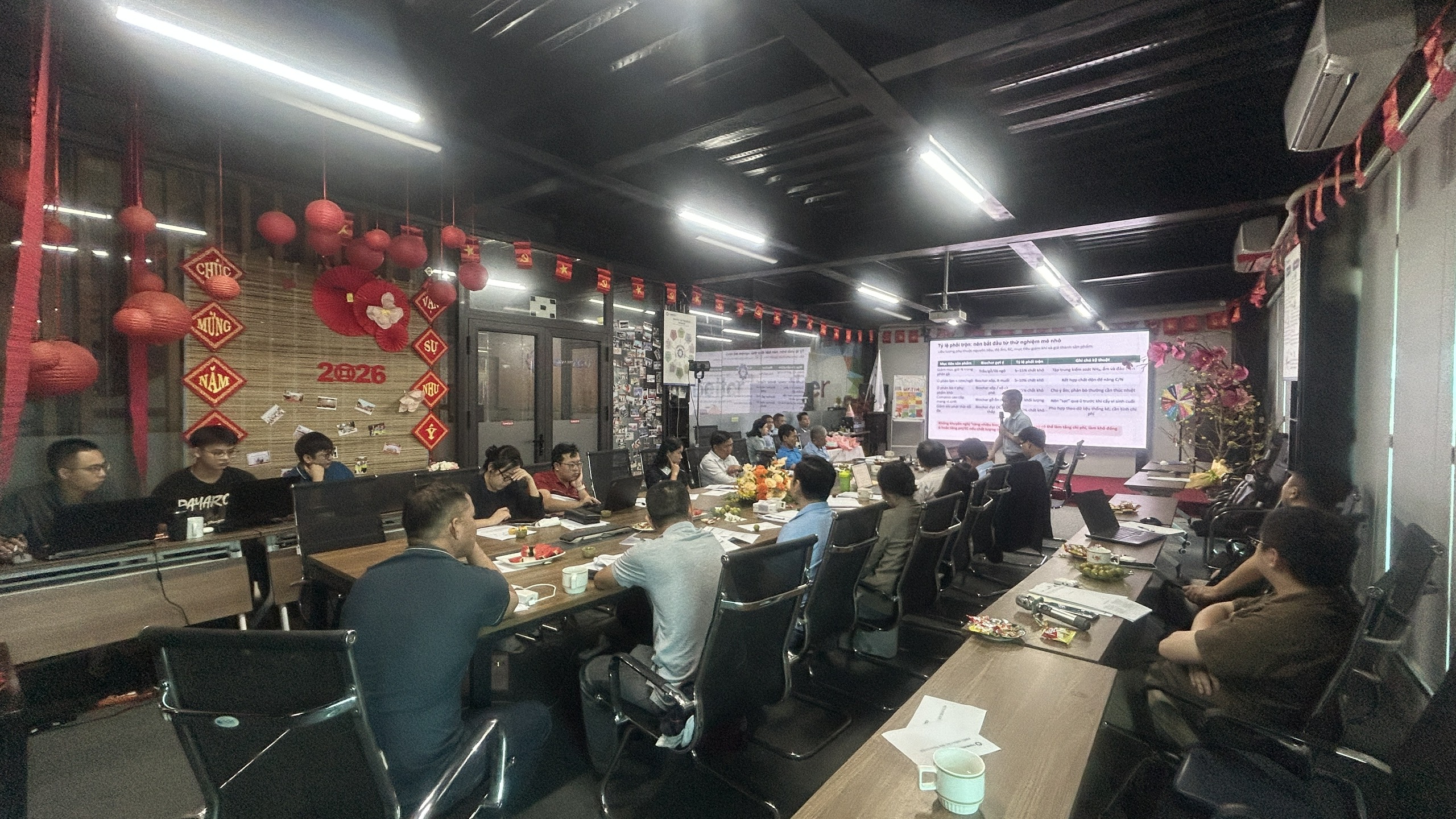
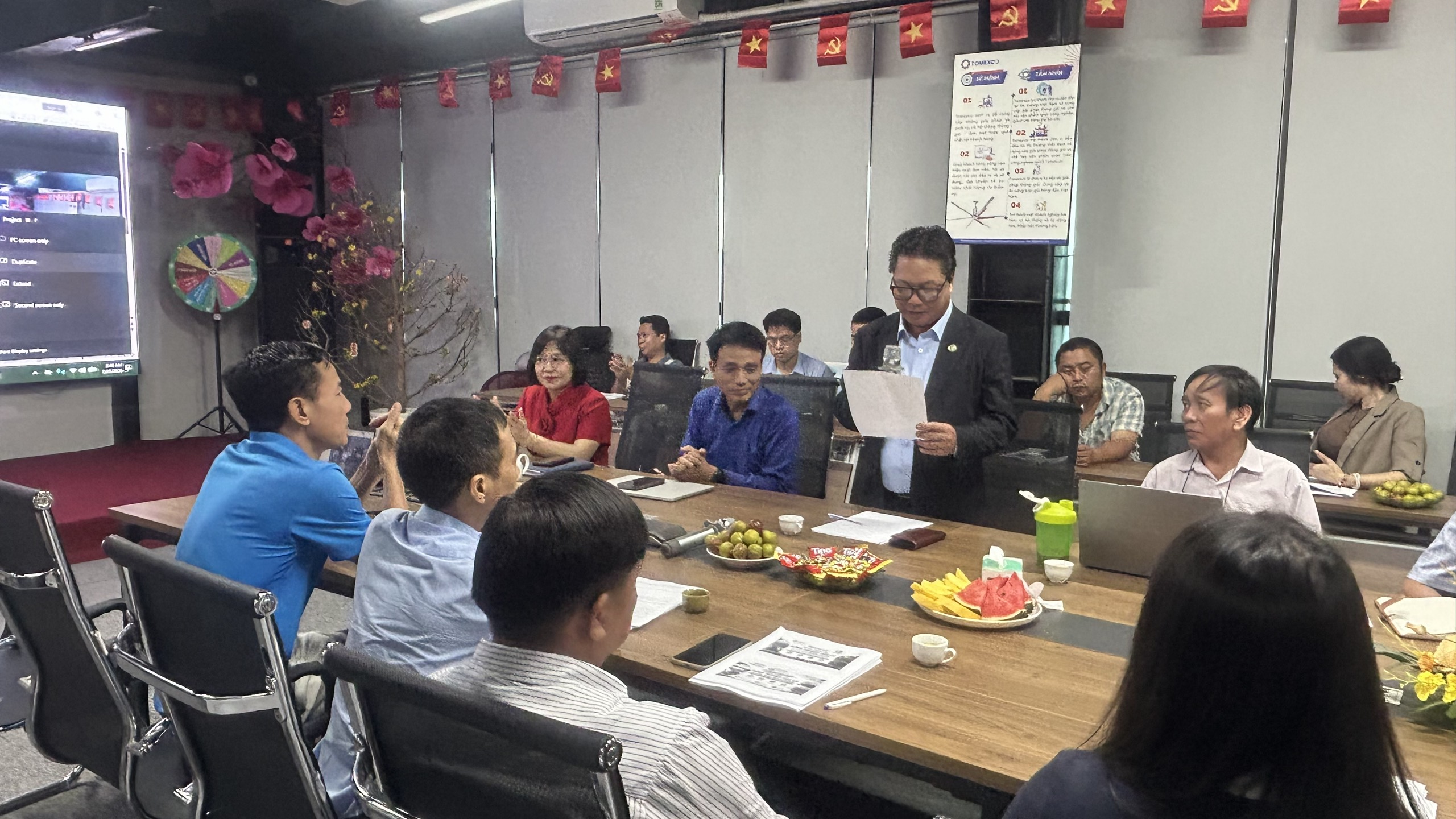
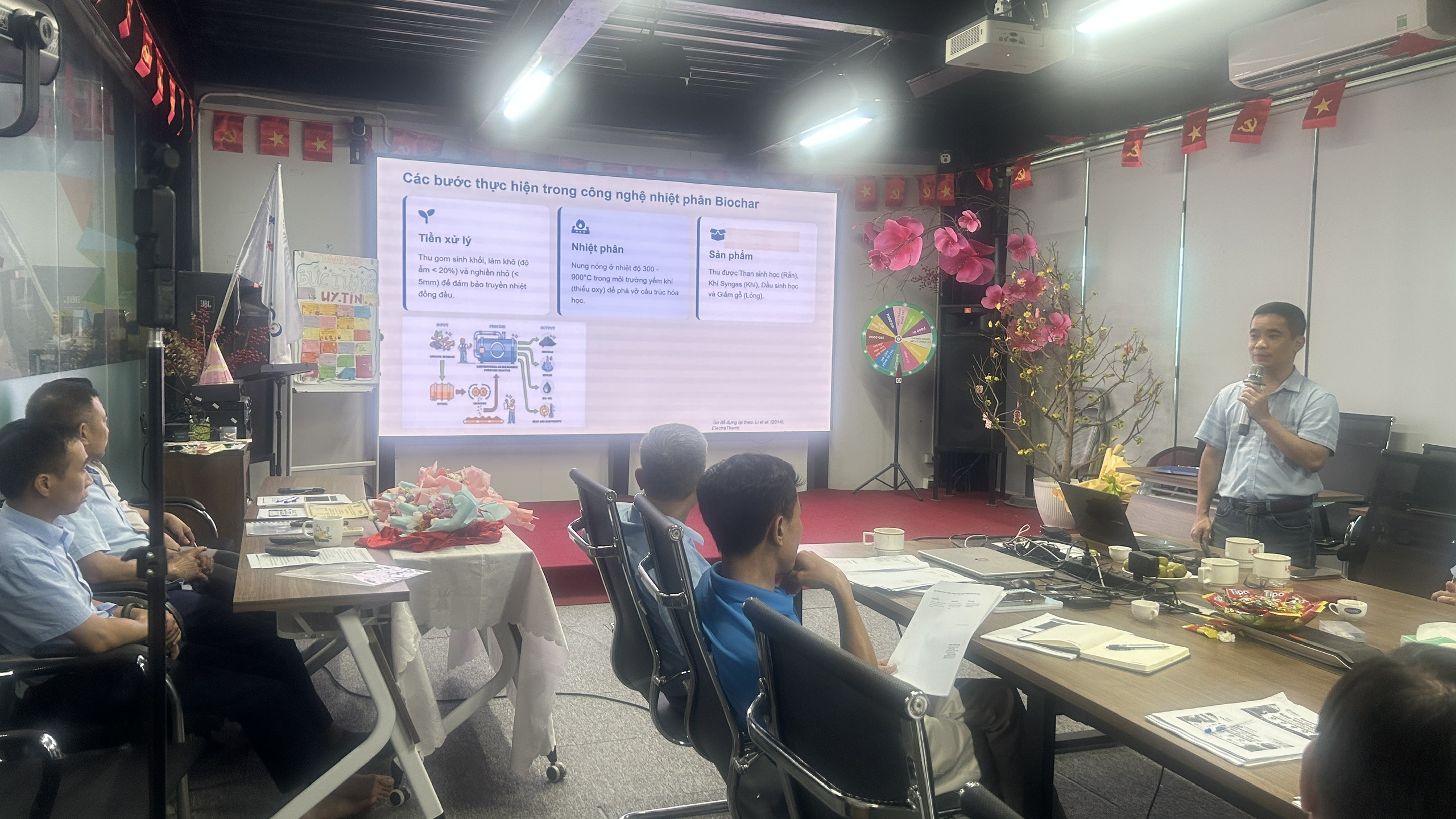
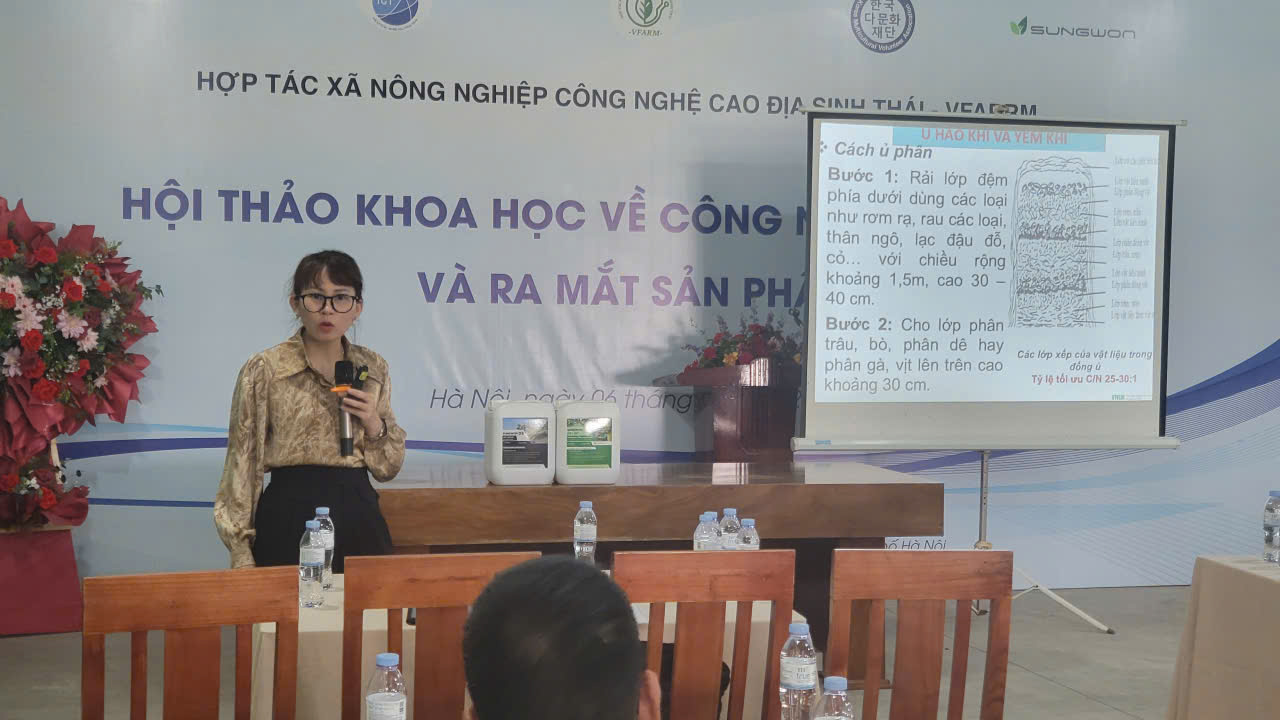
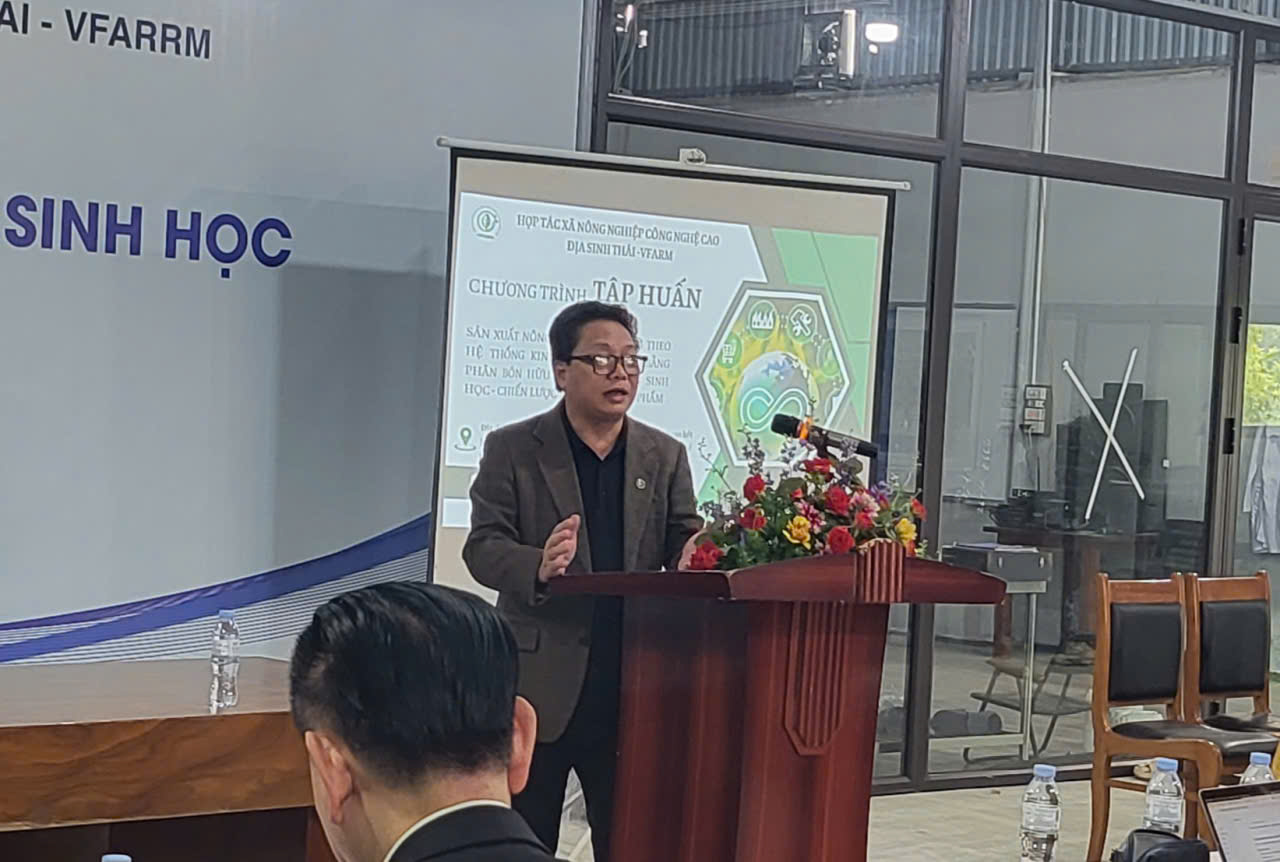
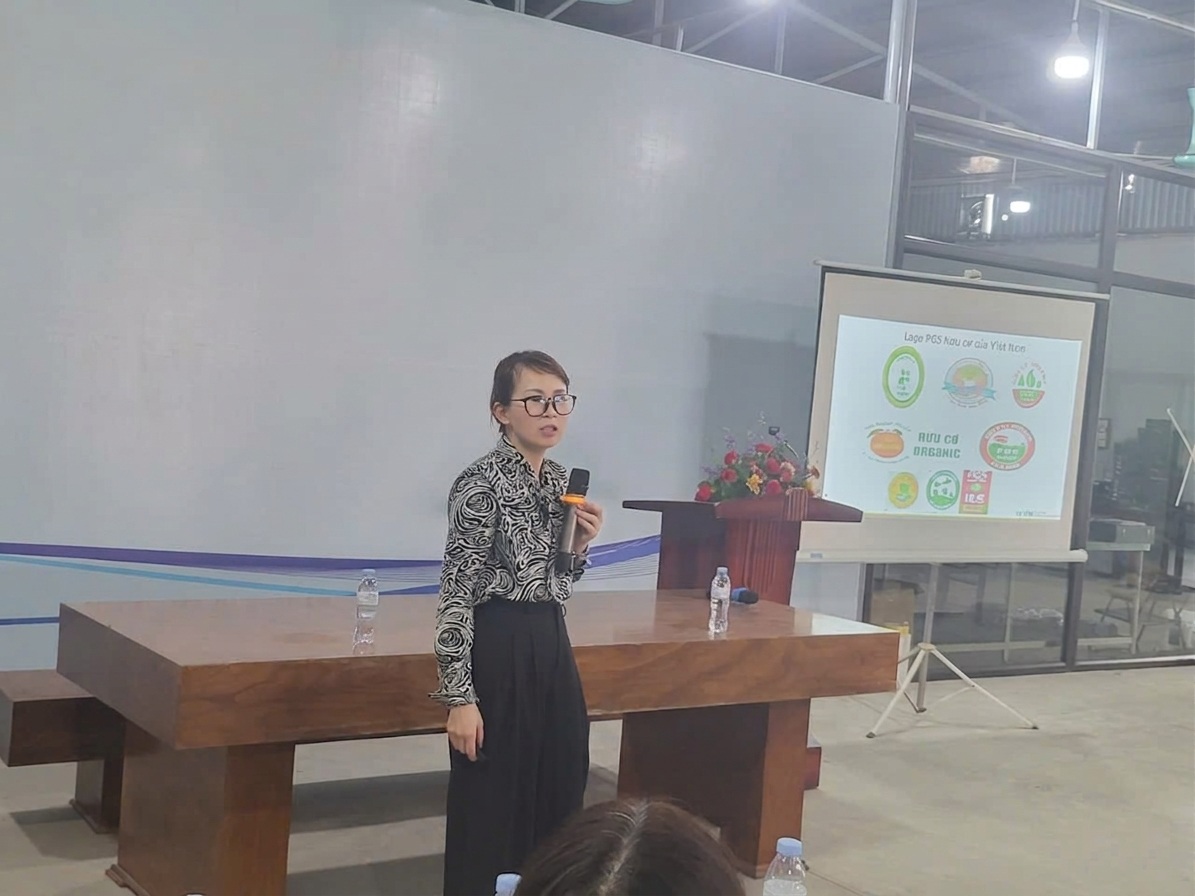
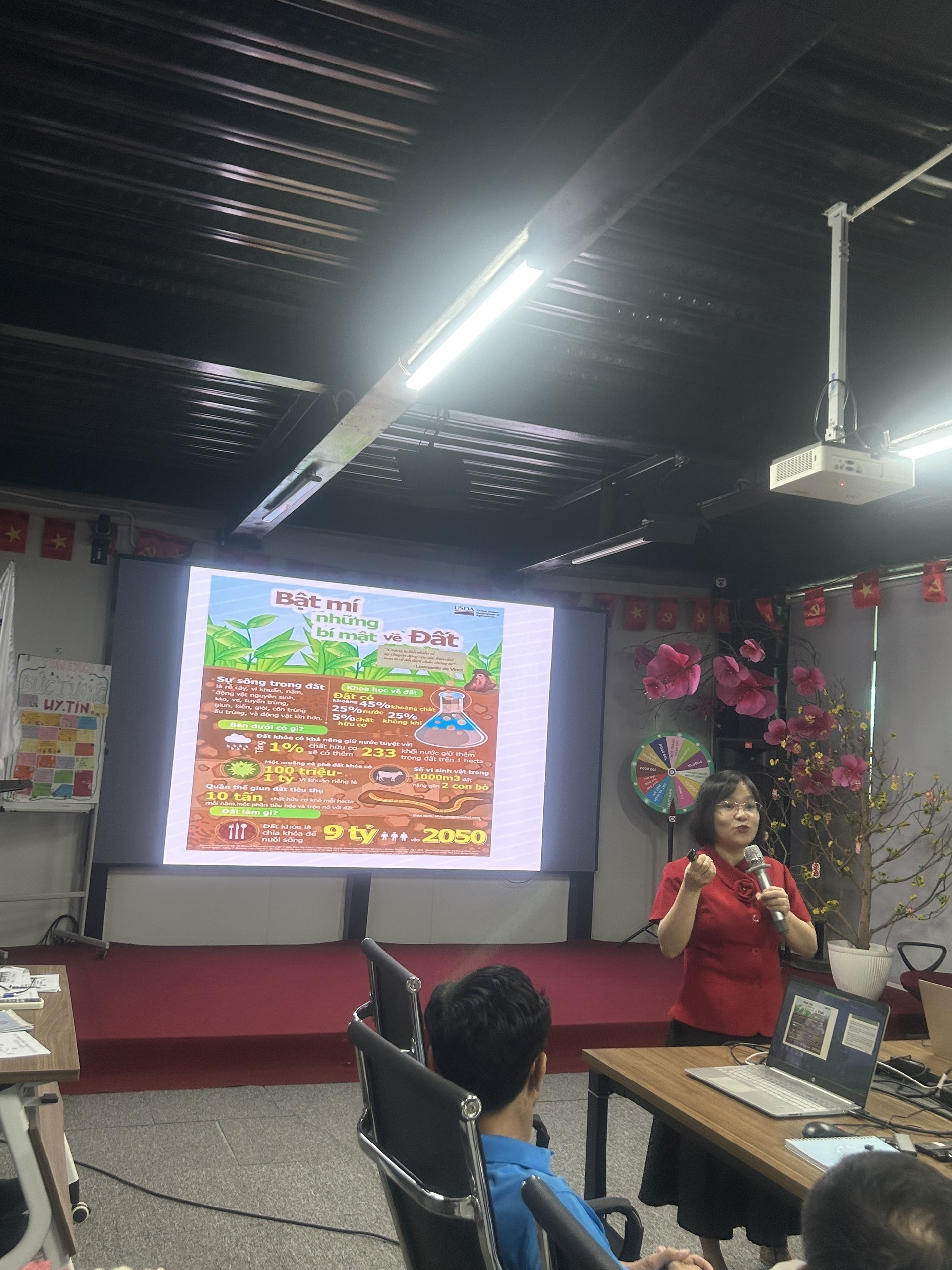 Dr. Nguyen Thi Ngoc Dinh, Organic Agriculture expert – Morning lecturer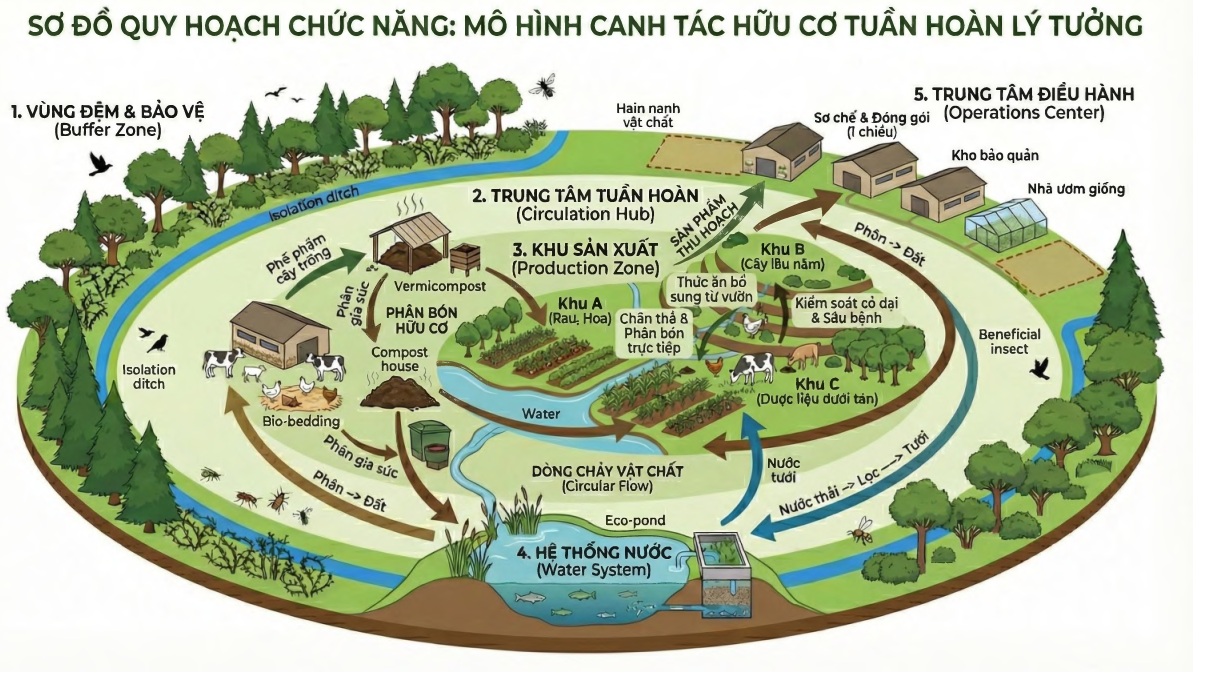
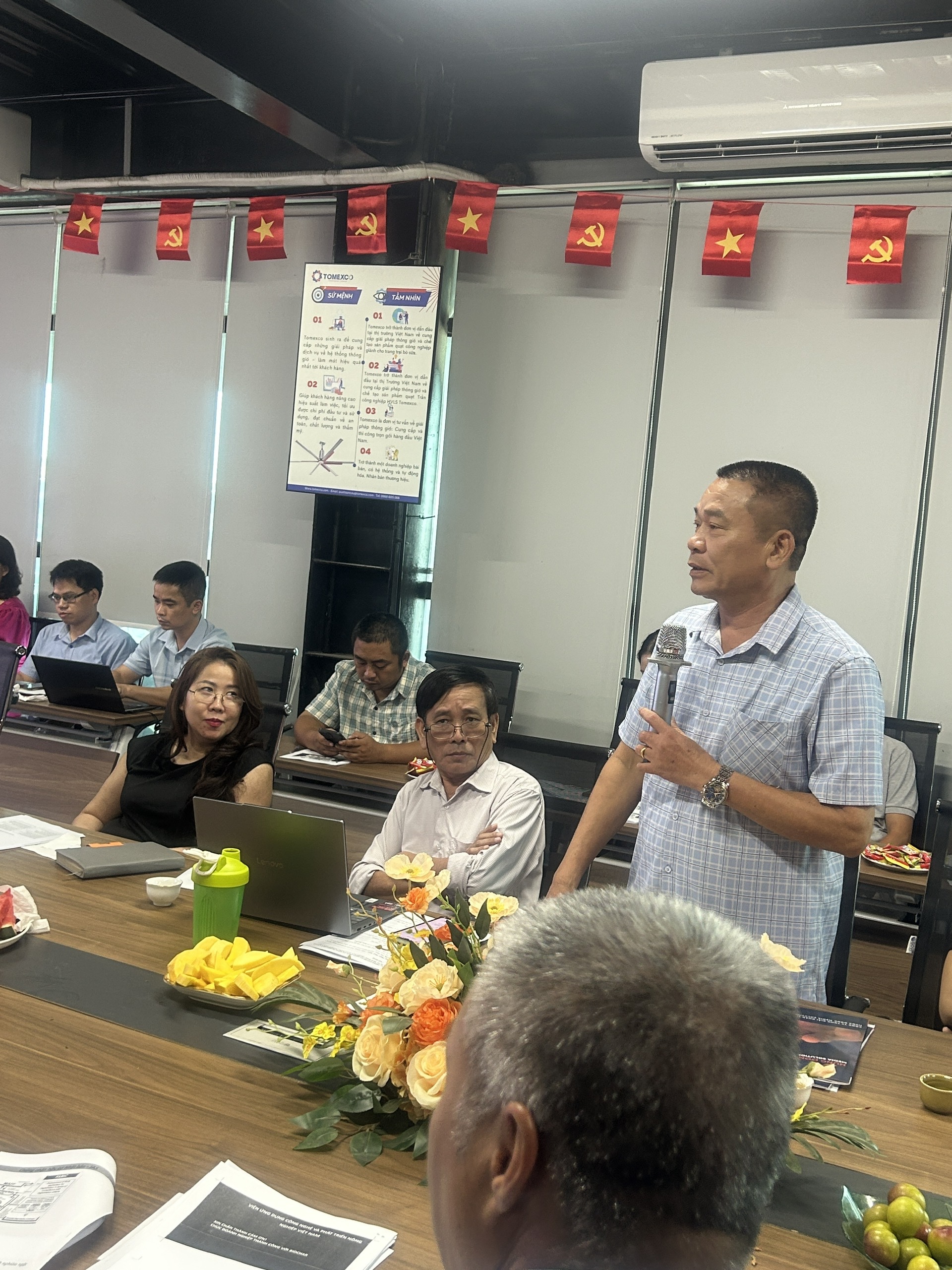
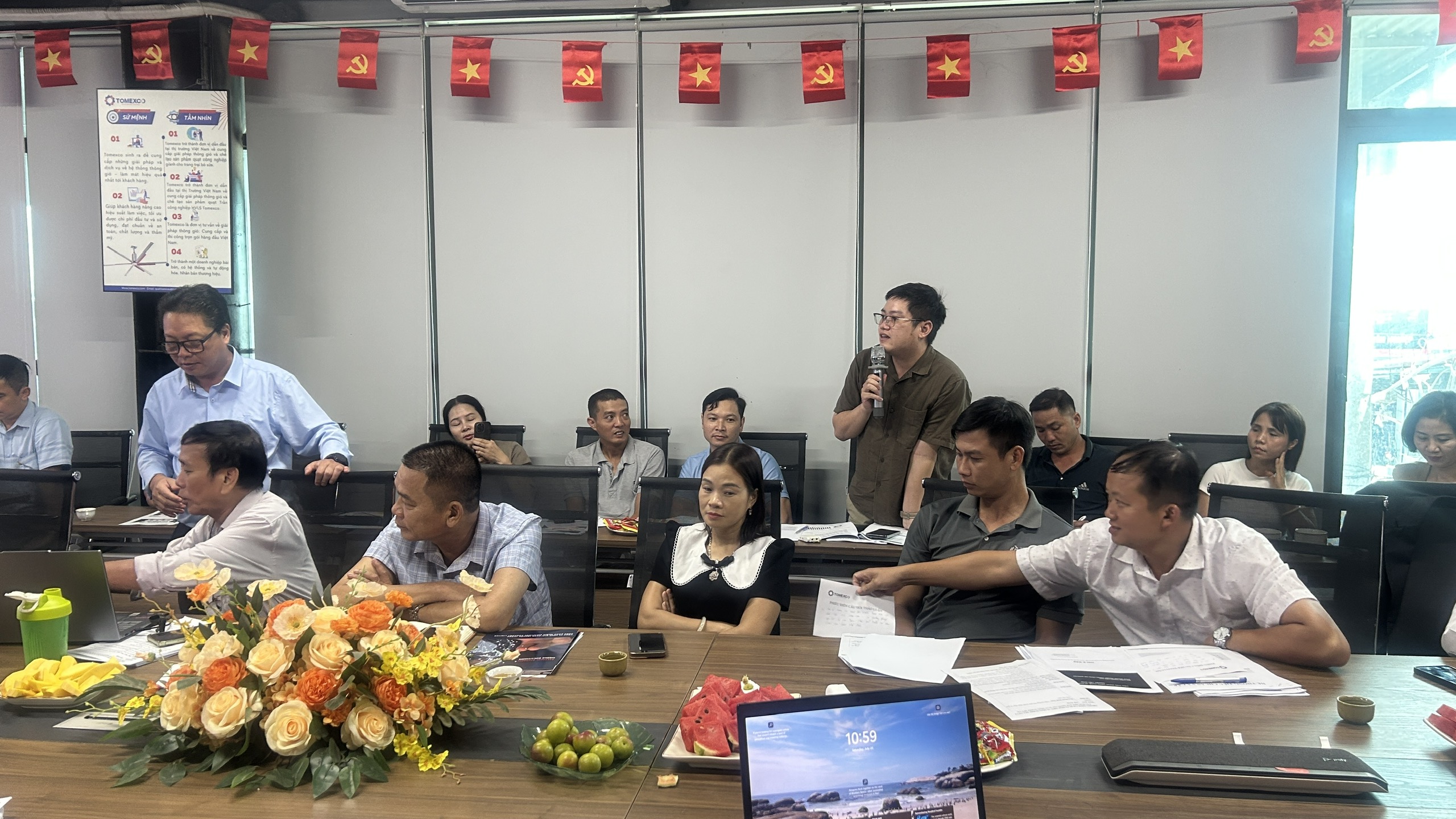
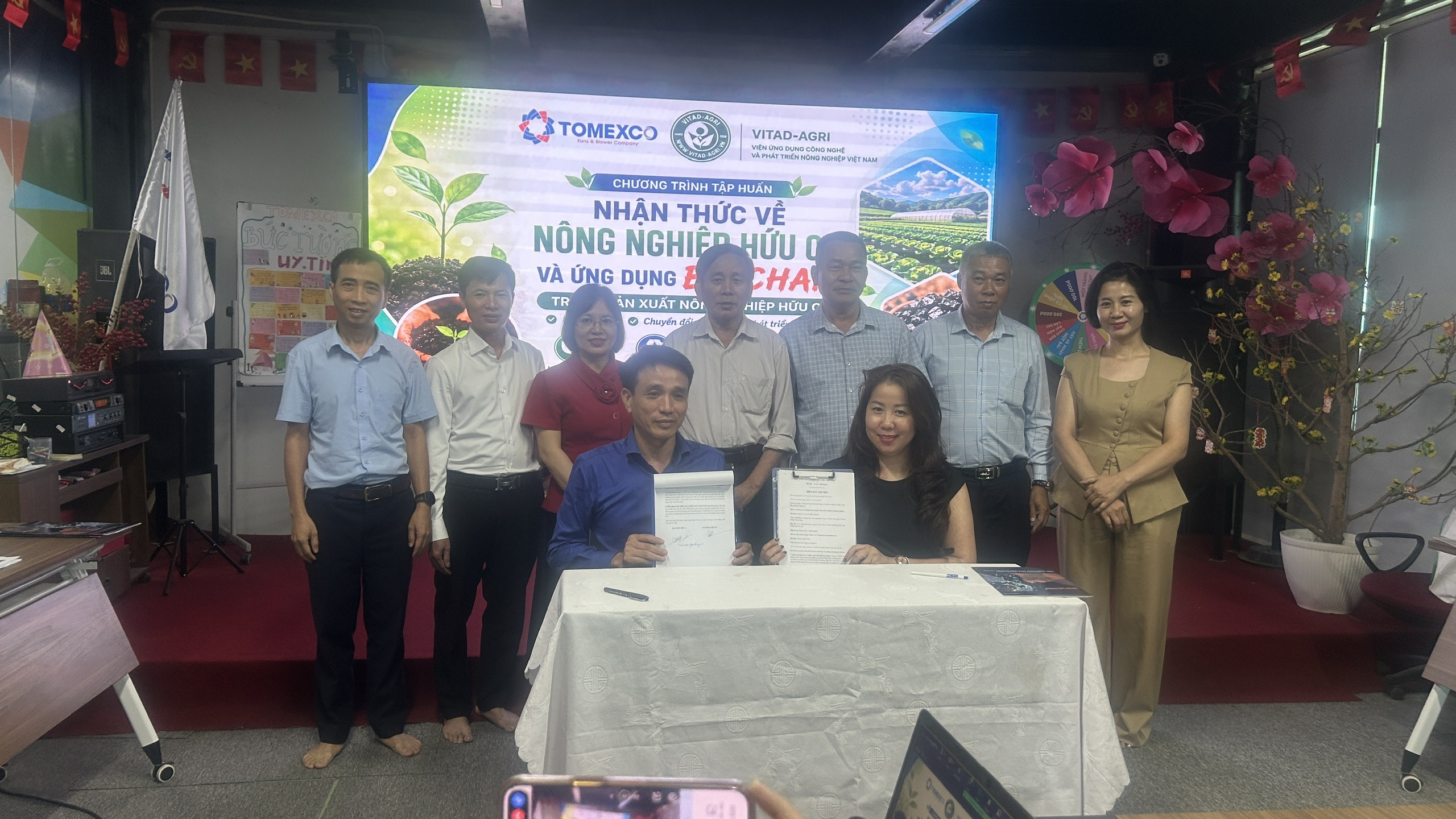
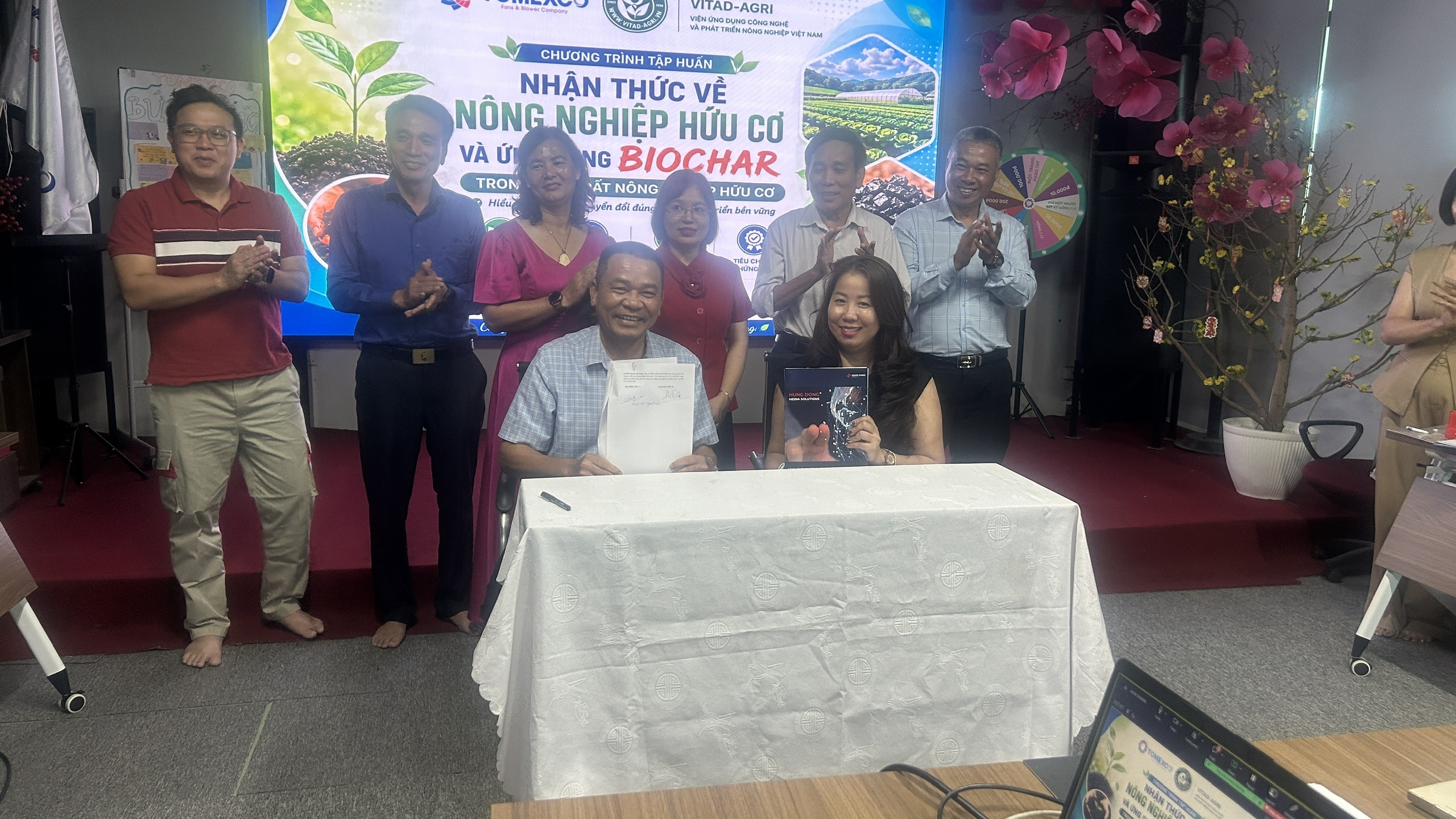
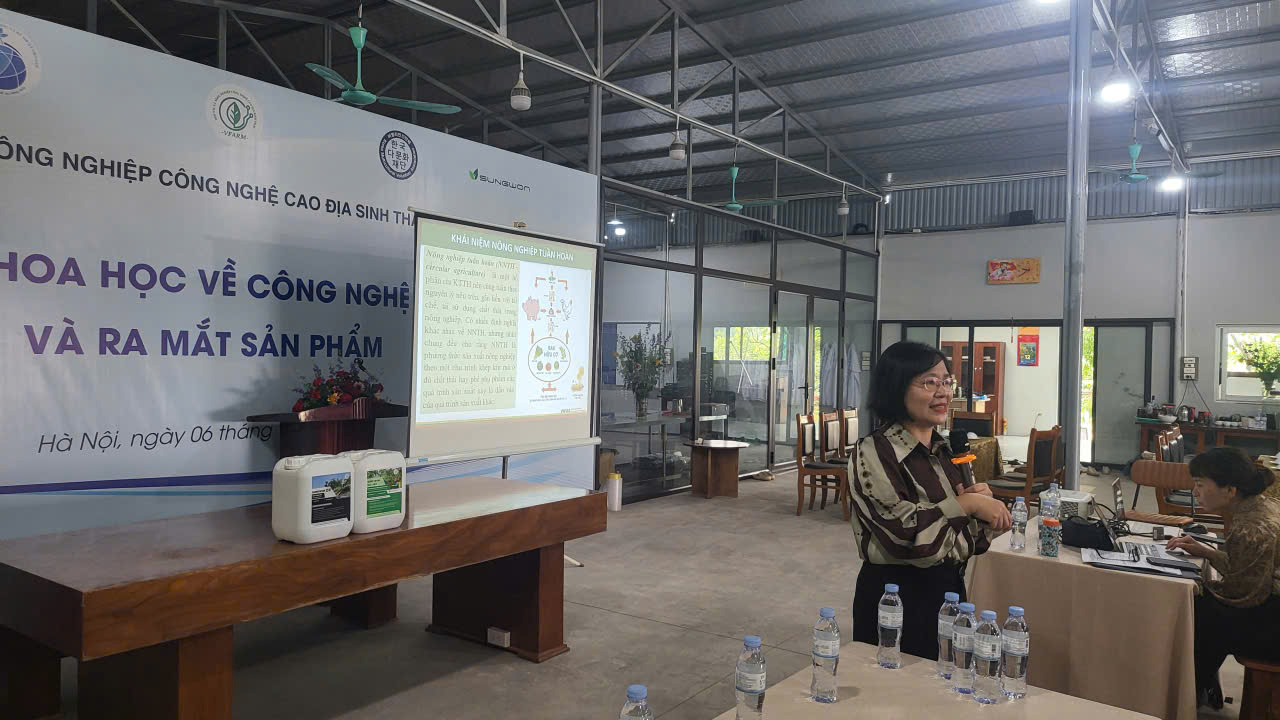
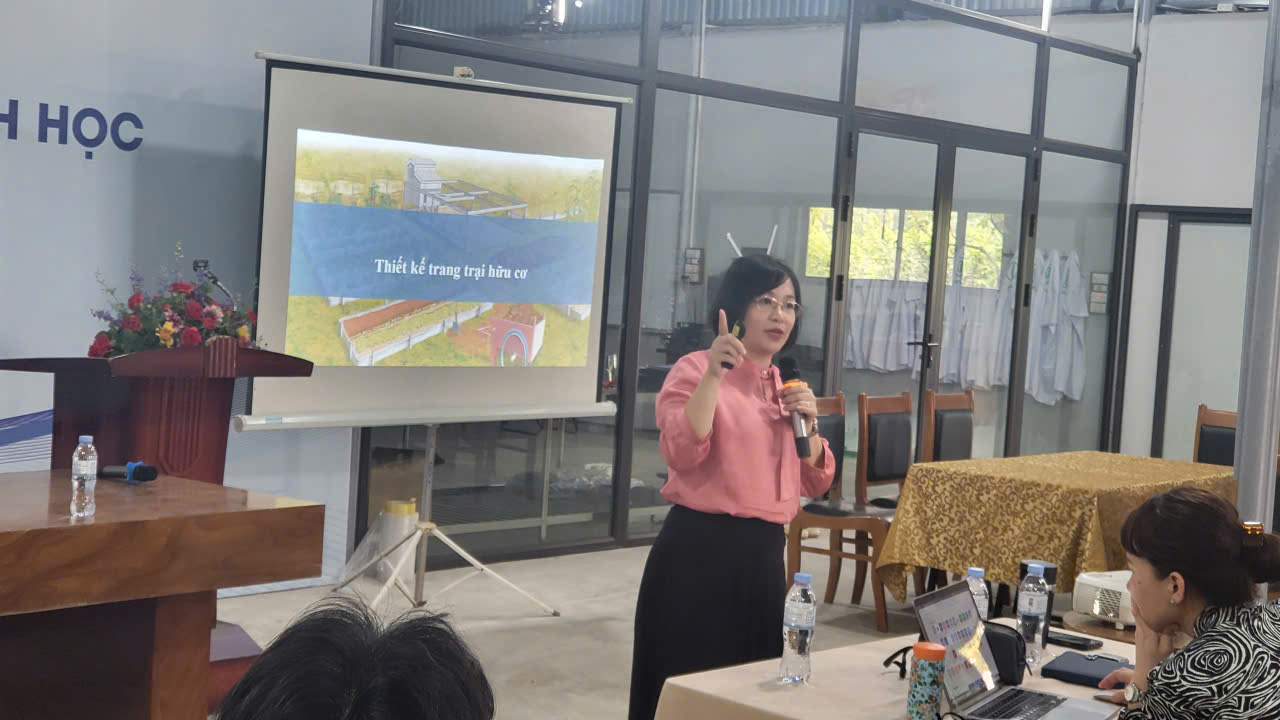
 Graduate student Nguyen Van Thao, Crop science and fertilizer specialist – Afternoon lecturer.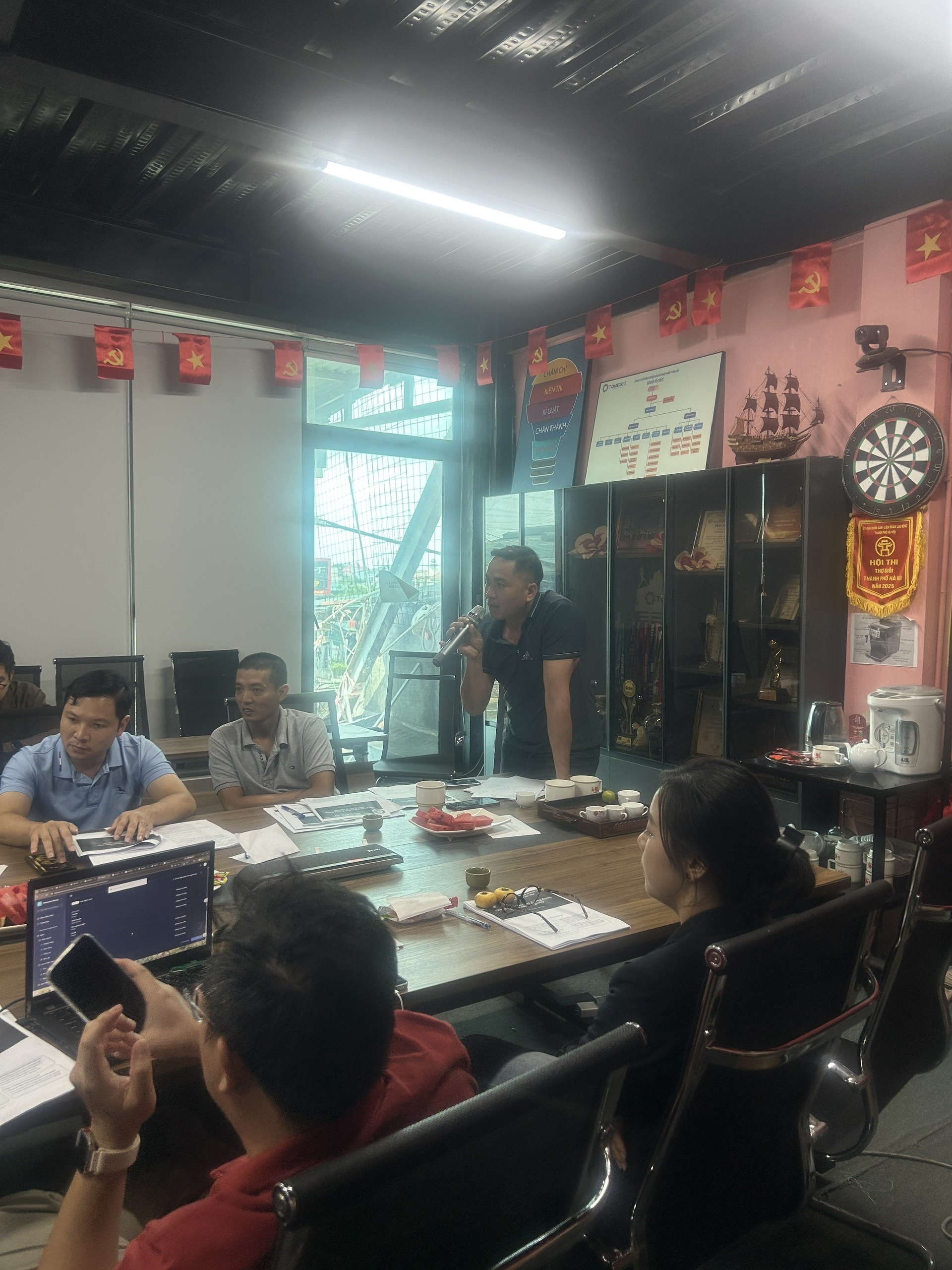
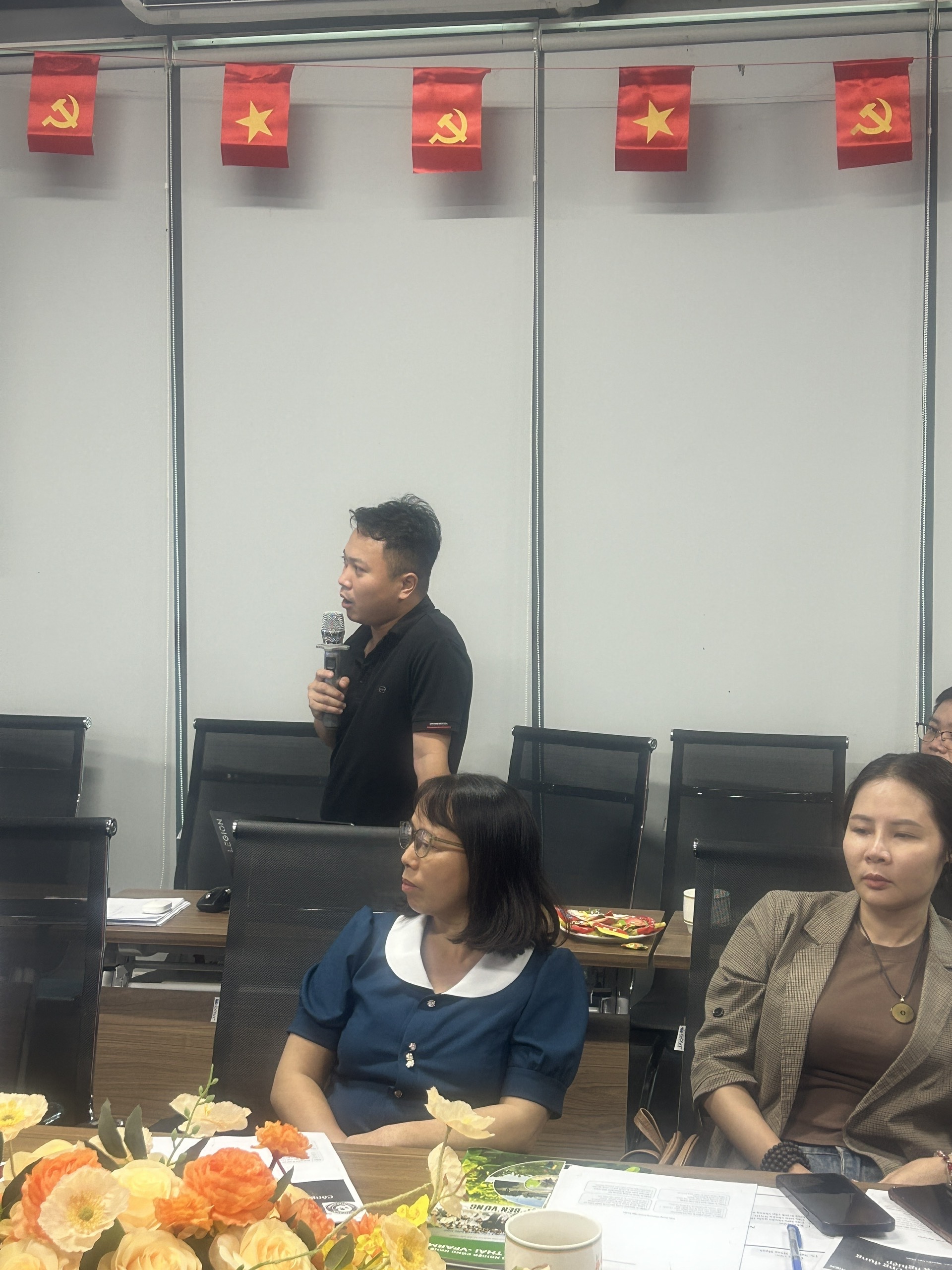
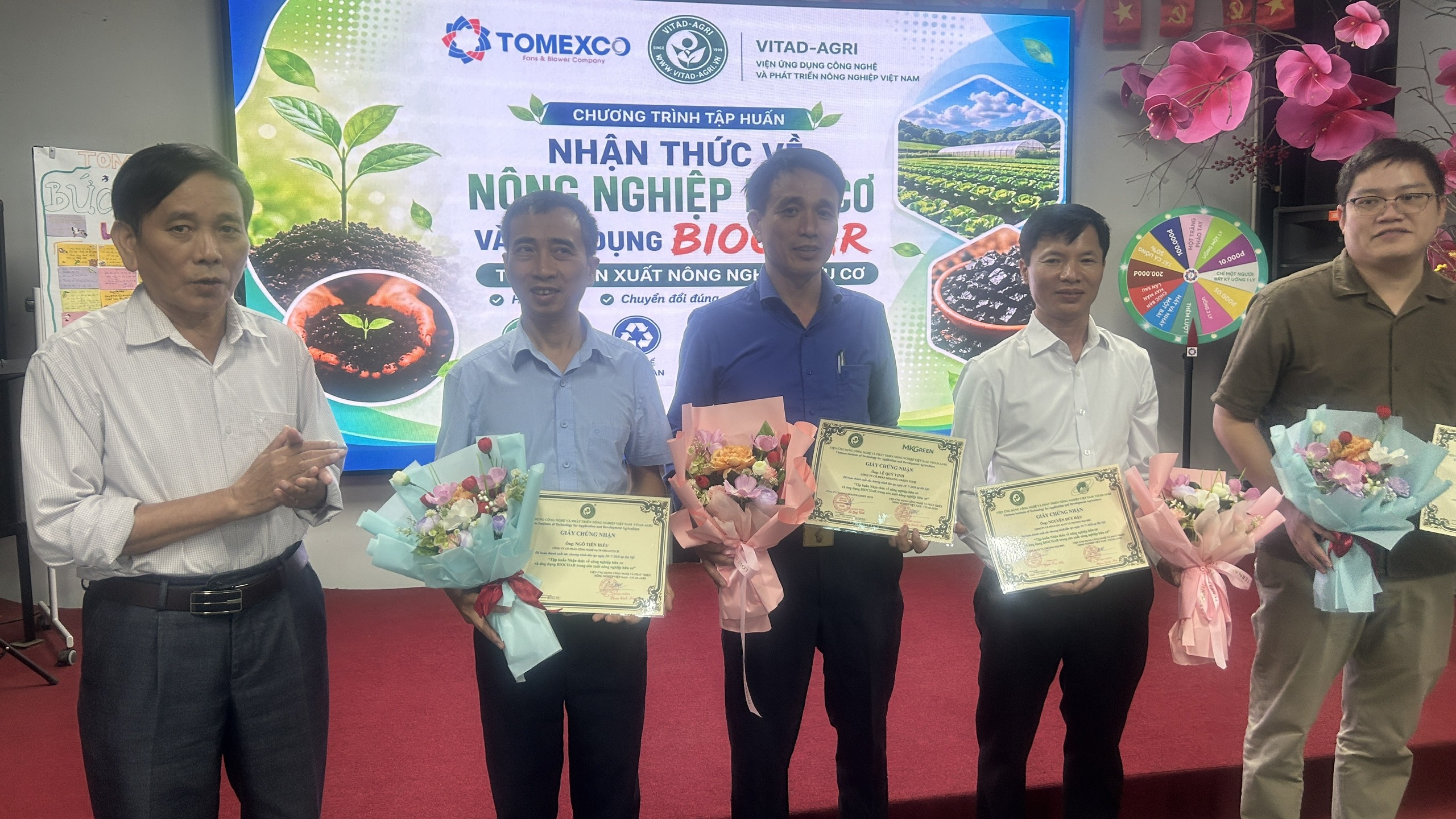
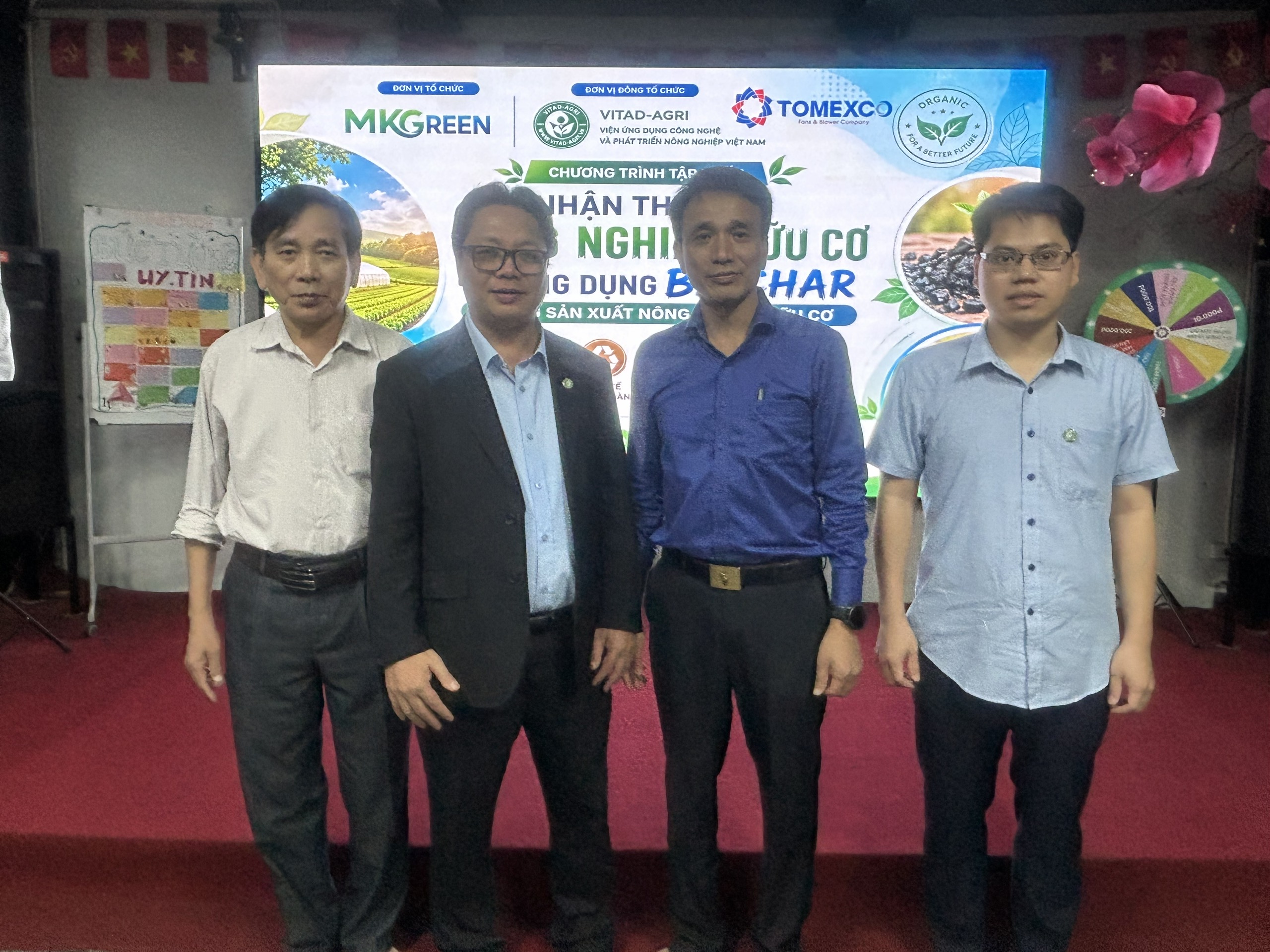
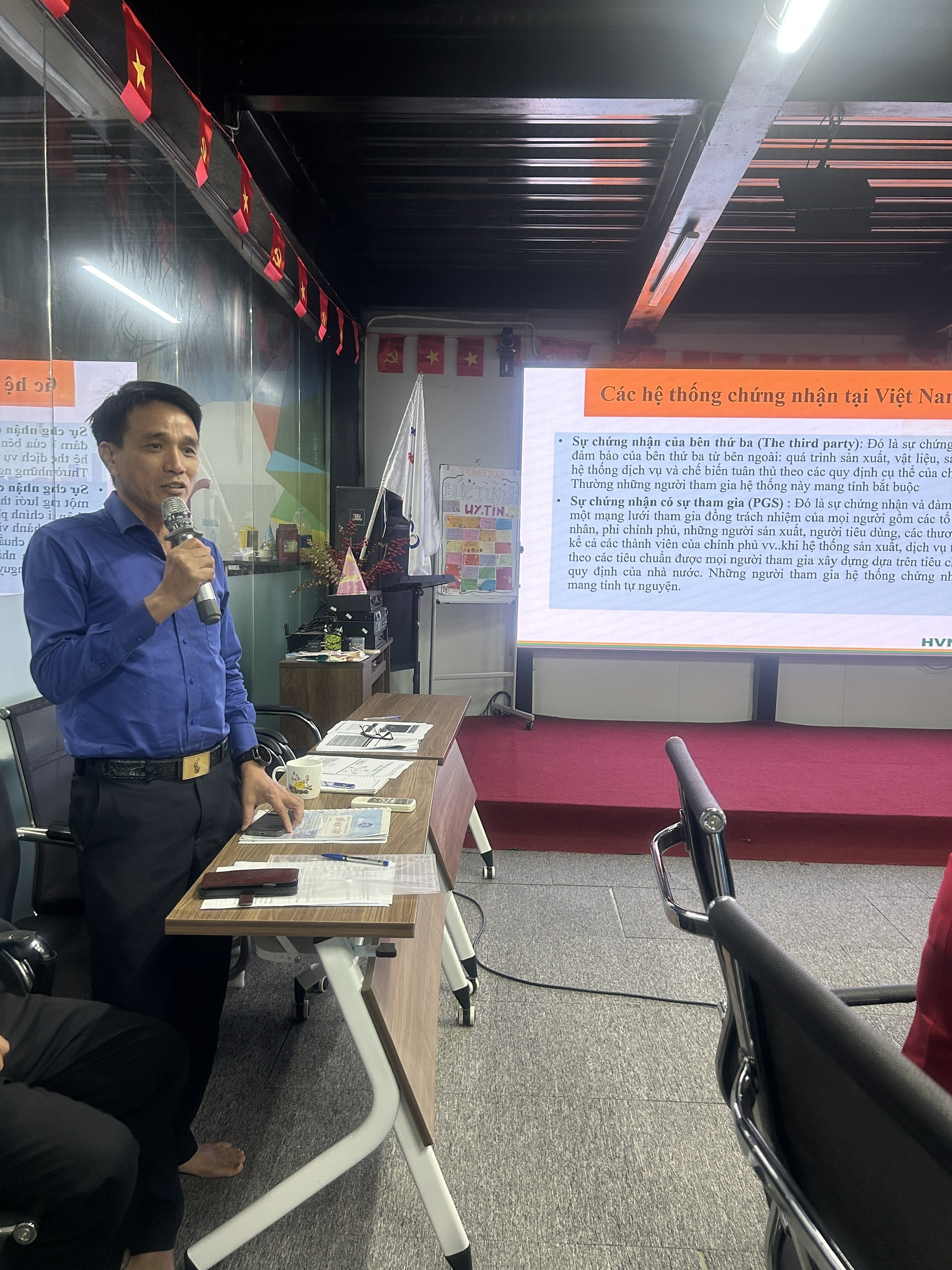
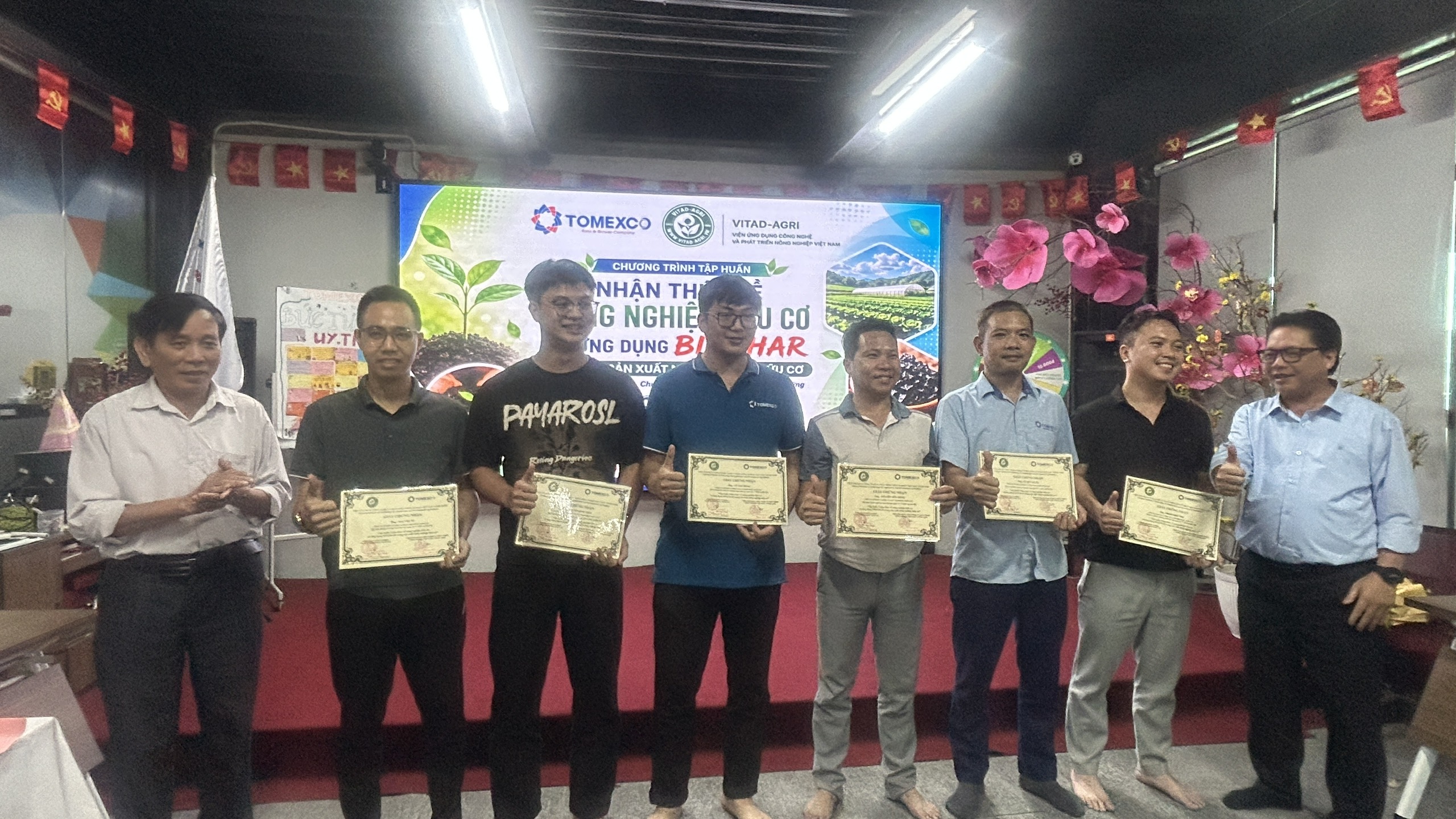
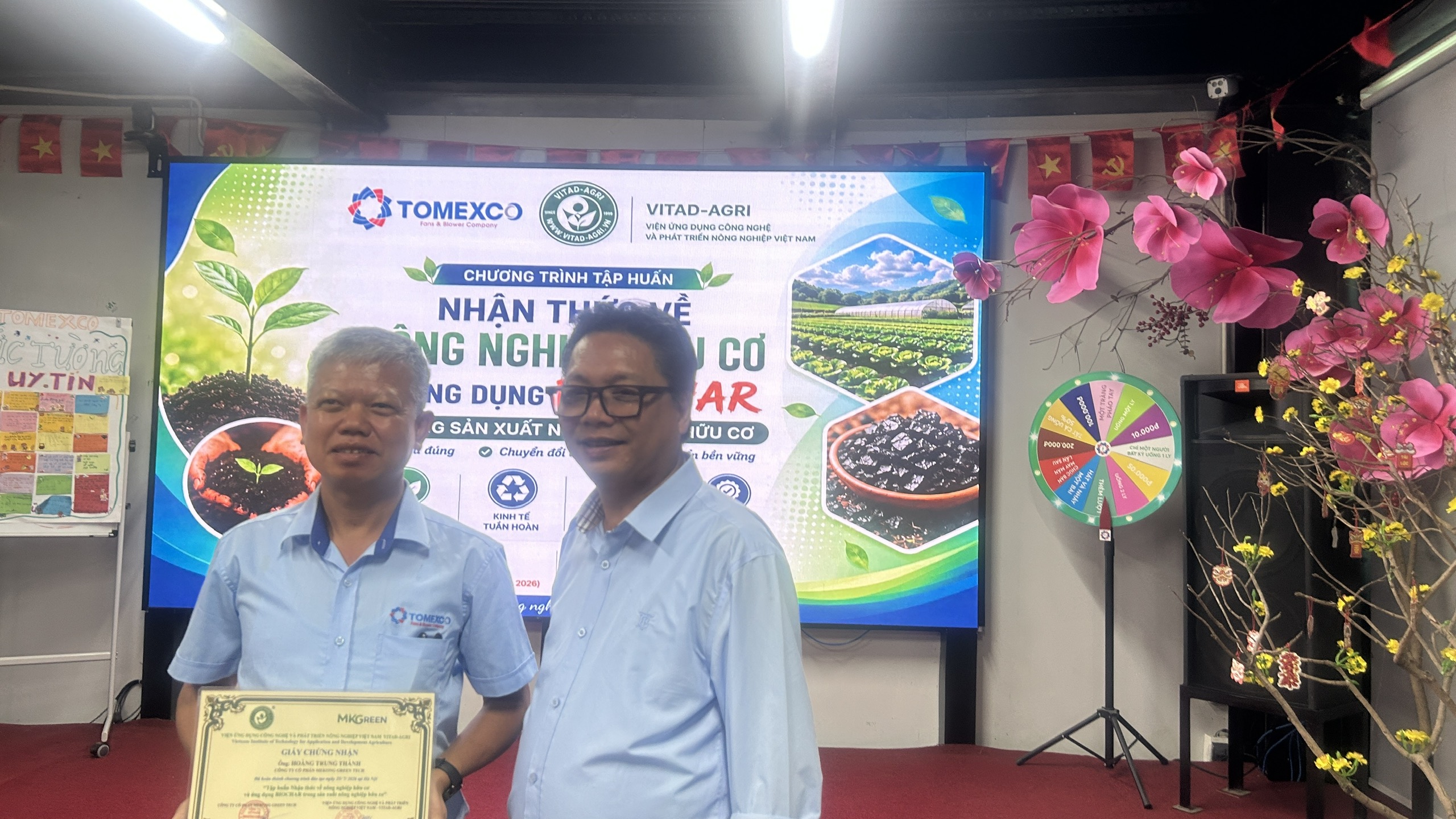
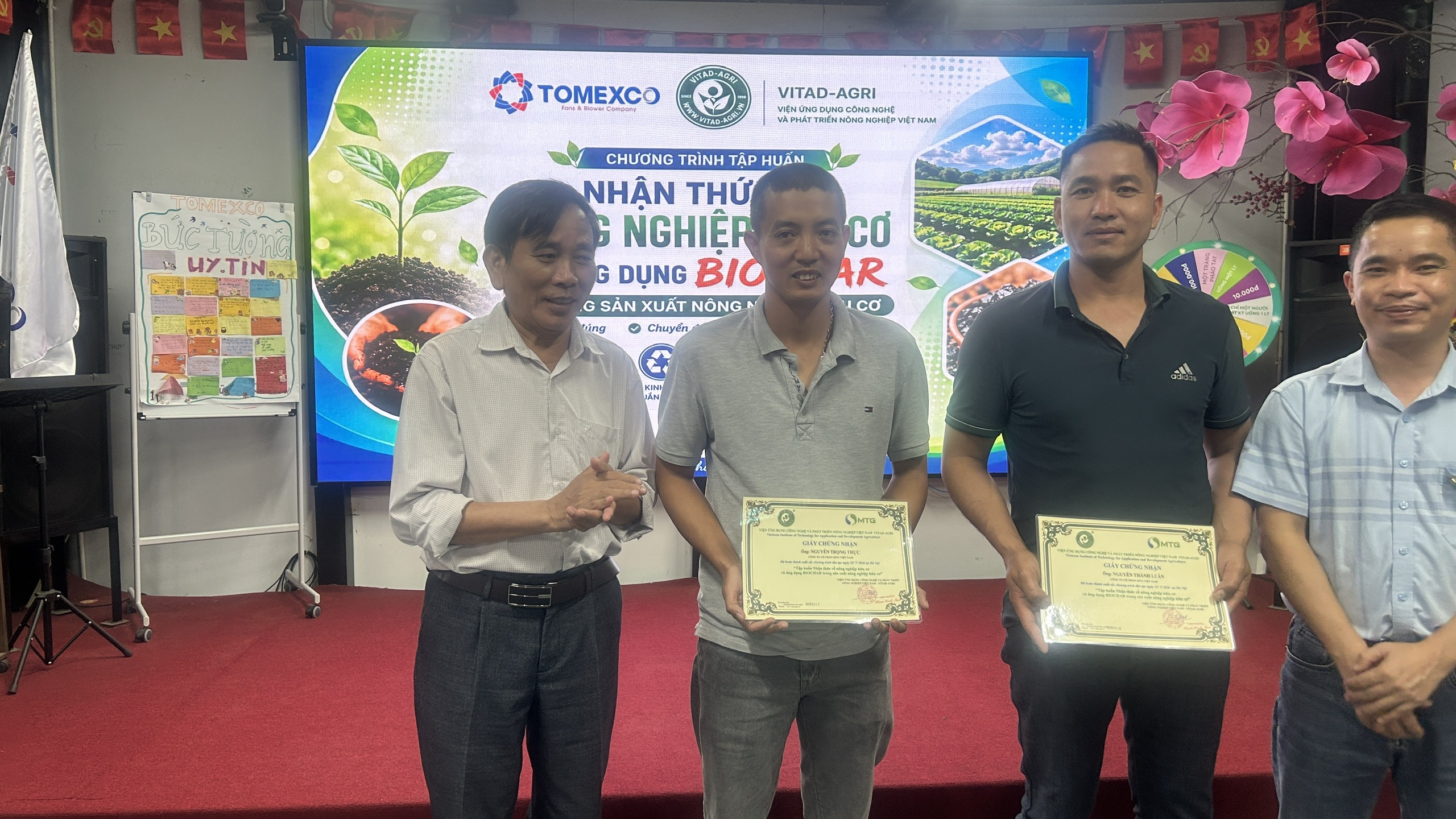
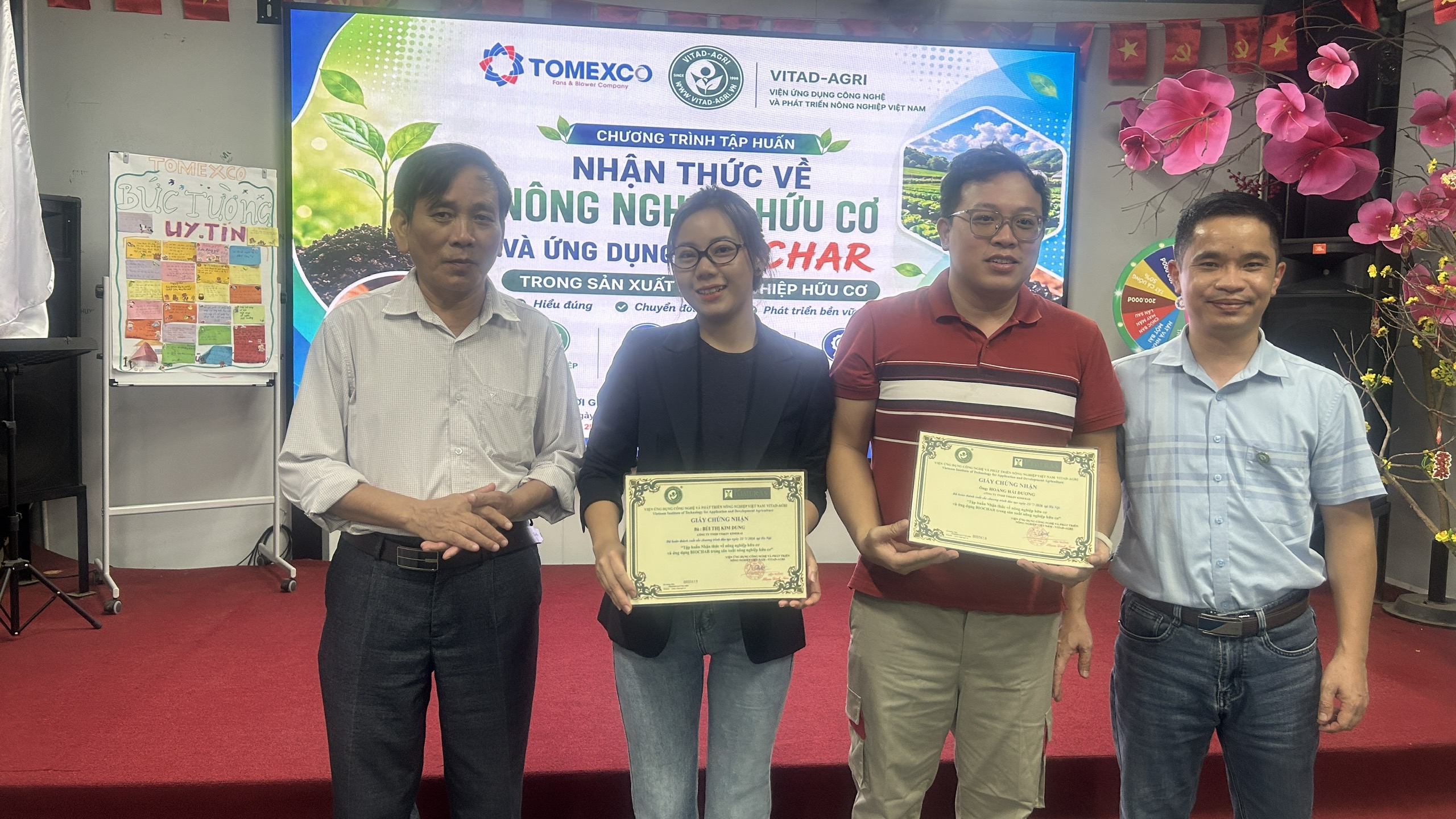
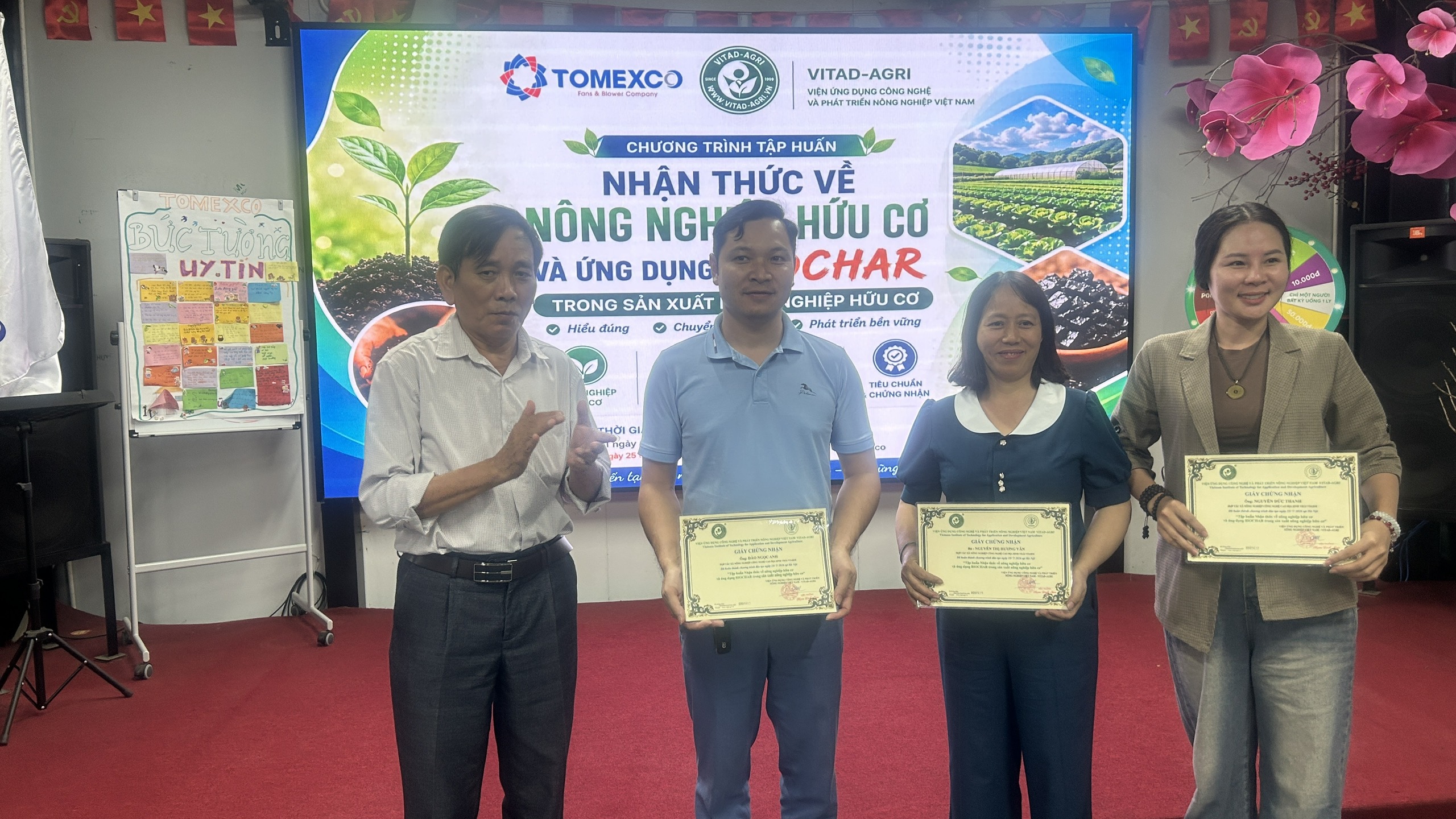
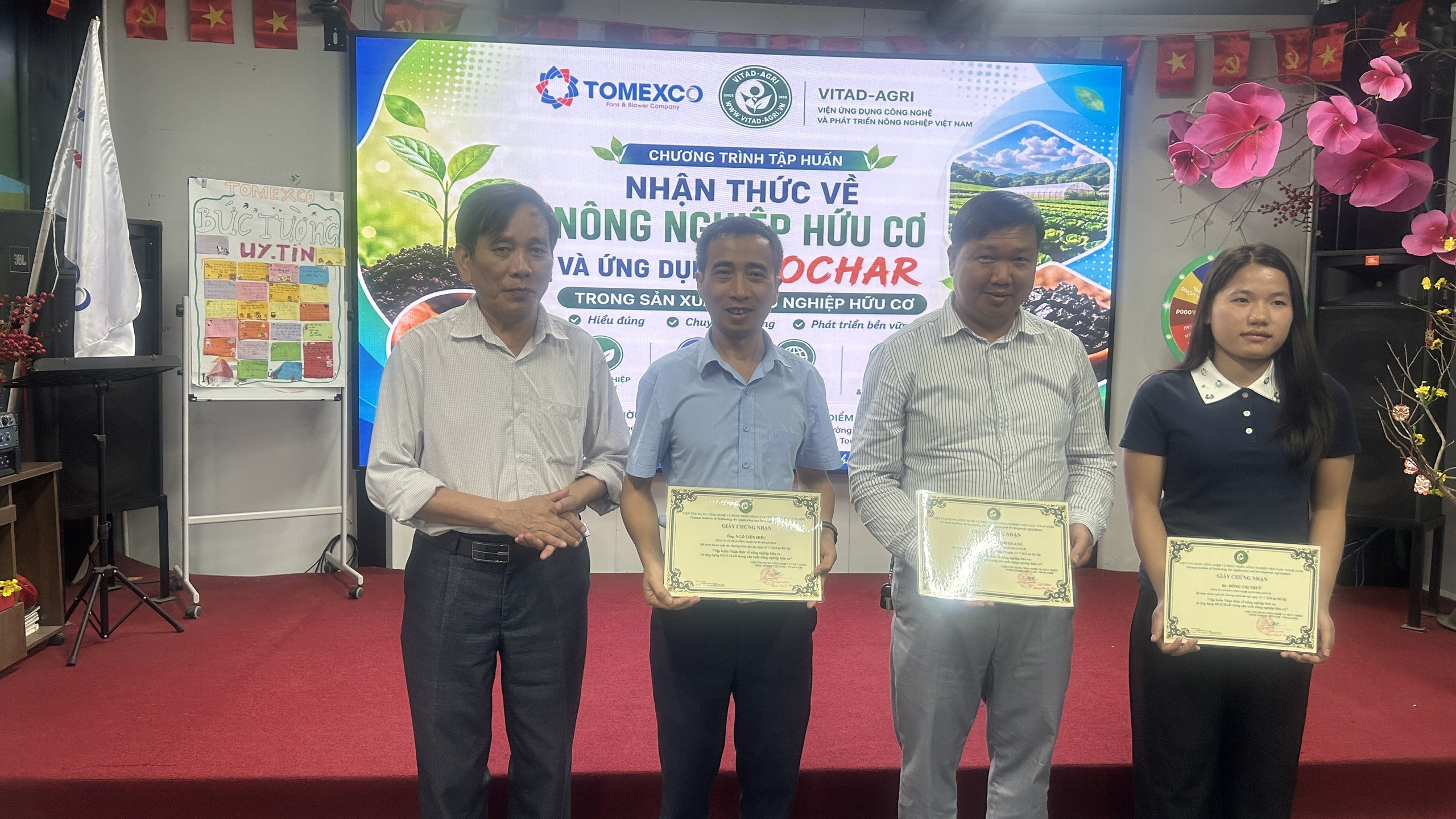
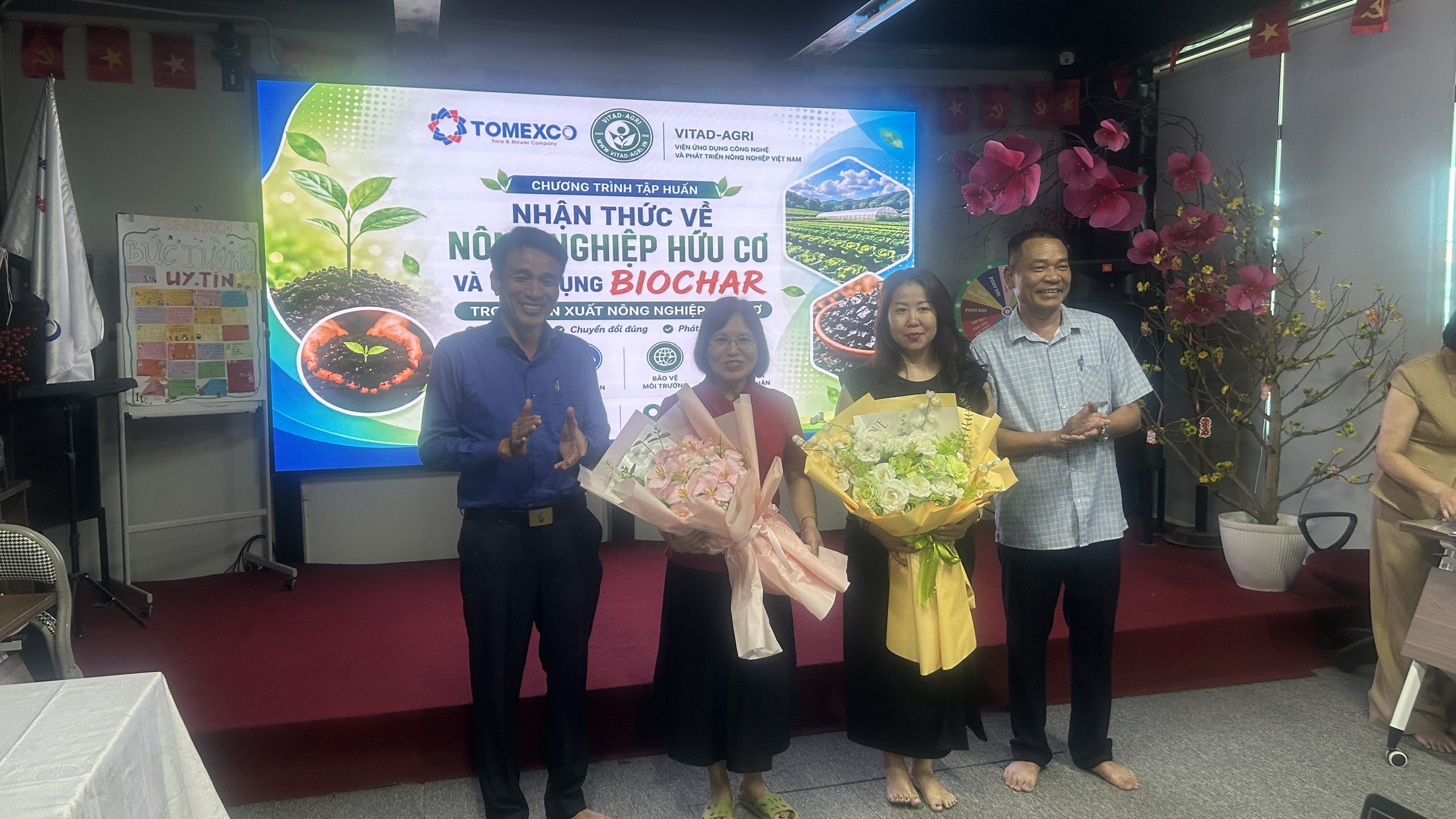
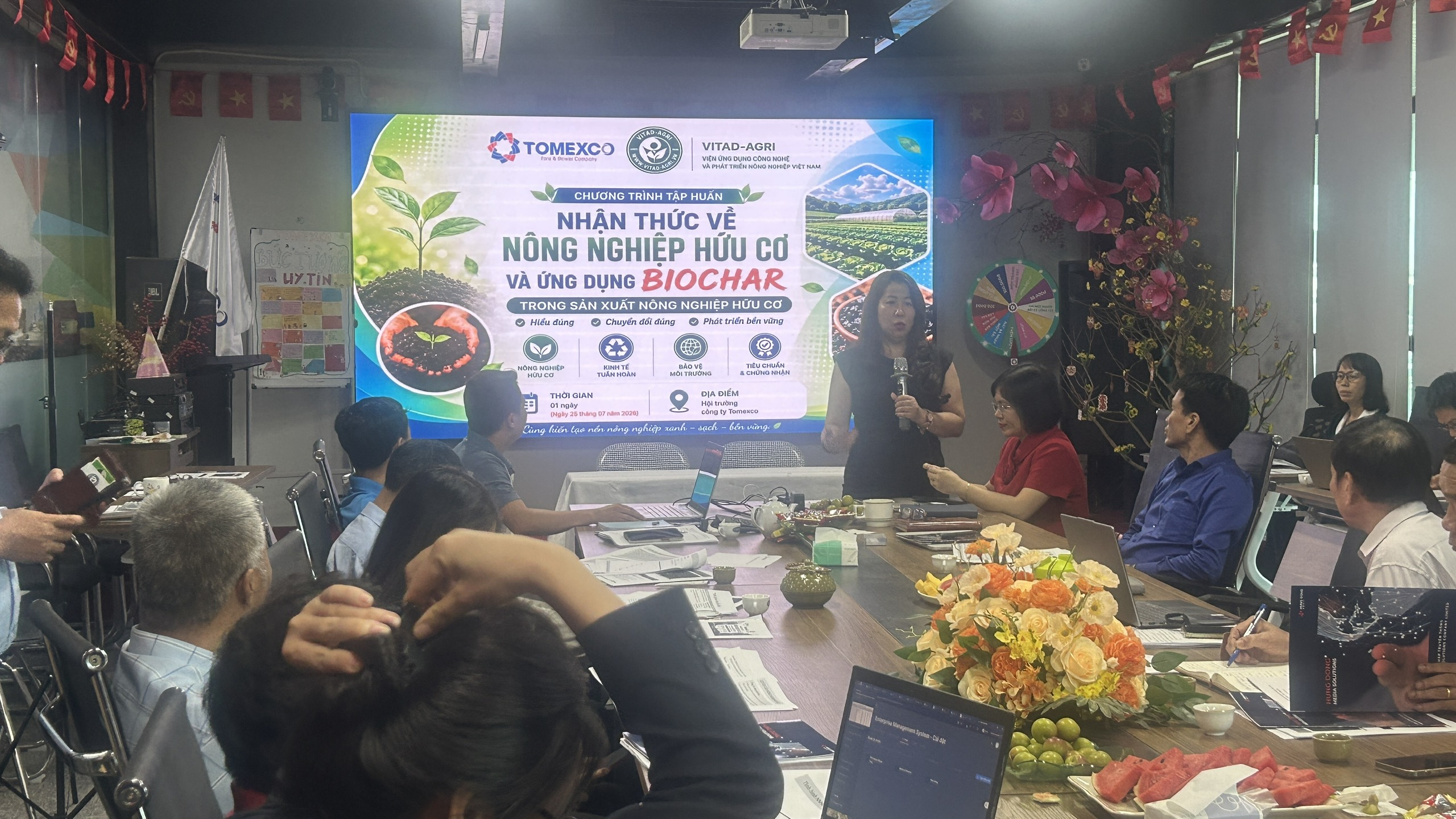 Perform: Le Ngoc Thanh Vinh – Deputy Head of Communications, Vietnam Institute of Agricultural Technology Application and Development (VITAD – AGRI)
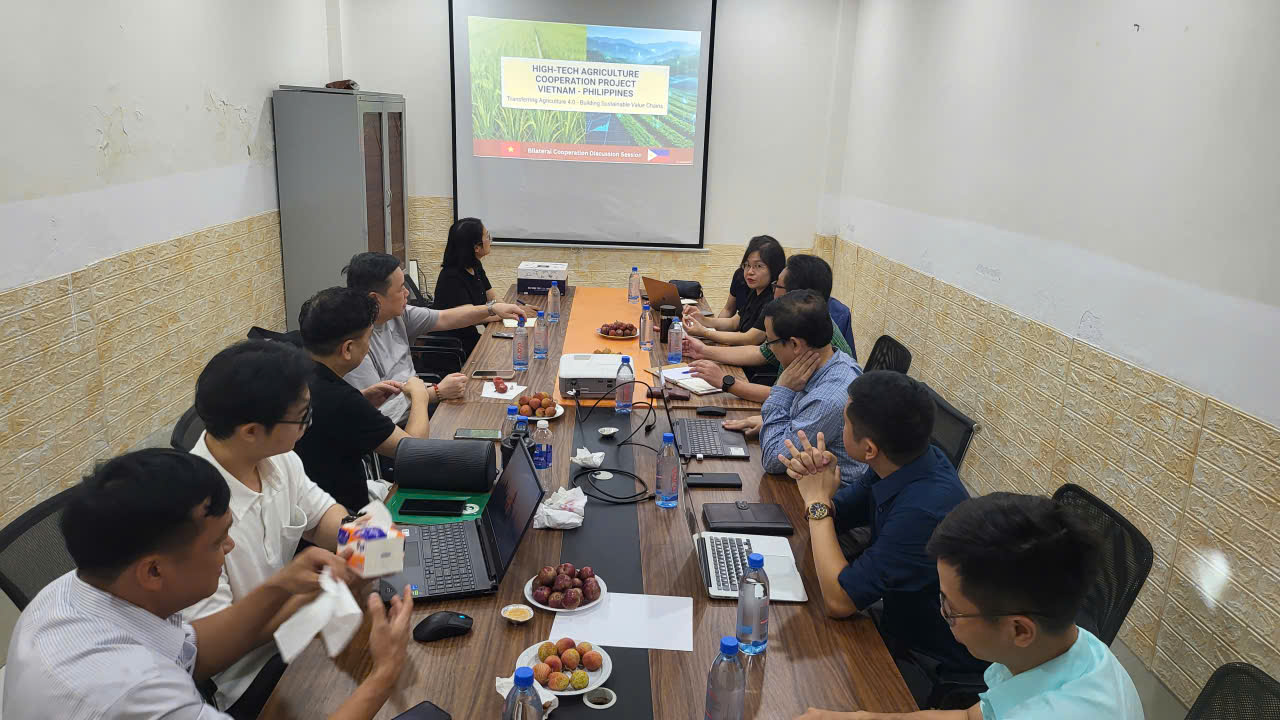
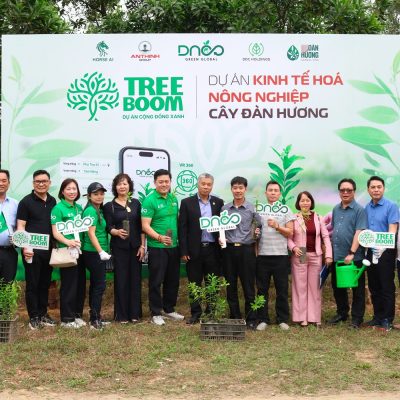
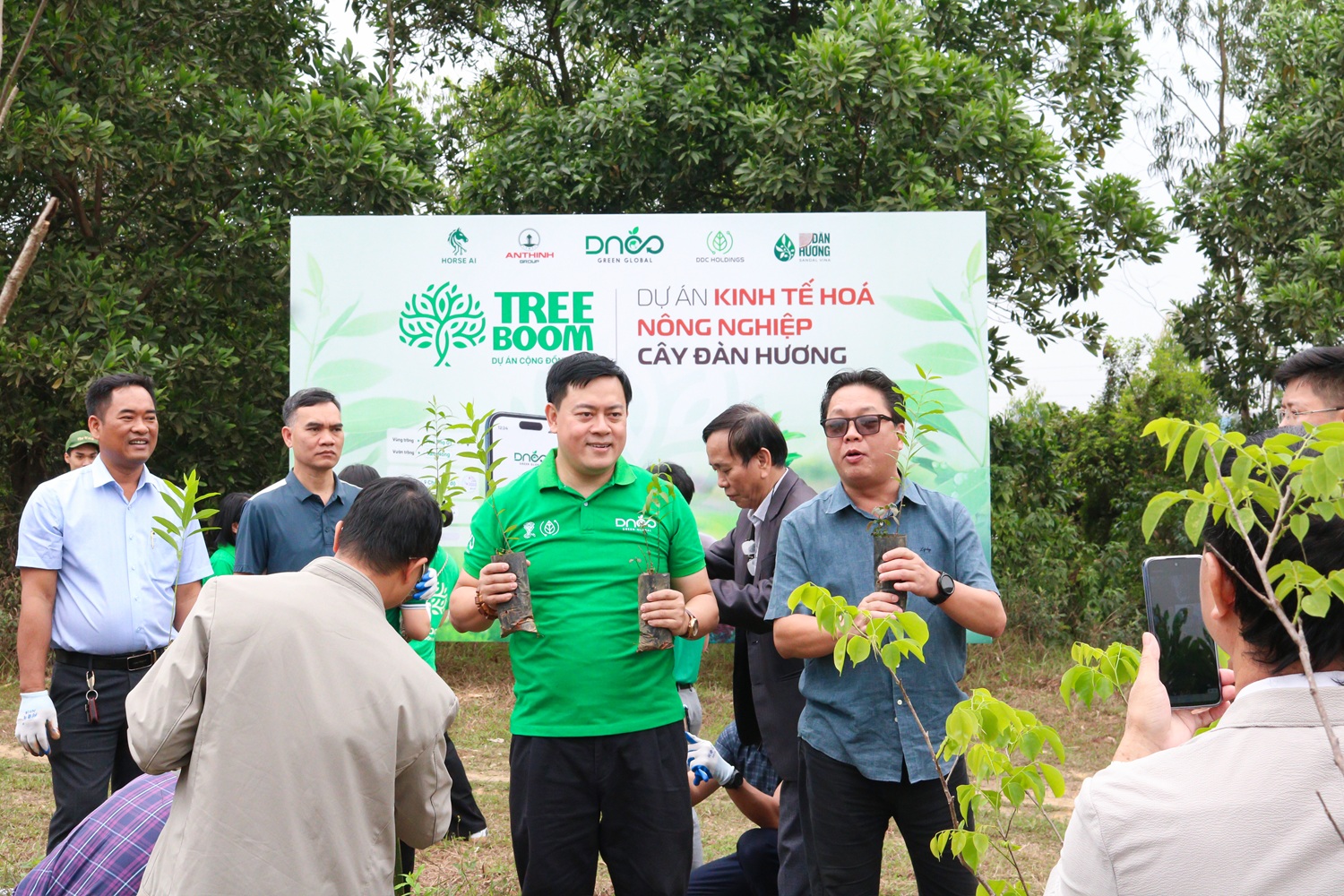
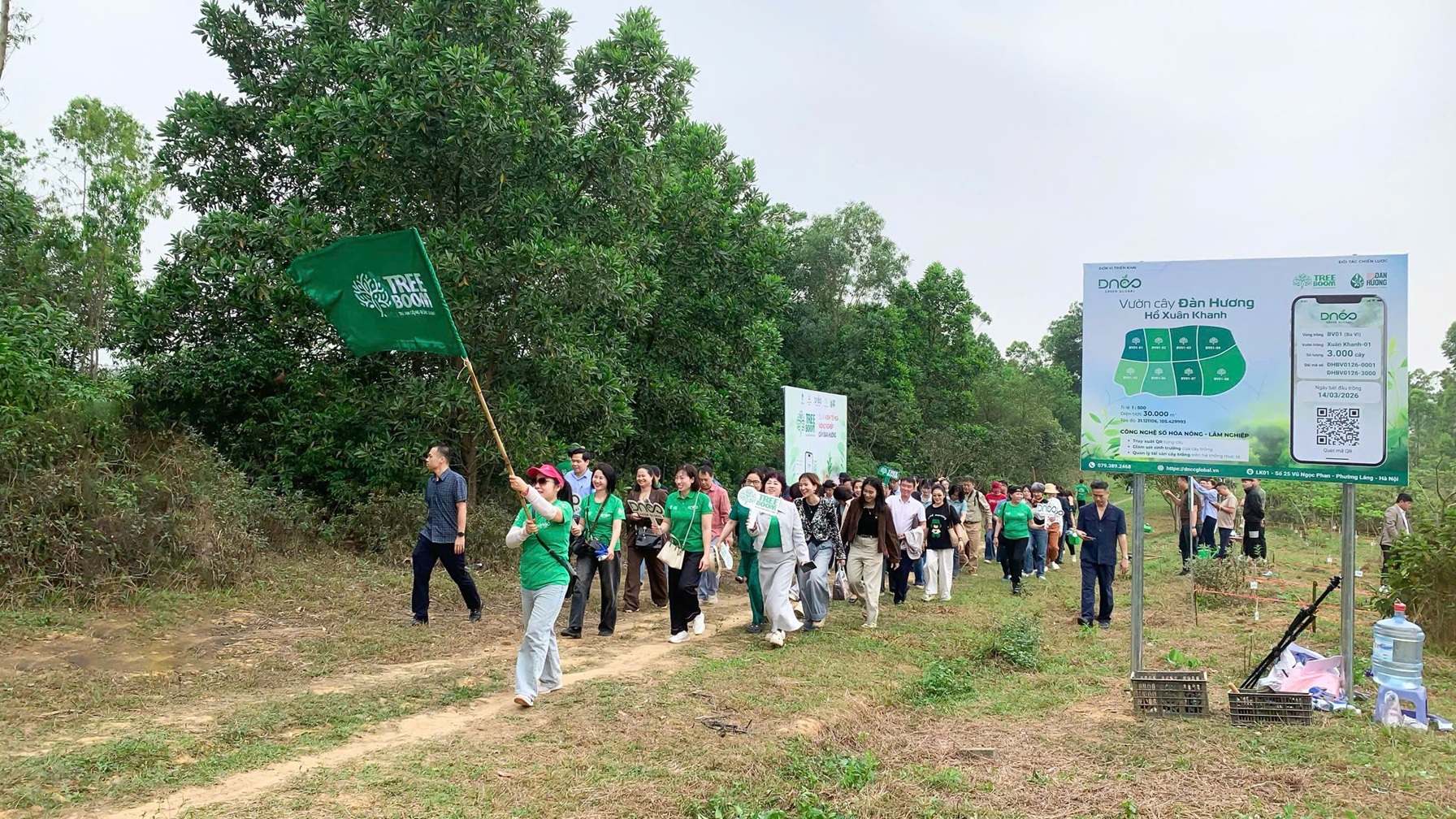 Panorama of "Tree Planting Festival" hosted by TREBOOM
 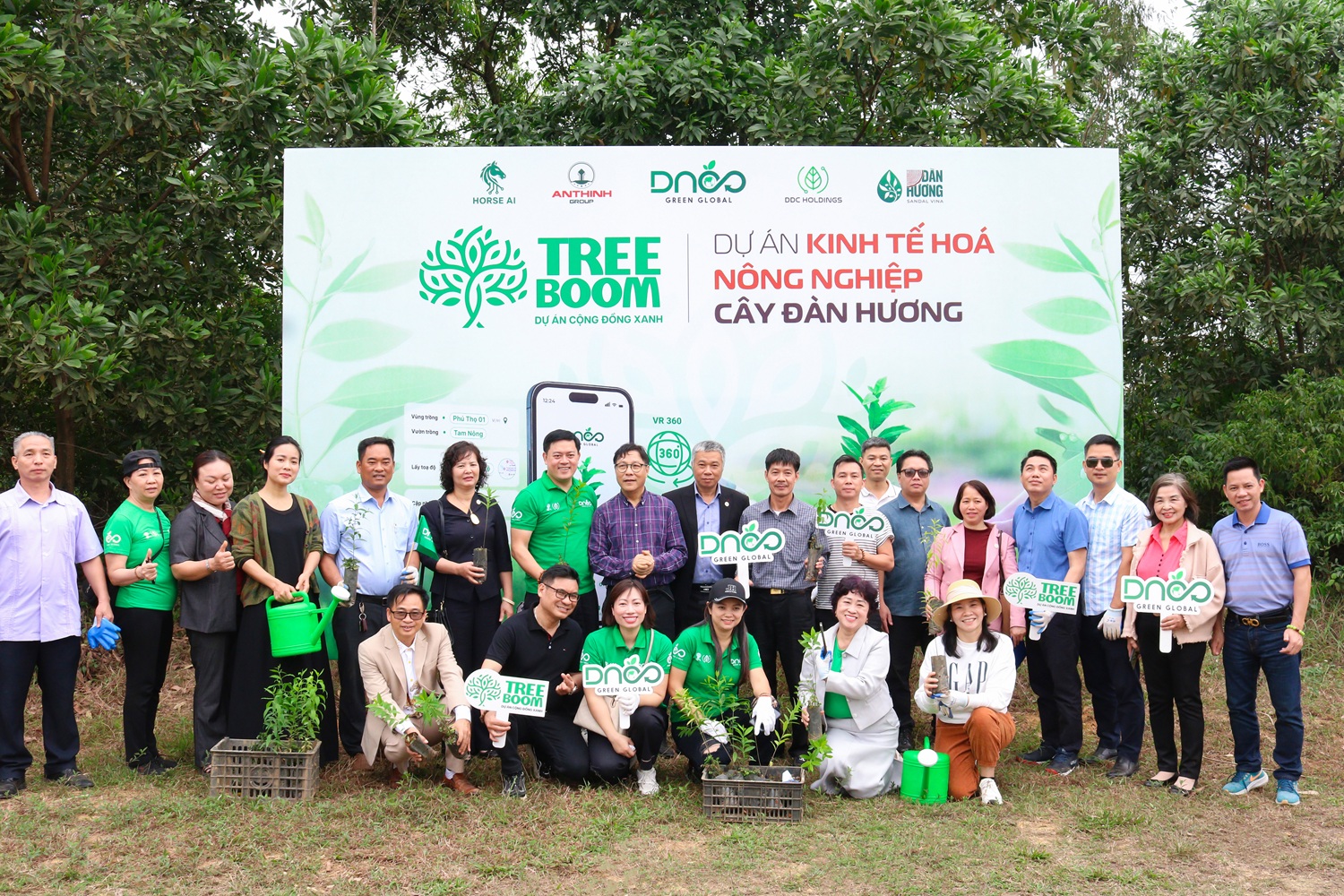 VFARM delegates, VITAD, DNCC and VGA attend "Tree Planting Festival"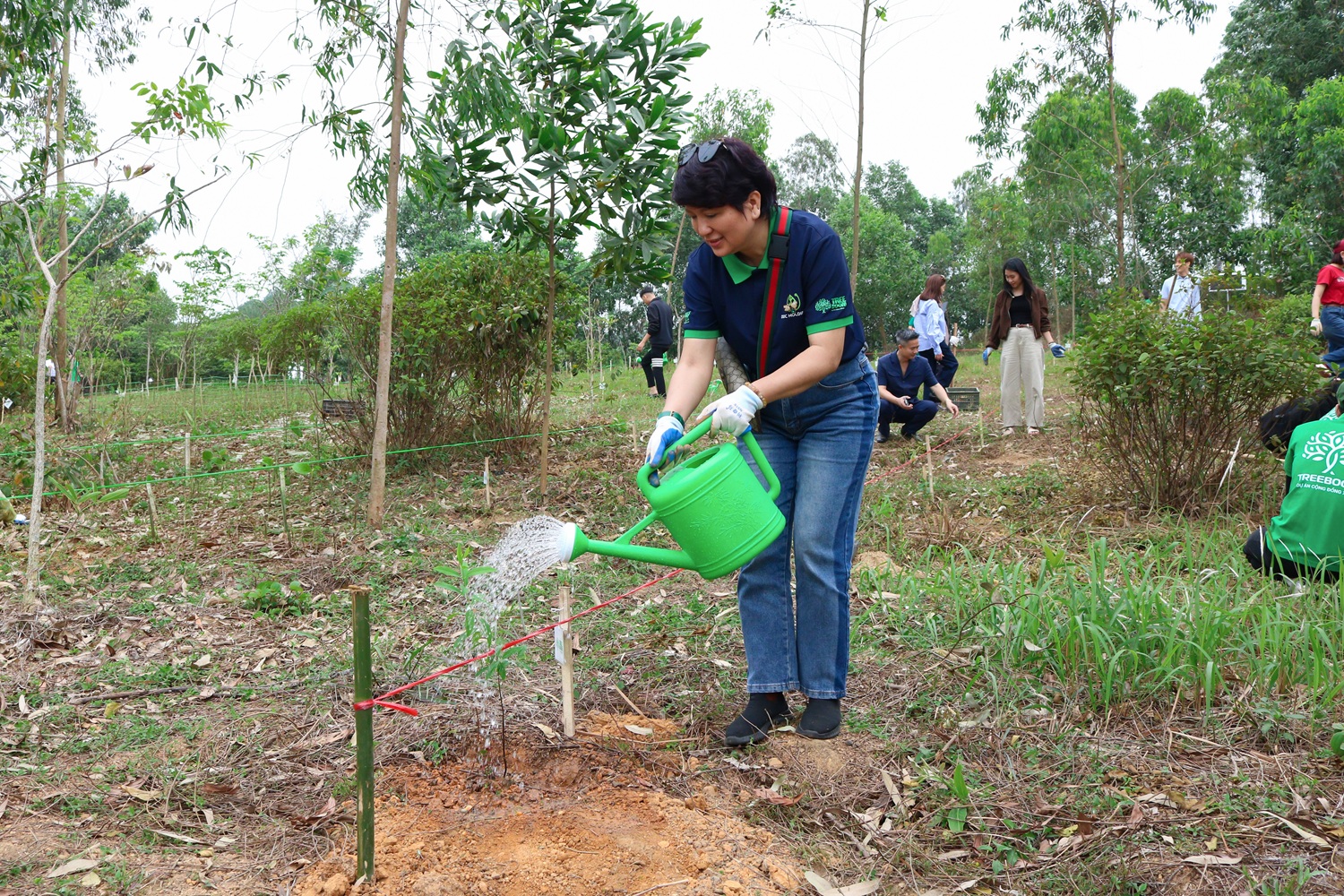
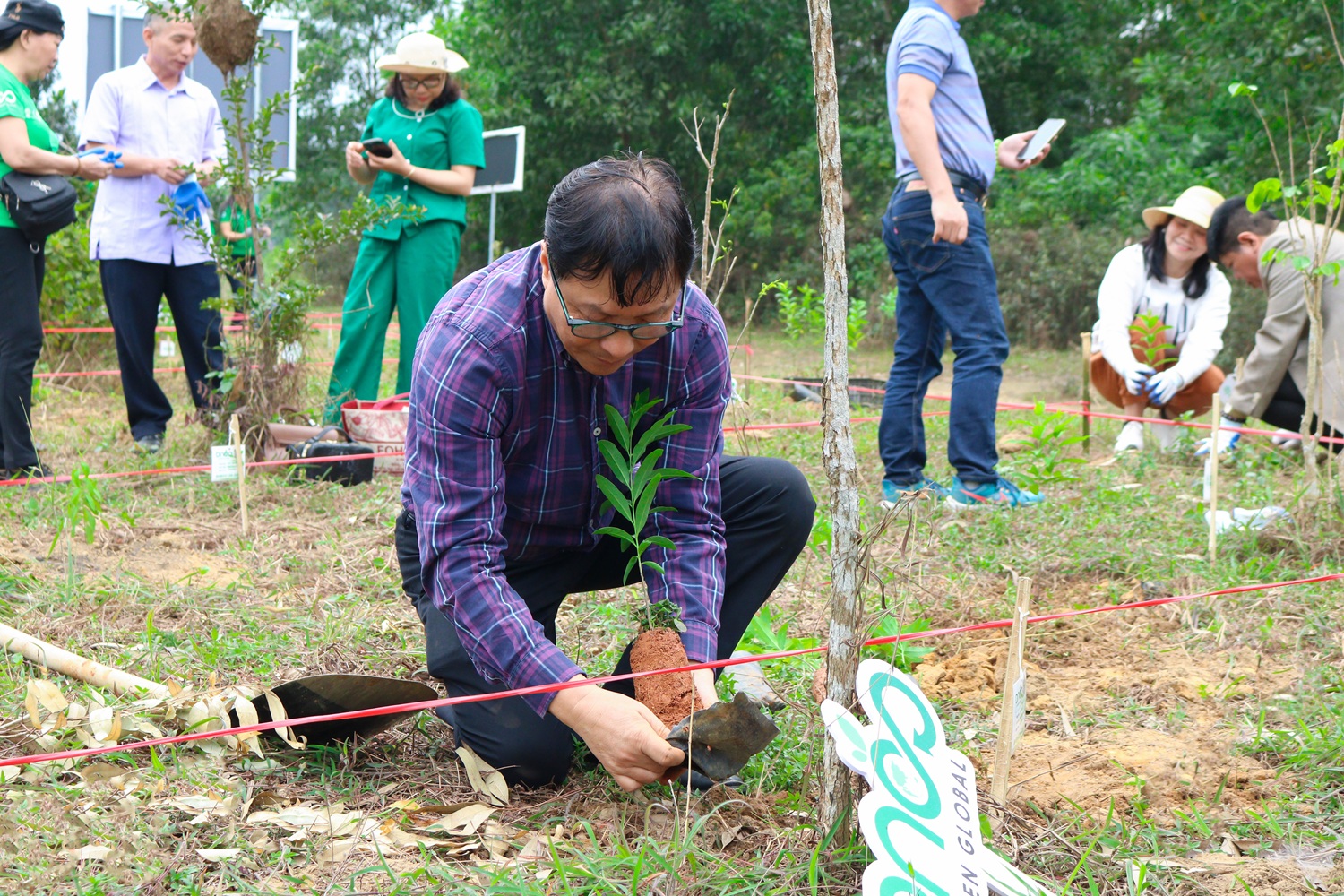
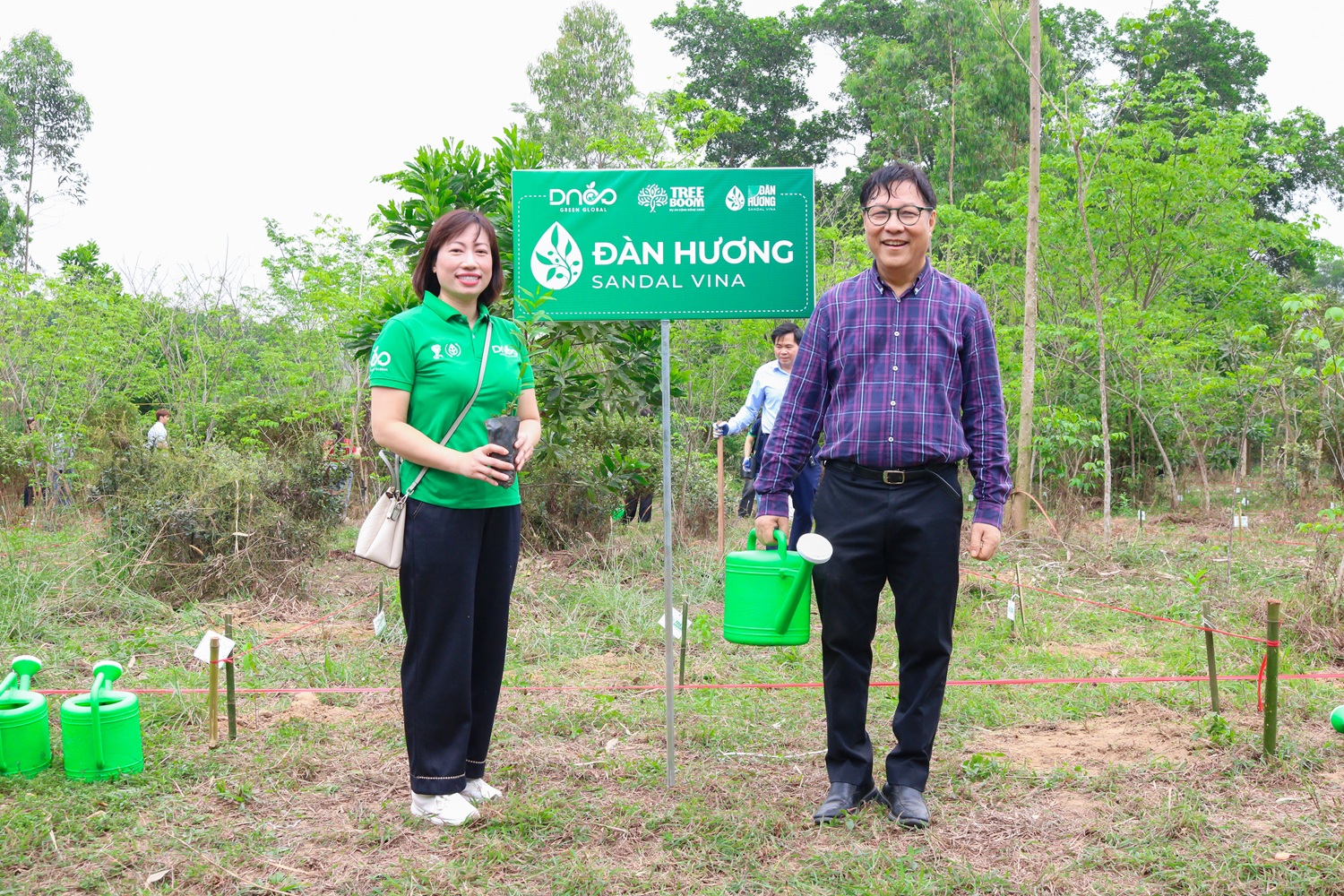 Ms. Nguyen Thu Huyen and Mr. Dang Huy Dong prepare to plant sandalwood trees
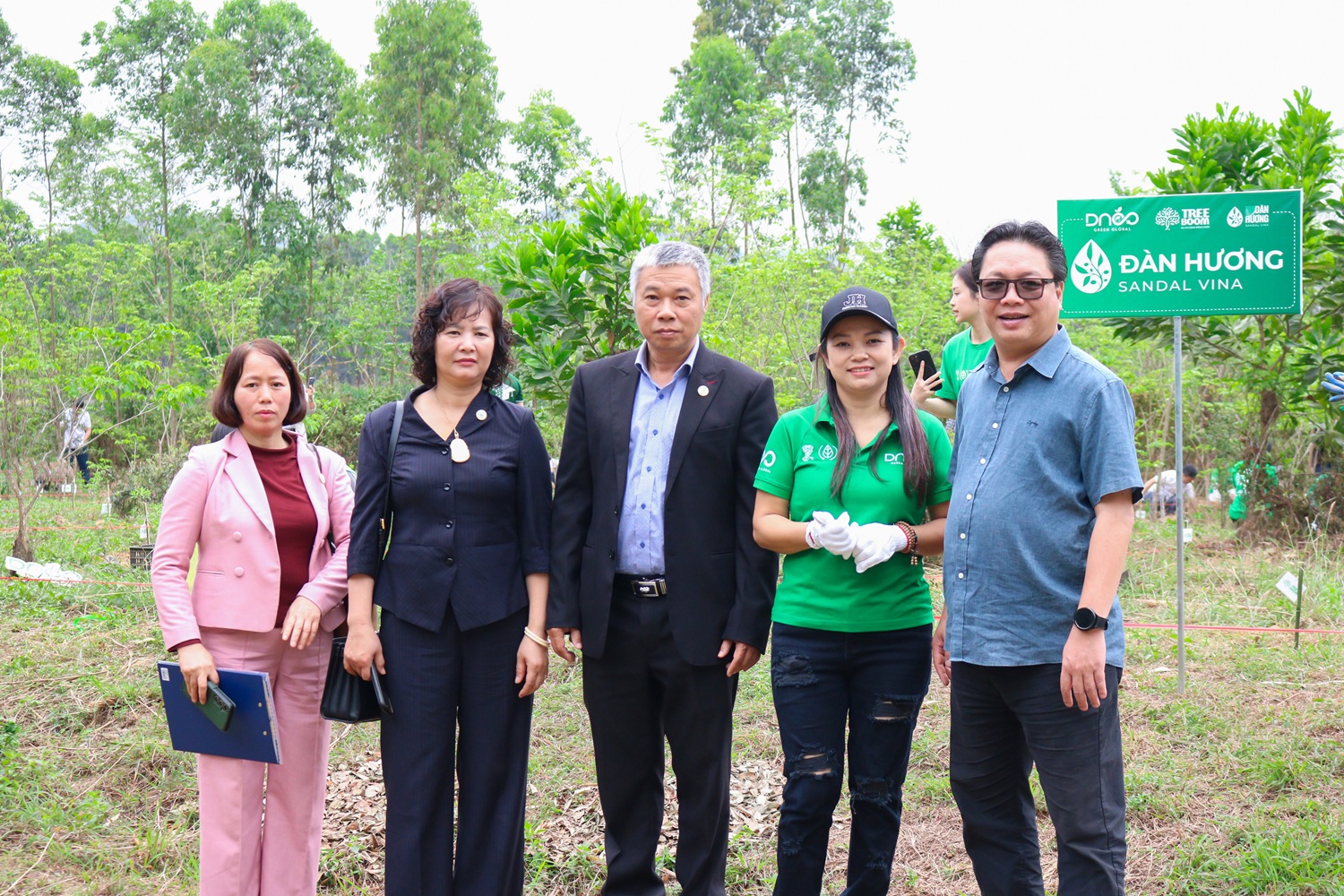 Representatives of VFARM and representatives of VITAD took souvenir photos with representatives of TREEBOM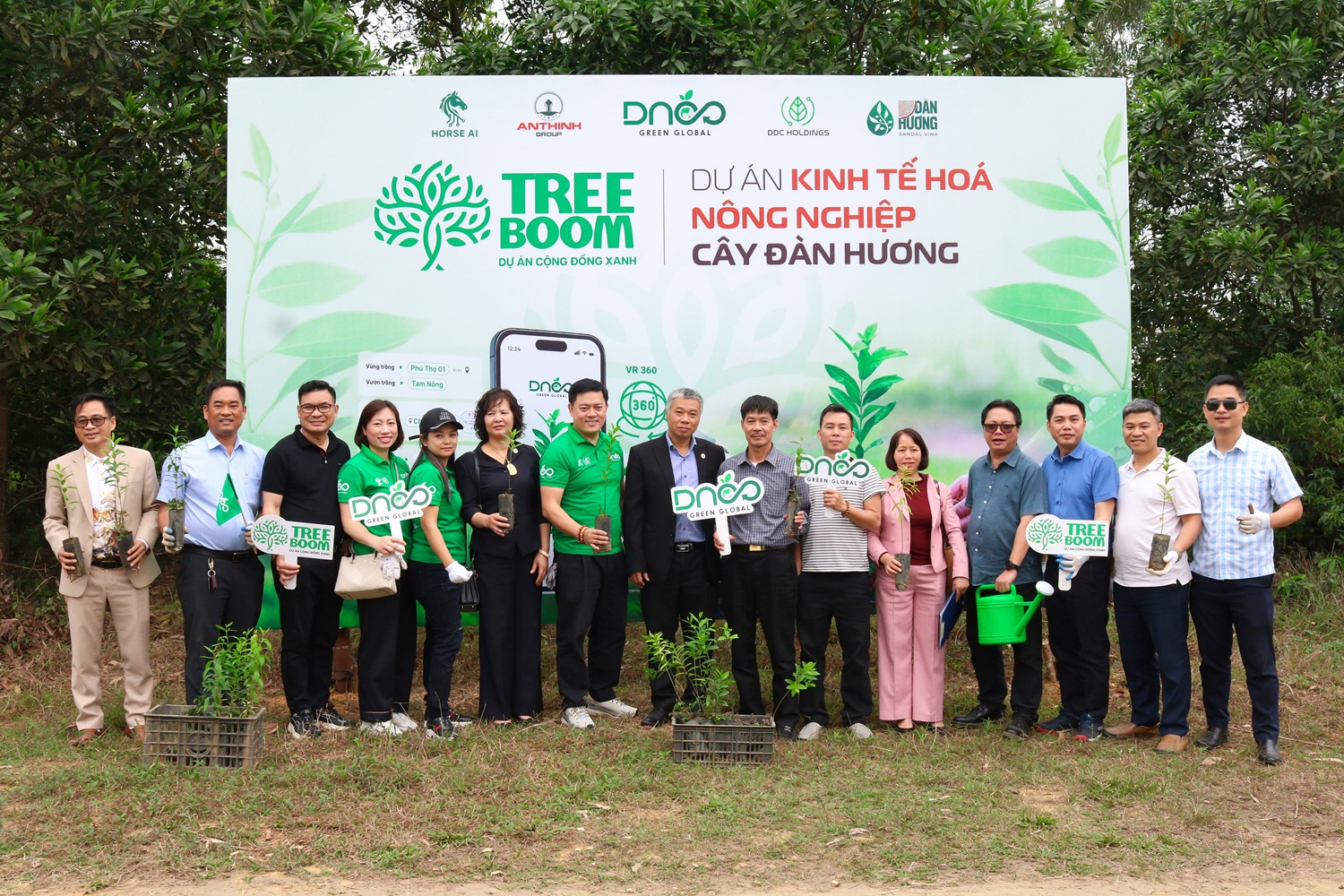
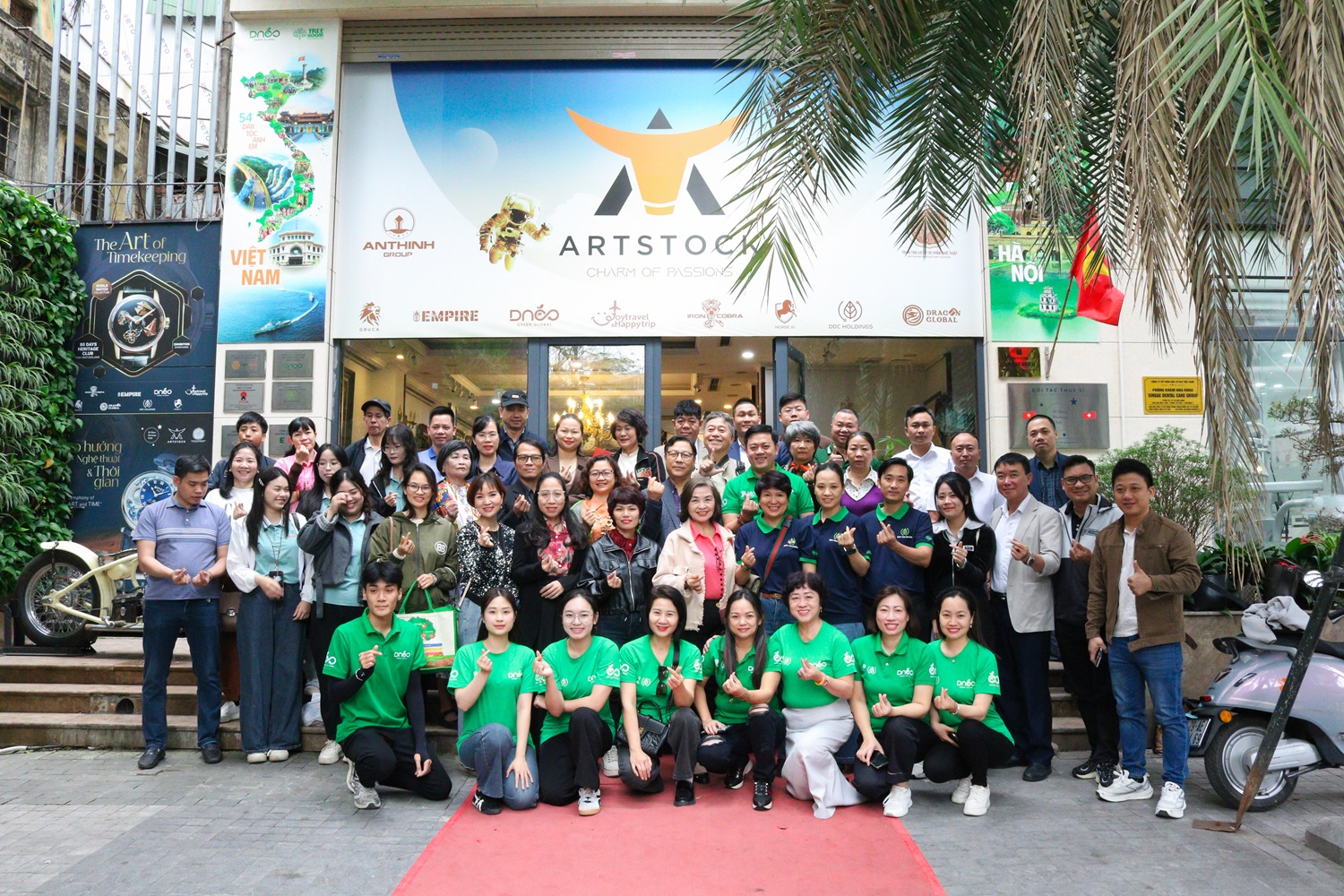
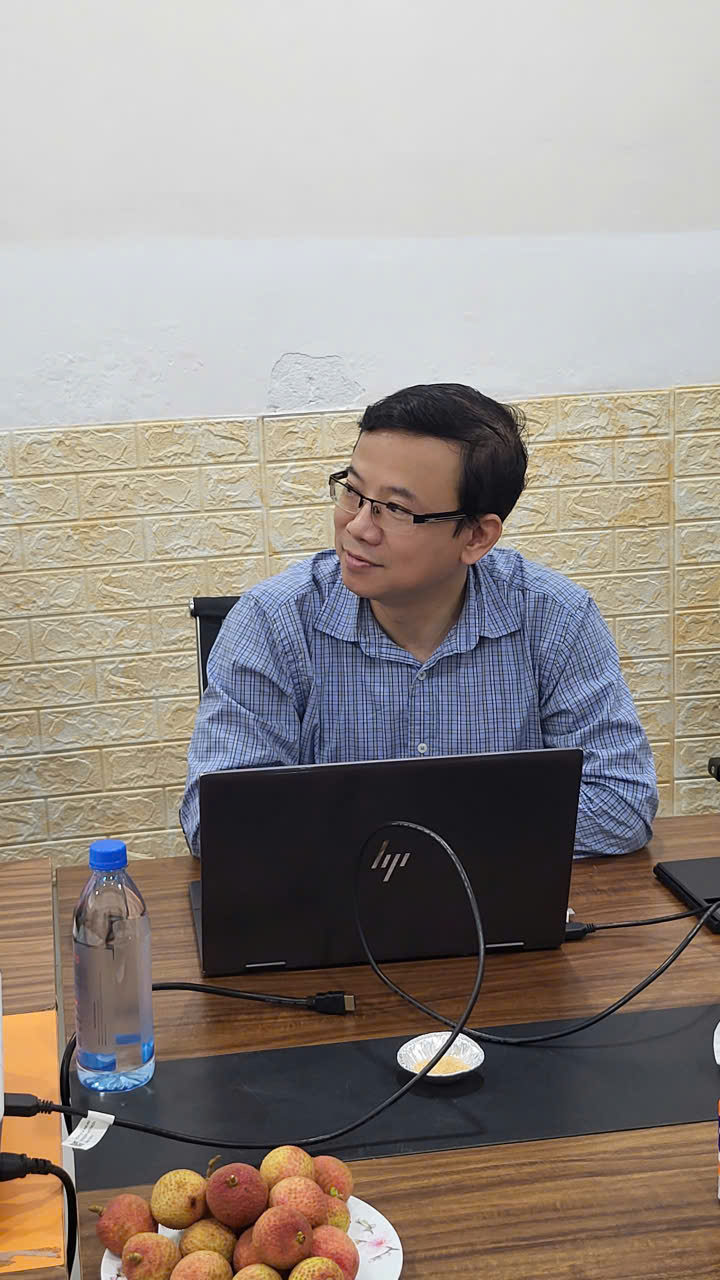
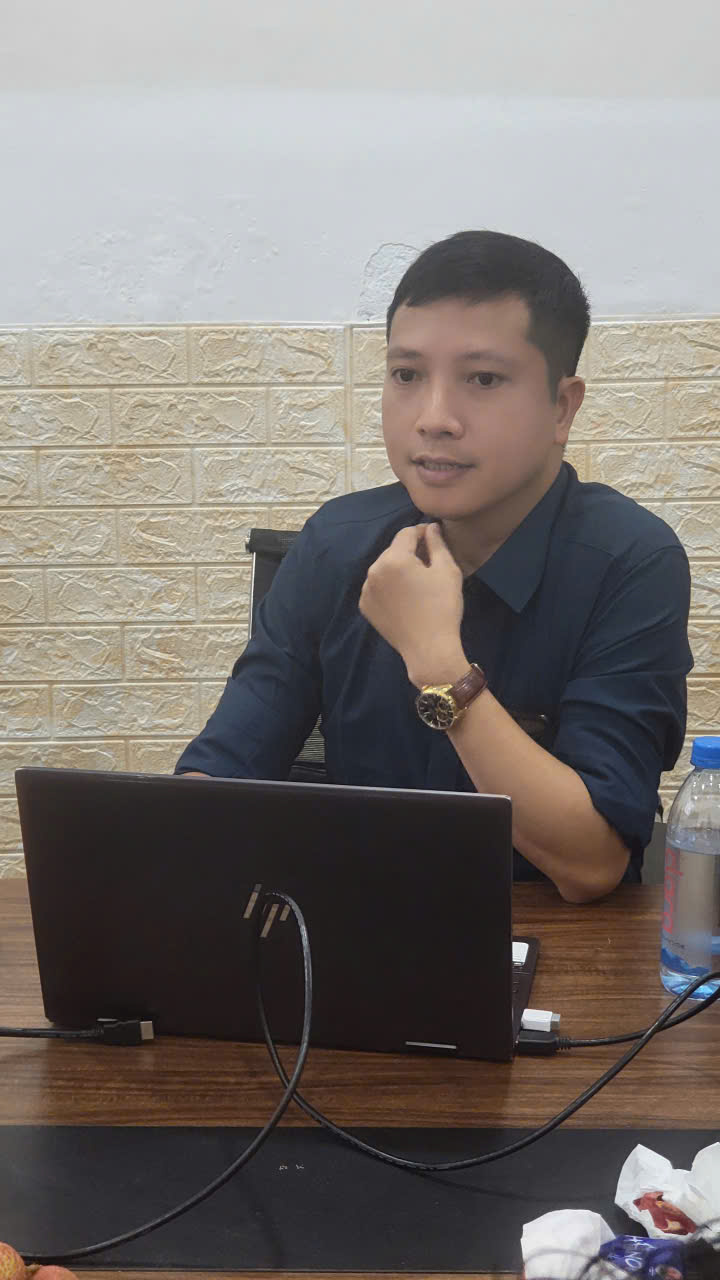
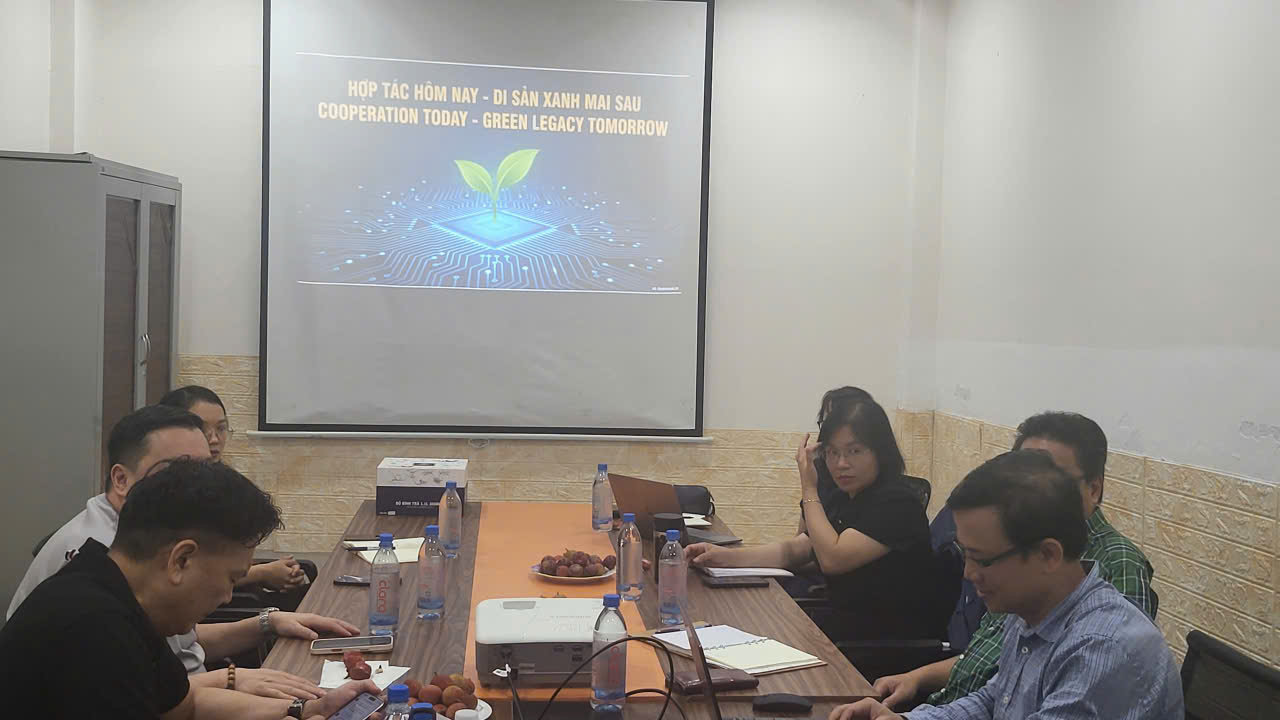
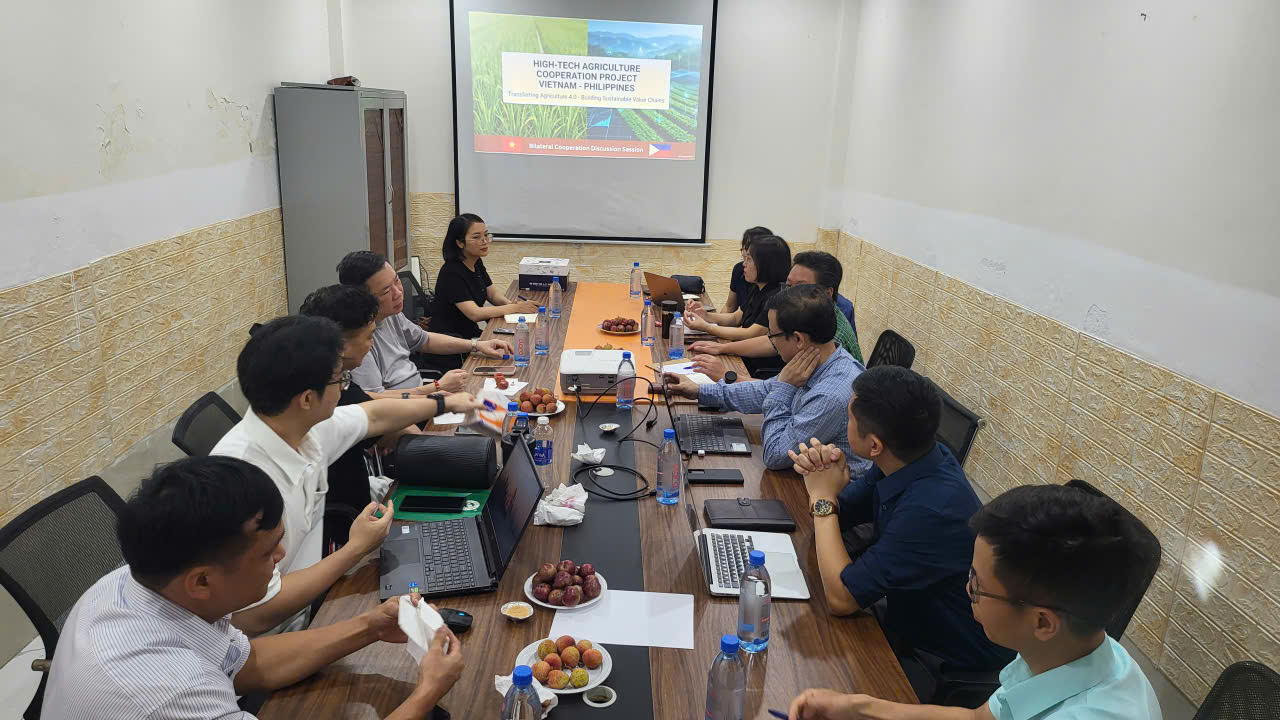
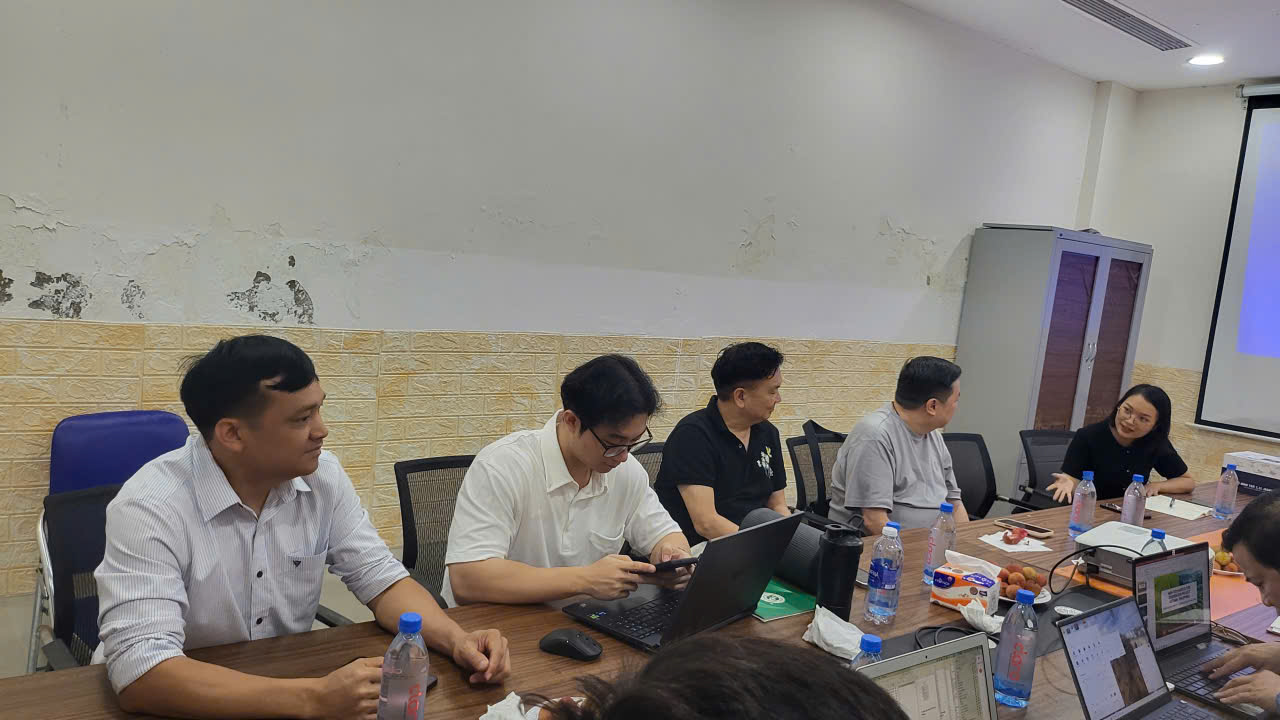
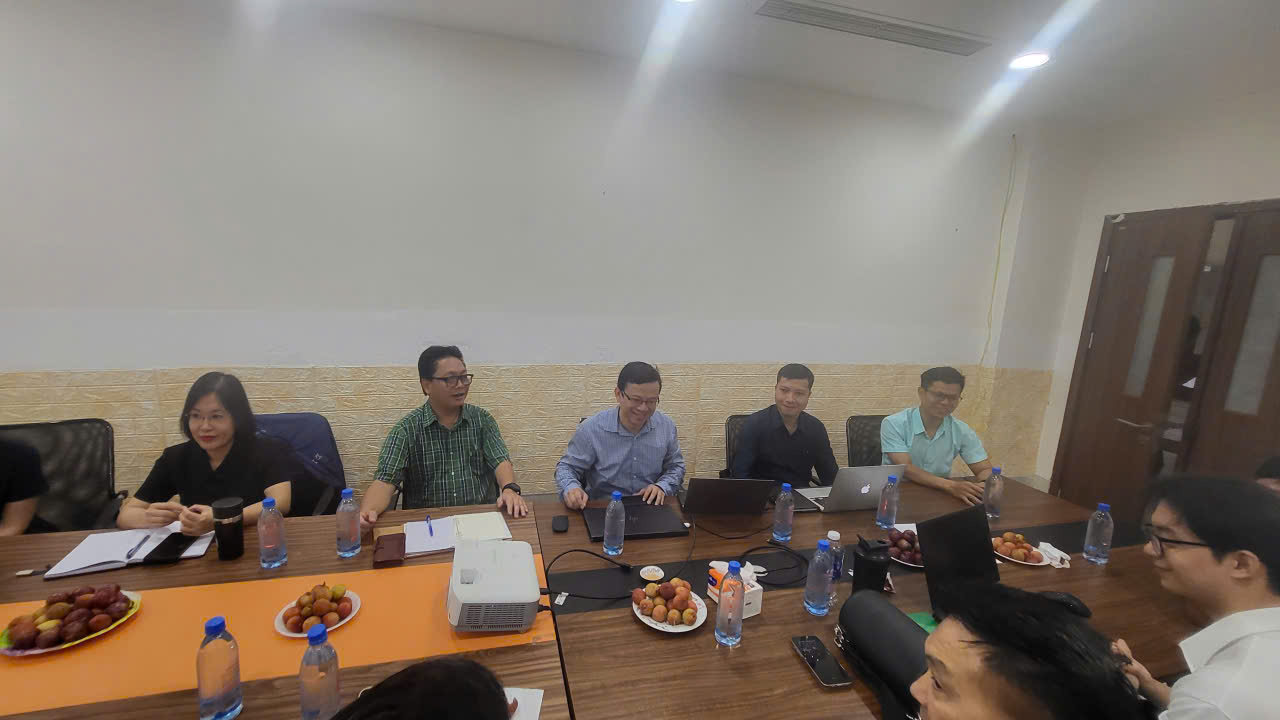
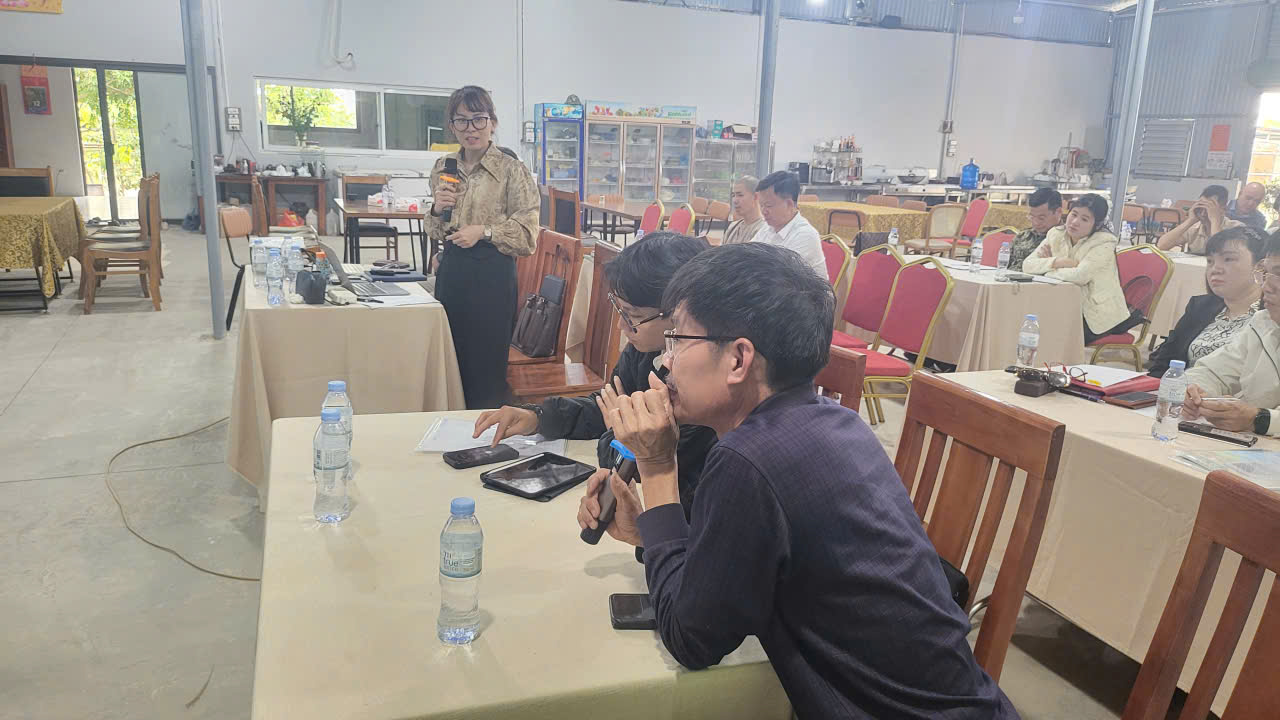
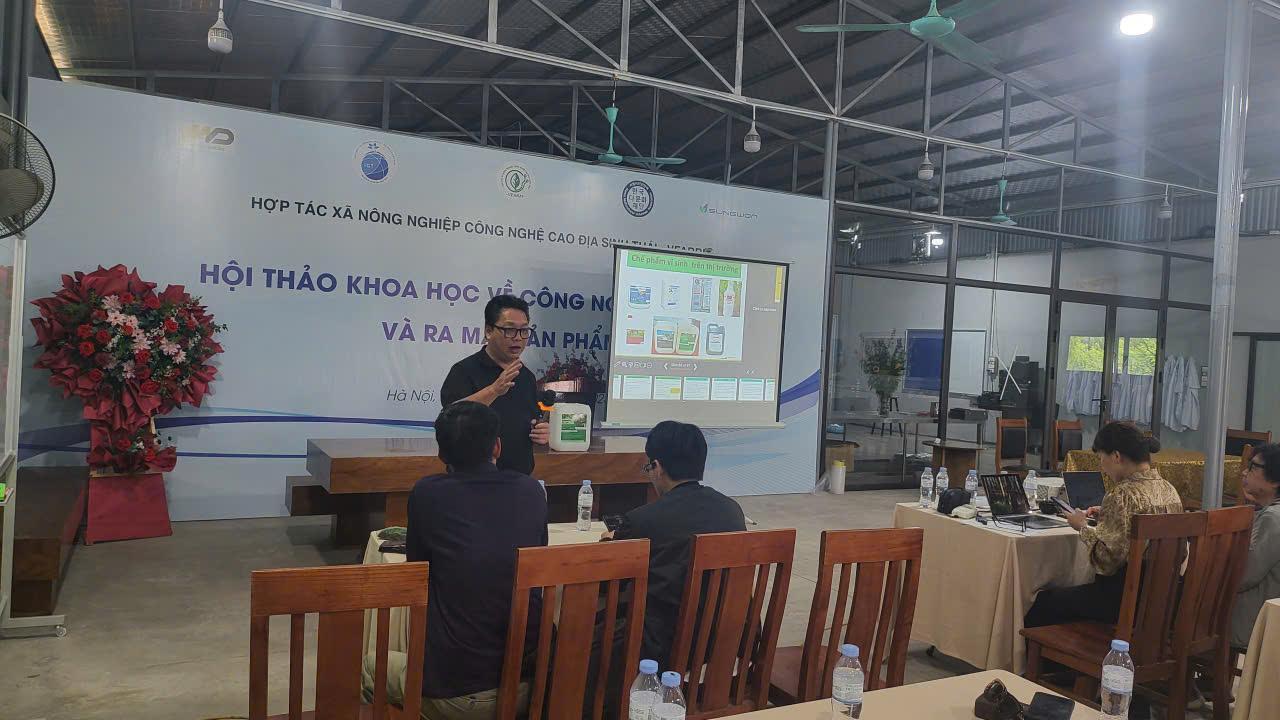
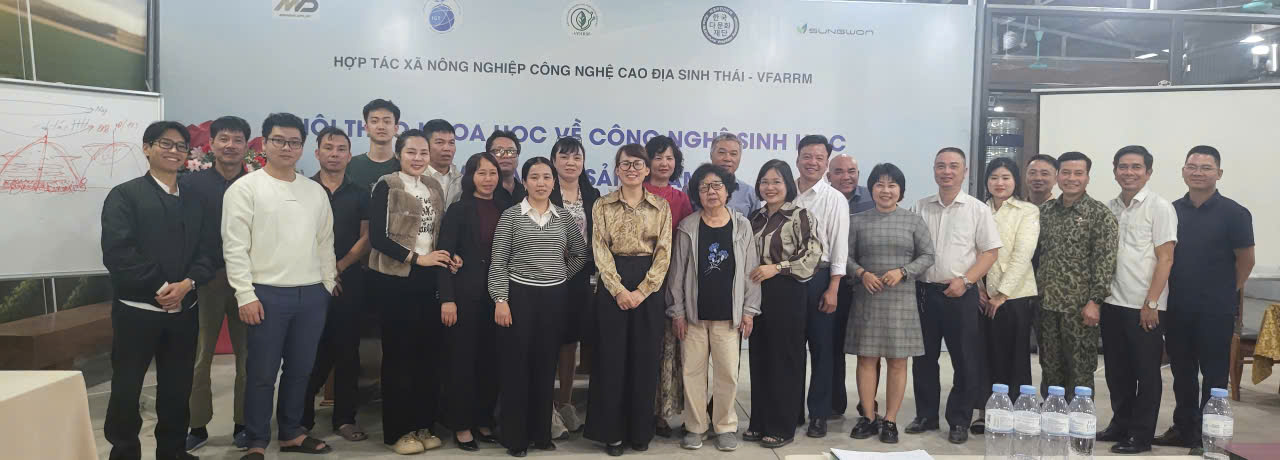
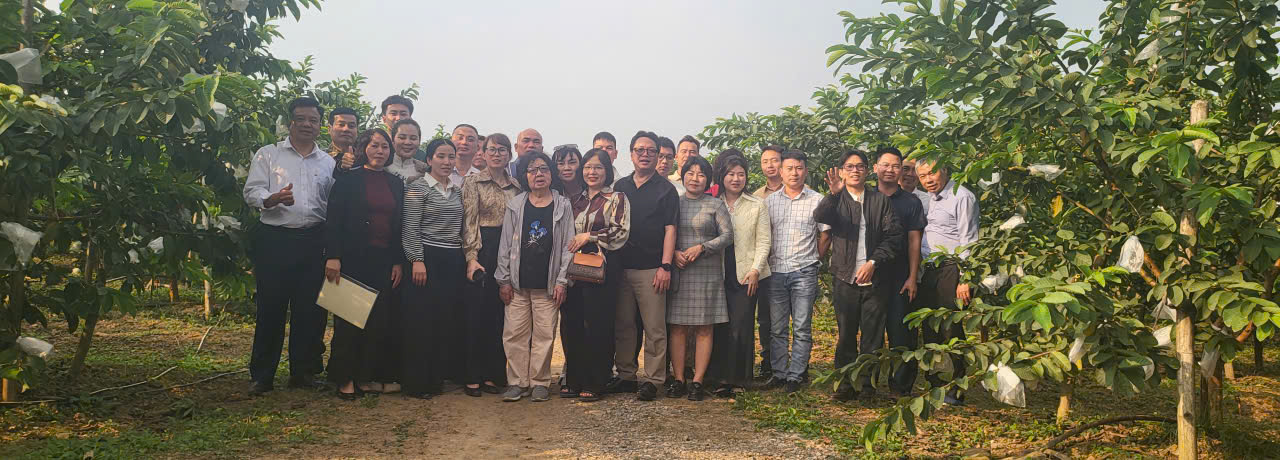
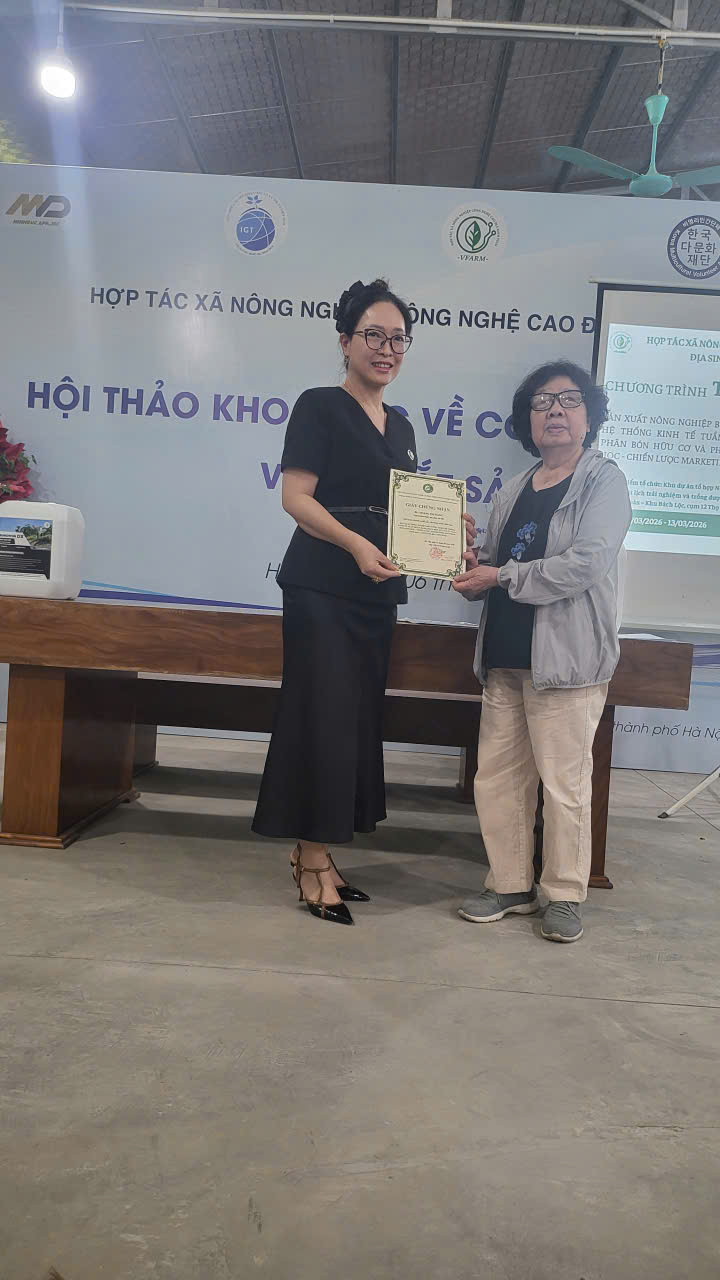
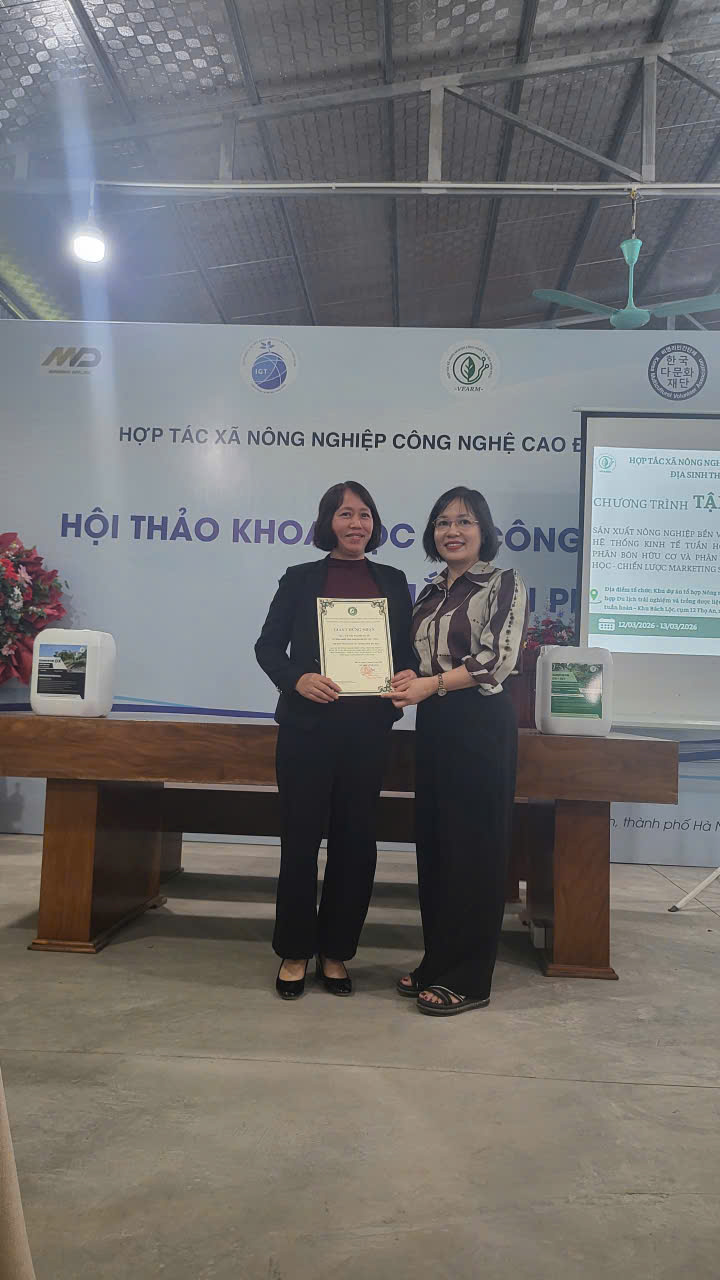
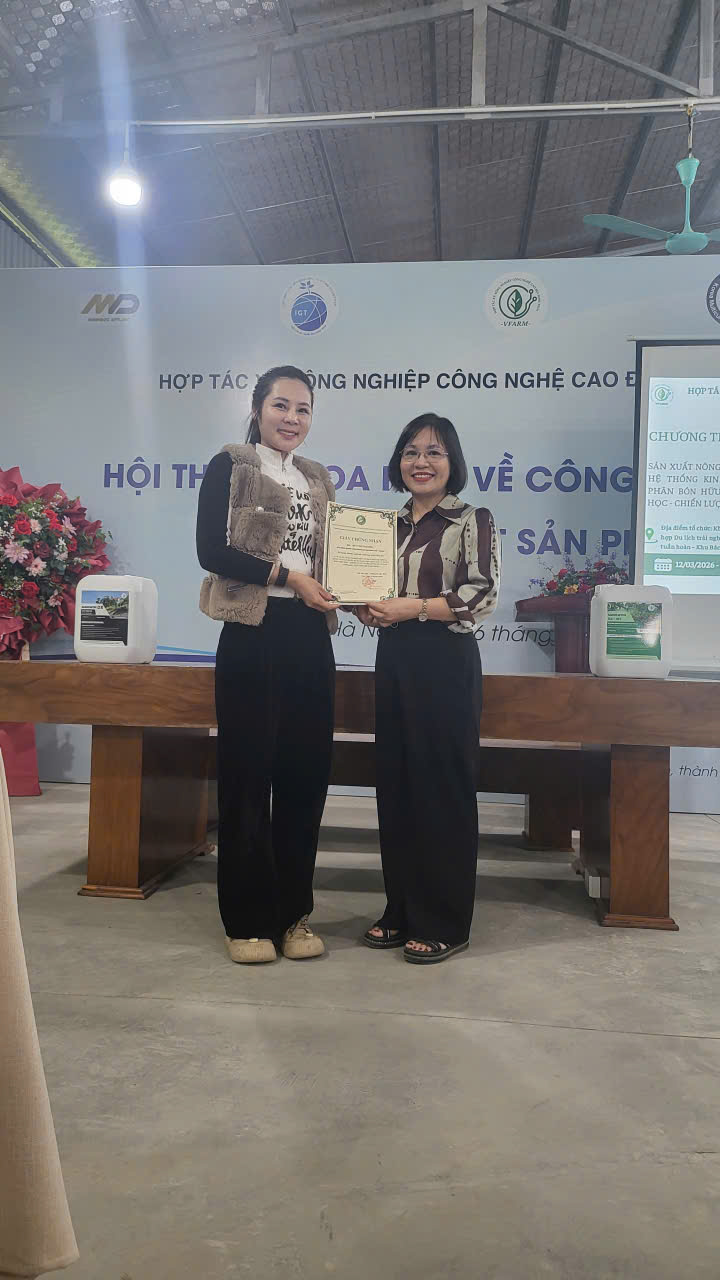
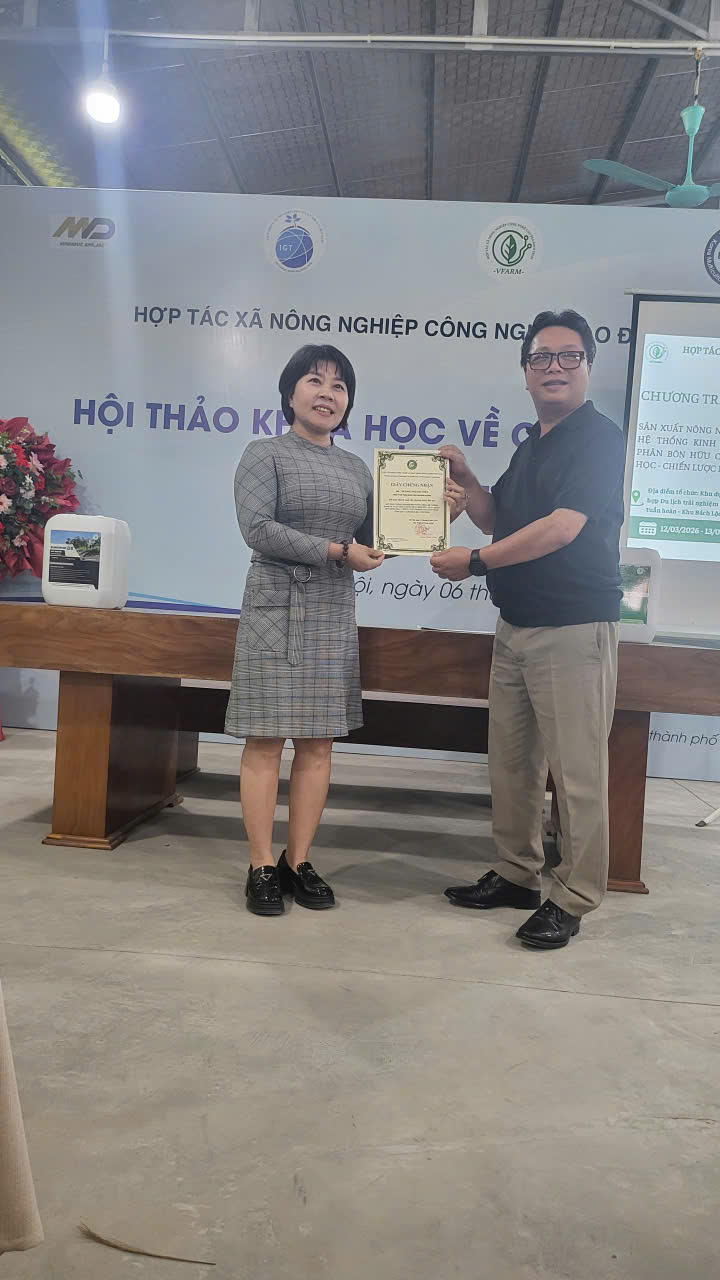
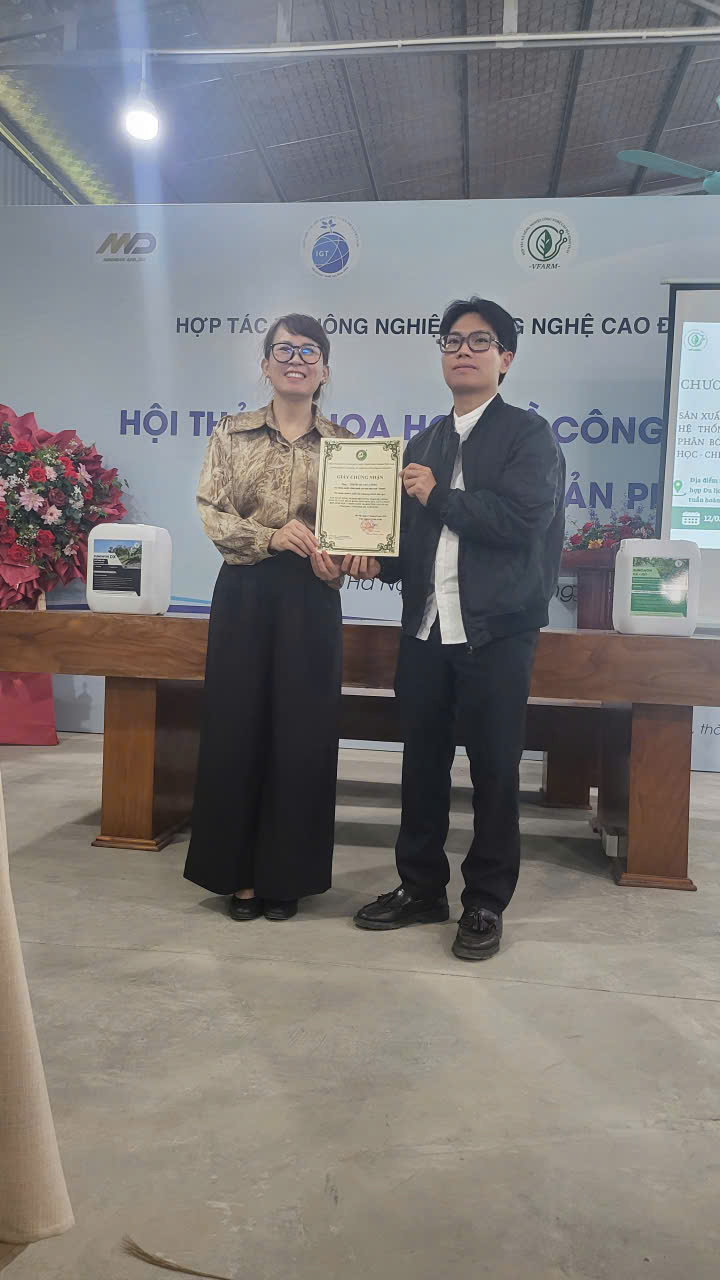
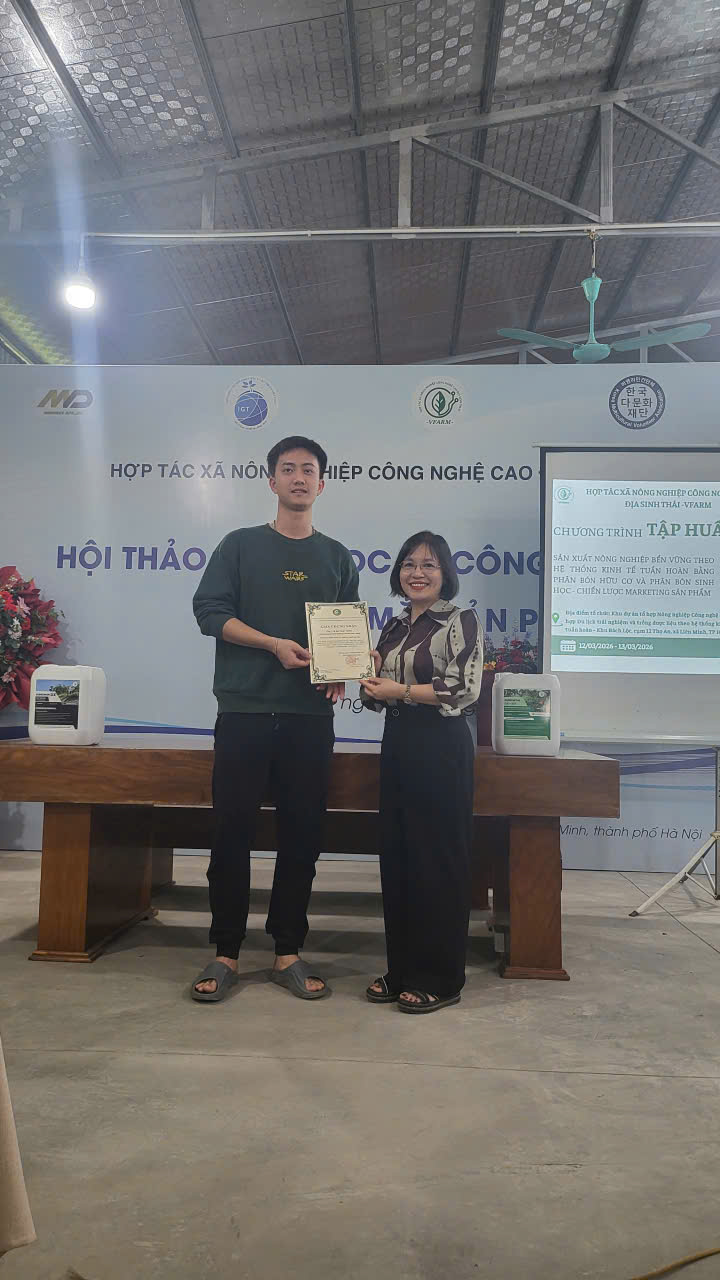
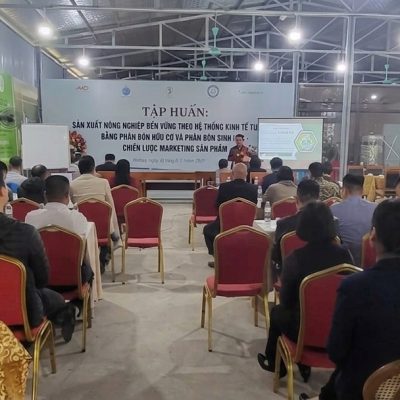
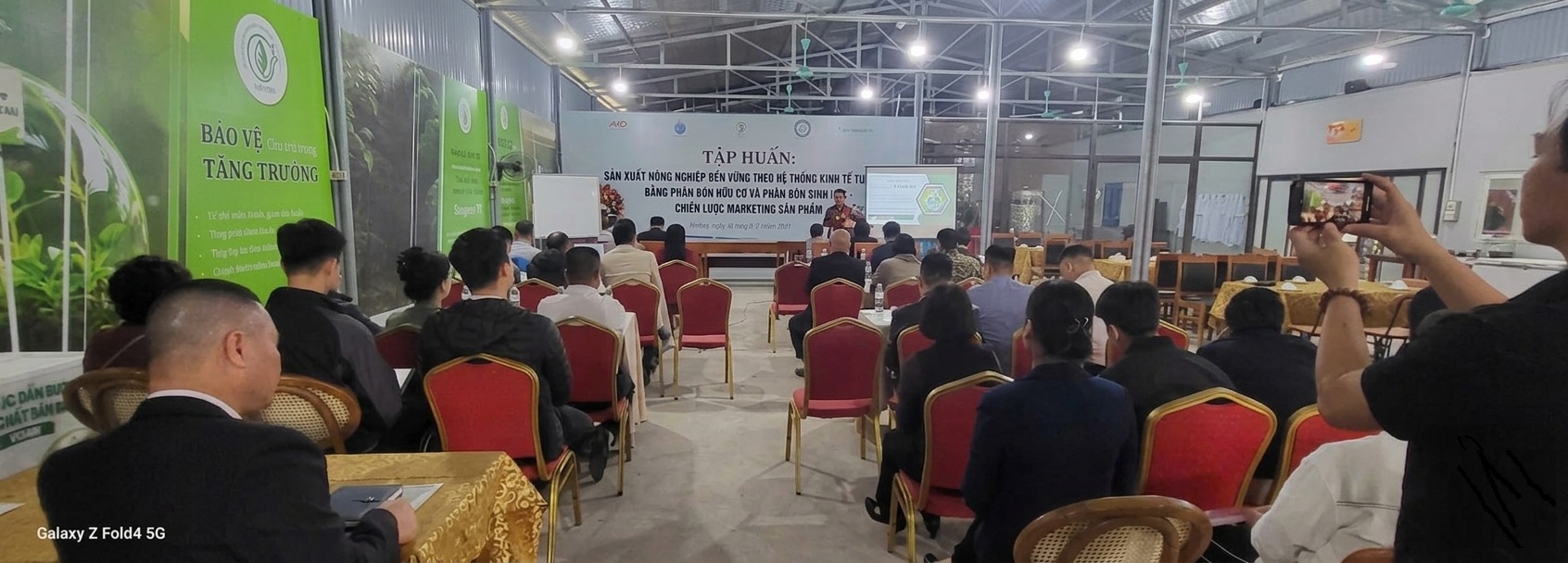
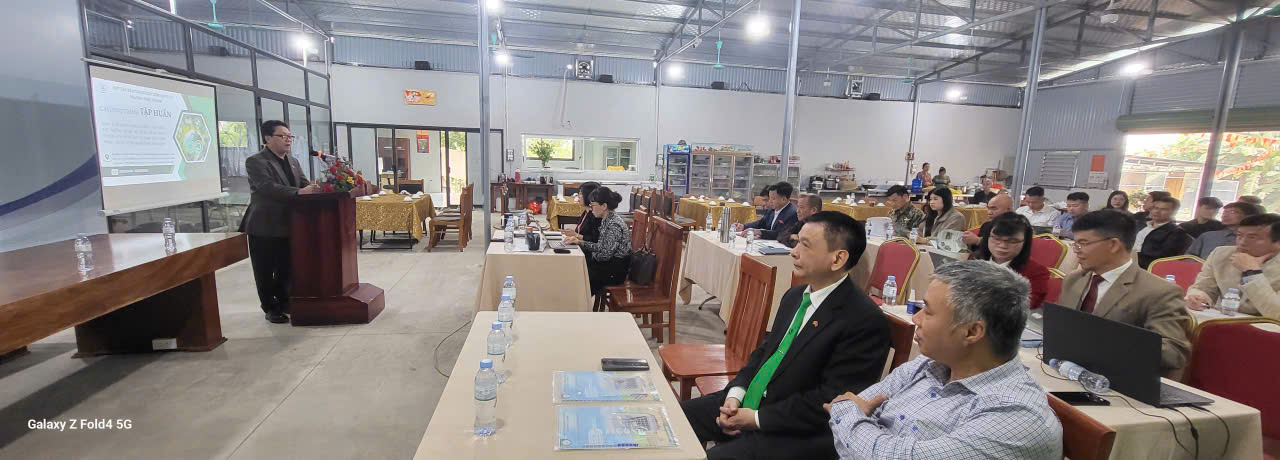
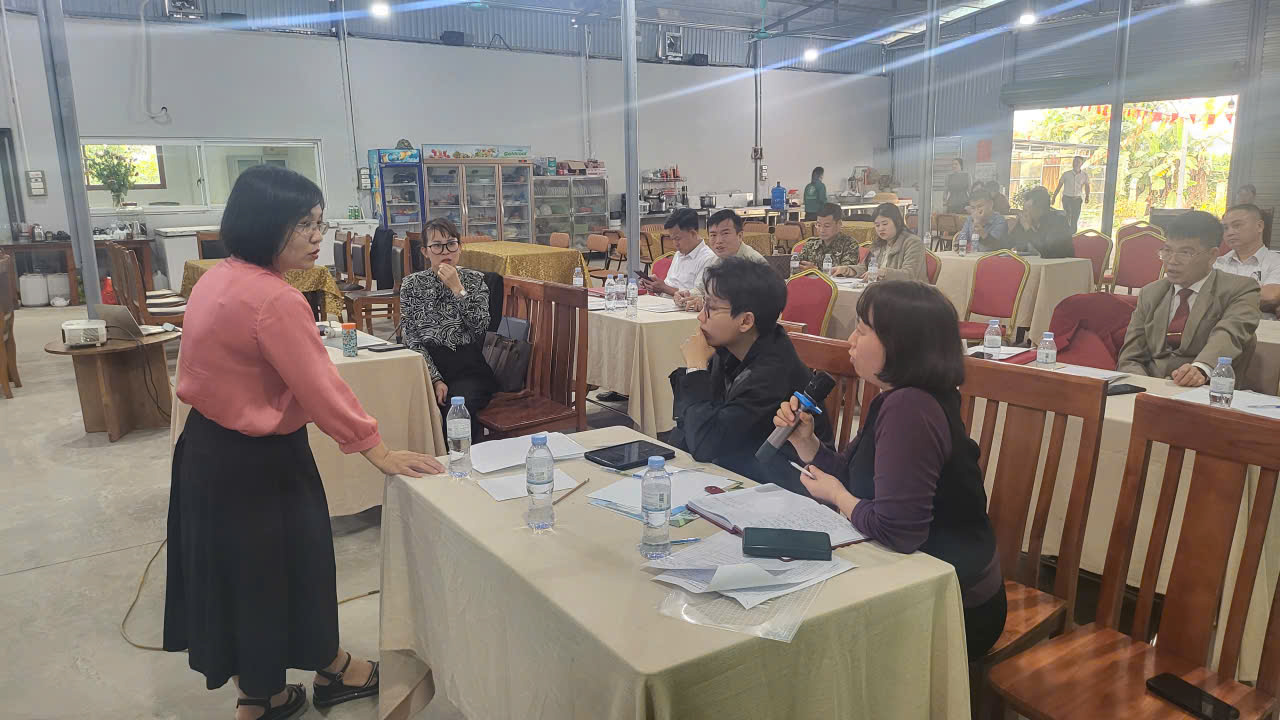
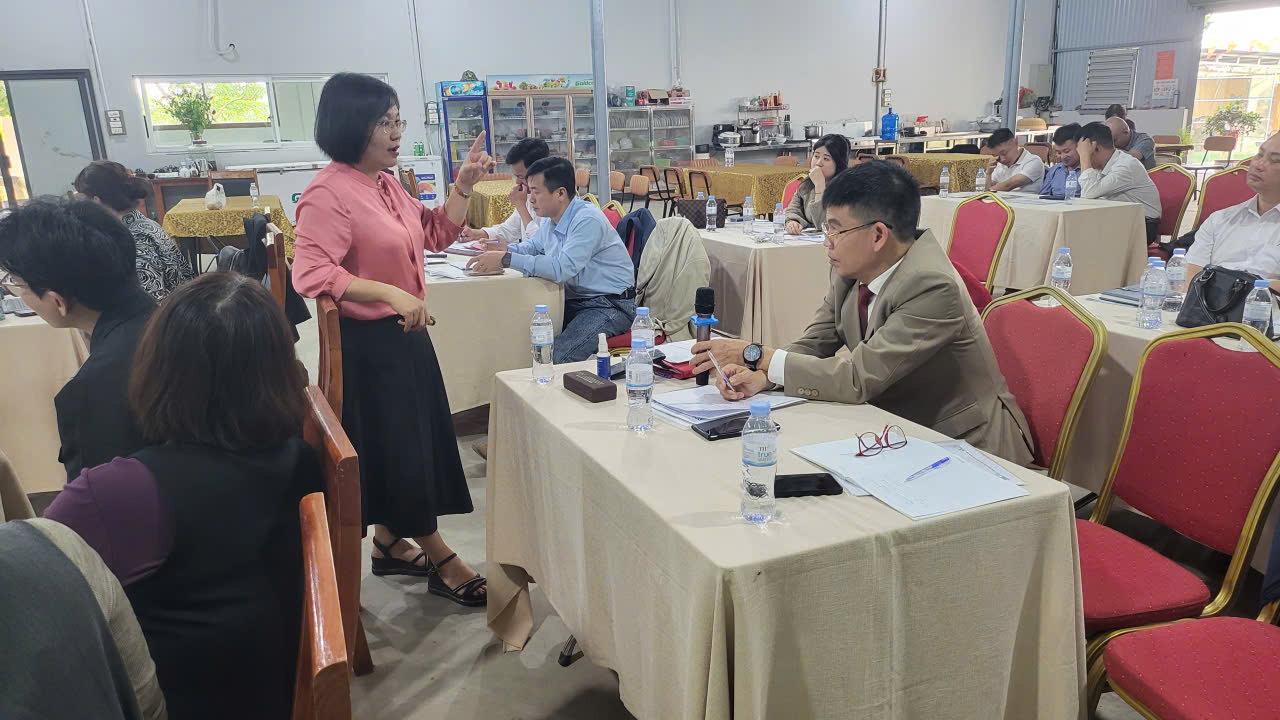
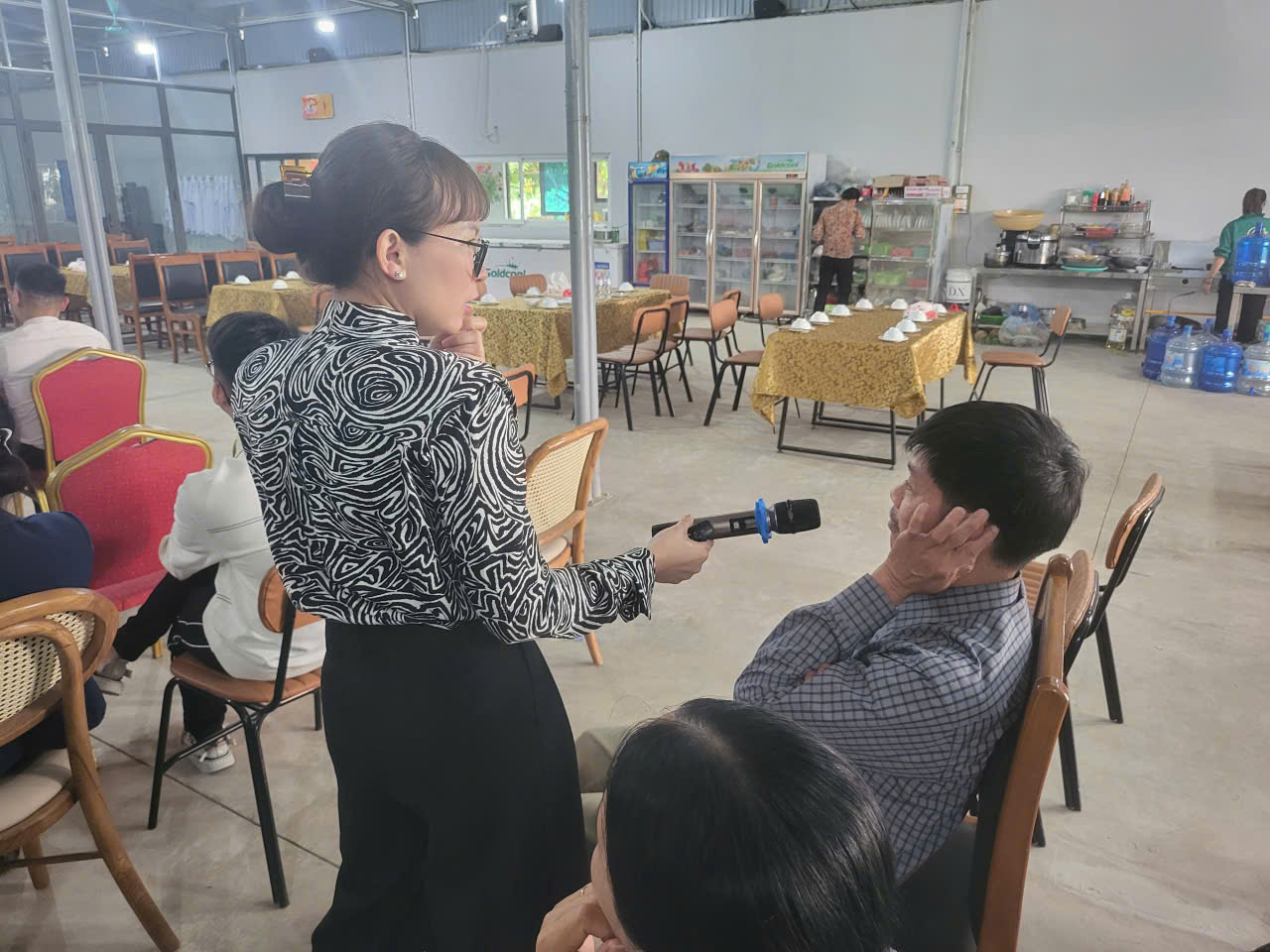
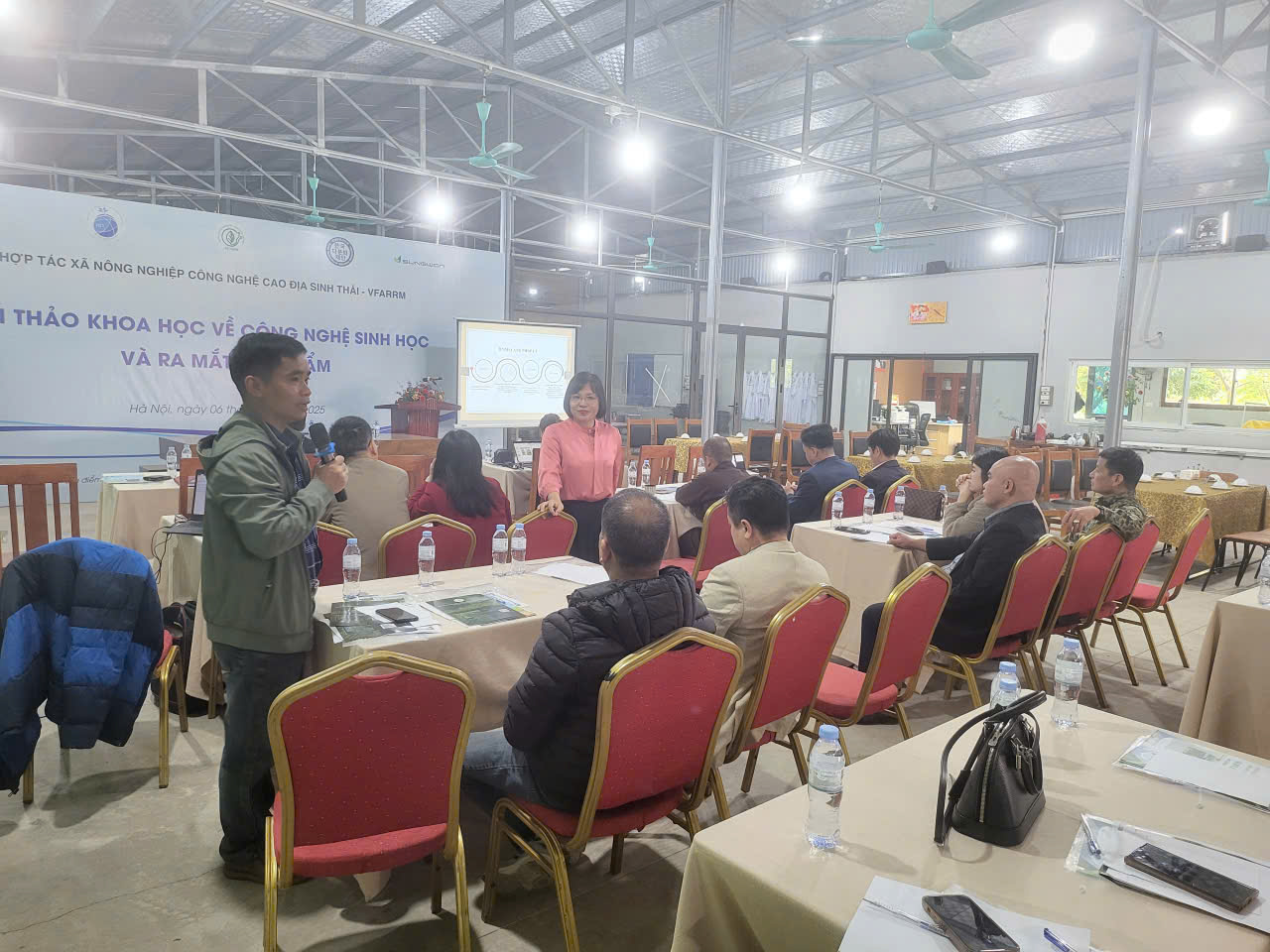
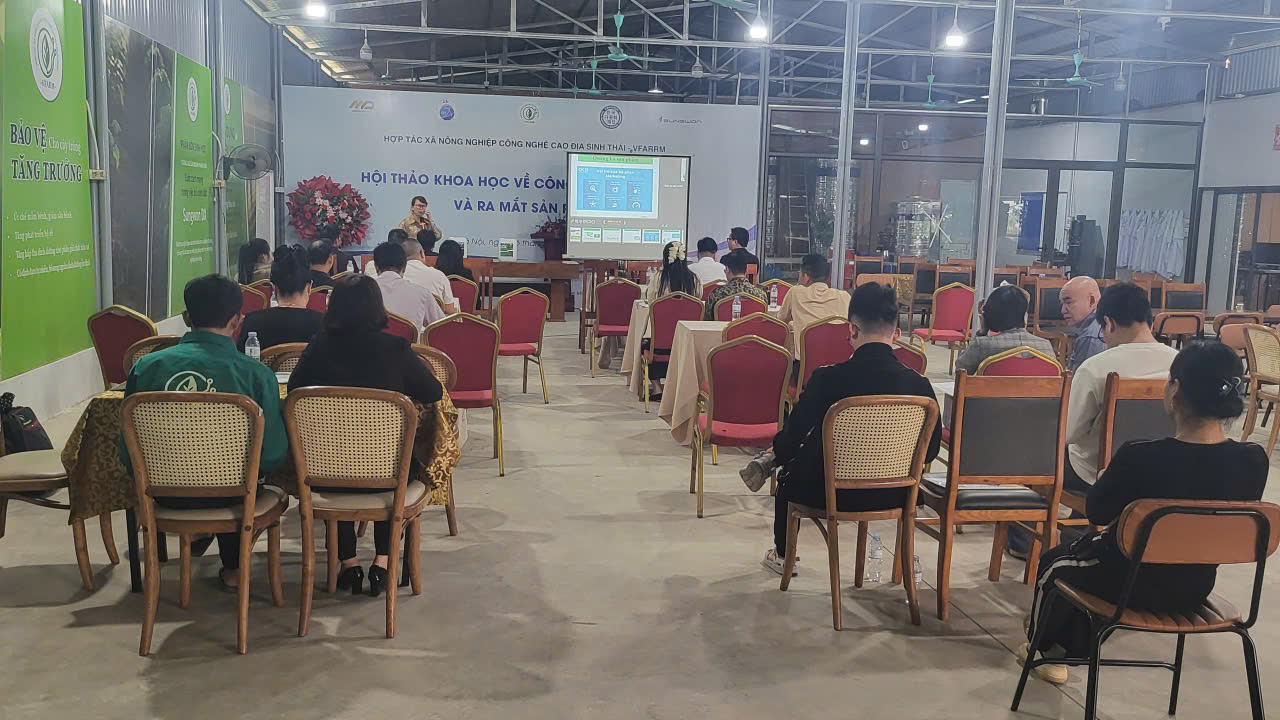 Overview of the second day of the training course "Sustainable Agricultural Production according to the circular economy system using organic fertilizers and biofertilizers – Product marketing strategy”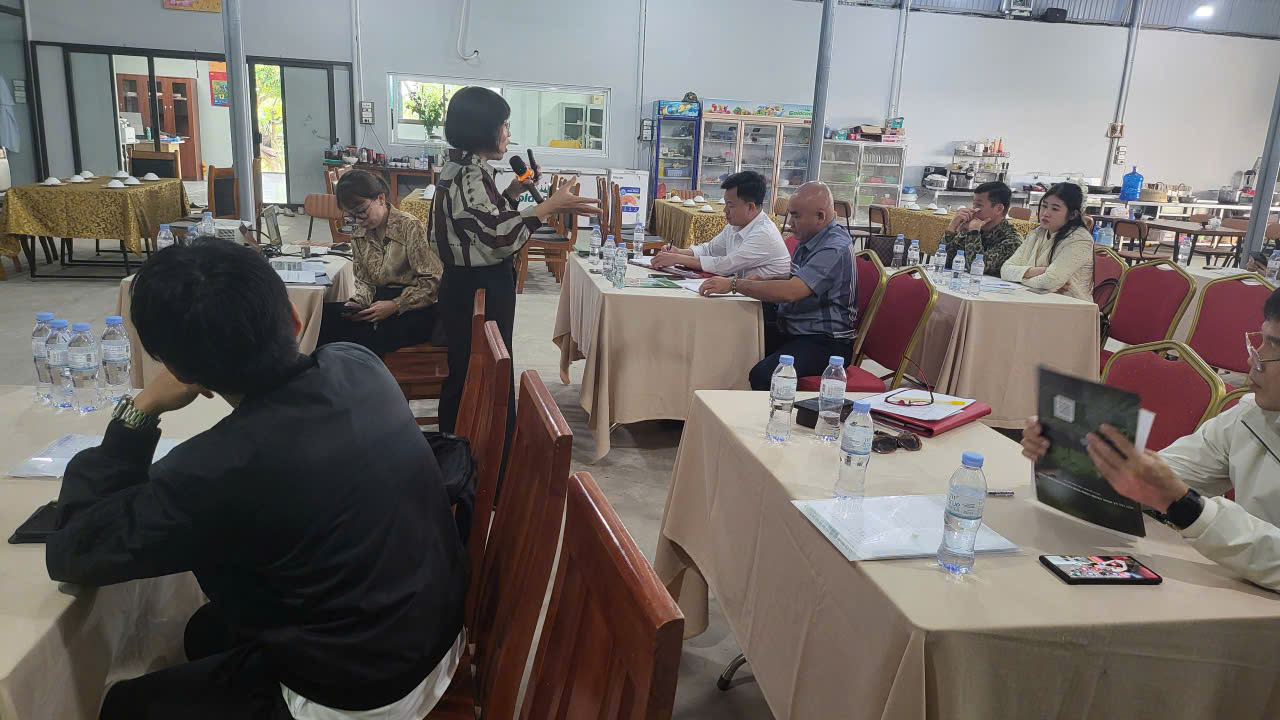
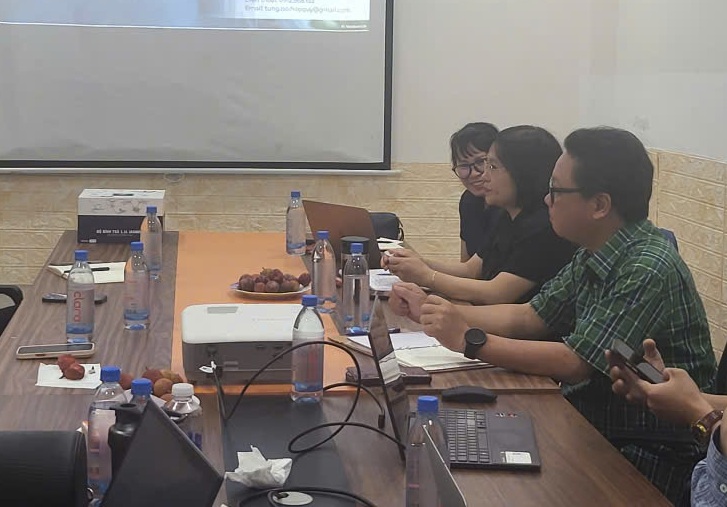
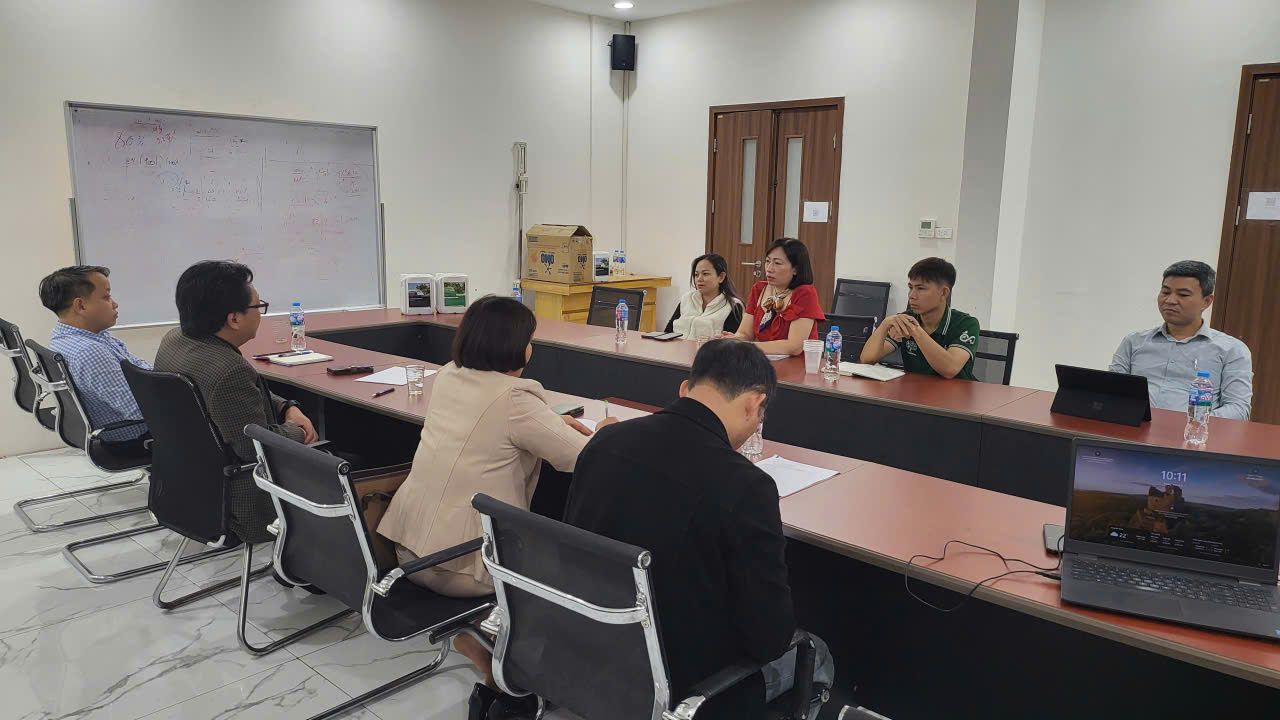 Overview of the tripartite meeting on biological products for sandalwood