


12 May, 2026
DECISION 885/QD-TTg AND IMPLICATIONS FOR COOPERATIVES PRODUCING MICROBIAL ORGANIC FERTILIZER IN VIETNAM
Decision 885/QD-TTg (2020) Approve the Phase 1 Organic Agriculture Development Project 2020-2030, set the goal of expanding organic production area, enhance added value and develop sustainable value chains. This article summarizes the core contents of the Decision, At the same time, analyze the role and requirements for cooperatives (HTX) in the field of producing organic microbial fertilizers and biological products – key element of the organic agricultural ecosystem.
- Introduce
In the context of Vietnam's agriculture shifting towards sustainability, Decision 885/QD-TTg plays a strategic role in guiding the development of organic agriculture.
Don't just focus on agricultural production, The decision also emphasizes: input ecosystem, especially organic fertilizers and biological products, creates great opportunities for cooperatives to participate in the value chain.
- Main content of Decision 885/QD-TTg
2.1. General goal
– Develop organic agriculture The quality control of agricultural products not only opens the "door" to official export, but also expands the market for Vietnamese agricultural products., lasting, Environmentally friendly;
– Increase the added value of agricultural products;
– Increase competitiveness and international integration.
2.2. Specific targets
|
Target |
To the year 2025 |
To the year 2030 |
|
Area of organic agricultural land |
1,5 – 2% |
2,5 – 3% |
|
Organic livestock products |
1 – 2% |
2 – 3% |
|
Organic seafood products |
0,5 – 1,5% |
1,5 – 3% |
|
Product value/ha |
Increase 1,3-1,5 times |
Increase 1,5-1,8 times |
2.3. Key tasks and solutions
(1) Improve the mechanism, policy
– Build a standard system, standards on organic agriculture;
– Synchronize with international standards (ME, USDA…).
(2) Developing inputs for organic production
– Encourage production:
+ Organic fertilizers, biological fertilizer,
+ Bioproducts,
+ Biological pesticides.
This is a key point directly related to input production cooperatives.
(3) Organize production in chains
- Build a concentrated organic raw material area;
- Link HTX – enterprise – farmer – the scientist;
- Develop value chain from production → processing → consumption.
(4) Science, technology and transfer
– Application:
+ Biotechnology,
+ Microbiological technology,
+ Digital technology in organic production management.
(5) Training and development of human resources
– Strengthen training in organic production techniques;
– Enhance capacity for cooperatives, enterprise.
(6) Trade and market promotion
– Brand building support;
– Develop domestic and export markets;
– Seek an origin, product certification.
2.4. Support policy
– Support 100% First-time organic certification costs;
– Support training, training;
– Support building organic production models;
– Support market development and trade promotion;
– Mobilize resources from the budget + socialize.
- The role of cooperatives in producing microbial organic fertilizers and biological products
Cooperatives are not only production units but also:
– Strategic input supplier for organic agriculture;
– Microbiological technology transfer center;
– Bridging research – manufacturing – market.
Main products:
– Traditional organic fertilizer (compost);
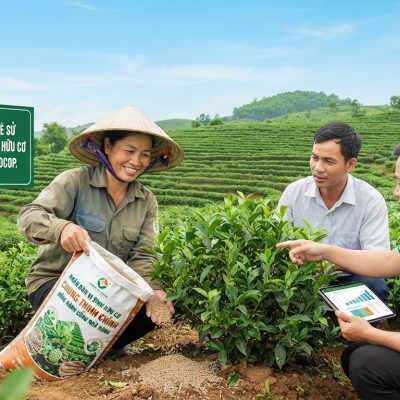
– Microbial organic fertilizer (contains beneficial microorganisms);
– Bioproducts (EM, Trichoderma, Bacillus, enzyme…).
- Important notes for cooperatives producing fertilizers and biological products
4.1. Legal compliance
– Right product:
+ Okay declaration of conformity / circulation registration;
+ Meets national technical regulations;
– Does not contain:
+ Heavy metals exceed the threshold;
+ Harmful microorganisms;
+ Chemical ingredients prohibited in organic.
4.2. Microbiological quality control
– Right microbial strain:
+ Clear origin;
+ There is density (CFU) meet standards;
– Ensure:
+ Viability,
+ Actual effectiveness in the field.
4.3. Standardize production processes
– Build process:
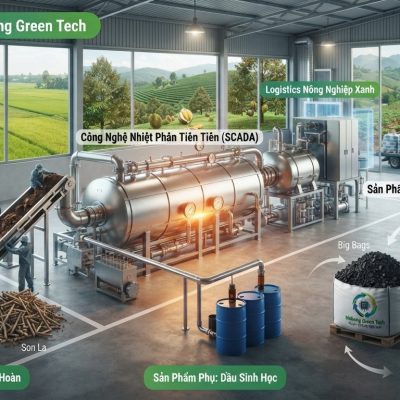
+ Ferment (aerobic/anaerobic),
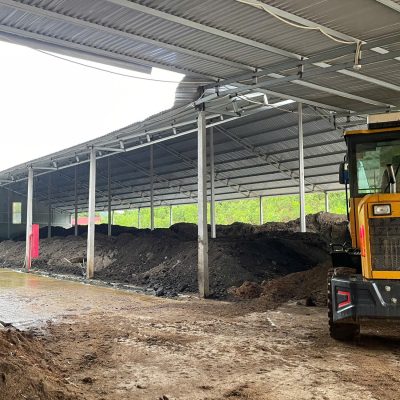
+ Composting,
+ Multiplying microbial biomass;
– Apply standards:
+ ISO
+ HACCP or equivalent.
4.4. Value chain links
– Cooperatives need to be affiliated with:
+ Organic farming cooperative (product usage output);
+ Distribution enterprise;
+ Research Institute (technology improvement).
4.5. Market orientation
– Products needed:
+ Conforms to international organic standards;
+ Have clear technical records;
– come:
+ Export;
+ Providing high-tech agricultural areas.
4.6. Technological innovation
– Application:
+ Biological nanotechnology;
+ Enzyme technology;
+ New generation fermentation technology;
– Model integration:
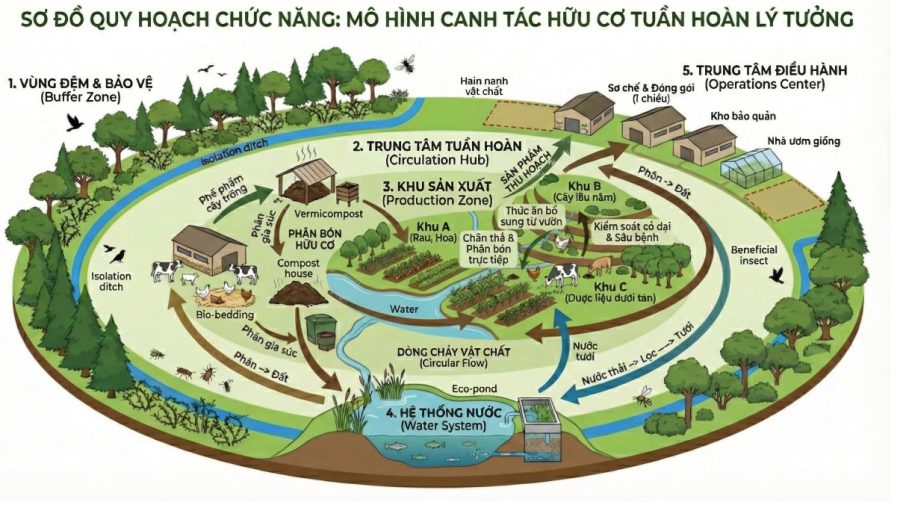
+ Zero Waste – Zero-emission biological circulation.
- Discuss
Decision 885/QD-TTg opens up great opportunities for cooperatives, but also poses challenges:
– High requirements for quality standards;
– Compete with imported products;
– Requires investment in technology and management.
However, if used well:
– Cooperatives can become strategic input supplier,
– Contribute to shaping Vietnam's organic agricultural ecosystem.
- Conclude
Decision 885/QD-TTg is not only a direction for the development of organic agriculture but also Strategic opportunity for cooperatives producing microbial organic fertilizers and biological products.
Standards compliance, Technology investment and value chain linkage will help cooperatives improve their competitiveness and play a central role in a sustainable agricultural ecosystem..
Perform: Thanh Vinh – Deputy Head of Technology
Post Views:
2,949